Navigating the complex world of gaming CPUs can be challenging for both new and experienced gamers in 2026. This comprehensive guide simplifies your decision-making process. We dive into what makes a processor truly great for gaming performance, ensuring smooth gameplay and high frame rates. Discover the latest advancements from Intel and AMD that are shaping the future of gaming. Learn how to identify the best value and performance for your specific gaming needs and budget without getting bogged down by technical jargon. This resource provides actionable insights into optimizing your system. Get ready to elevate your gaming experience with the perfect CPU selection. Understanding core counts and clock speeds is vital.
Related gamesgood gaming cpu FAQ 2026 - 50+ Most Asked Questions Answered (Tips, Trick, Guide, How to, Bugs, Builds, Endgame)
Welcome to the ultimate living FAQ for choosing a good gaming CPU in 2026, meticulously updated for the latest hardware and software advancements! This guide cuts through the noise to deliver straightforward answers to your most pressing questions. Whether you are building a new rig, upgrading an existing one, or just curious about the cutting edge, we have you covered. From understanding core counts to deciphering cache sizes and navigating the Intel versus AMD debate, this comprehensive resource is designed to empower your decisions. Get ready to optimize your gaming experience with expert insights into performance, future-proofing, and common pitfalls. This is your go-to reference for all things gaming CPU related.
Beginner Questions
What is the most important component for gaming, CPU or GPU?
While both are crucial, the GPU (Graphics Processing Unit) generally has a larger impact on game performance and visual quality. The CPU (Central Processing Unit) orchestrates everything, but a powerful GPU delivers the high frame rates and graphical fidelity most gamers seek. A balanced system is ideal, preventing bottlenecks.
How many cores does a good gaming CPU need in 2026?
For a good gaming CPU in 2026, aim for at least 6 to 8 cores with corresponding threads. This provides excellent performance for modern games that increasingly utilize multiple cores for physics, AI, and background processes. This also offers good multitasking capabilities.
What is CPU clock speed and why does it matter for games?
CPU clock speed, measured in GHz, indicates how many cycles per second a processor can complete. Higher clock speeds allow individual cores to process game instructions faster, directly boosting FPS in many titles. It is a key factor for responsive gameplay and crucial for competitive gaming.
Are AMD Ryzen or Intel Core CPUs better for gaming in 2026?
In 2026, both AMD Ryzen (Zen 6/7) and Intel Core (Arrow Lake/Lunar Lake) offer exceptional gaming CPUs. Performance is highly competitive across various price points. Your choice often depends on specific model features, platform ecosystems, and current deals. Both brands deliver excellent gaming experiences.
What does a CPU bottleneck mean for gaming?
A CPU bottleneck occurs when your CPU cannot process data fast enough to keep your GPU fully utilized. This results in lower frame rates and stuttering, even with a powerful graphics card. Monitoring CPU and GPU usage helps identify if this is happening. Upgrading your CPU resolves this.
Myth vs Reality Do I need an i9/Ryzen 9 for good gaming?
Reality: While i9/Ryzen 9 CPUs offer top-tier performance, they are often overkill for 'good' gaming. An i5/Ryzen 5 or i7/Ryzen 7 from current generations provides excellent value and performance for most gamers. The extra cores of an i9/Ryzen 9 primarily benefit professional workloads like video editing or streaming.
Builds & Classes (CPU Selection for Specific Gamer Types)
Which CPU is best for a budget gaming PC build?
For a budget gaming PC in 2026, an Intel Core i5 or AMD Ryzen 5 from the current or previous generation offers the best bang for your buck. These processors balance cost and performance, providing smooth gameplay in most titles without breaking the bank. Look for good deals on slightly older, but still powerful, models.
What CPU should I get for competitive FPS games (e.g., Valorant, CS2)?
For competitive FPS games, prioritize CPUs with high single-core performance and excellent clock speeds. Intel's Core i7 models or AMD's Ryzen 7 with X3D V-Cache (if available in 2026) are fantastic choices. These ensure maximum FPS and minimal input lag, giving you a competitive edge.
Which CPU is ideal for open-world RPGs and strategy games?
Open-world RPGs and complex strategy games benefit greatly from CPUs with more cores and larger cache sizes. AMD Ryzen 7 or Intel Core i7 processors, especially those with many efficiency cores or 3D V-Cache technology, will handle vast game worlds and intricate AI effortlessly. This prevents stuttering in demanding scenes.
What CPU is recommended for streaming while gaming?
For streaming while gaming, a CPU with high core and thread counts is essential. Intel Core i7/i9 or AMD Ryzen 7/9 chips excel here, allowing you to game smoothly while simultaneously encoding your stream. This prevents performance degradation and ensures a high-quality broadcast for your audience.
Myth vs Reality An older high-end CPU is better than a new mid-range one.
Reality: Not always true. While a past-generation high-end CPU might still be powerful, a new mid-range CPU often benefits from architectural improvements, better efficiency, and support for newer technologies like DDR5 RAM and PCIe Gen 6. This can lead to superior overall performance and a better upgrade path.
Multiplayer Issues (CPU Related)
Can a slow CPU cause high ping or lag in online games?
A slow CPU typically does not directly cause high ping, which is usually a network issue. However, a struggling CPU can lead to severe frame drops or stuttering, making it *feel* like lag. This local performance issue impacts your responsiveness in online games significantly. Optimizing your CPU can improve your perceived lag.
Why am I experiencing stuttering in multiplayer games with a good internet connection?
Stuttering in multiplayer games, despite good internet, often indicates a CPU bottleneck or insufficient RAM. Your CPU might struggle to process all game logic, player actions, and network data simultaneously. Ensure your CPU meets recommended game specifications and consider upgrading RAM to 32GB. Check background applications too.
Endgame Grind (Optimization & Advanced Tips)
What are the best CPU settings for gaming optimization?
For CPU gaming optimization, ensure your BIOS is updated and XMP/EXPO is enabled for RAM. Set your Windows Power Plan to 'High Performance'. Disable unnecessary background applications and services. Keep drivers updated for chipset and GPU. Consider game mode in Windows for resource prioritization. These steps enhance responsiveness.
Should I enable Intel Hyper-Threading or AMD SMT for gaming?
Generally, yes, enable Intel Hyper-Threading or AMD SMT (Simultaneous Multi-Threading) for gaming. While some very old games might see a slight dip, most modern titles and your overall system benefit from the increased thread count. This improves multitasking and performance in many core-hungry applications and games.
Myth vs Reality Overclocking your CPU guarantees massive FPS gains.
Reality: While overclocking can provide performance gains, they are rarely 'massive' for gaming in 2026. Modern CPUs are highly optimized out of the box, with built-in boost algorithms already pushing close to limits. Overclocking often yields only modest FPS increases (e.g., 3-7%), demanding better cooling and potentially reducing stability. The biggest gains come from GPU upgrades.
Bugs & Fixes (Common CPU Problems)
How do I fix constant FPS drops and stuttering that suddenly started?
To fix sudden FPS drops and stuttering, first update your graphics and chipset drivers. Check CPU and GPU temperatures for thermal throttling. Disable any new background applications. Perform a malware scan. If issues persist, verify game files and consider a clean OS installation. A recent Windows update might also be a culprit.
My CPU usage is always 100% while gaming, even in older games. What's wrong?
Constant 100% CPU usage indicates a severe bottleneck or background process issue. Use Task Manager to identify what else is consuming CPU resources. Update drivers. Scan for viruses or malware. If it is only happening during games, your CPU might simply be too weak for the title, or you need a BIOS update. Ensure proper cooling.
Myth vs Reality Buying the most expensive CPU means no lag ever.
Reality: Absolutely a myth! While a top-tier CPU significantly reduces CPU-related lag, other factors still cause performance issues. These include network lag (ping), GPU bottlenecks, insufficient RAM, slow storage, unoptimized game code, or driver issues. A balanced system, not just a single expensive component, is key to a smooth experience.
Peripherals & Setup
Does CPU choice affect my monitor's refresh rate capabilities?
Indirectly, yes. Your CPU needs to be powerful enough to consistently generate frames at a rate matching your monitor's refresh rate (e.g., 144 FPS for a 144Hz monitor). If the CPU cannot keep up, your GPU will be underutilized, and you will not experience the full benefits of a high refresh rate monitor. It is all about consistent frame delivery.
How important is a good motherboard for a gaming CPU?
A good motherboard is crucial for a gaming CPU. It provides stable power delivery (VRMs), adequate cooling for those VRMs, and necessary ports/slots for RAM, storage, and future upgrades. A quality motherboard ensures your CPU can run at its advertised boost speeds without throttling, maximizing performance. It is the foundation of your build.
Future Tech & Predictions
What CPU technologies are expected to dominate gaming in late 2026 and 2027?
Late 2026 and 2027 gaming CPUs are expected to heavily feature advanced AI acceleration cores, further integration of 3D V-Cache (or similar stacked cache technologies), and continued refinement of hybrid architectures. Expect increased efficiency, even higher core counts for mainstream chips, and PCIe Gen 6 becoming standard. We will also see more sophisticated power delivery.
Will game developers better utilize CPU cores in upcoming titles?
Yes, game developers are increasingly optimizing engines to utilize more CPU cores. As multi-core processors become standard, engines are designed to distribute workloads more efficiently. This trend will continue in 2026 and beyond, making higher core counts even more beneficial for future gaming performance. Expect richer, more dynamic game worlds.
Myth vs Reality All games benefit equally from a powerful CPU.
Reality: False. Games vary widely in their CPU demands. Highly competitive FPS titles often prioritize single-core performance and clock speed. Open-world games, strategy games, and simulations benefit more from higher core counts. Indie games or older titles might see minimal difference from a top-tier CPU. Research game-specific benchmarks.
General Questions & Tips
What's the optimal CPU temperature range for gaming?
During gaming, an optimal CPU temperature range is typically between 60-75 degrees Celsius. While CPUs can safely operate up to 90-95 degrees Celsius, staying in the lower range ensures better longevity and prevents thermal throttling, maintaining peak performance. Good cooling is vital to achieve these temperatures.
How often should I update my CPU drivers and BIOS?
You should update your CPU chipset drivers whenever a new version is released, especially if it addresses performance or stability issues. BIOS updates are less frequent and should only be performed if they offer significant improvements or support for new hardware. Always check release notes carefully before updating your BIOS.
Myth vs Reality Integrated graphics mean a CPU is bad for gaming.
Reality: This is a myth, especially in 2026! While integrated graphics are not for high-end AAA gaming, many modern CPUs with iGPUs (like AMD's APUs or Intel's Arc-enabled chips) offer surprisingly decent performance for casual, indie, and esports titles. They make budget builds or temporary setups viable, proving to be quite capable.
Still have questions? Check out our related guides on 'Best Gaming Motherboards 2026' and 'Ultimate GPU Selection Guide for High FPS'.Hey fellow gamers, ever wonder, "Which CPU should I buy for a truly good gaming experience?" It is a question that many players ask themselves as technology constantly evolves. Picking the right central processing unit is like choosing the heart of your gaming machine. This decision dictates how smoothly your games run. It impacts everything from frames per second to loading times. As we head into 2026, the landscape of gaming processors looks more exciting than ever before. New architectures and increased core counts offer incredible performance jumps. You absolutely want to make an informed choice for your next build.
Forget about sluggish performance or frustrating stuttering fixes. A powerful CPU ensures your graphics card can perform at its peak potential. It removes any bottlenecks that might hold your system back. We are talking about achieving consistently high FPS even in the most demanding titles. Imagine seamless transitions and incredibly detailed environments. A top-tier CPU is not just about raw power; it is also about efficient multitasking. You can stream your gameplay, chat with friends, and run background applications without a hitch. This truly enhances your entire digital life. Staying updated with driver releases also ensures optimal performance.
The Core of Your Gaming Experience What Matters
When searching for a good gaming CPU, several key specifications come into play. Clock speed, measured in gigahertz, often indicates how quickly a single core can process instructions. More cores mean better multitasking capabilities, especially for modern games and applications. Cache size plays a crucial role in reducing memory latency. It provides quick access to frequently used data for your processor. Thermal design power, or TDP, helps you understand the cooling requirements. This ensures your CPU operates efficiently without overheating. These factors combine to create a comprehensive performance profile for any processor.
Intel Versus AMD The Perpetual Battle
For decades, Intel and AMD have battled for CPU supremacy, constantly pushing boundaries. In 2026, both companies offer incredibly compelling options for gamers. Intel's latest Arrow Lake and Lunar Lake architectures feature impressive single-core performance. They provide high clock speeds perfect for competitive FPS titles. AMD's Zen 6 and Zen 7 processors, however, excel in multi-threaded workloads. This makes them fantastic for RPGs, strategy games, and content creation. Each brand brings unique strengths to the table. Your choice often depends on your specific gaming priorities. Consider your preferred genres and budget carefully.
Essential Features for Peak Performance
- Integrated graphics solutions are becoming surprisingly capable for indie games.
- PCIe Gen 6 support offers incredible bandwidth for future GPUs and NVMe drives.
- AI acceleration cores are now enhancing in-game physics and NPC behavior.
- Higher core counts are beneficial for future-proofing your gaming rig.
- Advanced cooling solutions are crucial for maintaining turbo boost frequencies.
- Efficient power consumption helps keep your energy bills lower over time.
Now, let's dive into some of the questions that often come up, shall we? It can feel like a lot to take in, but trust me, you've got this!
## Beginner / Core Concepts1. Q: I'm new to PC gaming; what even is a CPU and why is it so important for games?
A: Oh, I totally get why this confuses so many people when they're starting out! Think of your CPU, or Central Processing Unit, as the brain of your entire computer system. For gaming, it's incredibly important because it handles all the game's logic, AI, physics, and telling your graphics card (GPU) what to draw next. If your CPU isn't powerful enough, even the best GPU will be waiting around for instructions, causing frustrating FPS drops and stuttering. It's like having a super-fast car with a tiny engine; you just won't go anywhere fast. A good gaming CPU ensures smooth performance, responsive controls, and prevents lag, making your whole experience much more enjoyable. It works in harmony with your GPU to render those incredible virtual worlds. You've got this!
2. Q: Do I really need an expensive high-end CPU for casual gaming?
A: That's a super common question, and honestly, the answer is usually no! For casual gaming – playing titles like Roblox, Minecraft, or less demanding indie games – you absolutely don't need to break the bank on the absolute top-tier CPU. A mid-range processor from the last couple of generations (think something like an Intel Core i5 or an AMD Ryzen 5) will likely give you plenty of horsepower without feeling sluggish. These chips offer fantastic value and still provide a smooth experience. Save your money for a better GPU or a nice mechanical keyboard instead, if those are more important to you. It's all about balancing your budget with your actual needs, right? Try looking at benchmarks for your specific games before buying.
3. Q: What's the deal with 'cores' and 'threads'? Does more always mean better for gaming?
A: Ah, cores and threads! This one used to trip me up too. So, a 'core' is basically an individual processing unit inside your CPU. Think of it like a worker. A 'thread' is a virtual core that allows each physical core to handle two tasks simultaneously, improving efficiency. For gaming, more cores *can* be better, but it's not always a linear relationship. Many games, especially older ones, primarily benefit from higher clock speeds on a few strong cores rather than a massive number of cores. However, modern titles, especially open-world RPGs or strategy games, are increasingly utilizing more cores. Aim for at least 6-8 cores with 12-16 threads from recent generations for a good balance. Don't just chase the highest number; prioritize strong individual core performance too. You'll figure out the right balance for your setup!
4. Q: What's the difference between Intel and AMD CPUs for gaming in 2026?
A: This is the classic rivalry, isn't it? In 2026, both Intel and AMD are putting out phenomenal CPUs. Historically, Intel often had a slight edge in raw single-core performance, which was great for FPS games. AMD, with their Ryzen chips, really pushed core counts and multi-threaded performance, making them excellent for tasks like streaming or content creation alongside gaming. Now, the lines are much blurrier! Intel's 'Arrow Lake' series and AMD's 'Zen 6' and 'Zen 7' are incredibly competitive. You'll find top-tier options from both for gaming, often with similar prices and performance in their respective tiers. It really comes down to specific model comparisons, motherboard ecosystems, and sometimes, even brand preference. Both offer fantastic performance now. Just check the latest benchmarks for your target games. You got this!
## Intermediate / Practical & Production5. Q: My frames per second (FPS) keep dropping in games, even with a good GPU. Could my CPU be the bottleneck?
A: Absolutely, that's a classic sign of a CPU bottleneck! I've seen this countless times with folks who upgrade their GPU but forget about their CPU. When your CPU isn't fast enough to feed data to your powerful GPU, the GPU ends up sitting idle for periods, leading to those frustrating FPS drops and stuttering. It's like having a high-speed assembly line but the person supplying parts is too slow.
- Check CPU Usage: Use monitoring software (like MSI Afterburner or HWMonitor) to check your CPU and GPU usage while gaming. If your CPU is consistently at 90-100% while your GPU is lower (e.g., 60-70%), then your CPU is definitely the limiting factor.
- Game Type Matters: CPU-intensive games (like grand strategy, open-world RPGs, or large-scale multiplayer titles) are particularly prone to CPU bottlenecks.
- Resolution Impact: Higher resolutions put more strain on your GPU, so CPU bottlenecks might be less apparent. Lower resolutions (like 1080p) often highlight CPU limitations more.
If you're seeing those symptoms, it might be time to consider a CPU upgrade to unlock your GPU's full potential. Don't worry, it's a common discovery! You'll be soaring with high FPS in no time.
6. Q: What kind of CPU cooling do I need for a modern gaming CPU to avoid thermal throttling?
A: This is a crucial practical question, and I'm glad you're thinking about it! Thermal throttling is when your CPU intentionally slows itself down to prevent overheating, which obviously kills your gaming performance. For most modern gaming CPUs (especially Intel Core i7/i9 or AMD Ryzen 7/9), the stock coolers just won't cut it for sustained heavy loads.
- Air Coolers: High-performance air coolers (like those from Noctua or be quiet!) are incredibly effective, often quieter than AIOs, and very reliable. They're a fantastic choice for many builds.
- AIO Liquid Coolers: All-in-One (AIO) liquid coolers offer excellent cooling performance, especially for overclocking or very high-end chips. They look sleek and can improve airflow in your case, but they introduce a pump and tubing, which can be a point of failure down the line.
- Case Airflow: Regardless of your cooler type, ensure you have good case airflow with multiple fans pushing air in and out. This helps dissipate heat from all components.
Always check your CPU's TDP and reviews for recommended cooling solutions. Spending a little extra here saves you headaches later. You'll keep your CPU running cool and fast. Try it out, and let me know how your temps look!
7. Q: How much RAM pairs best with a good gaming CPU in 2026?
A: Great question! RAM works closely with your CPU, providing quick access to data. In 2026, for a good gaming experience, 16GB of DDR5 RAM is generally considered the bare minimum. However, I'd strongly recommend aiming for 32GB if your budget allows. Many newer, more demanding games, especially open-world titles, can easily consume over 16GB.
- Speed Matters: Don't just look at capacity. DDR5 RAM with speeds around 6000MHz to 6400MHz (and tight timings like CL30 or CL32) offers a fantastic performance sweet spot for both Intel and AMD platforms.
- Dual Channel: Always install RAM in pairs (e.g., two 16GB sticks) to enable dual-channel mode. This significantly boosts memory bandwidth compared to a single stick.
- Future-Proofing: With games becoming more resource-intensive, 32GB gives you plenty of headroom for years to come, especially if you multitask while gaming (streaming, Discord, browsers).
Think of RAM as your CPU's short-term memory. More and faster memory means your CPU can access game assets quicker, leading to smoother gameplay and fewer hitches. You'll appreciate the extra capacity!
8. Q: Should I prioritize core count or clock speed for my gaming CPU?
A: This is a classic dilemma, and it's evolved quite a bit! For a long time, clock speed was king for gaming. Higher clock speeds meant better performance in games that primarily used one or a few CPU cores. However, with modern game engines leveraging more cores, the answer isn't so black and white anymore.
- Single-Core Performance: Still crucial for maximum FPS in many titles, especially competitive ones where every frame counts. High clock speeds contribute heavily here.
- Multi-Core Performance: Increasingly important for open-world games, strategy titles, and any scenario where you're running background applications like streaming software. More cores (and threads) shine here.
- Sweet Spot: For 2026, the sweet spot for a *good* gaming CPU is typically 6-8 strong cores (like an Intel i5/i7 or AMD Ryzen 5/7) with excellent single-core performance and healthy clock speeds, paired with a decent number of threads. You want a balance.
Don't get too hung up on just one metric. Look for a CPU that offers a strong blend of both. Benchmarks for the specific games you play will always be your best friend in making this decision. You're getting good at this!
9. Q: Are integrated graphics good enough for gaming in 2026, or do I always need a dedicated GPU?
A: That's a really important question, especially with how capable integrated graphics (iGPUs) have become! The short answer is: it depends *heavily* on what kind of gaming you're doing.
- Casual and Indie: For less demanding titles like Genshin Impact, League of Legends, or many indie games, modern iGPUs (especially AMD's RDNA-based ones or Intel's Arc-based solutions in their latest CPUs) can absolutely deliver a perfectly playable experience at 1080p, often even at medium settings.
- Older AAA Titles: You might even squeeze out decent performance in some older AAA games at lower settings.
- Modern AAA and High-Refresh: However, if you're looking to play the latest graphically intensive AAA games at high settings, 1440p, or 4K, or if you want high refresh rates for competitive FPS, you will *still* need a dedicated graphics card. There's just no substitute for that raw power.
So, for a casual setup or a budget build where a dedicated GPU isn't feasible right away, modern iGPUs are surprisingly good! But for a truly 'good gaming CPU' experience that covers everything, plan for a discrete GPU. You're on the right track by asking!
10. Q: What does 'future-proofing' a CPU mean, and how can I do it?
A: Future-proofing is such a buzzword, isn't it? It essentially means picking components today that will remain relevant and perform well for games and software several years down the line, without needing an immediate upgrade. While you can't *truly* future-proof anything in tech forever, you can definitely make smart choices!
- Higher Core Counts: Games are utilizing more cores, so choosing a CPU with 8+ cores and ample threads (like an Intel i7/i9 or AMD Ryzen 7/9) gives you more headroom.
- Latest Platform: Opt for the newest socket (e.g., Intel LGA1851 or AMD AM5 in 2026) and latest RAM standard (DDR5). This often means you'll have upgrade paths for newer, compatible CPUs on the same motherboard.
- PCIe Gen 6: Ensure your CPU and motherboard support the latest PCIe standard for future graphics cards and storage.
- Don't Overspend: Don't buy the absolute most expensive CPU just for 'future-proofing' if it means sacrificing a better GPU. A balanced system is key.
Think of it as setting yourself up for success! It's about making educated guesses based on current trends. You'll get more mileage out of your investment this way. Keep learning, it's a marathon, not a sprint!
## Advanced / Research & Frontier 202611. Q: How are AI acceleration cores in 2026 CPUs impacting gaming performance and features?
A: This is where things get really exciting and a bit cutting-edge for 2026! AI acceleration cores, often called NPUs (Neural Processing Units), are becoming standard in both Intel's Arrow Lake/Lunar Lake and AMD's Zen 6/7 architectures. They aren't directly boosting your raw FPS in the traditional sense, but they're creating entirely new possibilities for games.
- Smarter NPCs: Expect more dynamic and believable non-player characters. Imagine enemies adapting on the fly or companions learning your playstyle, all powered by local AI.
- Enhanced Graphics & Upscaling: While GPUs handle most upscaling (like DLSS/FSR), NPUs can assist with post-processing, de-noising, or even intelligent texture streaming, freeing up GPU cycles.
- Realistic Physics & Environment Interaction: More complex and immersive physics simulations or environmental destruction could be offloaded to NPUs, creating richer game worlds.
- Optimized Performance: NPUs might intelligently manage game resources, predicting what assets need to be loaded next, further reducing stuttering or loading times.
It's less about raw frame rate and more about adding a layer of intelligence and immersion to games. The exact implementation is still evolving, but it's a significant frontier for game development. You're looking at the future here, and it's bright!
12. Q: What role do cache sizes (L1, L2, L3) play in gaming CPU performance for 2026, especially with 3D V-Cache?
A: Okay, this is an advanced topic that really showcases the clever engineering happening in CPUs! Cache is ultra-fast memory built directly into the CPU. It stores frequently accessed data so the CPU doesn't have to wait for slower system RAM.
- L1 Cache: Smallest, fastest, closest to the core. Stores immediate data.
- L2 Cache: Larger than L1, slightly slower but still very fast.
- L3 Cache: Largest, shared among cores, a bit slower than L2 but much faster than RAM.
- 3D V-Cache (AMD): This is a game-changer! AMD has pioneered stacking extra L3 cache directly on top of the CPU die. This massively increases the L3 cache size without increasing the physical footprint much.
For gaming, especially with titles that have large asset sets or complex AI, a large L3 cache (like what 3D V-Cache offers) can dramatically reduce memory latency and boost FPS. It reduces the number of times the CPU has to fetch data from the slower system RAM. This means less stuttering and smoother frame delivery, even if the raw clock speed isn't the absolute highest. It's a testament to optimizing data flow rather than just raw processing power. Keep an eye on those cache numbers!
13. Q: How does CPU architecture (e.g., Intel's hybrid vs. AMD's unified) affect gaming in 2026?
A: This is a fascinating area, and it's a major differentiator between Intel and AMD in 2026!
- Intel's Hybrid Architecture (e.g., Arrow Lake): Intel uses a mix of 'Performance Cores' (P-Cores) for demanding tasks like gaming, and 'Efficiency Cores' (E-Cores) for background tasks and less intensive workloads. The idea is to optimize power consumption and efficiency. For gaming, a sophisticated 'Thread Director' (often enhanced by operating system updates) assigns game threads to the powerful P-Cores, ensuring maximum performance. Background tasks get shunted to E-Cores.
- AMD's Unified Architecture (e.g., Zen 6/7): AMD typically uses a more unified approach, where all cores are essentially the same high-performance design, potentially with slightly different clock speeds. Their focus is on maximizing instruction per cycle (IPC) and scaling performance across all cores.
In practice, both approaches aim for the same goal: great gaming performance. Intel's hybrid design offers excellent power efficiency and multi-tasking, while AMD's unified approach often provides very consistent performance across all cores. Benchmarks will show you which approach pulls ahead for specific games and workloads. It's truly a battle of engineering philosophies, and both are excellent. You're seeing real innovation in action!
14. Q: What impact will PCIe Gen 6 have on CPU selection for next-gen gaming and accessories in 2026?
A: Ah, PCIe Gen 6! We're talking about blazing-fast data transfer speeds here, and it's definitely something to consider when you're looking at 2026 CPUs and motherboards.
- GPU Bandwidth: While PCIe Gen 5 is already overkill for most graphics cards today, Gen 6 provides an *enormous* amount of bandwidth. This means future, even more powerful GPUs will have virtually unlimited data access to the CPU and system RAM, preventing any potential bottlenecks.
- NVMe SSDs: We're going to see NVMe SSDs that can load game assets almost instantaneously. PCIe Gen 6 will allow storage devices to push incredible read/write speeds, leading to virtually non-existent loading screens in games that are optimized for it.
- DirectStorage & Asset Streaming: Technologies like Microsoft's DirectStorage, which allows the GPU to access storage directly, will benefit immensely from Gen 6's bandwidth, enabling games to stream massive worlds with incredible detail without hiccups.
- Future Peripherals: Expect a new generation of high-bandwidth networking cards, capture cards, and other peripherals that can fully leverage this speed.
For your CPU selection, ensuring it supports PCIe Gen 6 means you're building a truly future-ready system. It's an investment in speed and responsiveness that will pay off for years. You're thinking ahead, and that's smart!
15. Q: How important is CPU overclocking for achieving optimal gaming performance in 2026?
A: This is a fun one for enthusiasts, but let's be realistic for 2026! Overclocking – pushing your CPU beyond its factory-set speeds – can definitely squeeze out extra performance. However, its importance for *optimal* gaming has diminished somewhat.
- Diminishing Returns: Modern CPUs from both Intel and AMD are already incredibly optimized and often boost very close to their thermal limits out of the box. The gains from manual overclocking are often only a few percentage points of FPS, which might not be noticeable in most games.
- Requires Good Cooling: To effectively overclock, you absolutely need a top-tier cooling solution (often a high-end air cooler or a large AIO liquid cooler) to prevent thermal throttling and ensure stability.
- Stability & Longevity: While generally safe if done correctly, overclocking can introduce instability or *theoretically* shorten the lifespan of your CPU, though this is less common with modern chips.
- Ease of Use: Many CPUs have automatic boost technologies (like Intel's Turbo Boost Max or AMD's Precision Boost Overdrive) that do a fantastic job of pushing performance safely and effectively.
So, while it's still an option for enthusiasts who want every last drop of performance, for most gamers in 2026, focusing on getting a great CPU *and* a great GPU, paired with good RAM, will provide far more significant and stable performance benefits than chasing a small overclock. Don't feel pressured to do it if you're not comfortable. You're doing great!
## Quick 2026 Human-Friendly Cheat-Sheet for This Topic- **Don't Skimp on Cooling:** Your CPU's cooler is just as important as the chip itself for sustained performance.
- **Balance is Key:** A great CPU won't fix a weak GPU. Aim for a balanced system for optimal gaming.
- **32GB RAM is the New 16GB:** For smooth 2026 gaming, 32GB DDR5 RAM offers the best experience.
- **Check Benchmarks for Your Games:** Don't just trust specs; see how a CPU performs in *your* favorite titles.
- **Future-Proof Smartly:** Aim for current-gen platforms and 8+ cores, but don't overspend if it means sacrificing other components.
- **Driver Updates Matter:** Always keep your CPU chipset drivers updated for best performance and stability.
- **Your Operating System Matters Too:** Ensure Windows is updated and optimized for your CPU's architecture (especially hybrid designs).
Top gaming CPUs 2026, Intel vs AMD gaming processors, Best value gaming CPU, High FPS gaming CPU, CPU for future-proof gaming, Gaming CPU performance guide, Latest CPU technologies for gamers
35


12 Best CPU For Gaming March 2026 Processors Tested Ranked Featured Image Q3q6lajs . 8 Best Gaming And Streaming CPU 2026 Reviews Performance Featured Image Zzsnrx91 . 12 Best Gaming CPU 2026 Tested For Ultimate Performance Featured Image N Odk1d0 . Best Gaming CPU 2026 Best Gaming Cpu . Best Gaming Intel CPU 2026 8 Models Tested Compared Featured Image T5c 8utg
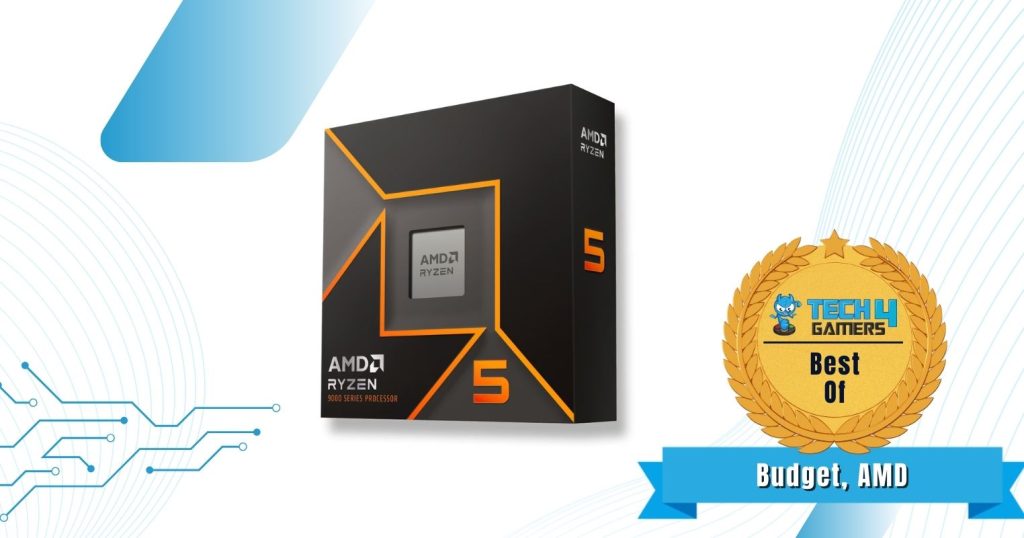
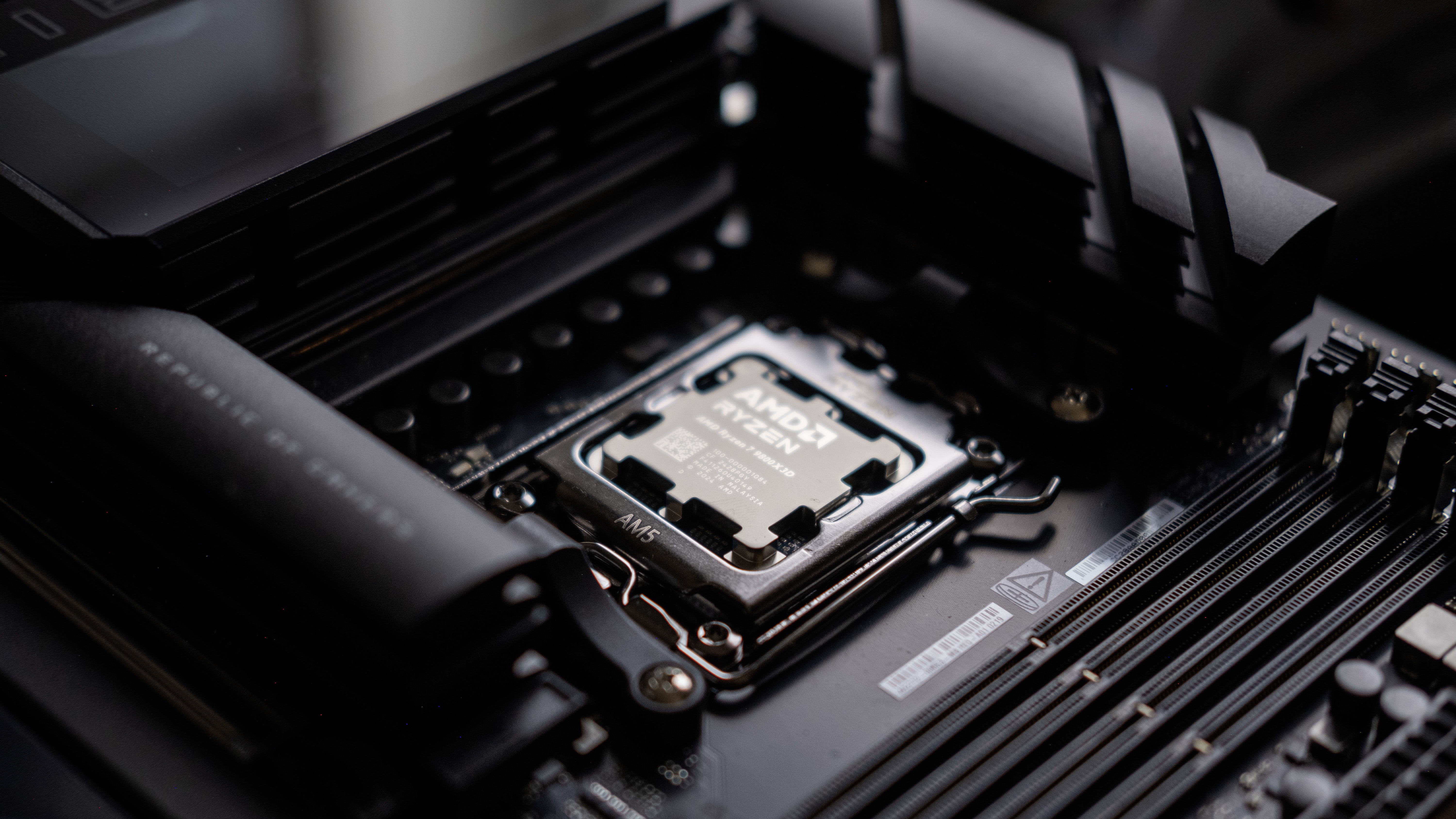

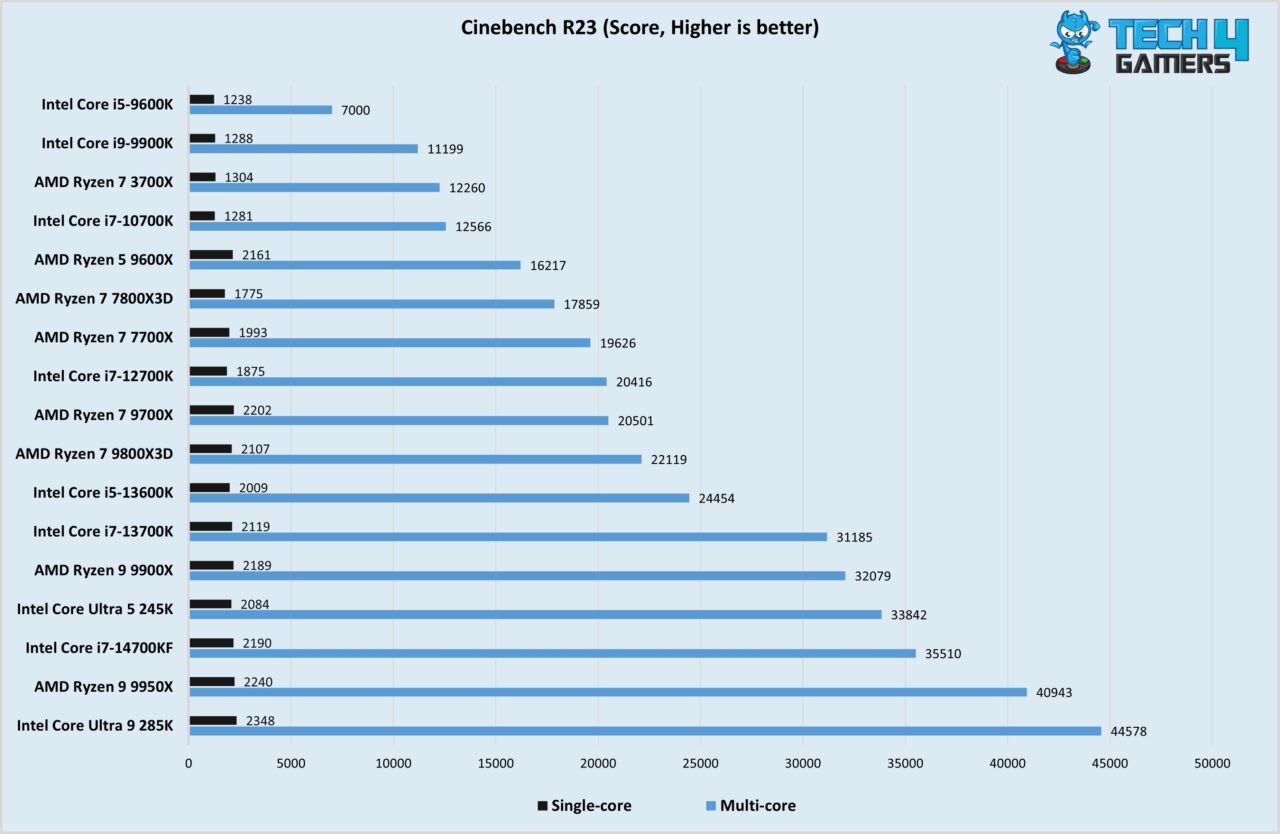
The 6 Best CPUs For Gaming In 2026 Tested With Benchmarks Tech4Gamers Best Budget AMD Gaming CPU 1024x538 . Best Gaming CPU 2026 Top AMD And Intel Processors For Your Next Build DSCF8619 . Best Gaming I7 CPU 2026 Complete Buyer S Guide Featured Image Ybcoz8v8 . The 6 Best CPUs For Gaming In 2026 Tested With Benchmarks Tech4Gamers Best Budget Intel Gaming CPU 300x157 . Best Budget CPUs In 2026 With Gaming Benchmarks Intel Core Ultra 5 245K Cinebench R23 Test Image By Tech4Gamers 1280x834
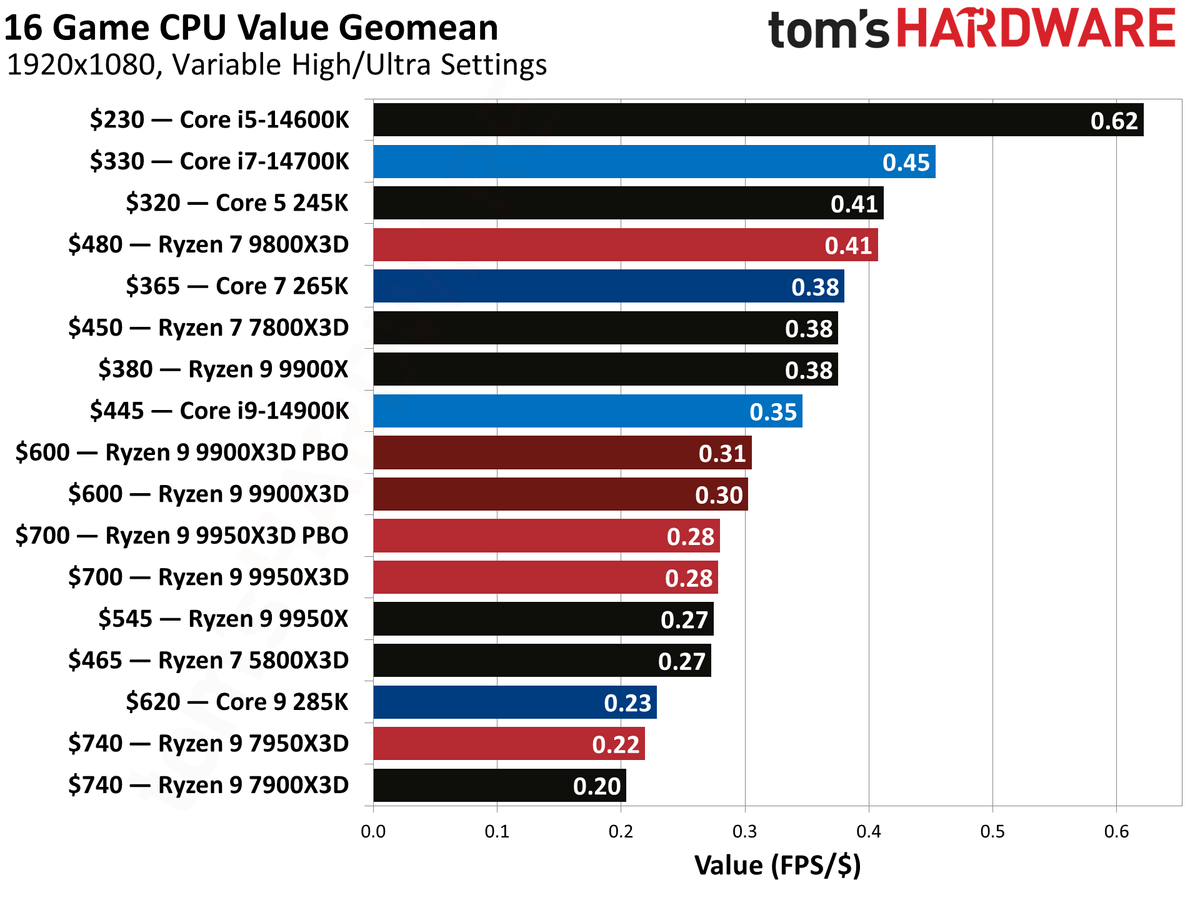


Intel CPU Free Gift Bonanza Extended To Current Gen Ultra Series Get 1200 80 . 8 Best Gaming CPU Reddit January 2026 Community S Top Picks Featured Image 0e7a97lg . Best Gaming CPU 2026 Top Picks For Every Gamer Gaming Cpu.webp. The Best CPU For Gaming 2026 Top AMD Intel Processors For Your Next Best Cpu For Gaming . Miss America 2026 Contestants Spotlight Talent Purpose And Local CIO 1 20 Best Gaming Pc


Best AMD Ryzen APU In 2026 Our Top Picks PC Guide Samsung TV Remote Codes Featured Image 29 . The Intel I386 Turns 40 Years Old 275 000 Transistors Running At 840 80 . Best CPU GPU Combos For Gaming 2026 No Bottlenecks Cpu Bottleneck Calculator. Best Budget CPU In 2026 Our Top Pick Cheap Processors WePC Best Budget Cpu . Ultimate Guide To The Best CPUs For Gaming 2025 Top Processors For Untitled Design 2


The Best Gaming PC Of 2026 Top Prebuilt Desktops Gaming Pc . What S The Best CPU For Gaming 2025 The Definitive Guide YouTube . Best Gaming PCs To Buy In 2024 8ca85 1920 . Which Gaming CPUs Have The Best Price To Performance Ratio PCWorld Battlefield V 720p 1 . Best Gaming Laptops PCs For Battlefield 6 RedSec In 2025 Best Gaming Desktop PC 2025 Main



Best CPUs Of 2024 Intel Vs AMD Gaming Production Budget Vlcsnap 2024 11 21 .webp. Best Graphics Card 2025 Gamers Unchained Best Cpu Cooler . Top 10 Most Anticipated Games Of 2026 What To Watch Out For GAMES IN 2026 . GTPLAYER Gaming Chair Review In 2026 Best Budget Gaming Chair AMD Ryzen 7 5700X3D Review The Best Gaming CPU For High Performance And Budget Gamers . The Best Cheap Gaming Laptops For 2026 Tested For Gaming Top 3 Gaming Laptops Of 2026 - The Ultimate Guide 1200x342


The 6 Best CPUs For Gaming In 2026 Tested With Benchmarks Tech4Gamers BEST CPUs For Gaming . Best PC CPU 2026 Gaming Performance And Tests 41LSnKT1MXL . Best Gaming CPU 2026 8 Processors Tested For Performance Featured Image X6j1w09r . Best Performance CPU 2026 Expert Reviews Gaming Benchmark Best Performance CPU . 8 Best Gaming Ryzen CPU 2026 Tested Benchmarked Featured Image Yvgndb50 300x210