This comprehensive guide will unravel the mysteries of ping, a critical factor in your online gaming experience. We delve deep into understanding what ping truly means for gamers across various genres like FPS, MOBA, RPG, and Battle Royale. Discover optimal ping values for competitive play versus casual enjoyment on platforms like PC, PS5, and Xbox Series X. Learn about the various causes of high ping, including network congestion, Wi-Fi interference, and outdated drivers, which often lead to frustrating FPS drops and stuttering. We provide actionable strategies and expert tips for settings optimization to minimize lag and enhance your connection stability. This guide offers practical solutions for beginners and seasoned pros alike, ensuring smoother gameplay and a competitive edge in 2026. Explore how hardware, internet service providers, and in-game settings all play crucial roles. Understand common pitfalls and advanced techniques to maintain a consistently low ping, making every session more enjoyable.
how much ping for gaming FAQ 2026 - 50+ Most Asked Questions Answered (Tips, Trick, Guide, How to, Bugs, Builds, Endgame)
Welcome, fellow gamers, to the ultimate living FAQ for "how much ping for gaming" in 2026! We understand the frustration of lag and the desire for a seamless online experience. This comprehensive guide has been meticulously updated for the latest network technologies, game patches, and hardware advancements to address over 50 of your most pressing questions. Whether you are battling ping spikes in a Battle Royale, fixing FPS drops in an FPS, or just optimizing your home network for your PS5, Xbox Series X, or PC, you have come to the right place. We will demystify latency, offer practical tips and tricks, expose common myths, and provide solutions for everything from router settings to advanced network configurations. Get ready to conquer lag and elevate your gameplay!
Beginner Questions
What is ping and why does it matter for gaming?
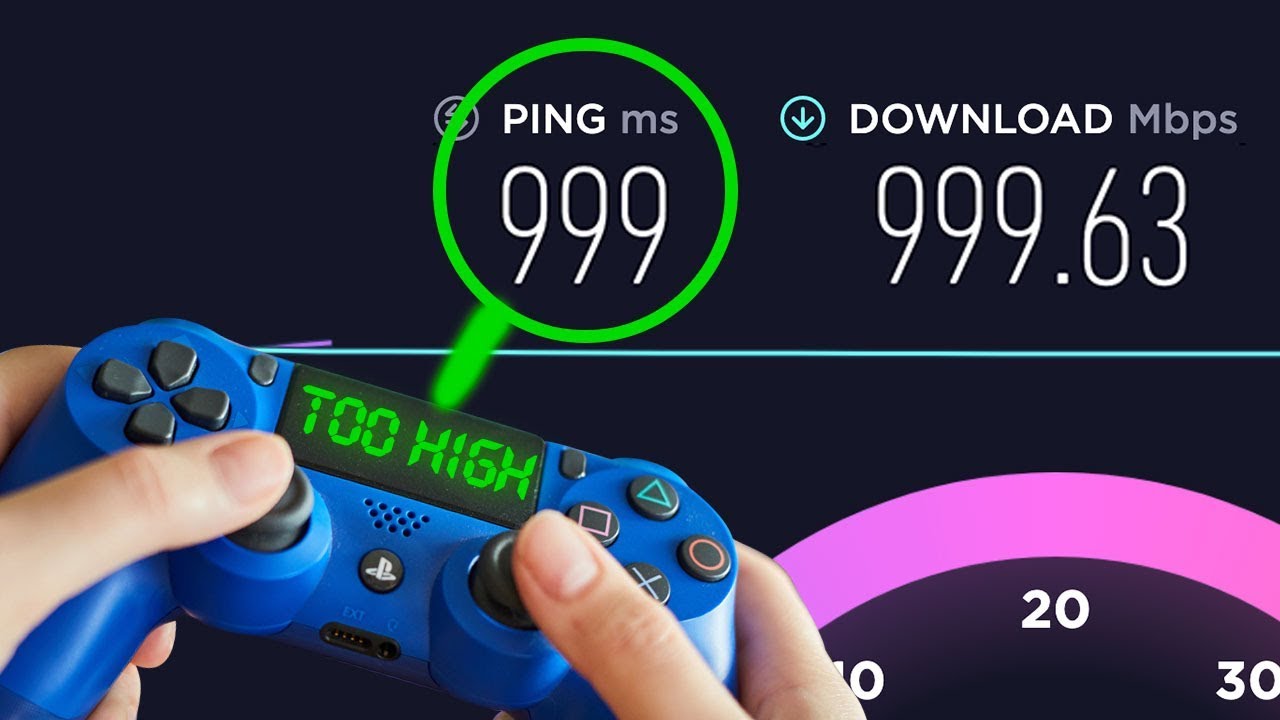
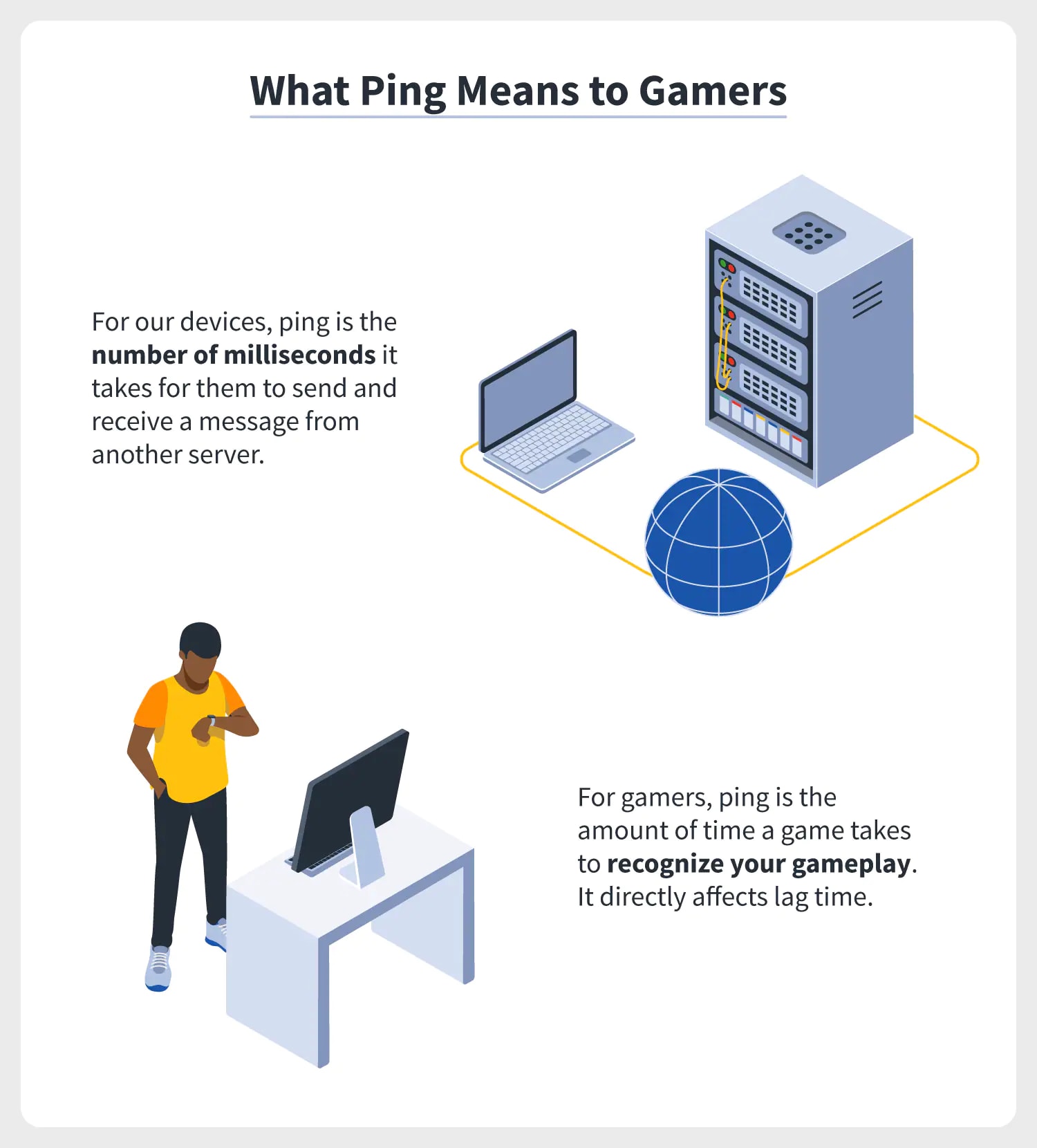
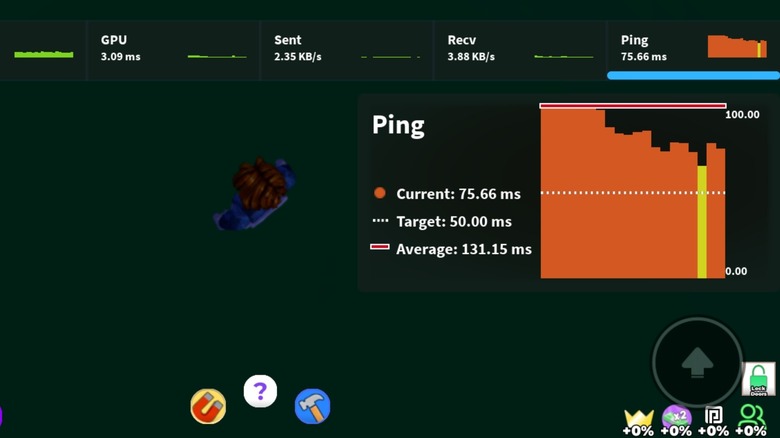
Ping is the measurement of the delay for data to travel from your gaming device to the server and back, expressed in milliseconds (ms). It is crucial because lower ping means faster communication and more responsive gameplay, directly impacting your competitive edge and overall enjoyment in online titles.
What is considered a good ping for gaming?
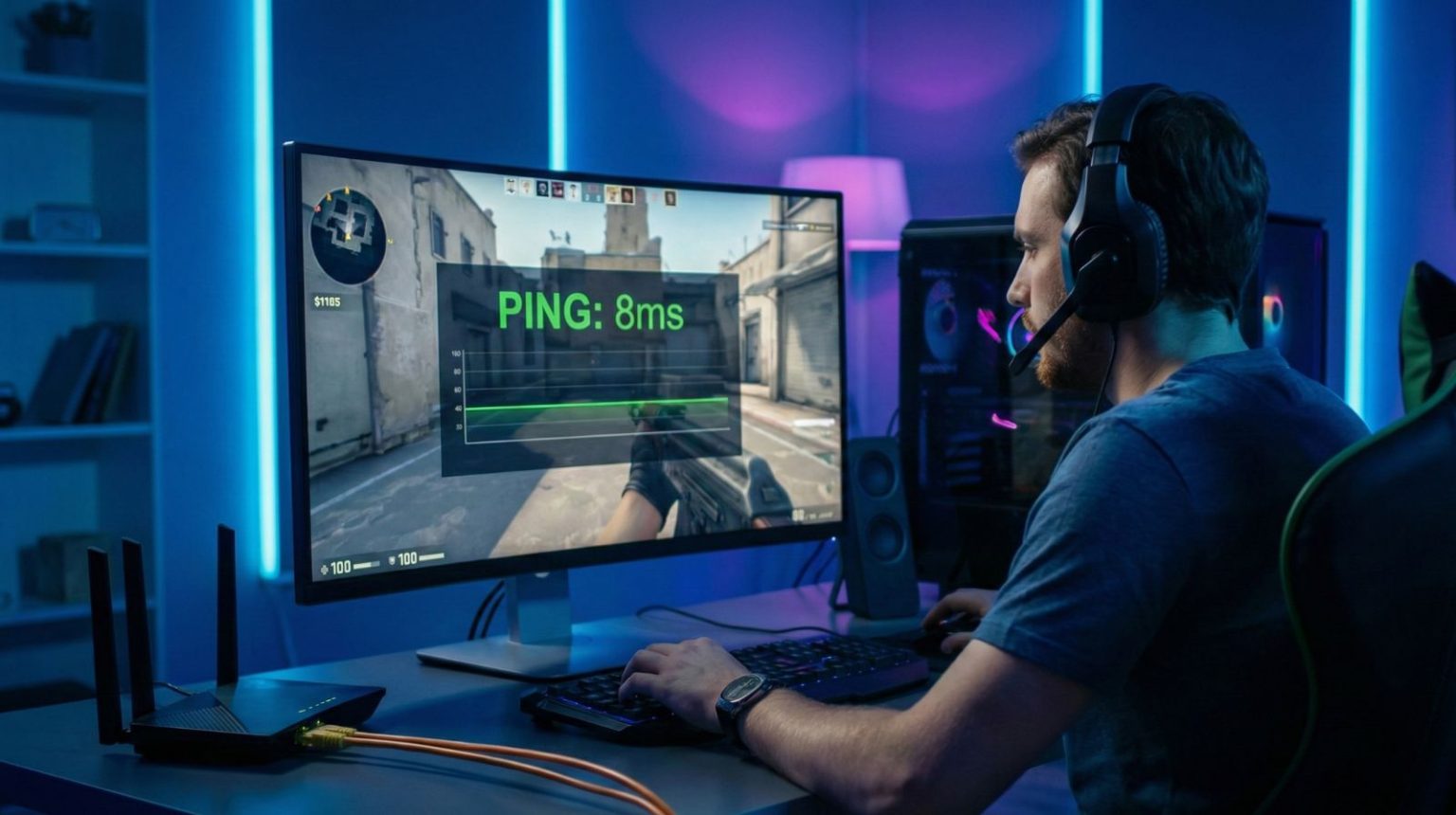
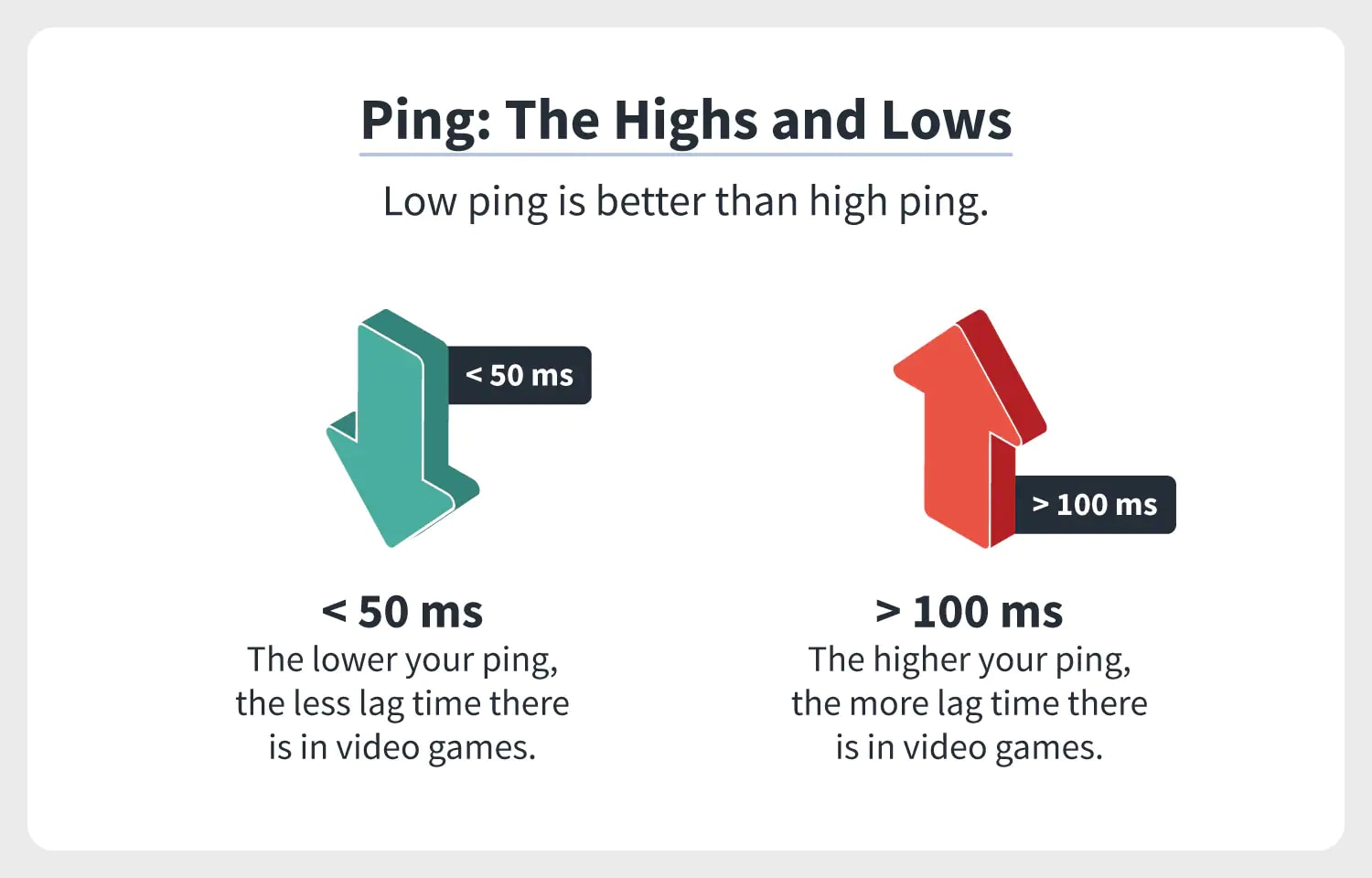
A good ping for competitive gaming is generally under 20ms, offering near-instantaneous reactions. For casual play, 50-100ms is usually acceptable, though any ping consistently over 100ms will introduce noticeable lag and can significantly hinder gameplay.
Does a faster internet speed automatically mean lower ping?
Not necessarily. Internet speed (bandwidth) dictates how much data can pass, while ping (latency) measures how quickly data travels. While sufficient bandwidth is needed, extremely high speeds do not guarantee lower ping; network routing and distance are often more critical factors.
What is lag and how is it different from high ping?
Lag is the general term for any noticeable delay or unresponsiveness in gaming. High ping is a specific cause of lag, referring to network latency. Lag can also be caused by low FPS or hardware issues, but high ping is a primary culprit for online game delays.
Understanding Ping & Latency
How does server location affect my ping?
Server location directly impacts ping because data must physically travel between your device and the game server. The greater the physical distance, the longer the travel time, resulting in higher latency. Choosing servers closer to your geographic region is key for low ping.
What is network jitter and why is it bad for gaming?
Network jitter refers to the variation in ping over time, causing inconsistent delays. It is bad for gaming because it leads to unpredictable stuttering and rubberbanding, making precise movements and reactions difficult even if your average ping is low. This indicates an unstable connection.
What is packet loss and how does it cause lag?
Packet loss occurs when data packets fail to reach their destination. This causes lag because the game client or server must wait for retransmissions, leading to missing information, freezes, or unresponsive controls. It severely disrupts the flow of game data.
Why does my ping suddenly spike during games?
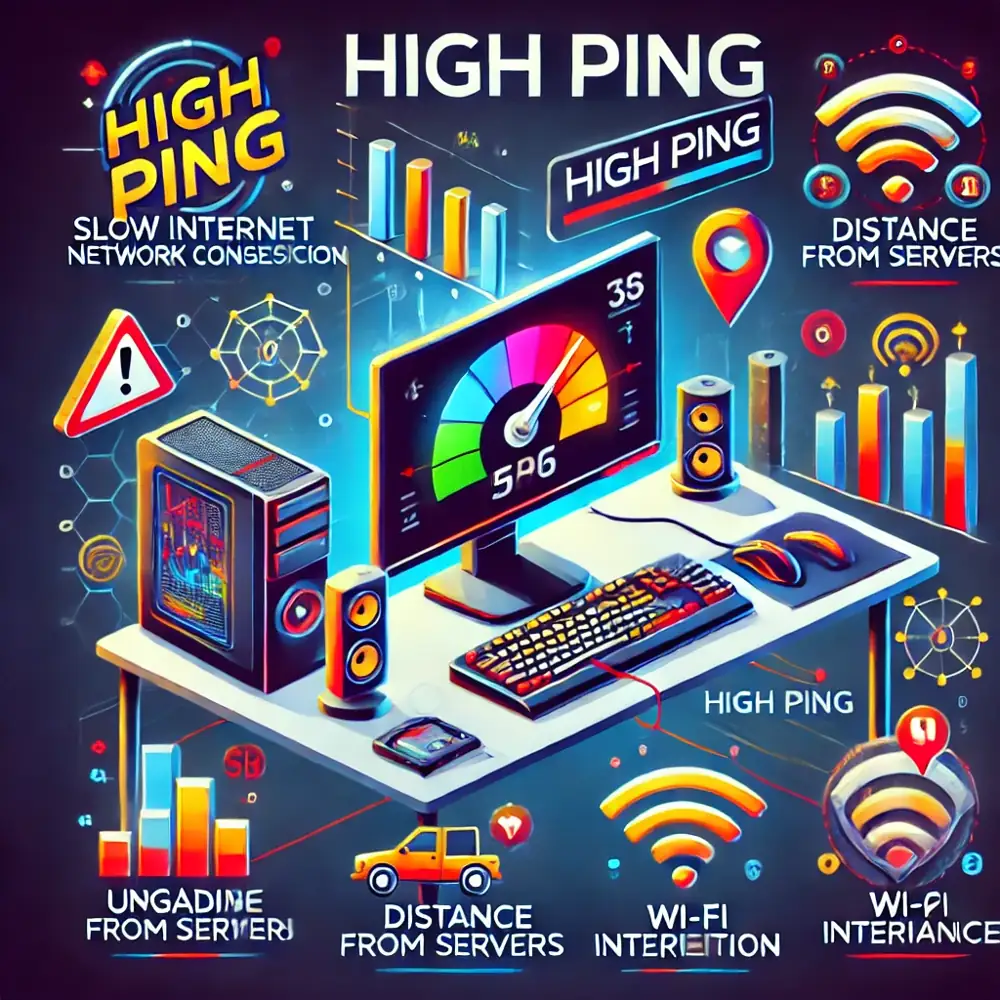
Ping spikes typically occur due to network congestion, Wi-Fi interference, background downloads or updates, or issues with your Internet Service Provider's routing. Sometimes, the game server itself might be experiencing temporary overload. Identifying the exact cause helps in effective troubleshooting.
Optimizing Your Internet & Hardware
Is wired Ethernet truly better than Wi-Fi for gaming ping?
Yes, absolutely. A wired Ethernet connection provides a direct, stable, and significantly more reliable data path compared to Wi-Fi. Wi-Fi is prone to interference, signal degradation, and packet loss, which can lead to unpredictable ping spikes and higher overall latency during gameplay.
What are the best router settings for lower ping?
Optimal router settings include enabling Quality of Service (QoS) to prioritize game traffic, ensuring the latest firmware updates are installed, and possibly using port forwarding for specific games. Using a less congested 5GHz Wi-Fi band can also help if wired is not an option.
Should I update my network adapter drivers regularly?
Yes, regularly updating your network adapter drivers is highly recommended. Outdated drivers can lead to inefficiencies, communication errors, and increased latency. Manufacturers frequently release updates that improve performance, stability, and compatibility for better ping.
Does a new, powerful router help reduce ping?
A new, powerful router can help reduce ping by providing more stable connections, better signal strength, and more efficient traffic management, especially in busy home networks. It won't directly lower ping caused by distance, but it minimizes local network latency and interference.
What role does my ISP play in my gaming ping?
Your ISP plays a critical role in your gaming ping as they control the network infrastructure and routing paths your data takes to game servers. Some ISPs have more optimized routes or better overall network quality, directly influencing your latency even with a fast connection.
In-Game Settings & Software Tweaks
Should I close all background applications while gaming?
Yes, closing all unnecessary background applications, downloads, and streaming services is highly recommended. These programs consume bandwidth and CPU resources, which can increase your ping and cause FPS drops by competing with your game for essential system and network resources.
Does choosing a different game server region always lower my ping?
Choosing a game server region geographically closer to you will almost always result in lower ping due to reduced data travel distance. However, in rare cases, a slightly further server might offer better routing or be less congested, providing a marginally better connection.
Are there any operating system settings I can tweak for lower ping?
On PC, you can tweak Windows network settings by disabling unnecessary network protocols, adjusting power management settings for your network adapter, and ensuring your OS is updated. Using a 'Game Mode' feature can also prioritize game processes, reducing system-related lag.
Can Discord or voice chat software affect my ping?
Yes, voice chat software like Discord can slightly affect your ping, especially if your internet connection is already under strain or your bandwidth is limited. While modern voice chat is efficient, it still consumes a small amount of bandwidth and can contribute to congestion.
Platform Specific Tips PC Consoles Mobile
What are the best ping tips for PC gamers?
PC gamers should prioritize a wired Ethernet connection, keep network and GPU drivers updated, close background applications, and optimize Windows network settings. Utilizing software like QoS on their router and choosing the closest game server are also crucial for optimal ping.
How can PS5 and Xbox Series X users reduce their ping?
PS5 and Xbox Series X users should always use a wired Ethernet connection, ensure console system software is updated, select the closest game server in-game, and pause any background downloads. Optimizing router QoS settings can also prioritize console traffic for better ping.
Are there specific ping considerations for mobile gaming?
Mobile gaming ping is heavily influenced by the quality and congestion of your cellular or Wi-Fi network. Playing on a stable, private Wi-Fi network is usually better than cellular data. Reducing background app usage and staying close to your Wi-Fi router are key for lower latency.
Does gaming on a Switch or Steam Deck have unique ping challenges?
Yes, gaming on a Switch or Steam Deck often relies on Wi-Fi, making them more susceptible to wireless interference and latency. Using a wired adapter for the Switch dock, optimizing your Wi-Fi signal, and playing closer to your router are essential for improving ping on these devices.
Myth vs Reality About Ping
Myth vs Reality: Restarting your router magically fixes all ping issues.
Reality: While restarting your router can resolve many temporary network glitches, refresh your IP, and clear some cached data, it is not a magic fix for all ping issues. Persistent high ping often indicates deeper problems like ISP routing, server distance, or local interference that a simple restart won't solve long-term.
Myth vs Reality: My 1000 Mbps internet means I should have 0 ping.
Reality: This is a common misunderstanding. 1000 Mbps refers to bandwidth (data volume), not latency (data speed). Ping is about the time it takes for data to travel, and even fiber optics have physical limitations. While sufficient bandwidth is crucial, it does not guarantee zero ping; distance and network routing are far more influential.
Myth vs Reality: Gaming VPNs always reduce your ping.
Reality: Gaming VPNs can sometimes reduce ping by rerouting your connection through a more optimized path, bypassing congested ISP routes. However, they can also introduce an extra network hop, potentially *increasing* latency. Their effectiveness varies greatly depending on your location, ISP, and the game server, so results are not guaranteed.
Myth vs Reality: Only competitive players need to worry about ping.
Reality: While competitive players feel the impact of ping most acutely, every online gamer benefits from lower latency. A stable, low ping enhances responsiveness, reduces frustration, and makes any online experience, from casual co-op to story-driven MMOs, significantly more enjoyable and immersive for all players.
Myth vs Reality: My gaming hardware (GPU, CPU) can compensate for high ping.
Reality: Unfortunately, no. While powerful gaming hardware ensures high FPS and smooth client-side performance, it cannot overcome network latency (ping). Your system can process data incredibly fast once it arrives, but it cannot speed up the time it takes for data to travel between your device and the game server. They are separate performance metrics.
Troubleshooting Common Lag Issues
My ping is high only in one specific game. What can I do?
If ping is high in only one game, it likely points to a server-side issue, poor routing from your ISP to that game's specific servers, or an incorrect server region selection. Check in-game settings for server choice, consult community forums for server status, and consider a gaming VPN trial if routing seems problematic.
How do I identify if my ISP is the cause of my high ping?
To identify if your ISP is the cause, run traceroute tests (e.g., with PingPlotter or WinMTR) to game servers. Look for high latency or packet loss consistently at specific hops within your ISP's network or just beyond. Compare results with friends using different ISPs, or contact your ISP with the data.
My internet speed tests show good results, but my ping is still bad in games. Why?
Speed tests often measure bandwidth to a nearby server, not latency or routing to game servers. Good speed test results do not guarantee good ping for gaming. You might have sufficient bandwidth but still experience high latency due to server distance, network congestion, or poor ISP routing to specific game servers.
What is port forwarding, and can it help with ping?
Port forwarding is a router setting that directs specific incoming internet traffic to a particular device on your local network. It primarily improves connection stability and NAT types for multiplayer, but it generally does not directly reduce ping unless a specific game is struggling to establish a stable connection without it.
Advanced Network Configuration
How can I use QoS (Quality of Service) effectively for gaming?
To use QoS effectively, access your router's settings and look for the QoS section. Prioritize your gaming device (PC, console) or specific game traffic. Some routers allow you to prioritize by application or port. This ensures game data gets preferential treatment on your home network, especially during congestion, reducing ping spikes.
What are custom DNS servers, and do they impact ping?
Custom DNS (Domain Name System) servers translate website names into IP addresses. While they can speed up initial connection times for websites and game launchers, they generally have a negligible direct impact on in-game ping. Better DNS can improve overall browsing and connection reliability, but not usually in-game latency itself.
Are there specific router features I should look for to minimize ping?
Look for routers with robust QoS capabilities, multiple high-gain antennas, and a powerful processor for efficient traffic management. Tri-band routers can offer a dedicated 5GHz band for gaming. Features like beamforming and MU-MIMO can improve Wi-Fi efficiency, indirectly contributing to more stable, lower ping. A good gaming router helps.
How does IPv6 impact gaming ping compared to IPv4?
IPv6 potentially offers slightly lower ping than IPv4 because it streamlines network addressing and eliminates the need for Network Address Translation (NAT) that IPv4 often requires. This can reduce a few milliseconds of latency. However, its impact is often minor compared to other factors like server distance and network congestion.
Future of Gaming Latency 2026 and Beyond
How will cloud gaming services like GeForce Now evolve to tackle ping?
Cloud gaming services are rapidly evolving by deploying more localized server clusters, leveraging edge computing, and implementing advanced video compression and prediction algorithms. In 2026, we expect even lower latency streaming, but the physical distance to the nearest data center will always impose a fundamental ping barrier that cannot be entirely eliminated. Optimized routing helps.
Will next-gen AI network optimization reduce ping automatically?
Next-gen AI network optimization, as seen in 2026 with models like o1-pro analyzing real-time traffic, can intelligently route data, prioritize gaming packets, and predict network congestion. While it won't break the laws of physics, AI can significantly reduce *unnecessary* latency and provide more stable, consistently lower ping by making smarter routing decisions in complex networks.
How might game engine advancements reduce the perception of lag?
Game engine advancements in 2026 are focusing on client-side prediction, rollback netcode, and intelligent interpolation techniques. These technologies help mask latency by predicting player actions and correcting them if needed, creating a smoother *perceived* experience even with some underlying ping. This doesn't reduce actual ping but improves the feeling of responsiveness.
What new hardware innovations are coming in 2026 to tackle ping?
In 2026, hardware innovations targeting ping include routers with dedicated gaming processors, advanced network interface cards (NICs) with ultra-low latency chipsets, and further integration of 5G and Wi-Fi 7 technologies for faster local wireless. ISPs are also expanding fiber optic networks to reduce core network latency, creating a faster global backbone for gaming traffic.
Endgame Strategies for Pro Gamers
What advanced network monitoring tools do pros use to diagnose latency?
Pro gamers and network engineers utilize advanced tools like PingPlotter, WinMTR, and specialized network analyzers to perform continuous traceroutes and packet inspections. These tools help identify specific network hops experiencing high latency or packet loss, pinpointing the exact source of performance issues beyond simple in-game ping displays.
How do pro teams ensure optimal ping during tournaments?
Pro teams ensure optimal ping by using dedicated, isolated, and fully wired Ethernet connections in controlled environments. They often have direct, private fiber lines to tournament servers, minimizing any external network variables. Redundant connections and constant network monitoring are also standard practice to prevent any unexpected latency spikes.
Is there a difference in ping optimization between FPS and MOBA games for pros?
While the goal is always low ping, the *tolerance* for latency might vary slightly. In FPS games, extremely low ping (under 10ms) is paramount for hit registration and instant reaction. In MOBAs, consistent stability and absence of jitter/packet loss are equally crucial for precise spell timing and execution, even if ping is 20-30ms.
What should I look for in a gaming ISP to guarantee low ping?
To guarantee low ping, look for an ISP offering a pure fiber optic connection directly to your home. Research their peering agreements and routing paths to popular game servers. Inquire about business-grade internet packages, which often come with better SLAs and less contention, offering a more stable and lower latency connection than standard residential plans. Ask for specific gaming services.
Still have questions? Dive deeper into our guides on 'Optimal Gaming Router Settings 2026' or 'Fixing FPS Drops and Stuttering in Next-Gen Games' for more expert insights!
How much ping for gaming is actually considered good? This question haunts every serious gamer, creating frustration and endless forum debates. You're diving into a high-stakes match, anticipating every move, then suddenly your character freezes. That dreaded lag spike hits, and your perfect shot misses its mark. We've all been there, staring at that tiny number on the screen, wondering what it truly means. Understanding ping is not just about a number; it is about reclaiming control over your gaming experience. This guide will help you understand the magic behind a low ping. We will explore how your connection directly influences your performance. Get ready to transform your gameplay for good.
What is Ping and Why Does it Matter to Gamers?
Ping, often measured in milliseconds or 'ms', represents the time it takes for data to travel from your gaming device to a server and back. This round-trip time is essentially your network's reaction speed. A lower ping means faster communication between you and the game world, which is absolutely critical. Imagine playing a fast-paced FPS game; every millisecond counts when you are aiming for a headshot. In a MOBA, precise spell timing can decide an entire team fight's outcome. For Battle Royale titles, reacting instantly to enemy footsteps is paramount for survival. Even in a sprawling RPG or MMO, low ping reduces input delay, making character movements feel much more fluid. This connection speed directly impacts your ability to compete and truly enjoy your game.
High ping, on the other hand, causes noticeable lag and frustrating stuttering, hindering your ability to perform effectively. Your character might teleport across the screen or your shots might not register accurately, leading to unfair losses. This disadvantage makes the game much less enjoyable. Understanding ping is the first step toward optimizing your entire gaming setup. From PC to PS5 and Xbox Series X, everyone benefits from a stable, low-latency connection. Even casual players seek smoother experiences, eliminating those infuriating moments. This guide offers essential tips for reducing lag.
Understanding the Numbers What's a Good Ping for You?
Defining 'good ping' depends heavily on your specific gaming habits and the genre you are playing. Generally, lower numbers are always better, but realistic expectations are important. Most gamers aim for ping below 50ms for a smooth experience. For truly competitive play, this threshold becomes much stricter. Knowing your ideal range helps in settings optimization and troubleshooting. Different platforms and internet setups will yield varying results. Casual players have more leeway than a ranked pro.
The Sweet Spot Competitive Gaming
For serious competitive gaming, whether it's an FPS like Valorant or a MOBA like League of Legends, a ping of 0-20ms is the elite standard. This range offers virtually no noticeable delay, allowing for instant reactions and precise movements. A ping between 20-50ms is still considered very good, providing a solid and competitive experience for most players. Anything above 50ms can start to introduce a perceptible delay, putting you at a significant disadvantage in high-stakes Ranked matches. Pro players meticulously optimize their entire setup to achieve these low numbers. They often choose a wired connection.
Acceptable for Casual Play
If you are a casual gamer enjoying a story-driven RPG or a cooperative PVE MMO, a ping between 50-100ms is generally quite acceptable. While you might notice very slight delays, it will not severely impact your enjoyment or performance. However, once your ping consistently goes above 100ms, you will experience significant lag and stuttering, making gameplay frustrating. Many games become unplayable past 150ms. Aiming for under 80ms is a great target for most casual online gaming. Reducing these delays enhances immersion for all players.
Common Culprits Behind High Ping and Lag
Identifying the root cause of high ping is crucial for effective troubleshooting and achieving that coveted low latency. Several factors can conspire to slow down your connection. These issues often combine, creating a frustrating experience. Your network environment plays a huge role in performance. Understanding these problems helps you implement the right fix. Each component impacts the final result.
Your Internet Service Provider ISP
Your ISP plays a fundamental role in your internet speed and, consequently, your ping. The quality of your internet package, the type of connection (fiber, cable, DSL), and even regional infrastructure can all affect latency. Some ISPs have better routing to game servers than others. Always ensure your internet plan meets the demands of online gaming, focusing more on upload stability than just raw download speed. A reliable ISP is your first line of defense against high ping.
Your Home Network Setup
The equipment inside your home can also be a significant source of ping issues. An older router, improper Wi-Fi placement, or too many devices connected simultaneously can all degrade performance. Wi-Fi interference from other electronics or neighboring networks is a common problem. Using a wired Ethernet connection is almost always superior to Wi-Fi for gaming. Consider upgrading old networking gear if you consistently face issues. A solid home network is fundamental.
Game Servers and Your Geographic Location
The physical distance between your location and the game server dramatically impacts ping. Data simply takes longer to travel further. Always try to connect to game servers that are geographically closest to you, even if it means playing with friends in a different region on occasion. Server load can also influence ping; if a server is overpopulated or experiencing technical difficulties, everyone's latency can suffer. Choosing the right server is a key strategy.
Proven Strategies for Ping Optimization
Now that we have covered the basics and common causes, let us dive into actionable steps to reduce your ping and fix those annoying FPS drops and stuttering issues. Implementing these strategies can significantly improve your gaming experience. These tips apply to various platforms. A focused approach yields the best results. Each suggestion contributes to a smoother game.
Wired is Always Better
Connecting your gaming PC, PS5, or Xbox Series X directly to your router with an Ethernet cable is the single most effective way to reduce ping and increase connection stability. Wi-Fi introduces inherent latency and is susceptible to interference, leading to unpredictable spikes. An Ethernet connection provides a direct, consistent data path, minimizing signal loss and ensuring every millisecond counts. This simple step often yields the most dramatic improvements. It is a fundamental choice for any serious gamer. Investing in a good cable is smart.
Optimize Your Router Settings
Your router is the gateway to your internet, and proper configuration can work wonders. Look for Quality of Service (QoS) settings which allow you to prioritize gaming traffic over other activities like streaming or downloads. Ensure your router's firmware is up to date, as manufacturers frequently release updates that improve performance and security. Consider port forwarding specific games if recommended, but proceed with caution. Experiment with 5GHz Wi-Fi bands for less congestion if a wired connection isn't feasible. These adjustments enhance network efficiency. Consult your router's manual for guidance.
Update Your Drivers and Software
Outdated network drivers on your PC can cause significant latency issues and even FPS drops. Always ensure your Ethernet or Wi-Fi adapter drivers are current. Similarly, keeping your GPU drivers updated is crucial for preventing FPS drops, which can feel like lag even if your ping is low. Beyond drivers, make sure your operating system and game clients are fully updated. These software checks often resolve underlying performance problems. Regular maintenance keeps your system running smoothly. It is a crucial part of settings optimization.
Close Background Applications
Many applications running in the background consume bandwidth and CPU resources without you even realizing it. Streaming services, cloud storage syncs, large downloads, or even browser tabs can quietly hog your internet connection, driving up your ping. Before you launch your game, take a moment to close unnecessary programs. Use your task manager to identify resource-intensive applications and shut them down. This simple step frees up valuable network and system resources. It truly improves your gaming experience.
Choose the Right Server Region
Most online games allow you to select your preferred server region. Always choose the server geographically closest to your physical location. Playing on an Australian server from the USA, for example, will inevitably result in extremely high ping due to the vast distance data must travel. While playing with friends in distant regions can be fun, be prepared for increased latency. This choice is often the easiest and most impactful way to reduce ping. It ensures the fastest data transfer.
Consider a Gaming VPN or Boosters
For some players, particularly those experiencing inconsistent routing from their ISP, a specialized gaming VPN or connection booster service can potentially help. These services often reroute your internet traffic through optimized pathways to game servers, sometimes resulting in lower and more stable ping. However, results vary wildly, and sometimes a VPN can actually increase latency. Research reputable services and try their trials before committing. This is an advanced strategy for specific scenarios. It is not a universal fix.
Gaming Across Platforms PC PS5 Xbox and More
While the core principles of ping optimization remain universal, each gaming platform has unique considerations and settings. Whether you are a dedicated PC enthusiast, a console loyalist on PS5 or Xbox Series X, or even dabbling in VR or Switch gaming, specific tweaks can further improve your experience. Understanding these platform-specific nuances is key. Every system offers different pathways for improvement. Apply these tips to your favorite device.
PC Gaming Specifics
PC gamers have the most control over their system, allowing for extensive settings optimization. Beyond driver updates, consider optimizing your Windows network settings, disabling unnecessary network protocols, and using tools to monitor network usage. Ensure your gaming mouse and mechanical keyboard drivers are up-to-date for responsive input. A high-end gaming PC with powerful components can also process game data faster, reducing client-side lag even with stable ping. For pro players, every detail matters. Utilize your hardware for peak performance.
Console Gaming PS5 Xbox Series X
Console players on PS5 and Xbox Series X have fewer direct network settings to tweak but can still significantly improve their ping. Always prioritize a wired Ethernet connection. Ensure your console's operating system is fully updated, as these updates often include network performance improvements. Check in-game settings for server region selection. Use your console's built-in network test to monitor connection quality regularly. Keeping background downloads paused is also crucial. These steps provide a smoother console experience for everyone. It works for both Beginner and Casual players.
The AI Mentor's Deep Dive 2026 Ping Q&A
Hey there, future-proof gamers! As your friendly AI engineering mentor, I have seen countless questions about network latency, and honestly, ping optimization remains a cornerstone of a great gaming experience. Let's tackle some of the most pressing questions you're likely asking in 2026. We will dive deep into why some things work, and some are just old myths. You're trying to achieve that competitive edge, and I'm here to guide you. Let's get these ping questions sorted out for good!
Beginner / Core Concepts
1. Q: What exactly is ping, and why is it so important for my online gaming?
A: I get why this confuses so many people, especially when you're just starting out in online gaming. Ping, in simple terms, is the network latency or delay it takes for data to travel from your computer to the game server and back again. It's measured in milliseconds (ms), and this tiny number dictates how quickly your in-game actions register with the server. A lower ping means less delay, which translates into a smoother, more responsive gaming experience where your commands happen almost instantly. Think of it like a conversation: high ping is like talking to someone with a bad cell signal where there's a noticeable pause after every sentence. For competitive games, even a small difference can be crucial for reacting faster than opponents. You've got this!
2. Q: What is a 'good' ping value, like, what should I be aiming for in games?
A: This one used to trip me up too, because 'good' is a bit relative, right? Generally, for any serious online gaming, you're really aiming for anything below 50ms. If you can consistently hit under 20ms, you're in the 'excellent' zone, practically feeling instantaneous. For casual play, 50-100ms is usually acceptable, though you might notice tiny delays. Anything consistently over 100ms starts to feel pretty laggy and can significantly impact your enjoyment, especially in fast-paced FPS or MOBA games. Don't stress too much if you can't hit single digits; stability is often more important than the absolute lowest number. Keep striving for that low ping!
3. Q: Does my internet speed, like 100 Mbps or 1 Gbps, directly affect my ping?
A: This is a common misconception, and I totally understand why it's confusing. While a super-fast download/upload speed (like 1 Gbps) is awesome for downloading games quickly or streaming in 4K, it doesn't *directly* determine your ping. Ping is about *latency* (how fast data travels), not *bandwidth* (how much data can travel). Think of it like a highway: bandwidth is how many lanes you have, while ping is the speed limit and how many traffic lights there are. You can have a 10-lane highway, but if the speed limit is low and there's a lot of congestion, your trip still takes a while. So, yes, you need *enough* bandwidth, but simply having *more* doesn't guarantee lower ping. You're on the right track!
4. Q: Why do I sometimes see 'FPS drops' when my ping is also high? Are they related?
A: That's an astute observation, and yes, they absolutely can be related in a frustrating feedback loop! While ping (network delay) and FPS (frames per second, your computer's rendering speed) are distinct metrics, a struggling network connection (high ping) can indirectly strain your CPU, especially if it's constantly trying to re-sync with the server or handle dropped packets. This extra processing load can then *cause* your FPS to drop. Conversely, a low FPS can make high ping *feel* even worse, as your screen updates slowly, exacerbating the perceived lag. So, addressing one can often help the other! Keep an eye on both indicators. You've got this!
Intermediate / Practical & Production
5. Q: My Wi-Fi is strong, but my ping is still high. Should I really use an Ethernet cable?
A: I totally get wanting to stick with the convenience of Wi-Fi, but honestly, yes, you should absolutely try an Ethernet cable. Even with a strong Wi-Fi signal, wireless connections are inherently less stable and more prone to interference from other devices, neighboring networks, and even physical objects. This interference causes packet loss and jitter, leading to inconsistent ping spikes that can ruin your game. An Ethernet cable provides a direct, dedicated, and significantly more stable connection to your router, bypassing all those potential wireless hiccups. It's truly the single most impactful step for reliable low ping. Give it a shot; you won't regret it!
6. Q: What router settings should I check or change to try and improve my ping?
A: Great question! Your router is your network's brain, so optimizing it can make a big difference. First, check for Quality of Service (QoS) settings; this allows you to prioritize gaming traffic over other devices or activities on your network. Second, ensure your router's firmware is always up to date; manufacturers often release updates that improve performance and fix bugs. Third, try to use the 5GHz Wi-Fi band if you're still on wireless, as it's typically less congested than 2.4GHz, though it has less range. Lastly, consider disabling Universal Plug and Play (UPnP) and manually forwarding ports if specific games recommend it, but be cautious with port forwarding. Experiment wisely! Try these tomorrow!
7. Q: I've heard about updating network drivers. How do I do that, and does it really help?
A: Oh, updating drivers is one of those 'boring but essential' tasks, and yes, it absolutely helps, especially for network performance. Outdated network drivers can cause all sorts of communication inefficiencies between your computer's hardware and the operating system, leading to higher latency or instability. To do it, for Windows, you typically go to Device Manager, find your Network adapters, right-click, and select 'Update driver.' You can also visit your computer or network adapter manufacturer's website for the latest versions. It's a bit like giving your car a tune-up; everything just runs smoother afterward. Don't skip this step for optimized network stability!
8. Q: Does having background applications or downloads running actually affect my ping?
A: You bet they do! This is a super common culprit for unexpected ping spikes and general network sluggishness. Every background application, especially those streaming video, downloading files, or even cloud backup services, competes for your internet's bandwidth. When your network is saturated, there's less 'room' for your game's critical data packets to travel quickly, causing delays and higher ping. Even browser tabs with auto-refreshing content can consume resources. Before a gaming session, make it a habit to close everything unnecessary. You'll be amazed at the difference a clean slate makes for your latency! You've totally got this.
9. Q: Is picking the 'closest' server always the best option for low ping in games?
A: Generally, yes, absolutely! It's a fundamental truth of network physics: data simply takes longer to travel greater distances. The closer the game server is geographically to your physical location, the less 'travel time' for your data packets, resulting in lower ping. However, there's a tiny nuance: sometimes the 'closest' server geographically might have worse routing paths from your specific ISP, or it might be overloaded. In those rare cases, a slightly further server with better infrastructure or less congestion *might* offer slightly better ping. But as a rule of thumb, always start with the closest. It's usually your best bet for optimal network stability!
10. Q: My friends across the country have lower ping than me on the same game. Why is that?
A: I totally understand how frustrating and confusing that can be, like, what's going on?! There are a few key reasons. First, their ISP might have better routing to the game server than yours. It's not always about raw speed; it's about the path data takes. Second, their home network setup could be more optimized (wired vs. Wi-Fi, better router). Third, and this is a big one for 2026, proximity to next-gen fiber optic hubs or specialized gaming infrastructure plays a role. Even if you're both in the same country, specific regional network density can differ. Don't compare yourself too harshly, but use it as motivation to optimize *your* setup! You'll get there!
Advanced / Research & Frontier 2026
11. Q: What role do 'jitter' and 'packet loss' play in perceived lag, even with low ping?
A: This is where we get into the subtle but crucial distinctions that even seasoned pros sometimes overlook! Even if your *average* ping is low, high 'jitter' (inconsistent ping, varying wildly from moment to moment) and 'packet loss' (when data packets don't arrive at all) can make a low ping *feel* terrible. Jitter causes micro-stutters and rubberbanding, making movement feel unpredictable. Packet loss means critical game information (like your exact position or a button press) is missing, leading to freezes or unresponsive controls. These are often signs of network instability, like Wi-Fi interference or an overloaded connection. Monitoring these metrics is key for a truly smooth experience. Keep digging; you're doing great!
12. Q: Are gaming VPNs or specialized 'game booster' software actually effective in 2026?
A: This is a fascinating area, and the answer, even in 2026 with frontier models like o1-pro analyzing network routes, is still 'it depends!' Gaming VPNs *can* sometimes reduce ping by rerouting your connection through a more optimized path to the game server, bypassing congested or poorly routed ISP networks. However, they also introduce an extra hop, which *can* increase latency. Modern game boosters, leveraging AI analysis, might prioritize game traffic better or optimize system resources, but their impact on network ping itself is often minimal if your underlying connection is already good. They're niche solutions, worth a trial if you've exhausted other options, but not a magic bullet. Stay critical!
13. Q: How will 5G and next-gen satellite internet (like Starlink) impact gaming ping?
A: This is a truly exciting frontier for 2026 and beyond! 5G, particularly millimeter-wave, offers incredibly low *local* latency and high bandwidth, making it fantastic for mobile gaming and potentially fixed-wireless home internet in dense areas. Its challenge for *gaming ping* lies in the backhaul to distant game servers. Next-gen satellite internet, like Starlink, is revolutionary for rural areas, offering significantly lower ping than previous satellite tech. However, physics dictates that data traveling to space and back will always have a baseline latency higher than fiber optic. While vastly improved, fiber will likely remain king for absolute lowest ping. Still, these are game-changers for accessibility! You're thinking ahead!
14. Q: Can my powerful gaming PC or console somehow 'overcome' high ping with brute force?
A: That's a great question about the interplay of hardware and network! Unfortunately, no, even the most beastly PC with an RTX 5090 or a super-optimized PS5/Xbox Series X can't brute-force its way past network latency. Ping is a measure of the *time it takes for data to travel* between your machine and the server. Your powerful hardware can process that data incredibly fast *once it arrives*, rendering beautiful graphics at high FPS. But it can't magically speed up the internet itself. Think of it: a Ferrari is super-fast, but it still gets stuck in traffic. A powerful machine enhances the *experience* by ensuring client-side performance, but server-side communication is still bottlenecked by ping. Keep optimizing everything!
15. Q: What advanced network monitoring tools should I use to diagnose subtle ping issues?
A: Excellent question for someone looking to truly master their network! For advanced diagnosis, you'll want to go beyond simple in-game ping displays. Tools like PingPlotter or WinMTR are fantastic for running traceroutes that show you the latency and packet loss at *every hop* between your device and the game server. This can help pinpoint if the issue is with your local network, your ISP's routing, or even the game server's upstream. NetLimiter can help you manage bandwidth usage of specific applications. For local network analysis, your router's diagnostic logs can offer insights into Wi-Fi interference or connection drops. Knowledge is power here! Try these tomorrow and let me know how it goes.
Quick 2026 Human-Friendly Cheat-Sheet for This Topic
- Go Wired: Always use an Ethernet cable for gaming; it's the ultimate ping killer.
- Close Background Apps: Shut down anything unnecessary before you launch your game.
- Update Drivers: Keep your network and GPU drivers fresh for optimal performance.
- Router Tune-Up: Check QoS settings and ensure your router firmware is always updated.
- Server Smart: Always pick the game server geographically closest to you.
- Monitor Jitter: Use tools like PingPlotter to spot unstable connections, not just average ping.
- Internet Plan: Ensure your ISP package offers stable upload and download, not just high numbers.
Understanding ping's impact on FPS and lag. Identifying causes of high ping and stuttering. Optimizing network settings for lower latency. Best practices for gaming on PC, PS5, Xbox Series X. Improving internet connection and router configurations. Driver updates and software settings for peak performance. Genre-specific ping considerations for competitive play. Mastering network stability for a superior gaming experience.
35)


What Is A Good Internet Speed For Gaming 2026 Cable TV Info Filters Quality(75). Why Is PING So Important For Online Gaming YouTube . Miglior Ping Per Gaming Guida Per Eliminare Il Lag E Vincere Ping Gaming Online 1536x860 . Top 10 Most Anticipated Games Of 2026 What To Watch Out For GAMES IN 2026 . What Is A Good Internet Speed For Gaming 2026 Cable TV Info What Is A Good Internet Speed For Gaming


Ping Ping Ms Gaming.webp. Ping Pong Table Space Calculator Find The Right Room Size Table Ping Pong Table Space Calculator Find The Right Room Size . What Is 55Ms Ping At Marge Bush Blog Ping The Highs And Lows . What Is Ping Gaming YouTube . High Ping Gaming How To And Fix It Quickly Ping Test 1.webp


How To Lower Ping And Ultimately Reduce Lag In Video Games Norton What Ping Means To Gamers . Xbox Game Pass In 2026 The Full List Of Everything Announced So Far Large . Ping In Ms What It Means And How To Improve It Ping For Gaming.webp. How To Choose A Gaming Monitor In 2026 Complete Gaming Monitor Buying Gaming Monitor Guide 2026. PING 2025 I240 9 4 PING Img Ping G440k 2026 Thum.webp





Gamescom 2026 All Confirmed Major Game Demos Deltia S Gaming EA FC 26 Pre Order Bonus Leaked For All Editions . Ping S259 Wedges Everything You Need To Know National Club Golfer Ping S259 Wedges . Ping G440 Fairway Woods And Hybrids The Ideal Metalwoods National Ping G440 Fairway Woods 1536x1024 . Gaming Ping Impact On Competitive FPS Performance Gaming Ping Impact On Competitive FPS Performance . 2026 Schedule Announced PING Junior Golf Tour PING IGpost 1 Scaled


What Does Ping Mean In Gaming And Why Does It Matter What Causes High Ping In Gaming 1741001339 . Steam Games High Ping Fix Reduce Latency 2026 Mk1 Ping . TOP 21 NEW Upcoming Games Of 2026 YouTube . Membership 2026 PING Junior Golf Tour PINGNJG IGpost 1638x2048 . Best Ping Drivers 2026 Drive With Precision And Distance National Ping G440 Drivers




How To Perform A Game Ping Test And Reduce High Ping For Better Gaming Valorant 1.webp. All Video Games Releasing In 2026 2026 Video Game Release Dates Post Feature Image . Ping Has Released Their Latest Irons For 2025 Here S Everything You Ping I240 Irons 2025 Fi . PING Spins Up S259 Wedges For 2026 MyGolfSpy PingS259 USGA 768x538 . 20 Games Are Already Confirmed For Xbox Game Pass In 2026 Pure Xbox 20plus Games Are Already Confirmed For Xbox Game Pass In 2026.large



How To Fix High Ping On Servers In 2026 Fix High Ping On Servers In 2026 . Ping New Releases For 2026 Golf Equipment Clubs Balls Bags . The Ultimate Guide To VPNs For Gaming Ping Security And Top Choices Problemas Vpn Gaming.webp. Latest Steam Update Lets You Check If You Have Secure Boot On Just In Intel At CES 2026 Panther Lake Laptop Gaming . Ping S259 Wedges NEW Model For 2026 Reviewed Ping S259 Wedges Review