Game engines are the foundational software frameworks that empower developers to create the immersive virtual worlds we love. They provide essential tools and functionalities like rendering graphics, handling physics simulations, managing audio, and processing user input. Understanding game engines is crucial for anyone keen on entering game development or simply appreciating the complexity behind their favorite RPG or Battle Royale titles. In 2026, these powerful tools continue to evolve rapidly, integrating advanced AI for procedural content generation and leveraging cloud computing for unprecedented scalability. From indie developers using accessible engines to major studios pushing the boundaries with proprietary technology, the choice and mastery of a game engine dictate much of a game's technical prowess and creative potential. This guide will navigate you through the core concepts, historical significance, and future trends of game engines, helping you grasp their vital role in shaping the interactive entertainment landscape. Explore how these engines enable everything from seamless FPS action to complex MMO environments, optimizing performance and graphical fidelity for players worldwide.
What Are Game Engines FAQ 2026 - 50+ Most Asked Questions Answered (Tips, Trick, Guide, How to, Bugs, Builds, Endgame)
Welcome to the ultimate living FAQ for game engines, meticulously updated for 2026 and beyond! This comprehensive guide aims to tackle over 50 of the most frequently asked questions about game engines, from beginner queries to advanced development challenges. Whether you're grappling with settings optimization for better FPS, trying to understand lag, or diving into complex engine builds, we've got you covered. We've scoured forums, community hubs, and developer discussions to bring you concise, actionable answers, complete with pro tips and tricks. Consider this your go-to resource for navigating the dynamic world of game development tools, ensuring your projects run smoothly and efficiently. We'll demystify common bugs, guide you through optimal builds, and provide strategies for achieving endgame-level performance, no matter your chosen engine or genre. Let's conquer those development hurdles together!
Beginner Questions & Core Concepts
What is a game engine fundamentally?
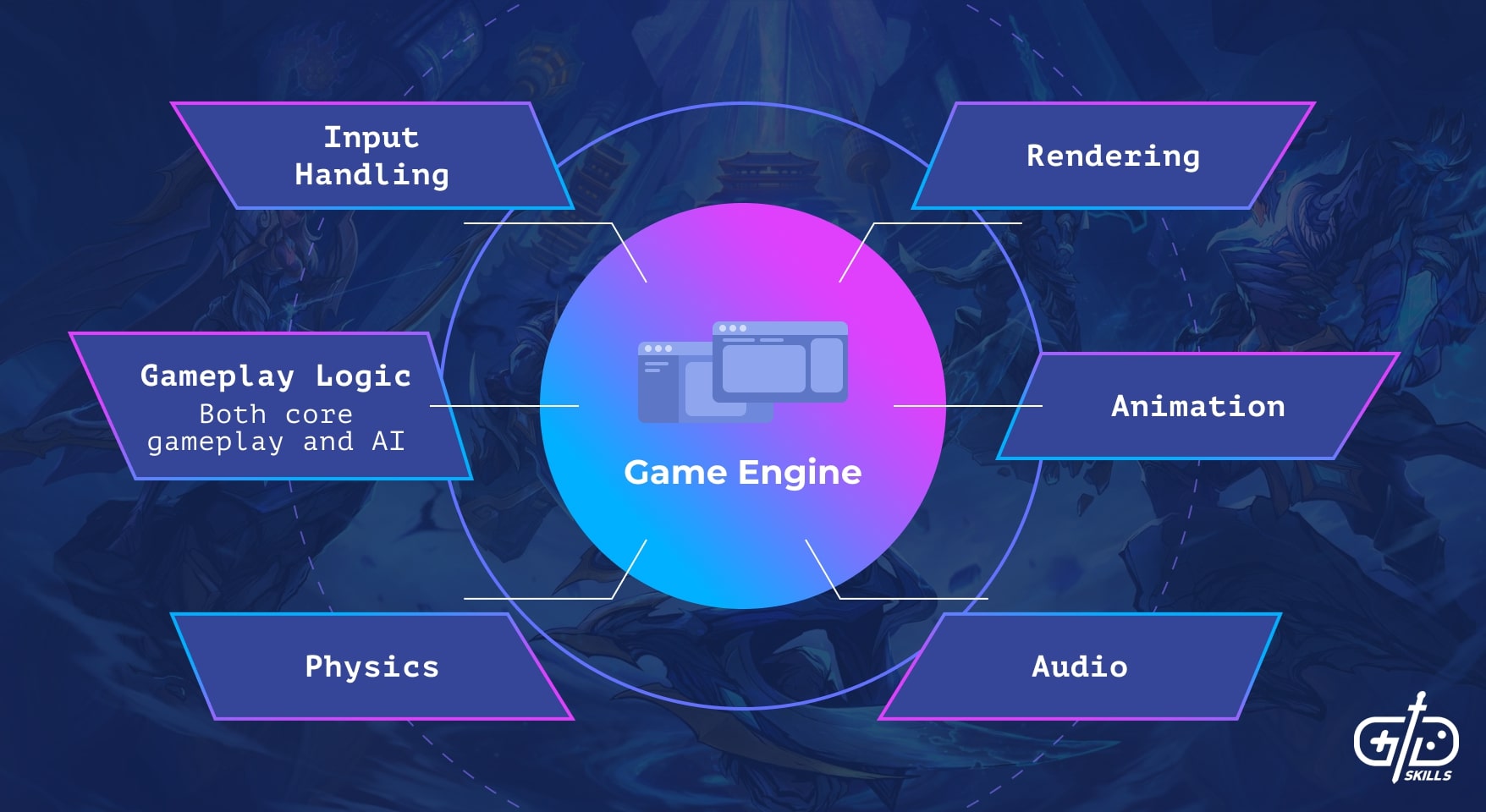
A game engine is a software development environment that provides a comprehensive set of tools for creating video games. It handles essential tasks like graphics rendering, physics simulation, audio processing, and scripting. Engines streamline development by offering pre-built solutions for common game elements, saving developers immense time and effort.
How do game engines boost development speed?
Game engines accelerate development by providing reusable components and integrated workflows. Instead of coding every system from scratch, developers use existing tools for animation, collision detection, and user interfaces. This allows teams to focus on unique gameplay features, bringing games to market much faster and more efficiently than custom-built solutions.
Can game engines be used for non-game applications too?
Absolutely! Modern game engines, particularly Unreal Engine and Unity, are increasingly used beyond gaming. They power virtual reality (VR) training simulations, architectural visualizations, film production (virtual sets), and even interactive product configurators. Their robust rendering and interactivity capabilities make them perfect for creating immersive, real-time experiences in various industries.
Is Unity or Unreal Engine better for beginners?
Both Unity and Unreal Engine are fantastic, but Unity is generally considered more beginner-friendly due to its C# scripting, extensive tutorials, and broad community support. Unreal Engine offers incredible visual fidelity and its Blueprint visual scripting is powerful, but C++ can be more challenging. Start with Unity for an easier entry, then explore Unreal if high-end graphics are your goal.
What is a "rendering engine" within a game engine?
The rendering engine is the component responsible for drawing all the visuals you see on screen. It converts 3D models and textures into 2D images, applying lighting, shadows, and post-processing effects. This complex process determines a game's graphical fidelity, ensuring objects appear realistic and environments are visually compelling for players.
Myth vs. Reality: Game Engines
Myth: You need to buy an expensive game engine to make a good game.
Reality: This is a common misconception! Many incredibly powerful game engines, like Godot Engine, are completely free and open-source, requiring no licensing fees or royalties. Unity and Unreal Engine also offer free tiers for individuals and smaller studios. Success hinges on skill and creativity, not just budget, making game development more accessible than ever before.
Myth: Learning one game engine makes you an expert in all of them.
Reality: While core game development concepts transfer, mastering one engine doesn't automatically make you an expert in others. Each engine has unique workflows, scripting languages, and toolsets. Learning a new engine still requires dedicated time to understand its specific paradigms and optimize its features. It's like knowing how to drive one car doesn't mean you can instantly pilot a different model perfectly.
Still have questions?
The world of game engines is vast and ever-evolving! If you still have burning questions about specific engine features, advanced optimization techniques, or navigating the latest 2026 updates, don't hesitate to dive into our related guides. Check out our 'Ultimate Guide to Unreal Engine 5 Optimizations' or 'Mastering Unity for Mobile Development' for deeper insights!
Hey everyone, let's talk about something truly foundational in our gaming world: what exactly are game engines? You might be wondering, "What even is a game engine and why should I care?" or "Is Unity really better than Unreal Engine for my first game?" These are excellent questions, and honestly, they're questions many aspiring developers and curious gamers grapple with daily. Think of a game engine as the powerful machinery behind every incredible virtual experience you’ve ever enjoyed, from sprawling open-world RPGs to intense competitive FPS titles. It's the silent hero making all the magic happen.
Understanding game engines is not just for developers; it helps you appreciate the sheer complexity and artistry behind your favorite games. In 2026, game engines are more sophisticated than ever, integrating cutting-edge AI for dynamic storytelling and leveraging advanced cloud capabilities for seamless multiplayer experiences. We're seeing innovations like never before. These crucial software frameworks provide the bedrock upon which developers build their interactive masterpieces, offering tools for graphics, physics, audio, scripting, and so much more. Without them, creating a game would be an impossibly arduous task, requiring teams to build every single component from scratch. They truly accelerate the creative process.
The Core of Digital Worlds: What Game Engines Do
So, what exactly does a game engine do? Imagine trying to build a house without any tools. That's essentially what game development would be like without an engine. A game engine is a comprehensive software development environment designed for creating video games. It bundles a suite of integrated tools and features that streamline the entire game creation process. These tools handle everything from rendering breathtaking visuals to simulating realistic physics and managing complex character animations. They are the backbone of modern game design and indispensable for bringing digital visions to life efficiently.
Key Components and Functionalities
Rendering Engine: This component handles all the visual aspects of a game. It draws graphics to the screen, whether it is 2D sprites or complex 3D models. Modern renderers support advanced lighting, shadows, and post-processing effects. Think about ray tracing and global illumination in 2026, pushing visual fidelity to new heights.
Physics Engine: Essential for realistic interactions within the game world. It calculates how objects move, collide, and react to forces. From a character falling to a car crashing, the physics engine ensures these actions feel natural. It brings a tangible sense of realism to virtual environments.
Audio Engine: Manages all the sounds you hear in a game. This includes music, sound effects, and voice acting. It controls volume, spatial audio, and environmental effects. A great audio engine truly immerses players in the game world.
Scripting Engine: Allows developers to write game logic using scripting languages. This is where characters behave, events trigger, and game rules are enforced. It provides flexibility and power for implementing unique gameplay mechanics.
Asset Management: Helps organize and import all the game’s assets. This includes models, textures, sounds, and animations. Efficient asset pipelines are crucial for large-scale game development. Keeping everything tidy is a huge help.
Input System: Handles all player inputs from keyboards, mice, controllers, or VR headsets. It translates these inputs into in-game actions. A robust input system ensures responsive and intuitive player control. Precision is key for competitive play.
Networking: Crucial for multiplayer games, this component manages communication between players and servers. It ensures smooth online play and synchronization. Low latency and high stability are paramount for enjoyable multiplayer experiences.
Evolution of Game Engines: From Basics to AI-Powered Futures
The journey of game engines is a fascinating story of technological progress and creative ambition. Early games were often built "engine-less," with developers coding every element from scratch. This was extremely time-consuming and costly, limiting project scope. The first recognizable engines emerged in the 1990s, often reused for sequels. Id Software's Doom engine, for example, pioneered this concept, allowing other developers to license and build new games rapidly. This marked a significant shift in the industry's approach.
Fast forward to today, and we have engines like Unreal Engine 5 and Unity 2026, which are incredibly powerful and versatile. They now incorporate advanced features such as real-time global illumination (Lumen in UE5), highly detailed virtualized geometry (Nanite), and sophisticated AI-driven tools. These innovations are transforming how games are made, enabling smaller teams to produce visually stunning titles. Expect further integration of generative AI for content creation and adaptive game design by 2027.
Choosing Your Engine: Popular Choices and Their Strengths
With so many options available, picking the right game engine can feel daunting. Each engine has its unique strengths and ideal use cases. Your choice often depends on your project's scope, your team's expertise, and the target platforms. Don't worry, there's an engine out there for almost every kind of game you can imagine. Consider factors like licensing costs, community support, and documentation availability carefully.
Unity: The Indie Powerhouse
Versatility: Unity is incredibly flexible, supporting 2D, 3D, VR, AR, and mobile game development. It is widely used for everything from hyper-casual mobile games to complex console titles. Its adaptability makes it a favorite among diverse developers.
Ease of Use: Known for its user-friendly interface and extensive documentation. Unity has a massive community and countless tutorials, making it accessible for beginners. This supportive ecosystem truly accelerates learning curves.
C# Scripting: Uses C#, a powerful and popular programming language. This makes it easier for many developers to pick up and start coding game logic. C# offers excellent performance and integration.
Ecosystem: A vast Asset Store provides ready-made assets and tools, speeding up development. This extensive marketplace can save countless hours on common tasks. It is a treasure trove for developers.
Unreal Engine: The Visual Masterpiece Creator
Graphical Fidelity: Unreal Engine is renowned for its cutting-edge graphics capabilities. Features like Nanite and Lumen in UE5 deliver unparalleled visual realism, often seen in AAA titles. It truly sets industry standards for visual quality.
Blueprints: Its visual scripting system allows non-programmers to create complex game logic. This empowers designers and artists to contribute significantly without writing C++ code. Blueprints are a game-changer for collaboration.
C++ Scripting: For those who need maximum control and performance, Unreal Engine uses C++. This provides direct access to engine internals and robust optimization opportunities. C++ is a powerful tool in expert hands.
AAA Pedigree: Many blockbuster games are built with Unreal Engine. This reputation for quality and performance attracts top-tier developers. It attracts top-tier developers. It is a proven choice for ambitious projects.
Godot Engine: The Open-Source Challenger
Open Source: Completely free and open source, meaning no licensing fees or royalties. This makes it a fantastic option for indie developers and hobbyists on a budget. Community contributions drive its continuous improvement.
Lightweight: Godot is known for its small footprint and quick iteration times. It’s efficient and runs well on various hardware configurations. This agility is a significant advantage for rapid prototyping.
GDScript: Uses its own Python-like scripting language, which is easy to learn. It also supports C# and C++. GDScript is specifically designed for game development. This bespoke language is highly efficient.
Community Driven: A growing and passionate community actively contributes to its development and support. This collaborative spirit ensures constant evolution and problem-solving. It is a fantastic collaborative environment.
Choosing an engine is a big decision, so take your time, experiment, and see what feels right for your project. Many developers start with Unity due to its approachability or dive into Unreal for its graphical prowess. There's no single "best" engine; it's always about the right tool for your specific job.
The Future is Now: Game Engines in 2026 and Beyond
Looking ahead, game engines are poised for even more revolutionary advancements. We're already seeing the beginnings of deeply integrated AI for dynamic narrative generation and intelligent NPC behaviors. Imagine games that truly adapt to your playstyle in real-time. Cloud-native development is gaining traction, allowing developers to offload heavy computations to remote servers. This facilitates more complex simulations and reduces local hardware requirements for players.
Furthermore, expect enhanced XR (Extended Reality) tools, making development for VR and AR even more intuitive and powerful. The integration of photogrammetry and advanced procedural generation will allow for incredibly realistic and expansive worlds to be built with less manual effort. Game engines are becoming sophisticated platforms not just for games, but for virtual production, architectural visualization, and even digital twins. The possibilities are truly limitless and constantly expanding.
Understanding game engines is truly the first step into appreciating the magic behind our favorite digital playgrounds. It is the foundation upon which countless hours of entertainment are built. Whether you aspire to create the next big RPG, develop a compelling indie title, or just want to understand the tech that powers your hobby, knowing about game engines is incredibly empowering. You've got this!
Beginner / Core Concepts
1. Q: What exactly is a game engine, and why do developers use one?
A: I get why this confuses so many people, but simply put, a game engine is like a powerful toolkit that provides all the essential software components needed to build a video game. Think of it as the workbench and core tools for a carpenter. Developers use them because they drastically streamline the creation process, handling complex tasks like rendering graphics, simulating physics, and processing player input automatically. Instead of writing everything from scratch, they can focus on the unique aspects of their game. It's a huge time and resource saver! You're basically leveraging years of accumulated engineering know-how. You've got this!
2. Q: Is there a big difference between 2D and 3D game engines, or can one engine do both?
A: This one used to trip me up too, but the truth is, most modern game engines are incredibly versatile and can handle both 2D and 3D development seamlessly. Engines like Unity and Godot, for example, offer robust toolsets specifically designed for both dimensions within the same environment. While historically some engines specialized, today's frontier models are built for flexibility. The core difference lies in how assets are imported and rendered, but the engine itself provides the necessary functionalities for both. It really comes down to the developer's choice of assets and project setup. Try playing around with a simple 2D project in Unity, then switch to a 3D one. You'll see how adaptable they are. You've got this!
3. Q: Do I need to be a coding genius to use a game engine, or are there easier ways to make games?
A: Absolutely not a coding genius! That's a huge myth that often scares people away from game development. While coding is definitely a powerful skill, many modern game engines, especially in 2026, offer incredibly intuitive visual scripting systems. Unreal Engine has its renowned Blueprints, and Unity has visual scripting solutions like Bolt. These allow you to create complex game logic by connecting nodes visually, almost like a flowchart. It's a fantastic way to get started without diving deep into C# or C++ right away. Start with a visual scripting tutorial and see how quickly you can make something interactive. You've got this!
4. Q: What are some common examples of popular game engines that everyone talks about?
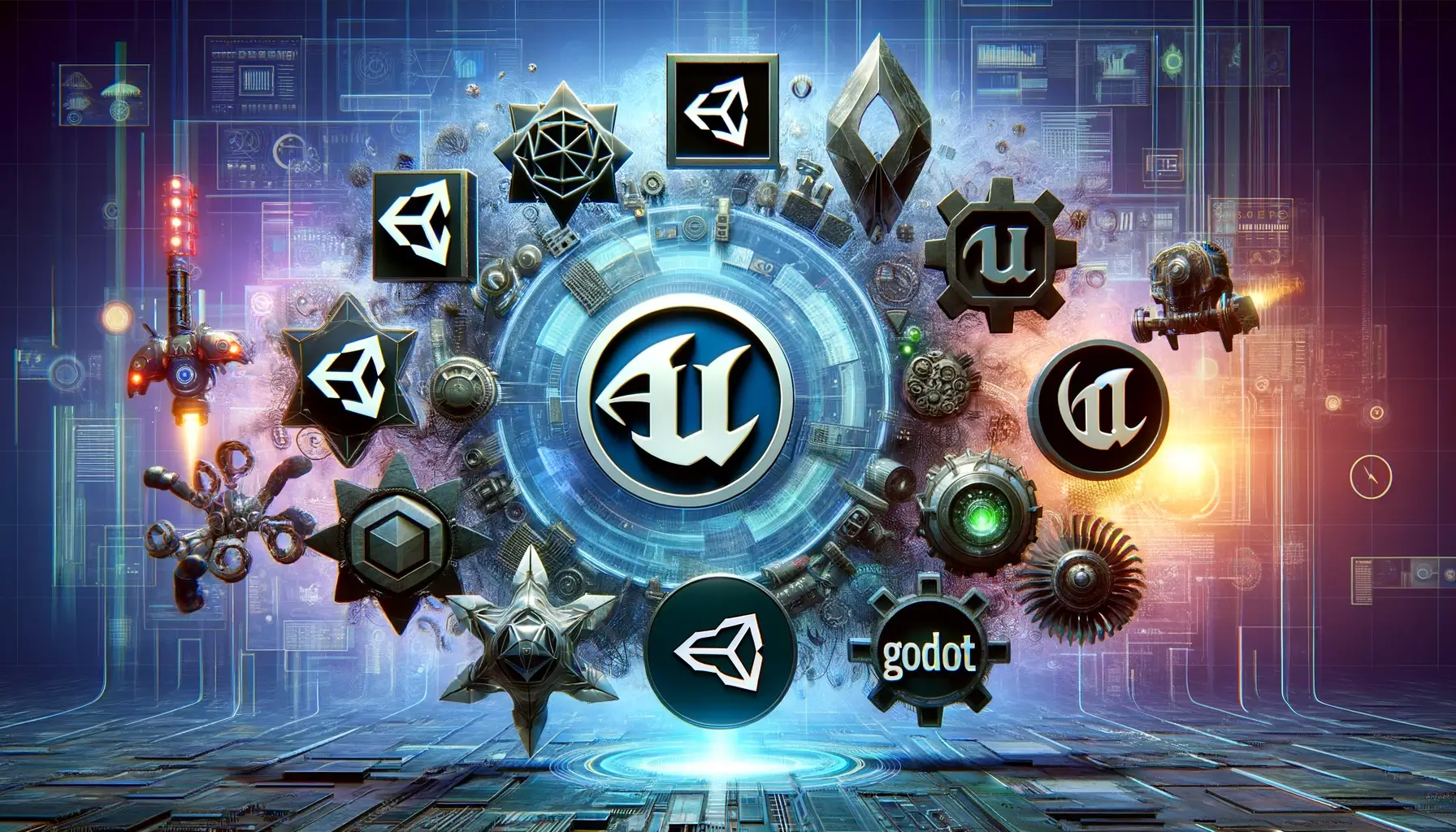
A: Oh, the big names you'll constantly hear are Unity and Unreal Engine. They're like the industry titans, powering everything from blockbuster AAA titles to beloved indie gems. Unity is incredibly versatile and user-friendly, great for mobile, 2D, and general 3D projects. Unreal Engine is famous for its stunning graphical fidelity and powerful tools for high-end 3D games. Beyond those, Godot Engine is gaining massive traction as a free, open-source alternative that's surprisingly capable. There are also many smaller, specialized engines or proprietary ones used by large studios. But for beginners, Unity and Unreal are definitely where you'll want to focus your initial learning. You've got this!
Intermediate / Practical & Production
5. Q: How do game engines actually help with optimizing a game's performance, like FPS or lag?
A: That's a super important question for anyone wanting to ship a smooth game! Game engines provide a ton of built-in tools and features specifically designed for performance optimization. They manage rendering pipelines efficiently, often employing techniques like culling (not drawing objects outside the camera's view) and level-of-detail (LOD) systems (reducing detail on distant objects). Furthermore, engines help manage memory usage, texture streaming, and even provide profilers to identify bottlenecks causing FPS drops or lag. Understanding these tools and knowing how to utilize them is key to a well-performing game. Always profile your game early and often; don't wait until the end. You've got this!
6. Q: Can game engines truly handle cross-platform development, or is it always a struggle?
A: This is where modern game engines really shine, especially in 2026! While it's never *entirely* effortless, engines like Unity and Unreal are explicitly designed for cross-platform development. They abstract away many platform-specific complexities, allowing you to write your game logic once and deploy it across PC, consoles (PS5, Xbox Series X, Switch), mobile, and even VR. They handle the underlying rendering APIs and input systems for each platform. The main "struggle" usually comes from platform-specific optimizations and certification requirements, not the core engine functionality. Still, it's a massive improvement over old days. Keep your assets optimized for all target platforms, not just the highest end. You've got this!
7. Q: What role do drivers play when working with a game engine, especially for graphical issues?
A: Drivers are absolutely critical, my friend! Think of graphics drivers as the translators between your game engine (and the game it creates) and your computer's hardware, specifically your GPU. If your drivers are outdated or corrupted, the engine can't communicate effectively with your graphics card. This often leads to graphical glitches, low FPS, stuttering fix challenges, or even game crashes. Keeping your graphics drivers (from NVIDIA, AMD, or Intel) up-to-date is a basic but essential troubleshooting step. Engines themselves are robust, but they rely on those drivers for optimal performance. Always check driver updates first when troubleshooting visual bugs. You've got this!
8. Q: How do game engines support different game genres like RPGs, FPS, or MOBAs differently?
A: While core engine functionalities apply across all genres, engines support different game genres by providing flexible systems that can be adapted. For RPGs, you'd leverage robust data management for inventories and quests, and potentially complex AI pathfinding for NPCs. For FPS games, precise collision detection, responsive input, and advanced networking for low ping are paramount. MOBAs demand highly optimized networking, reliable hit registration, and often unique camera controls. Engines don't force a genre, but their modularity and extensive asset stores offer genre-specific templates and tools. The engine is the canvas; you paint the genre. You've got this!
9. Q: Are there specific engine features that help with multiplayer aspects like ping and lag compensation?
A: Absolutely, and this is where advanced engine features really shine for competitive gaming! Most major engines include robust networking layers that handle client-server communication. They often provide built-in solutions for lag compensation, which predicts player movements to make actions feel responsive despite network latency (ping). Features like replication, synchronization, and interpolation are crucial. Unreal Engine has its fantastic replication graph, and Unity offers DOTS for high-performance networking. It's complex, but the engine gives you the framework. You often need to customize these for your specific game’s needs, but the foundation is there. You've got this!
10. Q: How do indie developers choose between a popular engine like Unity and a growing one like Godot?
A: This is a common dilemma for indies, and it really boils down to priorities! Unity offers a huge community, extensive marketplace, and industry recognition, making it easier to find talent or resources. However, recent changes in Unity's pricing models have made some developers wary. Godot, being open-source, provides complete transparency, no royalties, and a thriving, passionate community. It’s excellent for smaller teams valuing control and cost-effectiveness, especially for 2D or stylized 3D. The decision often hinges on budget, team size, desired platform reach, and philosophical alignment with open-source principles. Try both on a small project to get a feel. You've got this!
Advanced / Research & Frontier 2026
11. Q: How are 2026 frontier models in AI influencing game engine development and capabilities?
A: This is super exciting! In 2026, frontier AI models like o1-pro and Gemini 2.5 are revolutionizing game engine capabilities, moving far beyond basic pathfinding. We're seeing AI integrated for procedural content generation, allowing engines to create vast, diverse landscapes, intricate quests, and even character backstories on the fly. Adaptive AI is tailoring game difficulty and narrative paths based on player behavior in real-time, creating truly personalized experiences. Furthermore, AI-powered tools assist developers with everything from asset optimization to bug detection. Imagine an engine that suggests code improvements or auto-generates animations. It's all about making development faster and games smarter. The synergy is palpable. You've got this!
12. Q: What are the implications of cloud-native game development for engine architecture?
A: Cloud-native development is a massive paradigm shift, and it has profound implications for engine architecture! Instead of relying solely on local hardware, parts of the game (or even the entire game) run on remote servers. This requires engines to be designed with distributed computing in mind, leveraging services like AWS or Azure. Features like server-side physics, massive-scale procedural generation, and even complex AI calculations can be offloaded. This changes how engines manage resources, network communication, and data streaming. It's about building engines that can scale horizontally and deliver experiences previously limited by local processing power. Expect more modular, microservice-oriented engine designs to handle this shift. You've got this!
13. Q: How do engines like Llama 4 reasoning models improve NPC behavior and dynamic storytelling?
A: Llama 4 reasoning, along with other advanced natural language processing (NLP) models, is a game-changer for NPCs and narrative! These models allow NPCs to engage in more sophisticated, context-aware conversations and make more believable decisions based on their personality and the game state. Instead of static dialogue trees, engines integrated with Llama 4 can generate dynamic dialogue and quest responses in real-time. This creates emergent storytelling where player choices have more nuanced and unpredictable consequences. Imagine an NPC remembering past interactions and reacting authentically. It elevates immersion to a whole new level, making game worlds feel truly alive. You've got this!
14. Q: What challenges do engines face in supporting new hardware like advanced VR/AR or haptic feedback?
A: Supporting cutting-edge hardware is always a fascinating challenge for engine developers! For advanced VR/AR, engines need highly optimized rendering pipelines to maintain ultra-high frame rates (crucial for comfort and immersion) and sophisticated spatial tracking systems. Haptic feedback requires precise timing and integration with a wide array of devices, offering nuanced tactile experiences beyond simple vibrations. The biggest hurdles are often standardization, performance overhead, and ensuring a seamless, low-latency experience across diverse hardware. Engine developers are constantly working with hardware manufacturers to integrate these technologies effectively, pushing the boundaries of immersive gameplay. It's a continuous race, but the results are incredible. You've got this!
15. Q: Looking at 2026, what's the next big "holy grail" feature that game engines are striving for?
A: If I had to pick one "holy grail" for game engines in 2026, it would be truly intelligent, fully adaptive content generation and simulation. We're not just talking about generating landscapes; we're talking about dynamic ecosystems, evolving societies, and emergent narratives that feel genuinely organic and responsive to *every* player action, not just predefined choices. This means engines that can procedurally generate and simulate entire worlds, their inhabitants, and their stories with an unprecedented level of depth and realism, making every playthrough unique. It's the ultimate promise of infinite replayability and unparalleled player agency, driven by advanced AI and distributed computing. The future is very bright! You've got this!
Quick 2026 Human-Friendly Cheat-Sheet for This Topic
Game engines are your foundational toolkit for making games; don't try to build without one!
Unity and Unreal Engine are the big players, but don't sleep on Godot, especially if you're an indie or budget-conscious.
You don't need to be a coding wizard; visual scripting (like Blueprints) lets you build logic without writing tons of code.
Always keep your graphics drivers updated; they're crucial for smooth performance and avoiding stuttering fixes.
Engines are constantly evolving, especially with 2026 AI and cloud tech, making game development smarter and more accessible.
Choosing an engine depends on your project's needs, team size, and target platforms; research is key!
Game engines are software frameworks for creating games. They provide tools for graphics, physics, audio, and scripting. Popular engines include Unity, Unreal Engine, and Godot. Engines streamline development, saving time and resources. They enable cross-platform deployment, reaching wider audiences. Understanding engines is vital for aspiring game developers. Current trends include AI integration and cloud-native development.
35
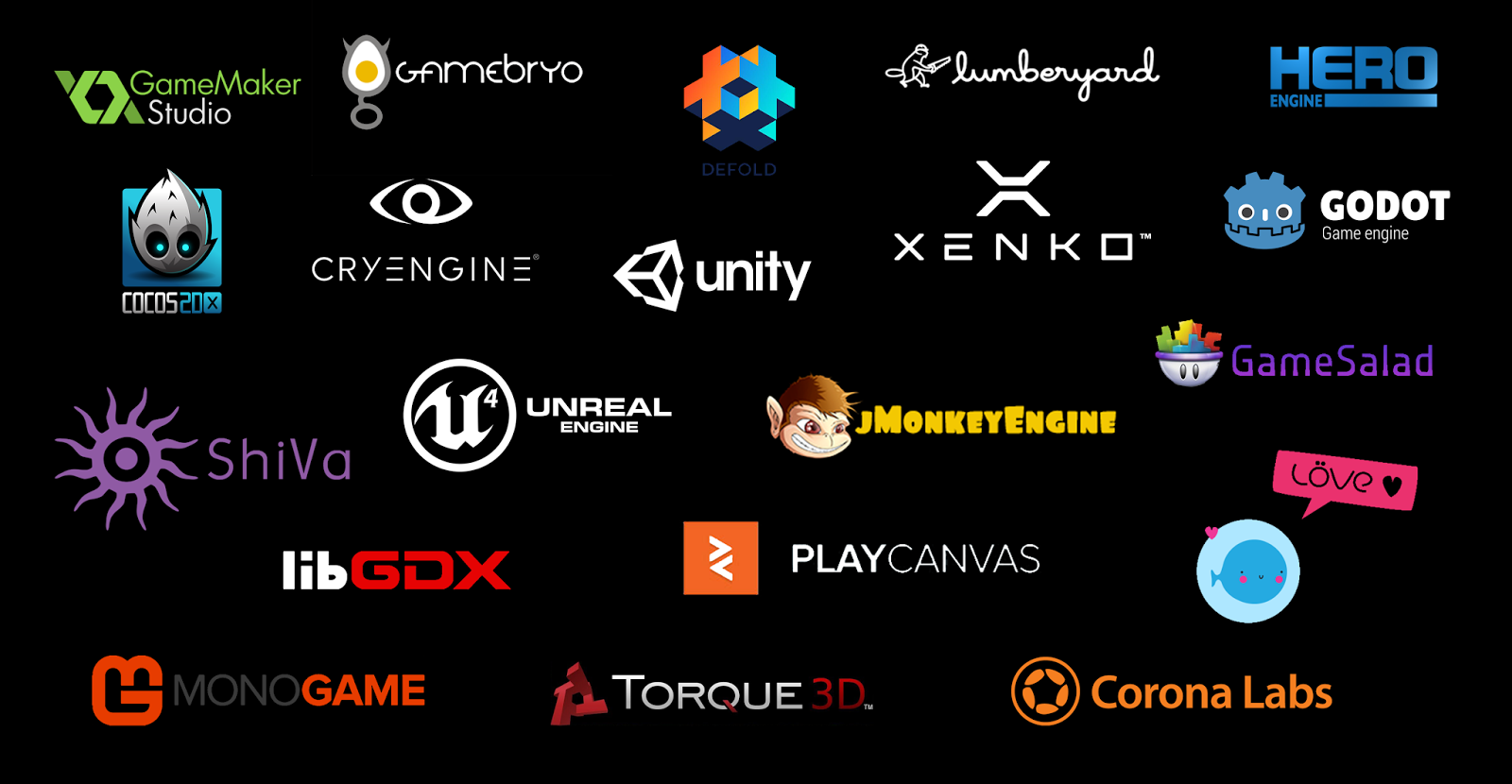
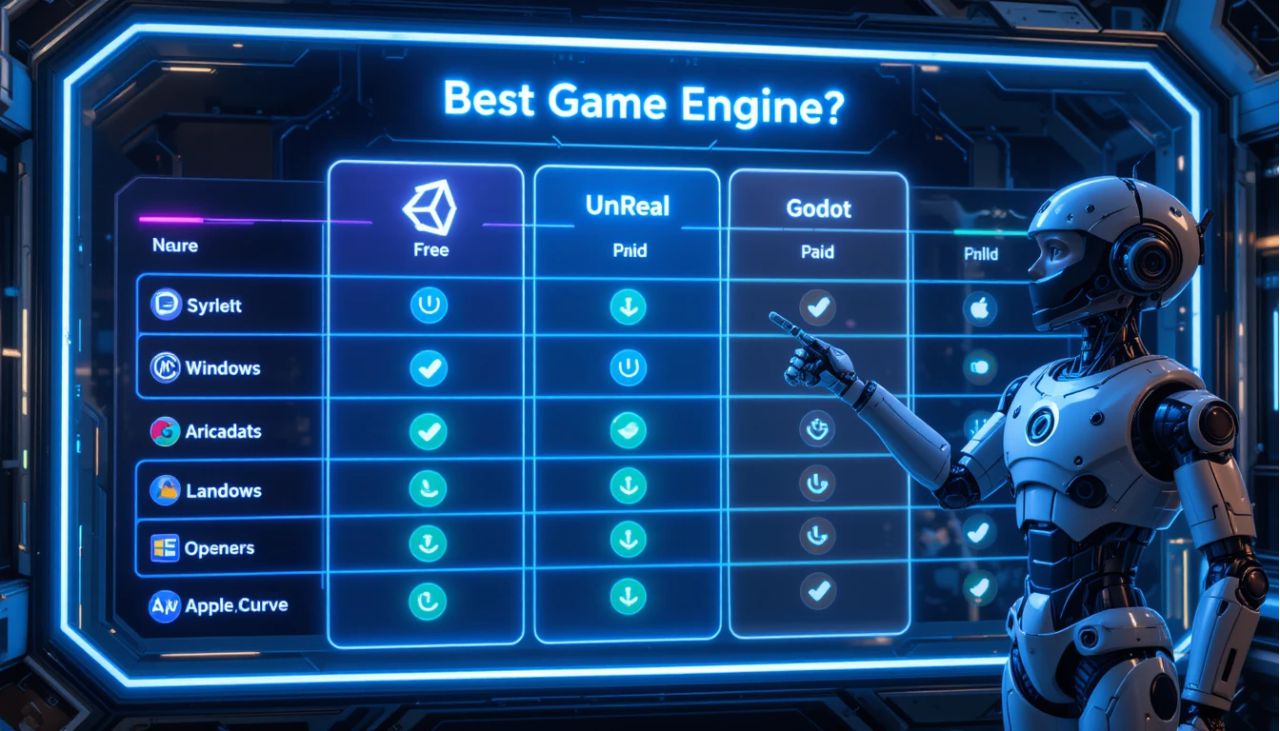
The Best Game Engines You Should Consider For 2026 Best Game Engine 2026 1536x864 . Best Game Engines 2026 Top Choices For Developers Game.webp. 10 Apps Like Omegle That You Should Check In 2026 Banner Best Game Engines For 3D Games In 2026 Unity Vs Unreal Engine 1024x512 . What Are The Best Game Engines In 2026 Game Logos . Top 10 Best Game Engines 2026 For Fast Development Quick Comparison Table Of The Best Game Engines
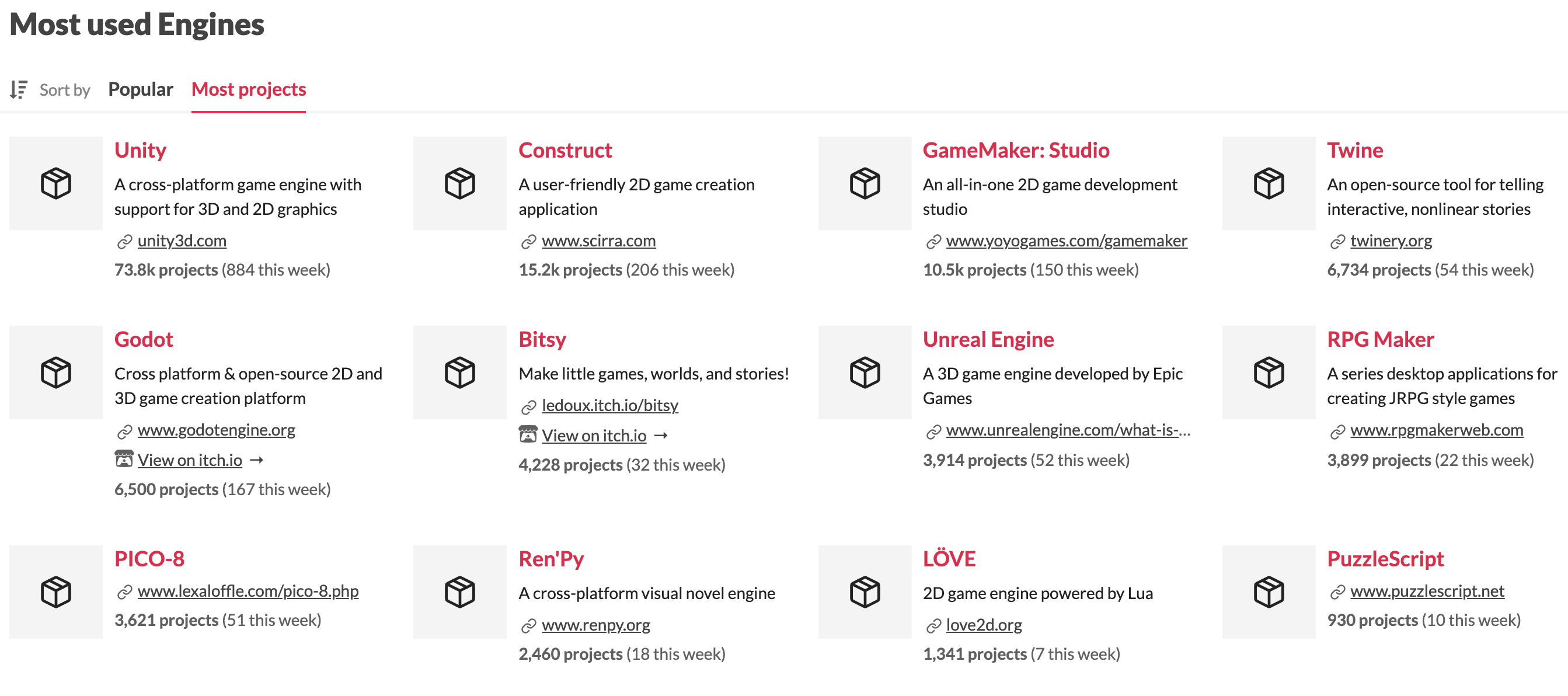
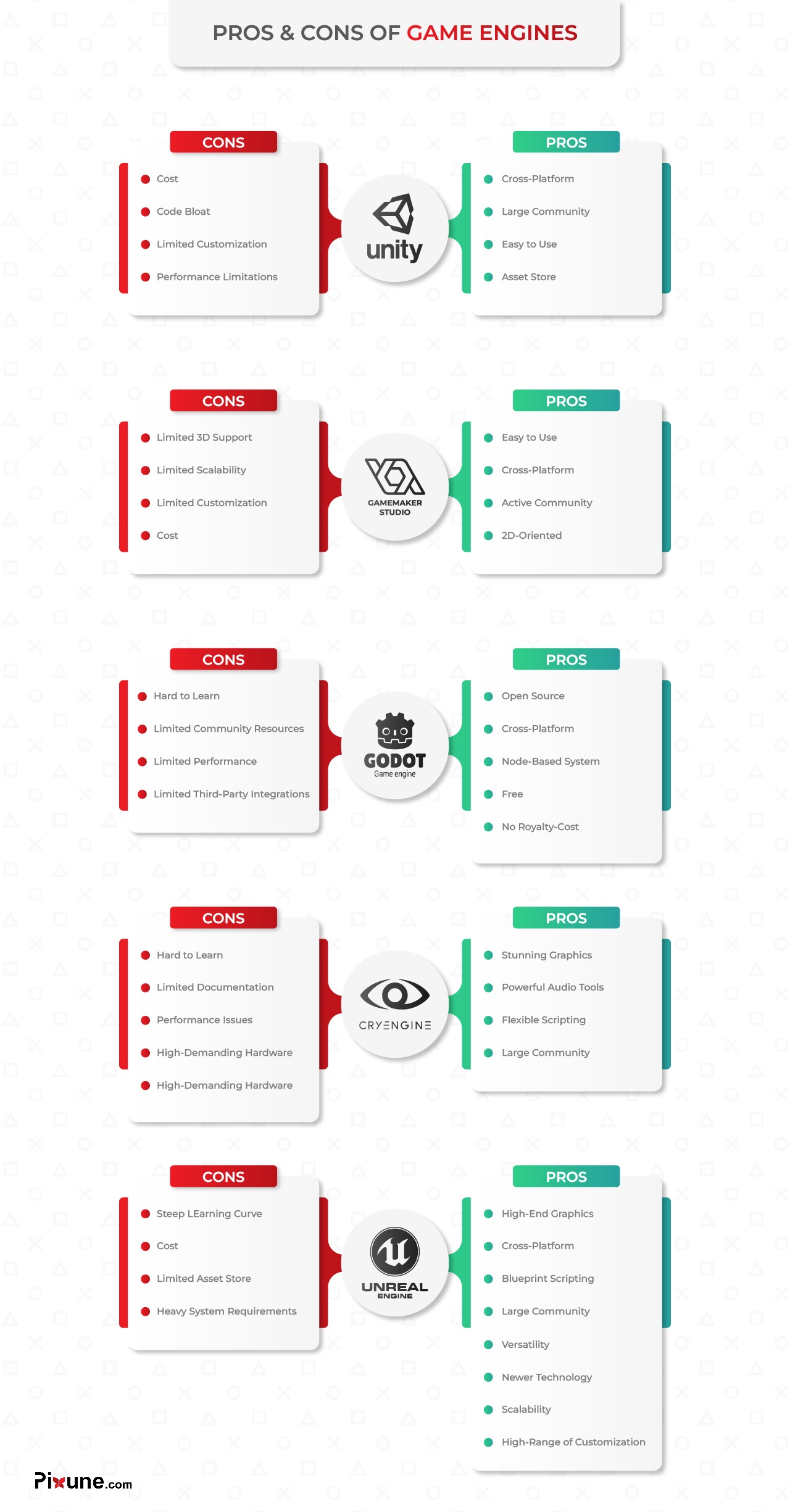
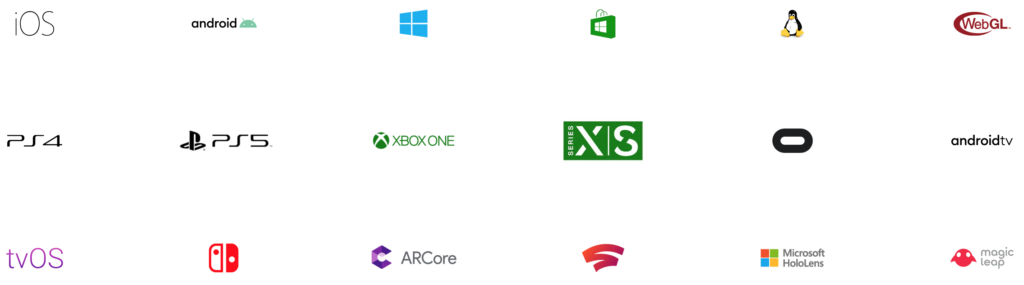
BEST GAME ENGINES FOR GAME DEVELOPMENT IN 2026 Screenshot 2021 06 16 At 08.44.37 . What Are The Best Game Engines In 2026 Pros Cons Of Game Engines . BEST GAME ENGINES FOR GAME DEVELOPMENT IN 2026 Screenshot 2021 06 15 At 09.54.15 1024x285 . Visual Studio 2026 Insider Released Com 1536x864 . The Best Game Engines You Should Consider For 2026 The Best Game Engines You Should Consider For 2026 1
Best Game Engine Picks For 2026 Juego Studios Top Game Engines 1.webp. Visual Studio 2026 Insider Released Com 1024x576 . How To Become A Good Game Director A Complete Guide 2d Game Engines . PPT Top Game Engines You Should Know In 2025 PowerPoint Slide1 Dt . Video Game Insights Game Engines On Steam In 2025 48e32973 2df2 407e A57f 2736x974

Page 1 Video Game Engines Category Engines . Video Game Insights Game Engines On Steam In 2025 F8741bba 5c35 43b3 A06e 2914x1038 . Game Engines Market Size Share Trends Analysis Forecast 2026 Game Engines Market 1 . Game Programmer 2025 Hanif012 Game Engines Thumbnail . Using Unity Assets In Unreal And Other Game Engines Game Dev Beginner Gds Video Game Engines Featured Img Min


Testing The F1 2026 Engines In The F1 Game YouTube . TOP 40 BIGGEST NEW Games Coming In 2026 With Crazy NEXT GEN 4K Graphics . TOP 21 NEW Upcoming Games Of 2026 YouTube . Top 10 Most Anticipated Games Of 2026 What To Watch Out For GAMES IN 2026 . TOP 50 BIGGEST NEW Games Coming In 2026 With Crazy NEXT GEN 4K Graphics

Why F1 S Likely New Team Has A Honda 2026 Fallback The Race GM Engine Timeline . Best Game Engines For Beginner Game Developers In 2023 Image13 . A Look Inside The Best Game Engines Of 2023 A Look Inside Best Game Engines Of 2023 Ed217c8a0a . Plants Vs Brainrots Como Aumentar O N Vel Das Plantas Lancamentos Games 2026.webp. Did Xbox S Phil Spencer Just Tease A New Halo Game For 2026 Windows 1024 80



Top 10 Unreal Engine Games Of 2025 Upcoming 2026 Releases Top Ue Games 2025 Game Engine Market Size By Platform . The 10 Best Indie Games 2023 2024 Made With Unreal Engine Ue Games 23 24 Cover . Complete Tear Up Inside Mercedes 2026 F1 Engine Project 2026 ENGINE SPLIT . NEW UPCOMING GAMES 2026 Trailer Best New Game Trailers YouTube . Honda Sounds Alarm On 2026 Engine Not Everything Is Going Well