Are games getting more expensive This burning question haunts many gamers worldwide. We delve deep into the complex factors driving up video game prices. Explore the increasing development costs of AAA titles. Understand the impact of inflation and evolving business models like live services and microtransactions. Discover how next-generation console hardware and advanced graphics technologies contribute to higher price tags. This comprehensive guide provides crucial insights into why your gaming budget needs careful planning. Learn about the economic shifts affecting your favorite pastime. We examine market trends and publisher strategies. Uncover whether digital distribution truly lowers costs or introduces new expenses. Prepare to navigate the changing landscape of game acquisition. This article empowers you with knowledge to make informed purchasing decisions. This guide will help you understand the current gaming market and its financial challenges.
Welcome to the ultimate resource for understanding why games are getting more expensive. This living FAQ is meticulously updated for 2026, offering comprehensive answers to your most pressing questions about video game pricing trends. We dive into every facet, from the escalating costs of development to the impact of inflation and new monetization strategies. Whether you are curious about next-gen prices, concerned about microtransactions, or seeking ways to optimize your gaming budget, this guide has you covered. Expect detailed explanations, practical tips, and myth-busting insights to help you navigate the evolving economic landscape of interactive entertainment. Let us unravel the complexities together, ensuring you are well-informed about every purchase.
General Pricing Questions
Why do new AAA games cost 70 now?
New AAA games often cost 70 dollars due to massively increased development budgets. Producing high-fidelity graphics, complex narratives, and expansive worlds requires vast teams and advanced technology. Inflation also plays a significant role in raising overall production expenses. Publishers adjust prices to recoup these substantial investments and ensure profitability in a competitive market. The value offered in these titles often involves hundreds of hours of content.
Are video game prices uniform across all platforms?
No, video game prices are not always uniform across all platforms. PC versions can sometimes be cheaper due to different distribution models. Console games typically have a standard price point for new releases. Regional pricing also varies significantly, reflecting local economies and tax structures. Digital storefronts often have different sales than physical retailers.
How does digital distribution affect game prices?
Digital distribution allows publishers to cut manufacturing and shipping costs. However, it does not always translate to lower prices for consumers at launch. It enables quicker access to games and frequent digital sales. Publishers retain more control over pricing without physical retailers. Digital marketplaces also introduce new fees and operational expenses.
Development and Production Costs
Why has game development become so expensive?
Game development has become exceedingly expensive due to the demand for higher graphical fidelity and complex game mechanics. Modern games require larger teams of specialized professionals and cutting-edge technology. Marketing budgets have also significantly increased to reach a global audience. These factors combine to inflate the overall cost of bringing a new title to market.
Does inflation directly impact video game pricing?
Yes, inflation directly impacts video game pricing. As the cost of living and doing business rises, so do developer salaries, technology expenses, and marketing costs. Publishers must adjust game prices to cover these increased operational expenditures. This ensures their products remain profitable in an evolving economic climate. It is a fundamental economic pressure.
Business Models and Monetization
What role do microtransactions play in game pricing?
Microtransactions allow games to generate continuous revenue post-launch, potentially subsidizing the initial game price. While often optional, they fund ongoing development and live service content. However, they can also contribute to the perception that games are more expensive overall. Developers use microtransactions to ensure long-term profitability and player engagement. It is a key monetization strategy.
Are subscription services like Game Pass a good value for money?
Subscription services like Game Pass offer excellent value for many gamers, providing access to a vast library of titles for a fixed monthly fee. They can significantly reduce the cost per game played. These services are particularly beneficial for exploring new genres or playing multiple games. For casual players, they often make gaming more accessible and affordable.
Next-Gen Console Impact
Did next-gen consoles cause an increase in game prices?
Yes, next-gen consoles contributed to an increase in game prices. Developing games that leverage the advanced capabilities of the PS5 and Xbox Series X requires more resources. Features like higher resolutions, faster loading, and ray tracing demand more from developers. Publishers adjusted prices to reflect these elevated production values. This ensured a return on their significant investment.
Consumer Tips and Strategies
What are the best tips to save money on expensive games?
To save money on expensive games, consider waiting for sales events like Black Friday or seasonal promotions. Utilize subscription services such as Xbox Game Pass or PlayStation Plus to access large game libraries. Explore the thriving indie game market for high-quality, often cheaper alternatives. Buying pre-owned physical copies can also offer savings. Always compare prices across different digital storefronts.
Myths vs Realities of Game Pricing
Myth: Digital games are always cheaper than physical copies.
Reality: While digital games eliminate manufacturing costs, they are not always cheaper at launch. Publishers often set the same initial price for both digital and physical versions. Digital sales events can offer significant discounts, but physical copies can sometimes be found cheaper through retail competition or the used game market. Pricing parity is common at release.
Myth: Microtransactions make games free or much cheaper.
Reality: Most games with microtransactions are not free; they are often full-priced titles. Microtransactions primarily serve as an additional revenue stream for developers to fund live service content. While some free-to-play games rely solely on them, premium games integrate them for supplementary income. They do not necessarily reduce the base cost of a game.
Myth: Game developers get most of the 70 dollars you pay.
Reality: The 70-dollar price is split among many entities. Publishers take a significant cut for marketing and distribution, console manufacturers take platform fees, and retailers (digital or physical) take their share. Development studios, while crucial, often receive a smaller percentage after all other costs and stakeholders are accounted for. It is a complex financial ecosystem.
Myth: Games are only expensive because developers are greedy.
Reality: While profitability is a goal, the primary driver for increased game prices is the skyrocketing cost of development. Creating modern, high-quality games is incredibly resource-intensive, involving huge teams and cutting-edge technology. Publishers need to recoup these substantial investments to remain viable and fund future projects. It is a response to market realities.
Myth: Old games should become free after a few years.
Reality: While older games often see significant price drops, making them completely free is rare for premium titles. Publishers maintain pricing to cover ongoing licensing, maintenance, and intellectual property rights. They also want to continue generating some revenue from their back catalog. Free-to-play models are typically for games designed that way from the start.
Still have questions? Dive deeper into our related guides on 'Optimizing Your Gaming Budget' or 'The Future of Gaming Subscriptions' for more insights!
Are Games Getting More Expensive The Ultimate Guide
Have you ever paused mid-purchase and wondered: are games getting more expensive? It is a question echoing across every gaming community, from seasoned veterans to curious newcomers. We all feel the pinch, do not we? What was once a standard 60-dollar title now often pushes past 70, sometimes even 80 dollars. This guide will decode the complex economics behind these rising costs, offering clear insights into why your favorite pastime might be lighter on your wallet. We are exploring everything from development budgets to market trends. Prepare to understand the hidden forces shaping today's gaming economy. This comprehensive article aims to provide valuable knowledge for every gamer.
As lead guide writer for a top gaming blog, I have witnessed countless shifts in the industry. Understanding these changes empowers you to make smarter choices. This article will help you navigate the evolving landscape of video game pricing. You will learn the reasons behind the price hikes and how to manage your gaming budget effectively. Let us dive into the details that truly matter for your gaming experience.
The Evolving Landscape of Game Pricing
The journey of game pricing has been quite remarkable over the decades. Back in the day, cartridge games for consoles like the NES or SNES were often pricey. They held their value due to physical scarcity and simpler distribution. As technology advanced, discs became the norm, offering larger storage and eventually paving the way for digital downloads. This shift fundamentally altered how games are priced and distributed to consumers worldwide. We have seen a steady increase in base prices.
From Cartridges to Digital Downloads and Beyond
The transition from physical media to digital storefronts promised lower costs for consumers. Publishers saved on manufacturing, shipping, and retail markups. However, these savings did not always translate to lower prices for players. Instead, digital distribution opened doors to new revenue models. These include microtransactions, battle passes, and subscription services that continually influence game costs. The convenience of digital access has its own economic implications for everyone involved.
Why Are Games Getting More Expensive? Decoding the Costs
So, why exactly are games getting more expensive for us all? It is not just a feeling; there are concrete reasons driving these price increases. Understanding these factors can help you contextualize your gaming expenses better. We are seeing a confluence of economic and technological pressures. Each contributes significantly to the final retail price you pay for new titles today.
Massive Development Budgets and Inflation
Today's AAA games are colossal undertakings, often costing hundreds of millions of dollars to develop. Think about the incredible detail in a massive RPG or the fluid mechanics of a top-tier FPS game. These ambitious projects require huge teams of artists, programmers, writers, and designers. Their salaries, along with motion capture studios and advanced rendering tech, accumulate rapidly. Inflation further compounds these costs, eroding the purchasing power of money over time. This means development expenses naturally rise with the economy.
The Rise of Live Service Games and Microtransactions
Many modern games adopt a 'live service' model, designed for continuous updates and player engagement. This includes regular content drops, seasonal events, and ongoing support from developers. While offering longevity, this model often relies heavily on microtransactions for sustained revenue. Players might pay for cosmetic items, battle passes, or in-game currency. These optional purchases, though often small, can add up considerably over time, making the overall gaming experience more expensive. It represents a significant shift in how publishers monetize their titles.
Next-Gen Hardware and Technological Advancements
The introduction of powerful new consoles like the PS5 and Xbox Series X pushes graphical fidelity and processing demands to new heights. Developing games that fully utilize this advanced hardware is a complex and costly endeavor. Features like ray tracing, faster loading times, and expansive open worlds require immense optimization and skilled labor. This technological leap contributes directly to the higher base price of next-generation titles. Developers invest heavily to deliver cutting-edge experiences for players.
Impact on Gamers and the Industry
These rising costs have a tangible impact on both individual gamers and the broader industry. Players face tougher decisions about which titles to purchase, while developers must constantly innovate to justify price points. This dynamic creates a challenging environment for everyone. Understanding these effects is crucial for a complete picture. It influences how we play and how games are made.
The Double-Edged Sword of Digital Sales
Digital sales offer unparalleled convenience and accessibility, but they also mean less competition in pricing from physical retailers. Publishers can set and maintain prices more easily without physical copies sitting on shelves. While sales events are common, the initial price point often remains high for longer periods. This digital-first approach impacts consumer spending habits. It shapes how players discover and acquire new gaming experiences.
Navigating the New Normal for Your Gaming Budget
For gamers, managing your budget has become more critical than ever. With numerous appealing titles launching and ongoing live service commitments, prioritizing purchases is key. Consider waiting for sales or exploring subscription services like Xbox Game Pass or PlayStation Plus. These offer vast libraries for a monthly fee. Being a savvy consumer means doing your research and making informed decisions. It is essential to enjoy your passion without breaking the bank.
Quick Facts About Game Pricing
Here is a snapshot of key data influencing game costs today.
- Average AAA game development budget: Exceeds 100 million dollars now.
- Standard next-gen game price: Commonly 69.99 to 79.99 dollars.
- Inflation rate impact: Continues to erode purchasing power significantly.
- Digital vs physical sales: Digital now dominates market share globally.
- Microtransaction revenue: Billions generated annually from in-game purchases.
What Others Are Asking? Your Top FAQs About Game Pricing
Why are video games so expensive in 2024?
Video games in 2024 are expensive due to increased development complexity, requiring larger teams and advanced technology. Inflation affects all production costs, from wages to marketing. Next-gen hardware demands more resources to create stunning visuals and immersive gameplay. Live service models and microtransactions also contribute significantly to the overall cost of gaming.
Are game prices rising or falling in the current market?
Generally, game prices are rising, especially for new AAA titles on next-gen consoles. While sales and subscription services offer some relief, the standard retail price for new releases has seen an upward trend. This increase reflects higher production values and evolving monetization strategies. Discounts on older titles are still common.
Why do AAA games cost 70 dollars now?
AAA games cost 70 dollars primarily because their development budgets have ballooned dramatically. Creating realistic graphics, expansive worlds, and intricate systems requires massive investment in talent and technology. The 70-dollar price point helps publishers recoup these substantial costs and remain profitable. It is an industry adjustment to current economic realities.
What is the average price of a video game today?
The average price of a video game varies significantly by type and age. New AAA titles for current-gen consoles often retail for 69.99 to 79.99 dollars. Older games, indie titles, or those on sale can range from 9.99 to 49.99 dollars. Subscription services offer many games for a monthly fee, altering the perceived average cost.
Will game prices go down in the near future?
It is unlikely that base game prices for new AAA releases will significantly decrease in the near future. Development costs are expected to continue rising with technological advancements. However, frequent sales, bundles, and robust subscription services will likely remain key avenues for gamers to access titles at lower effective costs. The market is constantly evolving.
Why do video games get more expensive over time?
Video games often get more expensive over time due to inflation affecting production costs and the increasing complexity of game development. Initially, prices rise as games push technological boundaries. However, individual game prices typically decrease after launch as sales cycles begin. The overall cost of gaming rises due to continuous new releases and live service spending.
What Lies Ahead for Game Costs? Future Outlook
Looking into the future, the trend of rising game expenses seems set to continue. Developers will chase new technological frontiers, and publishers will seek sustainable revenue models. This journey will bring both challenges and opportunities for gamers globally. Anticipating these changes helps us prepare our gaming budgets. It shapes the future of interactive entertainment for everyone.
Subscription Models and Cloud Gaming
Subscription services like Game Pass and PlayStation Plus are gaining immense popularity. They offer extensive game libraries for a flat monthly fee. This model could become even more dominant, providing value for money for many players. Cloud gaming, streaming games without powerful local hardware, might also influence future pricing. It could lower the barrier to entry, but perhaps introduce new subscription tiers or bandwidth costs. These services are evolving rapidly.
The Role of Indie Games and Innovation
Amidst the AAA price hikes, indie games continue to offer diverse and often more affordable experiences. These titles typically have smaller budgets but can deliver incredible innovation and unique gameplay. Supporting indie developers is a great way to enjoy high-quality games without the hefty price tag. They often represent creative risks that major publishers avoid. This sector remains a vibrant part of the gaming ecosystem.
So, are games getting more expensive? The answer is a resounding yes, driven by a complex web of factors from soaring development costs to evolving business models. However, being an informed gamer means you can navigate this landscape effectively. Utilize sales, explore subscription services, and champion indie titles. Keep enjoying your passion without feeling the constant financial pinch. Happy gaming, everyone!
Key highlights include: Understanding inflation's role in game pricing. Tips for utilizing subscription services effectively. Pros and cons of microtransactions in modern games. Strategies for budgeting your gaming expenses. The impact of next-gen console technology on costs. Avoiding common mistakes like impulse buys. Future outlook on cloud gaming and indie titles.
Rising development costs push game prices higher. Inflation impacts all consumer goods including games. Microtransactions and live service models create ongoing spending. Next-gen hardware demands more expensive game creation. Publishers seek higher returns on massive investments. Digital distribution changes pricing dynamics for better or worse. Player engagement drives continuous revenue streams.
35


Most Expensive PlayStation Games March 2026 Ultimate Guide Most Expensive PlayStation Games . TOP 50 BIGGEST NEW Games Coming In 2026 With Crazy NEXT GEN 4K Graphics . MOST EXPENSIVE GAMES RELEASING IN 2026 Gaming Games Ps5 Ps4 Oardefault . TOP 21 NEW Upcoming Games Of 2026 YouTube . The Most Expensive Game On Steam Is It Worth 1 000 In 2026 Buy Most Expensive Game On Steam

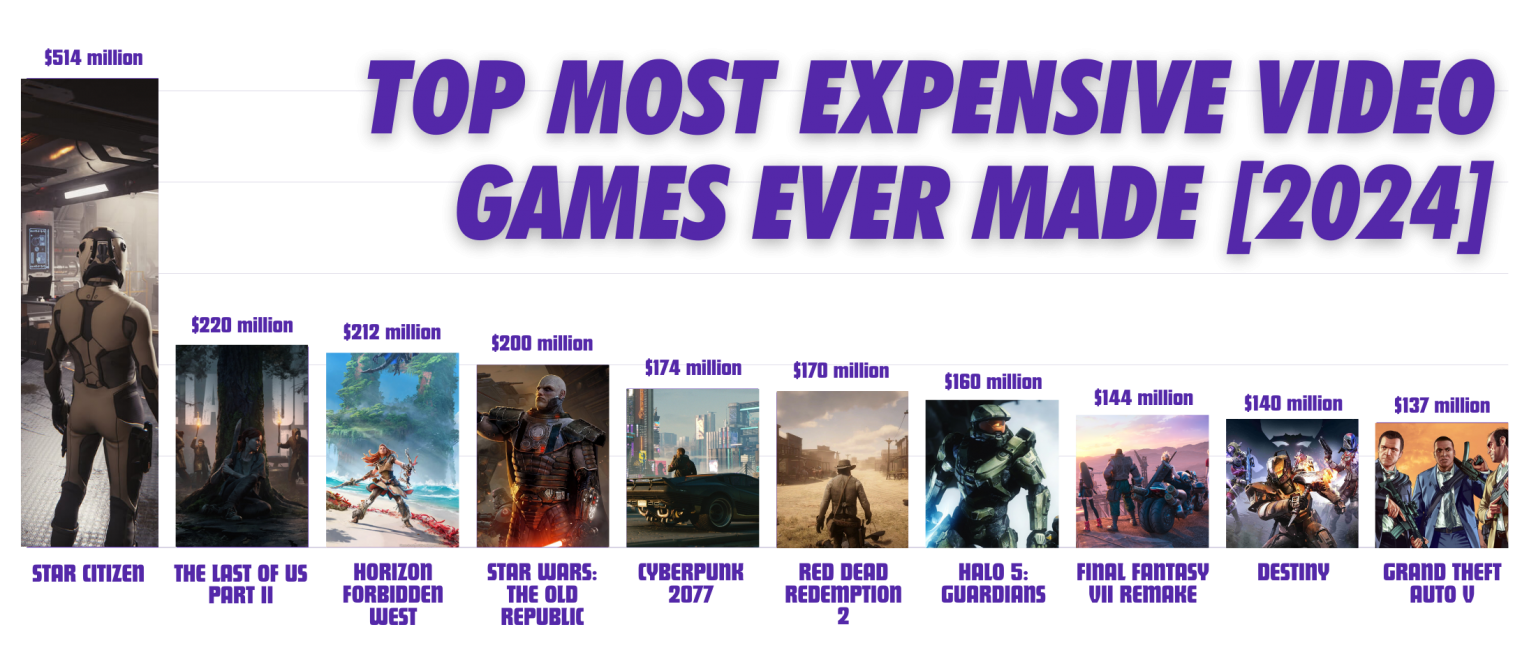
Ways That Gaming Is Changing Forever In 2026 Ps5 Xbox Series X Tv Money Raining . Some Nintendo Switch 2 Physical Games Are Getting More Expensive. Why SSDs Are Getting More Expensive In 2026 Acer Corner Why Ssds Are Getting More Expensive In 2026 . What Is The Most Expensive Ticket For Sweet 16 Game In 2026 March Madness Null . Top Most Expensive Video Games Ever Made 2024 145 Diagram 1536x648
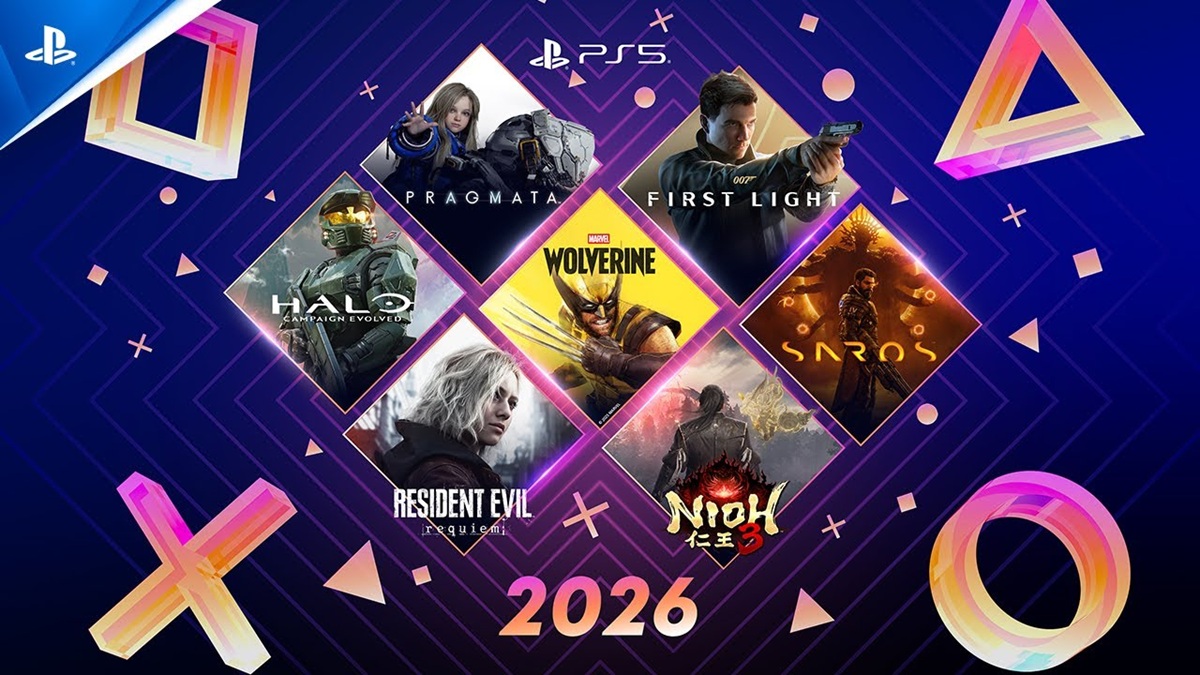


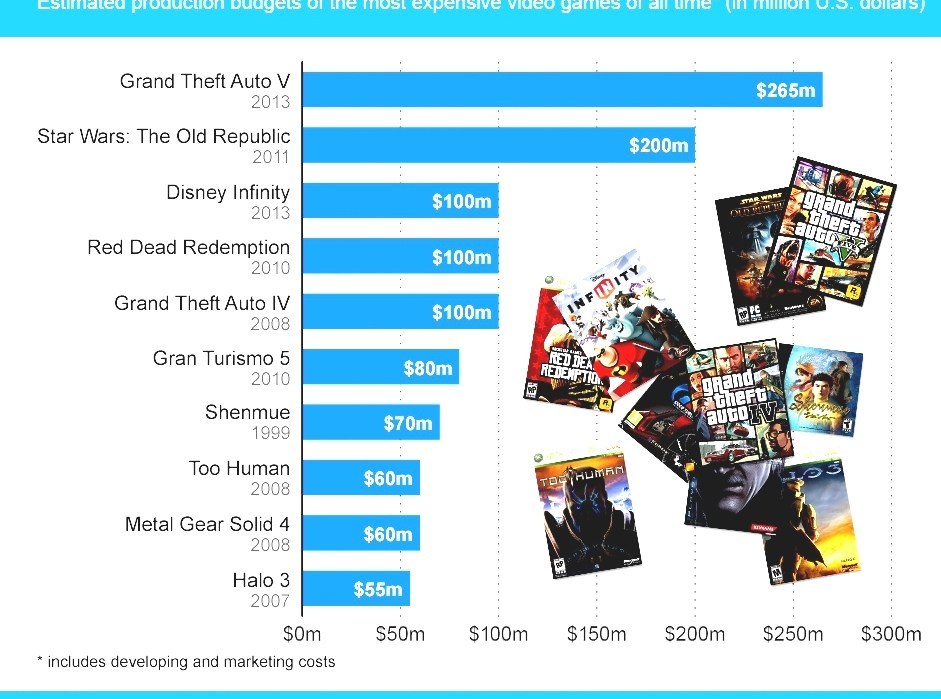
PS5 Players Getting 2026 Packed With Highly Anticipated Games PSUni Ps5 Games 2026 . Rumor PS5 Could Be Getting More Expensive In At Least 1 Region Playstation System Over Money . What Is The Most Expensive Ticket For Sweet 16 Game In 2026 March Madness 2267131613 Large Cropped . Latest GTA VI Delay Will Cost Gaming Business 2 7 Billion In 2025 Games 2025 Chart PR . List Of Most Expensive Video Games To Develop Most Expensive Computer 735790

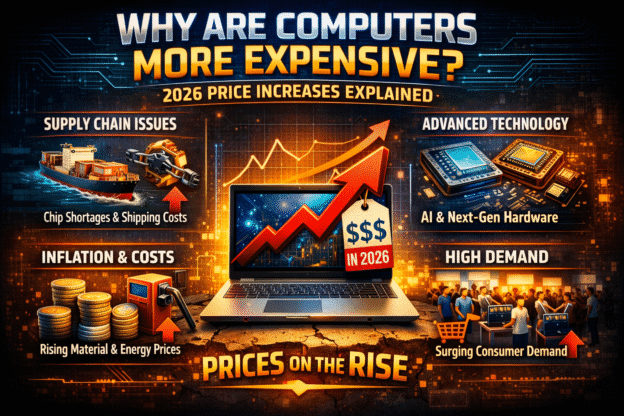


Microsoft Increases Xbox Game Pass Prices Adds New Tier IndieGames GG.Deals . What Is UEFI And How To Convert BIOS To UEFI PC Support Why Are Computers More Expensive 2026 Price Increases Explained 624x416 . Why Is Xbox Series X Expensive At Wanda Devine Blog L Intro 1670422078 . Gaming Is About To Get A Lot More Expensive YouTube . Why PC Parts Keep Getting More Expensive In 2026 And Beyond NoobFeed DRAM DDR5 GSkill

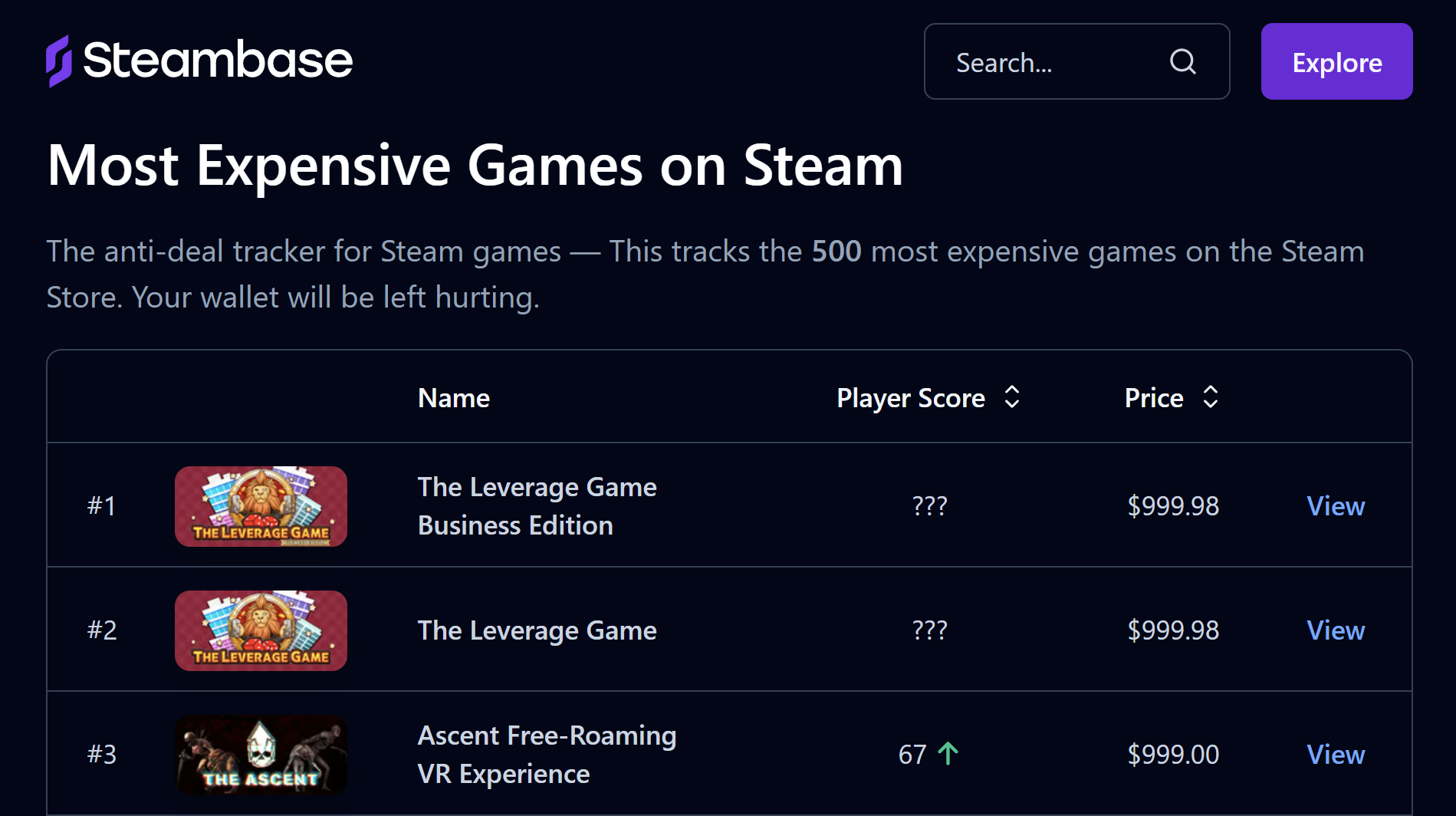


NEW UPCOMING GAMES 2026 Trailer Best New Game Trailers YouTube . Ridiculous Prices These Are The Most Expensive Steam EarlyGame Steam Base Most Expensive Games . 10 Most Expensive Video Games Ever Made 10 Most Expensive Video Games Ever Made . Infographic Shows How The PC Has Fared Against Other Platforms Over 50 2024 01 08 Image 32 . Infographic Video Games Are Getting As Expensive As Movies Fun
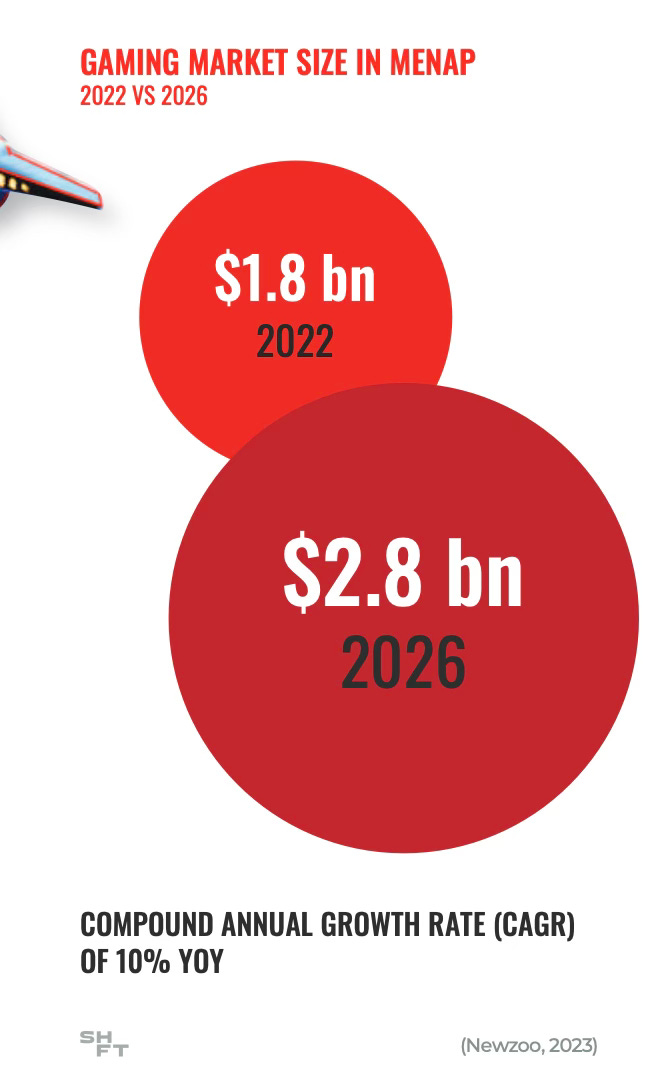




Devtodev Game Market Overview The Most Important Reports Published 12 Gaming Market Projection 2026 . Are Video Games Really More Expensive Biz Sam Naji Pricing 4 . Why Are Games So Expensive To Develop Luke Reacts YouTube . Budget 2026 Will Smartphones Get More Expensive After February 1 . 20 Of The Most Expensive Steam Games In 2026 Worth It Steam Store 930x620
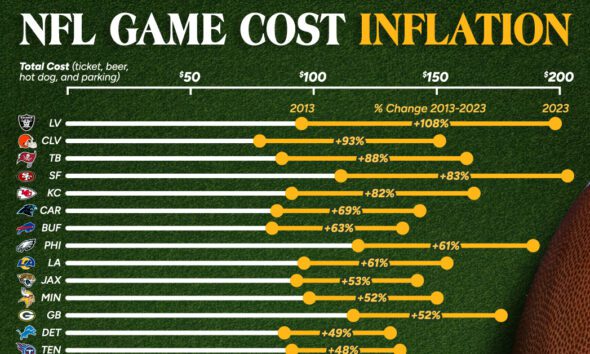

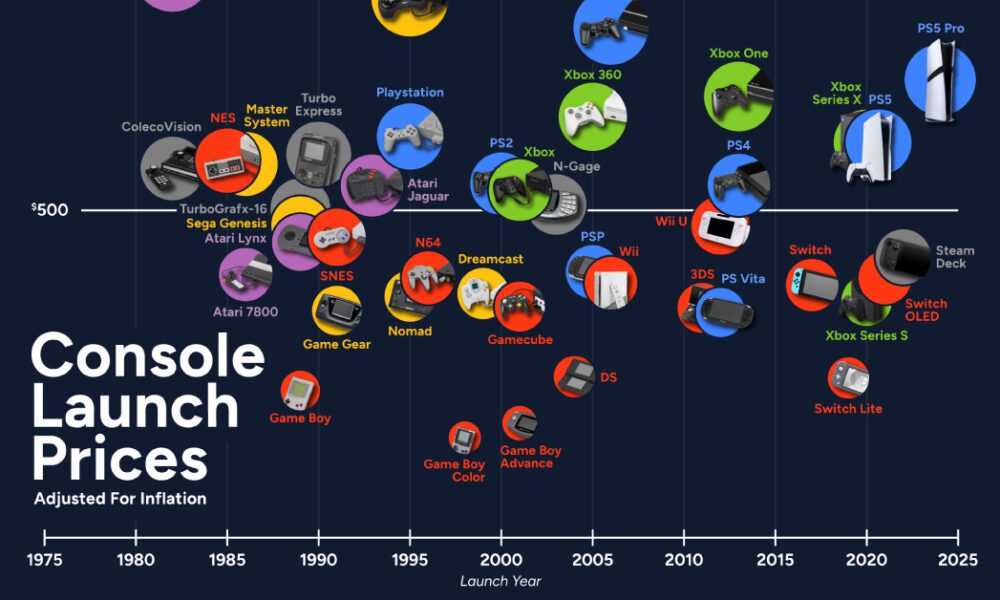

Ranked The World S Most Valuable Sports Teams In 2024 NFL Cost Inflation 02 SHARE 590x354 . 300 Billion By 2026 How Much Money The Game Industry Makes Image 1536x1024 . Visualizing The Most Popular Games Of 2024 Console Prices 02 Share 1000x600 . Rumor PS5 Could Be Getting More Expensive In At Least 1 Region Crimson Desert S Newest Updates Fixes Many Of The Game S Problems . New Fortnite Skin Is 3x More Expensive Than The Game It S Based On DNYUZ Game Of Thrones Fortnite Bundle Price