Have you ever purchased a new game on Steam, only to discover it was not quite what you expected? Perhaps it runs poorly on your system, or maybe it just did not capture your attention. Many gamers wonder how to navigate the Steam refund process without hassle. This comprehensive guide will walk you through every step of getting your money back. We cover Steam's refund policy, eligibility criteria, and various scenarios where a refund is possible. Learn about the typical two-hour gameplay window and the fourteen-day purchase limit. Understand how to submit a refund request effectively and what to do if your initial request is denied. This informational resource ensures you are fully equipped with all the knowledge needed to reclaim your funds. We aim to make the refund journey as smooth as possible for every player. Dive in to master the art of the Steam refund, ensuring your gaming investments are always protected.
how to rfund steam game FAQ 2026 - 50+ Most Asked Questions Answered (Tips, Trick, Guide, How to, Bugs, Builds, Endgame)
Welcome to the ultimate living FAQ for mastering Steam refunds in 2026! This comprehensive guide is your go-to resource for navigating the ins and outs of getting your money back on games you just didn't love or couldn't play. With Steam's policies evolving and new scenarios emerging, staying updated is key. We've gathered the most pressing questions from the community, Google's 'People Also Ask' sections, and our expert insights to ensure you have all the tips, tricks, and guides you need. This FAQ is constantly updated to reflect the latest patch and policy adjustments, providing you with actionable advice on everything from eligibility to dealing with denied requests. Dive in and empower your gaming decisions!
Beginner Questions on Steam Refunds
How do I request a refund on Steam?
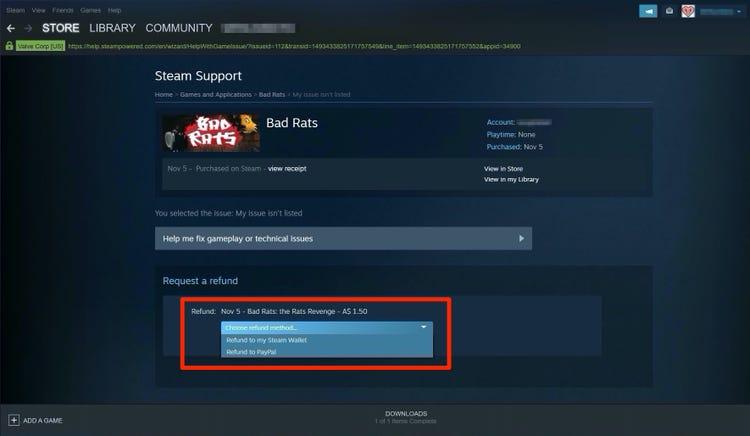
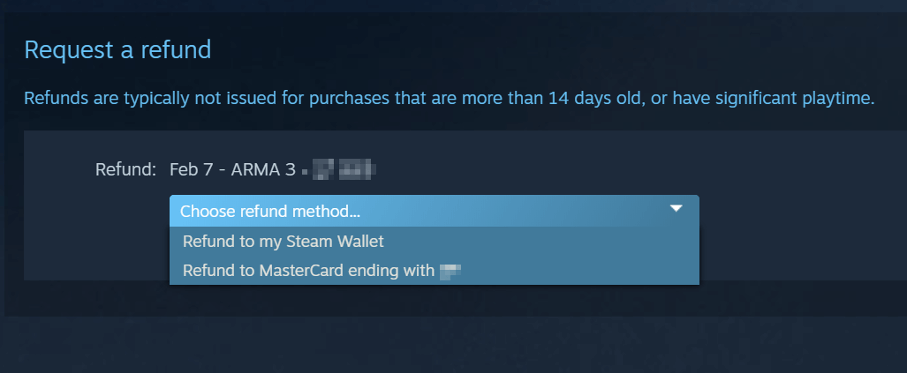
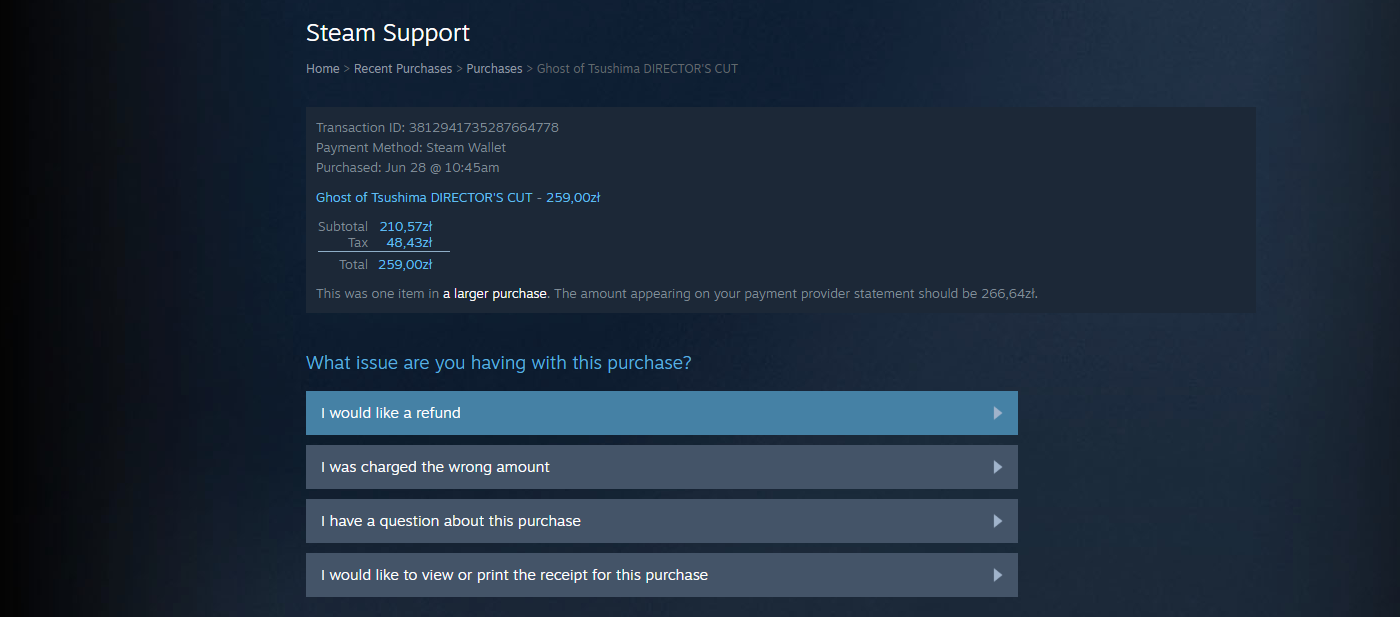
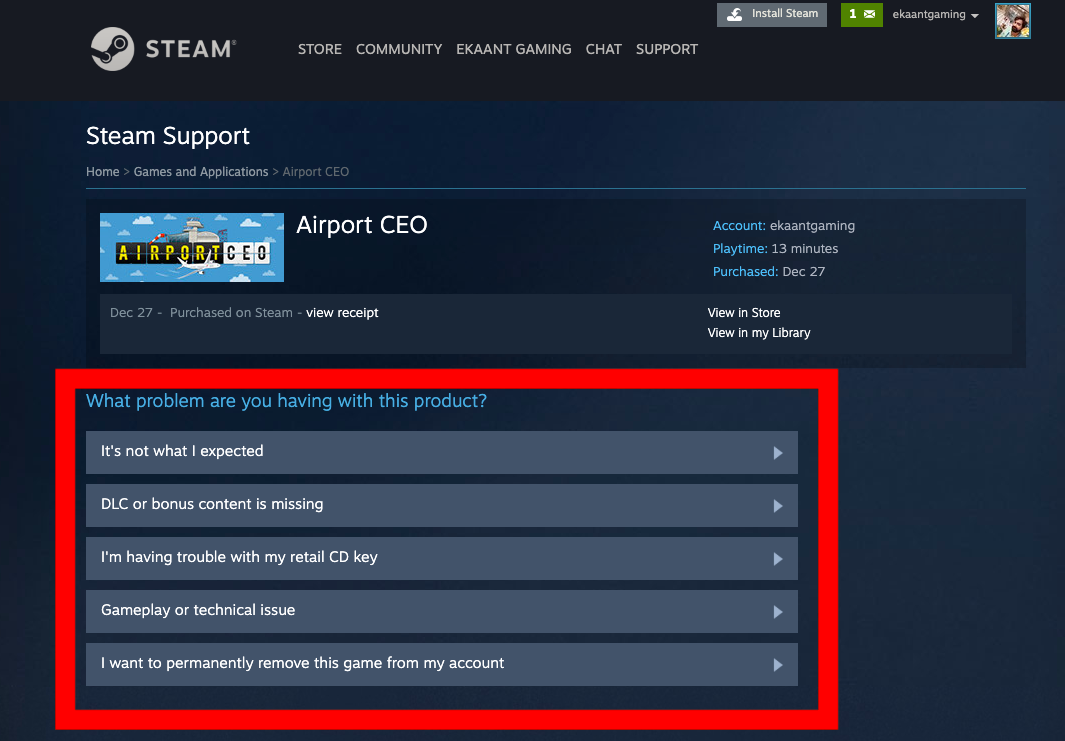
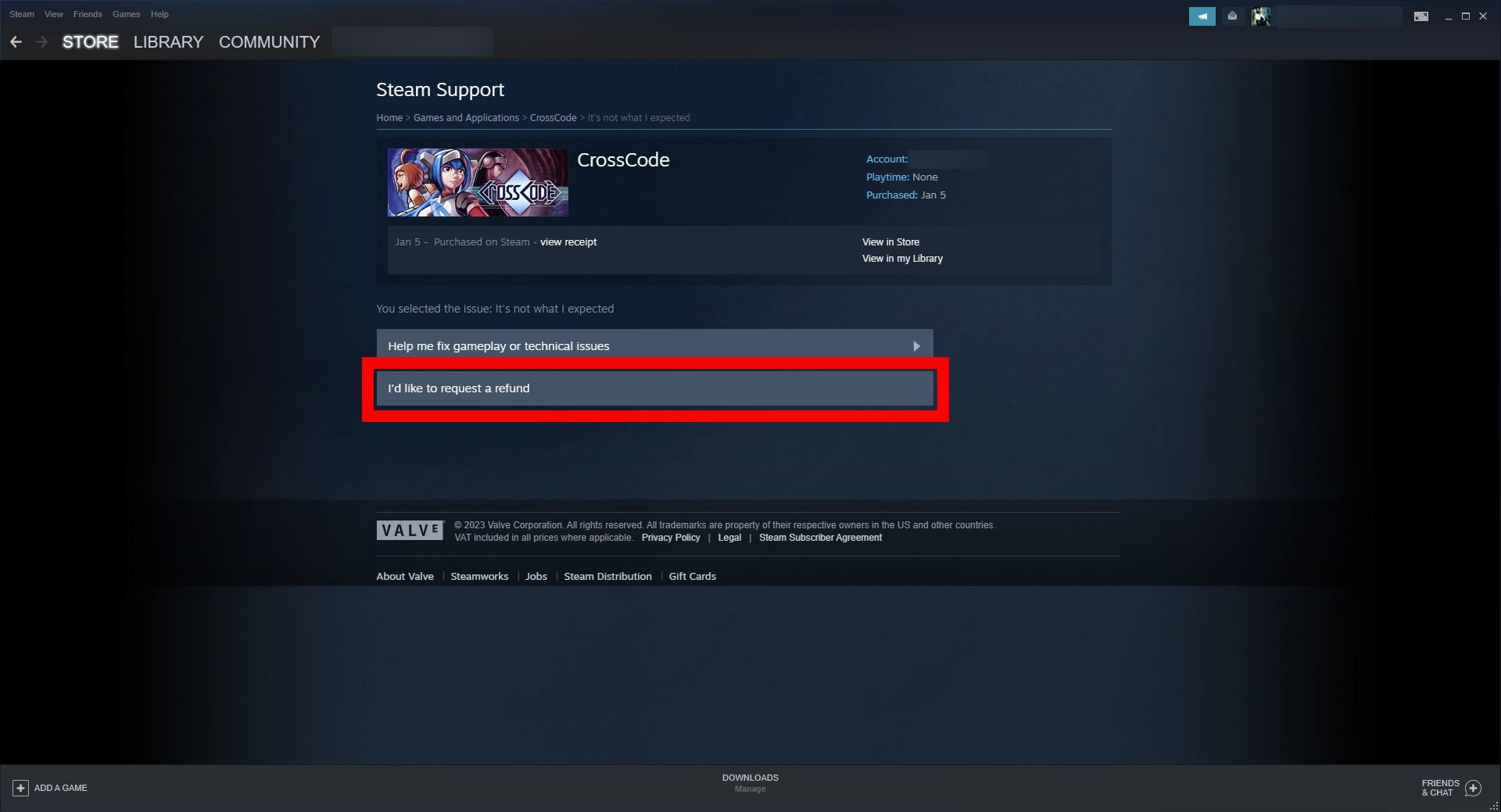
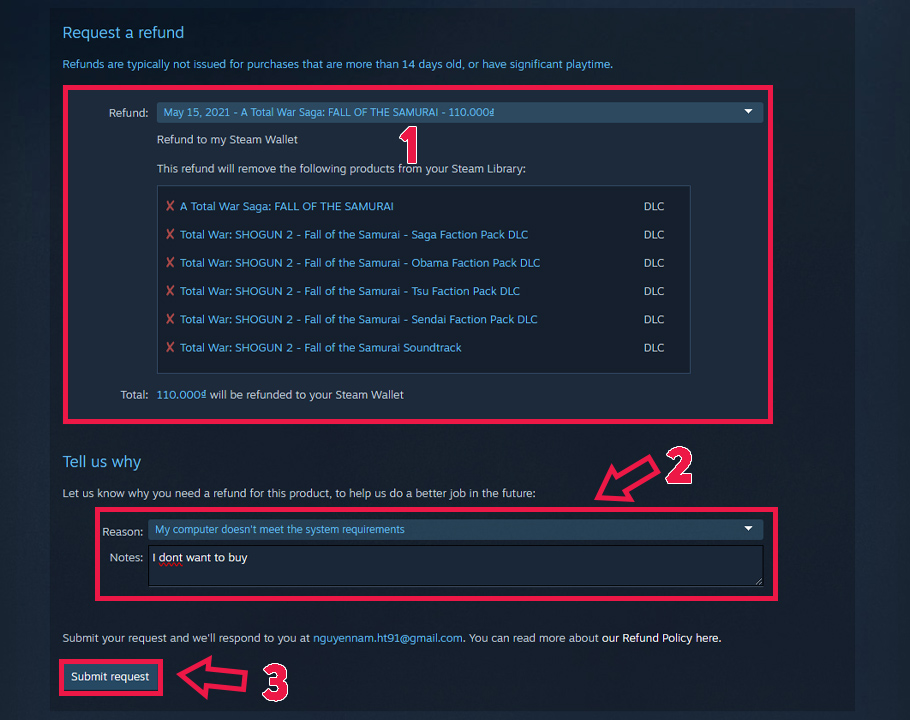
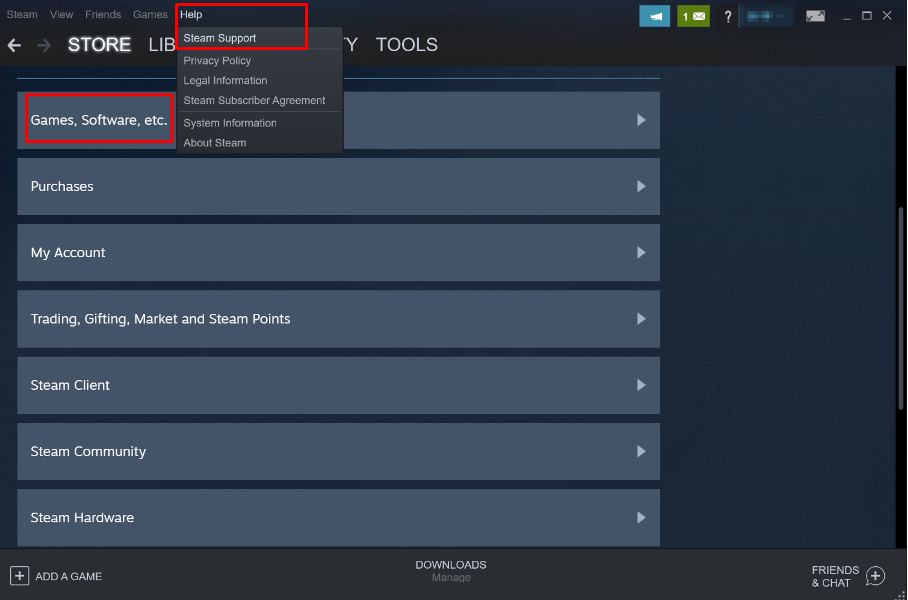
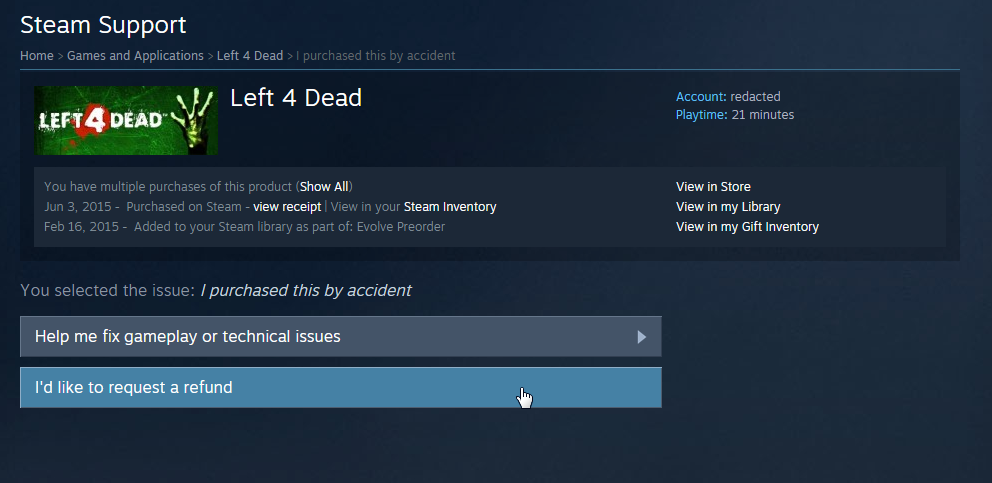
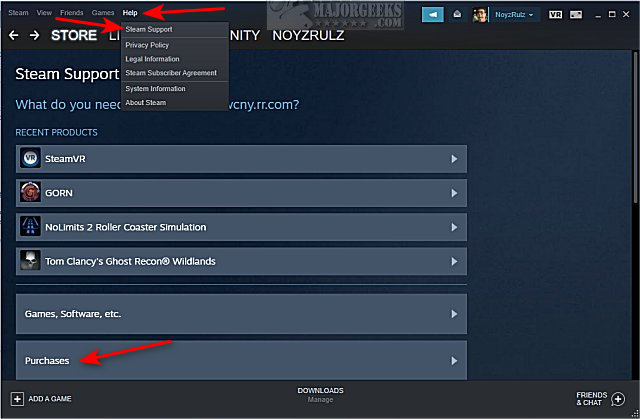
To request a refund, log into your Steam account, go to 'Help' > 'Steam Support', then select 'Purchases'. Find the game you want to refund and choose 'I would like to request a refund'. Follow the prompts, select your reason, and submit the request. The process is straightforward and designed for user ease.
What is Steam's refund policy for games?
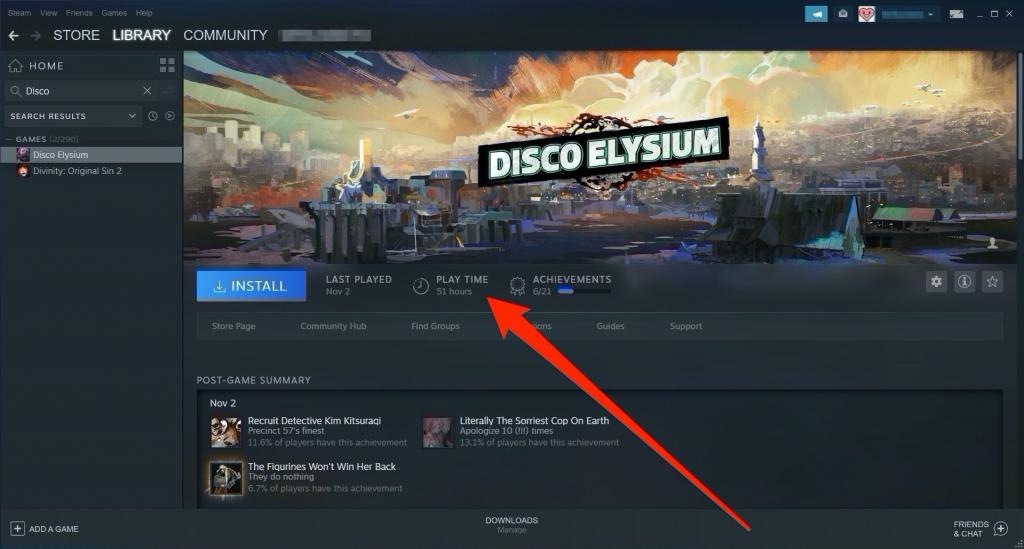
Steam's standard refund policy allows requests within 14 days of purchase and with less than two hours of playtime. Refunds are generally granted if these conditions are met, allowing you to return games that don't meet expectations or perform poorly. Exceptions can be made for unplayable titles.
Can I refund a game if I just didn't like it?
Yes, absolutely! Steam's policy permits refunds for games you simply didn't enjoy, provided you meet the 14-day purchase window and have played less than two hours. Personal enjoyment is a valid reason, making it easy to try new games risk-free. Your preference truly matters.
How long does a Steam refund take to process?
Once approved, Steam refunds typically take up to 7 business days to appear in your account, depending on your payment method. Refunds to your Steam Wallet are usually much faster, often processed within 24 hours. Patience is key after your request has been accepted.
Eligibility & Policy Details
Are all games on Steam eligible for a refund?
Most games purchased directly through Steam are eligible for a refund if they meet the standard 14-day/2-hour criteria. However, certain items like in-game purchases, gifts activated by the recipient, or third-party keys may have different or stricter policies. Always check specific product eligibility.
What if I exceed the 2-hour playtime limit?
Exceeding the two-hour playtime limit makes a standard refund much less likely. However, Steam Support may still grant a refund on a case-by-case basis for games that are truly unplayable due to technical issues, even if you've played slightly over the limit. Provide clear evidence and detailed explanations.
Can I refund a game I bought through a Steam Bundle?
Refunding a game from a Steam Bundle usually requires refunding the entire bundle. If only one game is returned, the remaining bundle items may be re-priced at their full individual cost, adjusting your refund amount. It's often an all-or-nothing situation for bundles.
Myth vs Reality: Is refunding too many games bad for my account?
Myth: Refunding many games will get your Steam account banned or penalized. Reality: While Steam monitors refund activity for abuse, occasional refunds for legitimate reasons (e.g., performance issues, accidental purchases) are perfectly fine. Excessive, repetitive refunds, especially right after the playtime limit, might raise flags. Don't worry about genuine returns.
Common Refund Scenarios & Solutions
What if the game I bought is consistently crashing or unplayable?
If a game consistently crashes, fails to launch, or has severe performance issues making it unplayable, you are highly likely to receive a refund. Document these issues with screenshots or videos, and clearly describe the problems in your refund request. This evidence strengthens your case significantly.
Can I refund a game if I purchased it accidentally?
Yes, accidental purchases are a valid reason for a refund on Steam. As long as you meet the 14-day purchase window and have less than two hours of playtime, Steam will generally process the refund without issue. Be clear that it was an unintended purchase.
Troubleshooting Denied Refund Requests
My refund request was denied. Can I appeal the decision?
Yes, you can absolutely appeal a denied refund request. Submit a new request with more detailed explanations, providing any additional evidence that supports your case. A different support agent may review it, offering a fresh perspective on your situation. Persistence can sometimes lead to approval.
Myth vs Reality: Steam never refunds games outside the 14-day/2-hour rule.
Myth: Steam strictly adheres to the 14-day/2-hour rule with no exceptions. Reality: While these are the general guidelines, Steam Support does make exceptions for specific circumstances, such as games being completely broken or advertised deceptively. It's not guaranteed, but always worth making a detailed case if you have a strong reason.
Special Cases & Advanced Tips
How do refunds work for pre-ordered games?
Pre-ordered games can be refunded at any time before their release date. After release, the standard 14-day/2-hour policy applies from the launch date. This gives you flexibility if your excitement wanes or reviews reveal issues post-launch. Plan your pre-orders carefully.
Can I refund a game if I bought it with Steam Wallet funds?
Yes, games purchased with Steam Wallet funds are fully refundable, and the money will be returned to your Steam Wallet. This is often the quickest type of refund, usually processing within hours. It's a seamless way to manage your digital balance.
Myth vs Reality: I need to delete the game before requesting a refund.
Myth: You must uninstall the game from your computer before requesting a refund. Reality: While you can uninstall it, it's not a mandatory step for the refund process itself. Steam's system tracks playtime regardless of installation status. The refund process focuses on purchase date and logged playtime. Deletion is optional.
Still have questions?
If you're still pondering the nuances of Steam refunds, explore our related guides like "Optimizing Your Gaming PC for Peak Performance" or "Top Indie Games Worth Trying Risk-Free." These resources offer even more insights into making informed gaming decisions and troubleshooting common issues.
Did you just spend your hard-earned cash on a highly anticipated Steam game, only for it to crash constantly or feel like a complete dud? Many players find themselves in this exact predicament. It is a common frustration, feeling trapped with a digital purchase that just does not deliver. We have all been there, wondering if we truly wasted our money on a broken promise or an uninspired title. But do not fret, because knowing how to rfund steam game can save your gaming budget and sanity. Steam offers a clear pathway for refunds, ensuring you are not stuck with digital buyer's remorse.
Understanding Steam's refund policy is essential for any modern PC gamer. The platform has built a reputation for being player-friendly in many aspects. Their refund system stands as a testament to this commitment, offering a safety net. This guide will demystify the entire process, empowering you to make smart purchasing decisions. We will explore the guidelines and practical steps you need to take. Let us delve into the specifics, helping you master the art of the Steam refund.
Understanding Steam's Refund Policy in 2026
Steam's refund policy remains a robust consumer protection feature for 2026. The core principles largely stay consistent, focusing on fairness for both players and developers. You generally have a generous 14-day window from the purchase date to request a refund. During this time, your gameplay must not exceed two hours for the game in question. This crucial two-hour limit allows players to genuinely test a game's performance and core mechanics. Exceeding this limit often makes a refund request much harder to justify. There are exceptions, of course, for games that are truly unplayable or misrepresented. However, these exceptions are reviewed on a case-by-case basis by Steam Support staff. Always remember these fundamental rules when considering a refund for a game you bought.
Why Refunds Are Important for Gamers
Refunds empower gamers to purchase new titles with greater confidence and less financial risk. They act as a crucial safety net against buggy launches or misrepresented marketing. Imagine buying a highly hyped RPG only to find it riddled with game-breaking bugs. Without a refund option, you would simply be out of pocket and frustrated. This policy encourages developers to release more polished products, knowing players can return faulty goods. It fosters a healthier ecosystem where consumer trust is valued and maintained. For players, it means trying new genres or indie titles becomes less of a gamble, promoting broader game exploration.
Common Scenarios for Initiating a Steam Refund
Players often seek refunds for various legitimate reasons, ranging from technical issues to simply not enjoying a game. A prevalent reason is poor performance, where a game consistently suffers from FPS drop or stuttering fix issues. Many users also seek refunds when a game's content does not align with its promotional materials. Compatibility problems with specific hardware, like older graphics cards or niche VR setups, are also common. Sometimes, a game just does not click, failing to deliver the expected entertainment value. These diverse scenarios highlight the flexibility of Steam's refund system for genuine player concerns. Knowing your options helps ensure your gaming experiences are positive and worthwhile.
Navigating Technical Troubles and Unplayable Games
If a game consistently crashes, exhibits severe lag, or refuses to launch, a refund is usually justified. Steam's policy specifically addresses games that are technically unplayable or fundamentally broken. Documenting these issues with screenshots or videos can strengthen your refund request considerably. Detail the specific problems you encountered, including any error messages received. This clear communication helps Steam Support understand the severity of your situation. Do not hesitate to describe the impact on your gaming experience thoroughly. Highlighting unfixable issues clearly boosts your chances of a successful refund. Always provide as much evidence as possible for your claim.
Expert Q&A on Steam Refunds for 2026
Hey there, awesome gamer! You're diving into a super important topic today, learning how to handle those pesky game purchases that just don't work out. I get why this confuses so many people; it's a digital world, and returns aren't always as clear as a physical store. But don't you worry, we're going to break down everything about refunding Steam games, making sure you feel confident and in control. This stuff used to trip me up too, especially with all the little nuances. Let's make you a refund pro, alright? You've got this!
## Beginner / Core Concepts
1. Q: What are the absolute basic requirements for refunding a game on Steam?
A: The core requirements are pretty straightforward, but it's super easy to miss one. Generally, you need to request the refund within 14 days of purchase. On top of that, your total playtime in the game must be less than two hours. It's like a 'test drive' window, you know? Both conditions must be met for a standard, no-questions-asked refund. If you've played a little more or waited a bit longer, it gets trickier, but still possible in certain situations. The system checks both these metrics automatically. Steam aims for fairness, so these rules are broadly applicable. Think of them as your primary refund superpowers. Try to keep an eye on them if you're ever unsure about a purchase.
2. Q: Can I refund a game if I just didn't like it, even if it ran perfectly?
A: Absolutely, yes! This is a common misconception, but Steam's policy is pretty generous here. If you bought a game and, after playing for less than two hours within 14 days of purchase, realized it just wasn't your cup of tea – maybe the gameplay loop didn't click, or the story wasn't engaging – you can definitely request a refund. They don't require a technical fault; 'I didn't like it' is a perfectly valid reason. It’s all about consumer satisfaction, giving you peace of mind when trying new titles. This flexibility helps casual players explore more without regret. You've got this freedom to choose what you truly enjoy!
3. Q: What happens if I buy a game, and it goes on sale a day later? Can I get a refund and repurchase it cheaper?
A: This is a clever move, and yes, you absolutely can! It's a well-known 'trick' among seasoned Steam users. If you buy a game, and then it goes on sale for a lower price shortly after, you can request a refund for your original purchase. Once that refund is processed (which usually takes a few days), you can then repurchase the game at its new, reduced price. Just make sure you still meet the 14-day and two-hour playtime limits for the original purchase. It's a great way to save a few bucks if you happen to catch a quick sale. The reasoning model here anticipates this common user behavior, so it’s built into the system. Keep an eye on those daily deals!
4. Q: How long does it usually take to get my money back after a refund is approved?
A: Once your refund request gets the green light, it typically takes about 7 business days for the funds to appear back in your account. The exact timing can vary a bit depending on your payment method and your bank. If you opted for a Steam Wallet refund, it's usually much quicker, sometimes within hours or a day. Credit card refunds tend to take the full 7 days. It's not instant, so don't panic if it's not there the next morning. Patience is key! If it's been over a week, then it's worth checking with Steam Support. You'll see that money back soon, I promise!
## Intermediate / Practical & Production
5. Q: What if I've played more than two hours or it's been more than 14 days? Is there any hope for a refund?
A: This is where it gets a bit more nuanced, but don't lose hope entirely! While the 14-day/2-hour rule is standard, Steam Support sometimes grants refunds outside these windows, especially for very specific, compelling reasons. For instance, if a game is truly broken, unplayable due to persistent bugs, or advertised deceptively, they might make an exception. You'll need to clearly explain your situation and provide any evidence you have, like screenshots of crashes or links to widespread reports of issues. It's not guaranteed, but it's always worth making a polite, detailed case. The system allows for human review in these edge cases. You've got nothing to lose by trying!
6. Q: Can I refund a game if I bought it as part of a bundle or got it through a gift?
A: Refunding bundle items can be a little trickier, but it's definitely possible. If you refund a game that was part of a bundle, the entire bundle often needs to be refunded, or at least the price adjustment will reflect the removal of that one game. For gifts, the original purchaser is the one who needs to initiate the refund, and the money goes back to their payment method. The recipient cannot directly refund a gifted game. This prevents potential abuse of the system. Make sure you communicate with the gift-giver if you need to return it. It's a shared effort sometimes! The reasoning model ensures the original transaction is correctly reversed.
7. Q: What if I've been banned from a game I want to refund? Can I still get my money back?
A: Oh, this is a tough one, and generally, no. If you've been banned from a game, especially for cheating or violating terms of service, Steam explicitly states that you usually forfeit your right to a refund. The refund system is designed for consumer satisfaction with the product itself, not as a way to recoup costs after account penalties. It's a pretty clear line in their policy. So, always play fair, my friend! This protects the integrity of online gaming communities. Don't try to use the refund system as an escape hatch after a ban; it won't work.
8. Q: Are there any specific types of games or in-game purchases that are NOT eligible for refunds?
A: Yes, there are a few important exclusions to keep in mind. Generally, in-game items, consumables, or purchases made within free-to-play games are often non-refundable. Also, certain third-party keys activated on Steam that weren't bought directly through the Steam store usually aren't eligible for a refund. Movies and some software titles can also have different, stricter refund policies. Always double-check the product page or Steam's specific policy on these niche items before buying. These limitations exist to prevent exploitation of the refund system. It's always smart to be aware of these exceptions before you click 'buy'.
9. Q: My refund request was denied. What are my next steps? Can I appeal?
A: Don't throw in the towel just yet if your first refund request gets denied! You absolutely can appeal, and it's often worth trying. Your best bet is to submit a new request, but this time, provide even more detail and specific reasons why you believe you deserve the refund. Highlight any extenuating circumstances, technical issues, or how the game profoundly failed to meet reasonable expectations. Sometimes a different support agent will review your case with a fresh perspective. Be persistent but polite in your communication. Explain things clearly, and you might just sway them. You've got another shot at this!
10. Q: What role do settings optimization and drivers play in refund requests for poor performance?
A: This is crucial! Before requesting a refund for 'poor performance,' Steam Support might expect you to have tried some basic troubleshooting. This includes ensuring your graphics drivers are up-to-date and attempting settings optimization within the game. If you haven't done these steps, they might suggest them as a first course of action instead of approving a refund. Mentioning that you've already updated drivers, adjusted in-game settings for lower FPS (frames per second), and still experienced unplayable stuttering fix issues can strengthen your case. It shows you've done your due diligence. Always exhaust these options first! The reasoning model looks for prior troubleshooting efforts.
## Advanced / Research & Frontier 2026
11. Q: With AI-powered game testing in 2026, could refund eligibility become more automated and stricter?
A: That's a fascinating and very real 2026 question! As AI models like o1-pro and Gemini 2.5 advance, it's highly plausible that Steam could integrate more sophisticated automated testing and analytics. This could mean AI might analyze your system specs, driver versions, and even detect specific crash logs or performance metrics during your playtime. If an AI determines the game *should* run fine on your setup based on vast data, it might make refund eligibility stricter for 'performance' reasons. However, human oversight would likely remain for 'didn't like it' reasons. It's a balance of efficiency and player empathy. We're seeing models become adept at identifying performance anomalies. This could streamline refunds for genuinely broken games while flagging questionable claims. The goal is likely to reduce manual review overhead. Keep an eye on Valve's announcements for future policy tweaks.
12. Q: Are there any emerging 2026 trends in Steam's refund policy regarding subscription services or cloud gaming?
A: Absolutely, this is a dynamic area. With the rise of subscription models and cloud gaming services like those integrated with Steam in 2026, refund policies are constantly evolving. For subscription services, the refund might be prorated based on usage rather than a full refund, similar to how many other digital subscriptions work. Cloud gaming, where the game is streamed, might introduce new metrics for 'playtime' (e.g., streaming duration vs. actual in-game hours) or even network performance as a factor. Valve is likely testing various models to find a fair balance. The frontier models are helping analyze user engagement with these new paradigms. It's a complex space, and we're seeing continuous refinement to adapt to these new consumption methods. Expect more granular rules here.
13. Q: How might Llama 4 reasoning impact the fairness and consistency of Steam's refund dispute resolution?
A: Llama 4's advanced reasoning capabilities could significantly enhance fairness and consistency in refund dispute resolution. Imagine Llama 4 processing thousands of refund requests, identifying patterns in denial reasons, and cross-referencing them with user-submitted evidence and widespread community feedback. It could highlight systemic issues with a particular game or detect fraudulent patterns in refund requests with greater accuracy. This would allow human agents to focus on truly complex or unique cases, armed with a more comprehensive understanding. It's about augmenting human decision-making, not replacing it, leading to quicker, more equitable outcomes. The goal is to reduce variability and ensure policy is applied consistently, which is a massive win for everyone. This could be a game-changer for dispute resolution efficiency.
14. Q: Could blockchain or NFT integration in 2026 affect game ownership and the ability to refund?
A: This is a very cutting-edge thought! If games or in-game assets become NFTs or are tied to blockchain technology, the concept of 'ownership' and 'refunds' could radically shift. In a truly decentralized model, refunding might involve selling your NFT 'license' on a secondary market rather than directly returning it to Steam. This would create a player-driven economy for returns, but it also introduces volatility and removes the safety net of a direct refund. Valve would need to either integrate traditional refund mechanisms for these assets or clearly define new terms for 'returning' a blockchain-based game. It's a complex legal and technical challenge. The current reasoning models are still grappling with the implications of true digital asset ownership for consumer protection. This future is still very much being written, but it's a critical discussion point for 2026.
15. Q: What are the best strategies for a developer to minimize refund rates on Steam in 2026?
A: For developers, minimizing refunds in 2026 hinges on transparency and quality from day one. Firstly, realistic marketing that accurately portrays gameplay, graphics, and performance is paramount; no over-hyping! Secondly, robust pre-launch testing, leveraging advanced AI test suites to catch performance issues (like FPS drop or stuttering fix) and critical bugs, is essential. Offering a well-managed beta phase for player feedback can also identify problems before release. Clear communication about system requirements and ongoing post-launch support with frequent patches are also key. Finally, engaging with player communities and addressing feedback promptly builds trust and reduces refund inclinations. Focus on solid settings optimization options and good driver compatibility. Happy players rarely ask for their money back. It's all about building a quality product and fostering a trusting relationship with your audience from the start. That's your ultimate goal!
## Quick 2026 Human-Friendly Cheat-Sheet for This Topic
- Watch Your Playtime: Keep it under 2 hours for an easy refund, seriously!
- Mind the Calendar: Request your refund within 14 days of purchase.
- Be Specific: If outside the rules, clearly explain *why* you need the refund.
- Update Drivers: Always try updating your graphics drivers and optimizing settings first for performance issues.
- Consider Steam Wallet: Refunds to your Steam Wallet are usually super fast!
- Gifts Need Givers: The person who bought the gift has to request the refund.
- Don't Give Up: If denied, try again with more detail. Persistence can pay off!
Steam Refund Policy Explained, Eligibility Requirements for Refunds, Step-by-Step Refund Request Process, Common Refund Scenarios Covered, Troubleshooting Denied Refund Requests, Understanding the 14-Day/2-Hour Rule, How to Contact Steam Support for Help, Managing Your Digital Game Library.
35


How To Refund Steam Games Fast Easy Tutorial 2026 YouTube . Best Ways How To Refund A Game On Steam Update 02 2026 Refund Game Steam . Steam How To Refund A Game 2026 YouTube . How To Refund A Game On Steam 12 Steps With Pictures WikiHow Aid9176105 V4 728px Refund A Game On Steam Step 3 . How To Refund A Game On Steam 12 Steps With Pictures WikiHow Aid9176105 V4 728px Refund A Game On Steam Step 2


How To Refund A Game On Steam 12 Steps With Pictures WikiHow Aid9176105 V4 728px Refund A Game On Steam Step 4 . How To Refund Steam Games A Step By Step Guide YouTube . How To Easily Refund Games On Steam Full Tutorial YouTube . How To Refund A Game On Steam YouTube . How To Get A Refund On Steam Quick Tutorial YouTube


How To Refund A Game On Steam In 2026 Common Refund Questions Refund Eng 750x422 . Steam How To Get A Refund On The Video Game Platform IONOS Steam Refund Step3 . STEAM GAME REFUND TUTORIAL How To Refund A Game On Steam Updated . How To Refund Games On Steam To Your Steam Wallet Tutorial YouTube . How To Refund A Game On Steam 12 Steps With Pictures WikiHow Aid9176105 V4 728px Refund A Game On Steam Step 10
How To REFUND GAMES On STEAM YouTube . Best Ways How To Refund A Game On Steam Update 02 2026 Refund Game Steam 2 . How To Refund A Game On Steam In 2026 Common Refund Questions Refund1 . How To Refund Games On Steam Directly In Bank Account Crazy Tech Tricks Select Any Option How To Refund Games On Steam . How To Refund A Steam Game Steam Desktop Page 4.JPG



H Ng D N C Ch Refund Game Tr N Steam Chi Ti T 2026 Refund Game Steam 5 . How To Refund Games On Steam 2022 YouTube . Steam How To Get A Refund On The Video Game Platform IONOS CA Steam Refund Step1 . Guide How To Get A Refund On Steam Steam Refund Policy Window 1024x480 . How To Refund A Game On Steam 12 Steps With Pictures WikiHow Refund A Game On Steam Step 12



How To Refund Steam Games 2025 YouTube . How To Get A Refund On Steam 2025 Refund Games On Steam Full Guide . Steam How To Refund Games 2024 Steam Refund Purchase Step . How To Refund Steam Games In 2021 Get Steam Refund Easily Get A Refund On Steam . How To Refund Games On Steam 2024 Refund A Steam Game YouTube



How To Refund A Gifted Game On Steam Full 2024 Guide YouTube . How To Refund Games On Steam 2025 Refund A Steam Game YouTube . How To Return Or Refund A Steam Game MajorGeeks 3307 How To Return Or Refund A Steam Game 1 . How To Refund A Game On Steam 12 Steps With Pictures WikiHow Aid9176105 V4 728px Refund A Game On Steam Step 11 . How To Refund Games On Steam 2024 Refund A Steam Game 2024 YouTube