Are you tired of losing your precious game saves for titles outside Steam's cozy cloud? Many gamers face this common frustration, wondering how to protect their progress. This comprehensive guide, updated for 2026, dives deep into practical solutions for non-Steam game cloud saves. We explore various methods, from manual syncing to advanced third-party tools, ensuring your hard-earned achievements are always secure. Discover innovative strategies for GOG, Epic Games, and even obscure indie titles, guaranteeing peace of mind. Learn about crucial settings optimization for your chosen cloud service and tips to prevent data loss. Whether you are a casual player or a dedicated pro, mastering non-Steam cloud saves is essential for modern gaming. This article will help you navigate the complexities, providing clear, actionable steps to safeguard your digital adventures across all your devices and platforms. Dont let a system crash or new PC build erase your gaming history ever again. Future-proof your game library with our expert advice.
Welcome, fellow gamers, to the ultimate living FAQ for non-Steam game cloud saves in 2026! We know the struggle is real when it comes to safeguarding your progress outside the Steam ecosystem. Losing hours of gameplay to a corrupted drive or a new PC build is a nightmare nobody wants to experience. This guide, meticulously updated for the latest software and cloud solutions available in 2026, is your go-to resource. We've compiled over 50 of the most pressing questions, covering everything from beginner basics to advanced strategies, common bugs, and essential builds for managing your save files. Our goal is to provide honest, detailed answers, packed with actionable tips and tricks. Whether you're playing a hardcore RPG, a competitive MOBA, or a charming indie gem, preserving your save data is paramount. Get ready to future-proof your gaming library and never fear losing progress again, because we're diving deep into the secrets of seamless non-Steam cloud saving. Let's make sure your digital adventures are always backed up and ready for action!
Beginner Questions & Core Concepts
How can I find my game save files for non-Steam games?
Locating non-Steam game save files often requires a little detective work. Start by checking your Documents folder, particularly subfolders named after the game or developer. The AppData folder (accessible by typing %appdata% in Run) is another common spot, usually under Local, Roaming, or LocalLow. Some games even put saves directly in their installation directory. A quick search online for "[Game Name] save file location" is always a reliable trick.
Can I use a simple USB drive for non-Steam game save backups?
Yes, a simple USB drive is an excellent starting point for non-Steam game save backups. It’s a straightforward, physical method that gives you direct control over your save data. However, remember this requires manual updates and the USB drive itself could be lost or corrupted. For true peace of mind, consider this a primary backup and always aim for a cloud solution as a secondary layer of protection.
What are the basic free cloud services suitable for game saves?
For basic free cloud services, options like Google Drive, Microsoft OneDrive, and Dropbox are perfect. They offer a decent amount of free storage (typically 5-15GB) and client applications that can automatically sync local folders to the cloud. You simply copy your game save folder into the synchronized cloud folder, and it handles the rest. This is an easy entry point for managing your saves.
Myth vs Reality: Does adding a non-Steam game to Steam automatically cloud save it?
Myth: Adding a non-Steam game to your Steam library magically enables Steam Cloud for its saves. Reality: Unfortunately, this is incorrect. Adding a game to Steam only provides a convenient launcher shortcut. Steam's cloud save functionality is tied to its specific game IDs and integration, which non-Steam titles lack. You'll still need alternative cloud save methods for those games, so don't rely on Steam for this feature.
Advanced Backup Strategies & Tools
What are the best third-party tools for automating non-Steam cloud saves?
The best third-party tools for automating non-Steam cloud saves often include GameSave Manager and Ludusavi. GameSave Manager offers a user-friendly interface to locate, backup, and restore saves, integrating with cloud services. Ludusavi is an open-source alternative known for its broad game support and robust backup options. Both provide excellent features for a comprehensive save management system, making automation much simpler.
How does file synchronization software help with non-Steam game backups?
File synchronization software, such as FreeFileSync or SyncBackFree, automates the process of mirroring your local game save folders to a cloud drive. You define source and destination folders, and the software periodically checks for changes, copying new or modified files. This ensures your cloud backup is always up-to-date without constant manual intervention, offering a continuous layer of protection for your game progress.
Can I use version control systems for game saves, like Git?
Using version control systems like Git for game saves is an advanced but highly effective strategy, particularly for developers or tech-savvy gamers. It allows you to track every change to your save files, revert to previous versions, and manage conflicts. While more complex to set up, it offers unparalleled control and data integrity. This method is a bit overkill for casual use but powerful for critical projects.
Launcher-Specific Cloud Solutions (Epic, GOG, etc.)
How do Epic Games Launcher cloud saves work for their titles?
Epic Games Launcher provides its own integrated cloud save functionality for most games purchased through its store. It typically works automatically in the background; when you launch or close a supported game, your save data is synced to Epic's cloud servers. Always ensure your Epic Games account settings have cloud saves enabled, and check individual game pages for confirmation of this feature.
Does GOG Galaxy offer reliable cloud saving for my games?
Yes, GOG Galaxy offers reliable cloud saving for a significant portion of its game library. Known as "GOG Cloud Saves," this feature ensures your progress is backed up and accessible across different devices. Simply launch your GOG Galaxy client, and for supported games, cloud syncing will occur automatically. It’s a seamless experience that parallels Steam's convenience, prioritizing DRM-free gaming with excellent backup support.
Myth vs Reality: All non-Steam games automatically support cloud saves if they're on a launcher.
Myth: Every game on launchers like Epic or GOG will automatically have cloud saves. Reality: While many titles on these platforms do support cloud saves, it's not a universal guarantee. Indie games or older titles might not have this feature implemented. Always check the specific game's store page or support documentation to confirm cloud save availability before assuming your progress is automatically protected.
Troubleshooting & Common Issues
What should I do if my non-Steam cloud saves aren't syncing correctly?
If your non-Steam cloud saves aren't syncing, first verify your internet connection. Then, check if the cloud service client (e.g., Google Drive, OneDrive) is running and configured correctly to sync the save folder. Ensure there are no file conflicts or full storage quotas. Sometimes, pausing and resuming synchronization, or even a system restart, can resolve minor glitches. Always check application logs for specific error messages.
How can I recover a corrupted non-Steam game save from the cloud?
To recover a corrupted non-Steam game save from the cloud, immediately check if your cloud service offers file versioning. Services like Google Drive or OneDrive often keep older versions of files, allowing you to restore a pre-corrupted state. If no versioning is available, your best bet is a recent local backup. This highlights the importance of multiple backup strategies for critical game data.
What if my antivirus flags my cloud save tool as a threat?
If your antivirus flags your cloud save tool, first confirm the tool's legitimacy from a trusted source. Reputable tools like GameSave Manager are generally safe, but false positives can occur. Add the tool to your antivirus's exclusion list, ensuring it can operate without interference. If suspicions persist, consider an alternative tool or manual methods to protect your system while securing your game progress effectively.
Optimizing Settings for Cloud Backup
How can I optimize my cloud service settings for game save backups?
Optimizing your cloud service settings for game saves involves smart folder selection and bandwidth management. Only sync the specific game save folders, not entire game directories, to conserve space and speed. Prioritize these syncs during off-peak hours or throttle upload/download speeds to avoid impacting your online gaming performance like ping. Regularly check your available cloud storage to prevent sync failures due to full capacity.
Should I enable file versioning for my game save folders in the cloud?
Absolutely, enabling file versioning for your game save folders in the cloud is a critical settings optimization. This feature allows you to retrieve older iterations of your save files, which is invaluable if a save becomes corrupted or you accidentally overwrite progress. It provides an essential safety net, letting you rewind to a functional save point and preventing permanent loss. It’s a smart, proactive safeguard.
Managing Saves Across Multiple PCs & Devices
What's the best way to keep non-Steam saves synced between two gaming PCs?
The best way to keep non-Steam saves synced between two gaming PCs is using a reliable cloud storage service with folder synchronization. Install the cloud client (e.g., Google Drive, OneDrive) on both PCs and configure it to sync the exact game save folders. This ensures that any progress made on one PC is automatically updated and available on the other, providing seamless cross-device gaming without manual intervention. This is ideal for PC pro users.
Can I access my non-Steam cloud saves from a gaming handheld or console?
Accessing non-Steam cloud saves from gaming handhelds or consoles is generally challenging and often unsupported directly. These platforms typically have their own proprietary save systems. While some handhelds running Windows or Android might allow cloud sync client installation, direct integration with console save data is rare. Cloud streaming services might offer a workaround, but it's not a direct save transfer. It depends heavily on the device and game.
Myth vs Reality: Cloud saves increase lag or stuttering during gameplay.
Myth: Cloud saves constantly run in the background, causing noticeable lag, FPS drop, or stuttering during intense gameplay. Reality: This is largely untrue. Cloud save synchronization for non-Steam games typically occurs during game launch, exit, or specific checkpoints, not continuously during active gameplay. Any minor background processes are usually negligible and won't impact your in-game performance significantly. Performance issues are more often related to system hardware or internet connection stability, not save syncing.
Indie & Niche Game Save Solutions
How do I backup saves for obscure indie games without cloud support?
Backing up saves for obscure indie games without cloud support requires manual effort. First, pinpoint the save file location, which can sometimes be tricky. Then, regularly copy these files to a reliable cloud service like Google Drive or a local external drive. Consider using a tool like GameSave Manager, as it often has community-driven save location databases. Consistent manual backups are your best defense here.
Are there community-driven databases for non-Steam game save locations?
Yes, several community-driven databases exist that help pinpoint non-Steam game save locations. Websites like PCGamingWiki are invaluable resources, offering detailed information on game configurations, save paths, and troubleshooting tips for a vast array of titles. Tools like GameSave Manager also rely on community contributions to expand their save detection capabilities. These resources are goldmines for dedicated gamers.
Endgame Grind & Save Protection
Why is cloud saving especially important for long RPGs or MMOs?
Cloud saving is critically important for long RPGs and MMOs due to the immense time investment and cumulative progress involved. Losing hundreds of hours in an RPG or months of character progression in an MMO would be devastating. Cloud saves ensure that your endgame grind, character builds, and rare loot are protected from any local data loss, allowing you to pick up your adventure anywhere, anytime. It’s essential for preserving your gaming legacy.
What precautions should I take when using mods with cloud saves?
When using mods with cloud saves, extreme caution is advised. Mods can significantly alter game files and save structures, potentially leading to save corruption or incompatibility when synced. Always make local backups of your unmodded saves before applying mods. Consider using mod managers that isolate changes, and never assume cloud services will gracefully handle mod-altered saves without issues. Separate profiles are often best.
Bugs & Fixes for Save Data
How can I prevent save file corruption in non-Steam games?
Preventing save file corruption in non-Steam games involves several key practices. Always ensure your game is properly exited before shutting down your PC. Avoid force-closing games. Maintain regular cloud and local backups, utilizing file versioning where available. Ensure your storage drive is healthy with regular checks, and avoid any third-party tools that make unsupported modifications to save files. Proactive steps are crucial.
What if a game update makes my old cloud saves incompatible?
If a game update renders your old cloud saves incompatible, it's a frustrating but sometimes unavoidable issue. Your best defense is a local backup of your saves *before* the update. Check game forums or developer notes for information on save compatibility with new patches. Sometimes, developers provide tools or instructions for migrating old saves. In some cases, starting a new game might be the only viable solution.
Myth vs Reality: All cloud services are equally secure for game saves.
Myth: All cloud services offer identical levels of security for your sensitive game save data. Reality: This is far from true. While major providers like Google Drive, OneDrive, and Dropbox offer robust security, including encryption, their policies and features can vary. Always opt for services with strong encryption, two-factor authentication, and a clear privacy policy. Researching the security measures of any service you choose is paramount for protecting your digital assets.
General Tips, Tricks & Future Proofing
What is the most reliable overall strategy for non-Steam cloud saves in 2026?
The most reliable overall strategy for non-Steam cloud saves in 2026 combines automated syncing with reputable cloud services and regular local backups. Identify all save locations, then use a tool like FreeFileSync or GameSave Manager to automatically mirror them to Google Drive or OneDrive. Supplement this with weekly manual backups to an external drive. This multi-layered approach ensures maximum data redundancy and peace of mind for your gaming endeavors. This strategy offers ultimate protection.
How can I stay updated on new non-Steam cloud save solutions?
Staying updated on new non-Steam cloud save solutions involves following gaming tech blogs, forums, and developer communities. Websites like PC Gamer, Kotaku, and specific game wikis often cover new tools or best practices. Subscribing to newsletters from cloud service providers and save management tool developers also keeps you in the loop. The gaming landscape evolves quickly, so active engagement is key to staying informed. This is crucial for pro and beginner players.
Myth vs Reality: Cloud saves consume huge amounts of bandwidth.
Myth: Cloud saving your game progress will constantly devour your internet bandwidth, especially if you have many games. Reality: Game save files are typically very small, ranging from a few kilobytes to a few megabytes. While initial uploads of large save folders might use some bandwidth, subsequent syncs only transfer small changes, consuming minimal data. The impact on your overall bandwidth usage is usually negligible, especially for most modern internet connections. It definitely won't cause ping spikes.
What should I avoid doing when managing non-Steam game saves?
When managing non-Steam game saves, avoid several pitfalls. Never manually move or rename save files while the game is running. Do not rely solely on a single backup method; always diversify. Steer clear of unverified or suspicious third-party tools that promise magical save solutions. Avoid letting your cloud storage fill up, which can halt synchronization. Always back up before making significant system changes or applying major mods. Careful management prevents headaches.
Community & Support
Where can I get help if I'm still struggling with non-Steam cloud saves?
If you're still struggling, the gaming community is your best friend! Head to dedicated subreddits like r/pcgaming or r/cloudgaming. Official game forums and Discord servers are also excellent places to ask specific questions. Websites like PCGamingWiki offer extensive troubleshooting guides. Don't hesitate to reach out; fellow gamers are often eager to share their expertise and help you secure your precious game progress effectively. You're not alone in this journey.
Are there any specific "builds" or configurations optimized for cloud-first gaming?
For cloud-first gaming "builds," the focus isn't hardware but rather software and network configuration. Optimize your internet connection for stability and speed, and prioritize low latency. On the software side, use robust cloud sync clients, configure them to run silently, and ensure adequate local storage for game installations. The "build" is more about creating an efficient digital ecosystem for seamless cloud integration than powerful PC components. Think software rather than hardware optimization.
Still have questions about securing your non-Steam game saves? Explore our other popular guides like "Ultimate PC Performance Boost Guide 2026" or "Top 10 Indie Games with Built-in Cloud Saves." Your gaming legacy deserves the best protection!
Ever found yourself staring at a blank save screen after installing a non-Steam game on a new PC? Many gamers ask, "How do I ensure my non-Steam game progress is safe in the cloud?" This perplexing issue used to keep me up at night, imagining countless hours of gameplay vanishing into the digital ether. Losing your hard-earned progress on an epic RPG or a crucial Battle Royale rank can feel like a real digital heartbreak. But fear not, fellow players; securing those precious non-Steam game cloud saves in 2026 is totally achievable with the right knowledge and some clever tricks.
We are diving deep into the fascinating world of protecting your game data outside the familiar embrace of Steam’s cloud infrastructure. This isn't some secret whispered among pro gamers; it's essential knowledge for everyone. Modern gaming demands robust solutions, especially as we juggle titles from various launchers like Epic Games, GOG, and countless indie platforms. Ensuring your settings optimization for these diverse platforms is a crucial first step toward true save security. Let’s unravel the mystery together and keep your gaming history intact, no matter what digital adventure awaits you next.
Beginner / Core Concepts
- Q: What exactly is a non-Steam game cloud save and why do I need it? A: A non-Steam game cloud save involves storing your game progress for titles not purchased through Steam on an external server. This safeguard prevents data loss from hardware failure or system upgrades, ensuring your game data is always accessible. You absolutely need it to protect your valuable playtime from unexpected digital disasters and maintain seamless progress across different gaming setups. It’s like a digital insurance policy for your gaming efforts. This keeps your progress safe and sound.
- Q: Can I really use Steam Cloud for my non-Steam games, or is that a myth? A: This is a common myth, sadly. You cannot directly use Steam Cloud for games purchased outside Steam or launched without its native integration. Steam Cloud is designed exclusively for titles within its own ecosystem, linking saves directly to your Steam game license. While you can add non-Steam games to your Steam library for launching, their save files will not automatically sync with Steam's cloud service. You will need alternative solutions for those specific games.
- Q: Where do non-Steam games typically store their save files locally on my PC? A: Non-Steam games usually stash their save files in several common locations on your PC. These often include your user's Documents folder, AppData (Local, Roaming, or LocalLow subfolders), or sometimes directly within the game's installation directory. Locating these directories is the first crucial step before you can implement any external cloud backup solutions. Knowing these specific paths saves you tremendous time and effort.
- Q: What are the most basic, free methods to back up non-Steam game saves? A: The most basic free methods involve manual copying and pasting your save files to a personal cloud service like Google Drive or Dropbox. You can also use a simple USB drive for quick, portable backups. While these methods are straightforward and cost-effective, they do require consistent manual effort to keep your saves updated. It’s a good starting point for beginners or casual players.
Intermediate / Practical & Production
- Q: How can I automate backing up my non-Steam game saves to a cloud service? A: Automating backups is a fantastic move for seamless save protection. You can achieve this by using file synchronization software like FreeFileSync or setting up scheduled tasks in Windows. These tools automatically copy changes from your local save folders to a chosen cloud drive, such as OneDrive or Google Drive. This proactive approach significantly reduces the risk of data loss, freeing you from manual intervention worries. It's a real game-changer.
- Q: Are there any dedicated third-party tools specifically for non-Steam cloud saves? A: Absolutely, several dedicated third-party tools simplify non-Steam cloud saves. Programs like GameSave Manager or Ludusavi are excellent choices, offering features to locate, backup, and restore game saves efficiently. These utilities often integrate with various cloud storage providers, providing a more robust and streamlined solution than manual methods. They are perfect for managing extensive game libraries. These programs handle the heavy lifting.
- Q: What about games from other launchers like Epic Games or GOG? Do they have their own cloud saves? A: Yes, many major launchers like Epic Games and GOG Galaxy feature their own integrated cloud save functionalities for titles purchased through their platforms. Epic Games Launcher usually enables cloud saves automatically for supported games, similar to Steam. GOG Galaxy also offers a robust cloud saving system, ensuring your game data is secure within their ecosystem. Always check specific game pages for cloud save compatibility.
- Q: How do I handle game save data migration when I get a new PC or reinstall Windows? A: Game save data migration for non-Steam titles demands careful planning. First, locate and back up all your save files to an external drive or cloud service before making any changes. After your new system or fresh Windows install, reinstall the games and then copy your backed-up saves into the correct new game directories. Tools like GameSave Manager can significantly assist this process. It saves so much trouble.
- Q: Can using cloud saves affect my game performance, like ping or FPS drops? A: Generally, using cloud saves directly impacts game performance minimally, especially during active gameplay. The synchronization process typically occurs in the background or during game launch/exit, not while you are intensely playing. Any brief spikes in network usage would be negligible, unlikely to cause noticeable ping or FPS drops. Your game's performance issues are usually related to other system factors.
- Q: What are the security risks associated with third-party cloud save solutions? A: Security risks with third-party cloud save solutions primarily involve data privacy and potential unauthorized access. Using reputable services with strong encryption and two-factor authentication minimizes these risks significantly. Always ensure the cloud provider adheres to strict security protocols. Be cautious of sharing sensitive information or using unknown services to protect your valuable game data. Prioritize your digital safety.
Advanced / Research & Frontier 2026
- Q: Are there any emerging technologies in 2026 for universal game save management? A: In 2026, we’re seeing exciting advancements towards universal game save management, driven by AI and blockchain technologies. Decentralized storage solutions are gaining traction, offering enhanced security and player control over their game assets. AI-powered tools are also emerging, capable of intelligently identifying, backing up, and restoring game saves across highly fragmented PC environments. While still evolving, these technologies promise a more unified and robust future.
- Q: How do developers of non-Steam games implement or recommend cloud save functionality? A: Developers of non-Steam games often integrate their own proprietary cloud saving solutions, especially for larger titles or MMOs. Smaller indie studios might rely on platform-specific services like GOG Galaxy's cloud or provide clear instructions for manual backups. Some are exploring direct integration with popular public cloud APIs, offering players more flexible choices. Transparency from developers about save data handling is crucial.
- Q: What role does containerization or virtualization play in advanced save management for non-Steam games? A: Containerization, using technologies like Docker, and virtualization, through VMs, offer advanced isolation for game environments and saves. This means you can run a game in its own contained space, making save file identification and migration much simpler. For pro users, it provides unparalleled control over game installations and simplifies backup procedures significantly. This prevents conflicts and ensures pristine game states.
- Q: How can I ensure data integrity and prevent save corruption with external cloud solutions? A: Ensuring data integrity with external cloud solutions involves several key practices. Always use versioning features offered by cloud services, allowing you to revert to older save states if corruption occurs. Implement regular local backups as a secondary safeguard, and verify save file integrity periodically by loading them. A robust synchronization strategy also minimizes the chances of partial or corrupted uploads. Double-checking saves is vital.
- Q: What are the challenges in maintaining cloud save compatibility across different game versions or mods? A: Maintaining cloud save compatibility across different game versions or heavy modding presents significant challenges. Patches can alter save file structures, rendering older saves incompatible. Mods often directly modify game data, making cloud syncing a complex task with potential conflicts. The best practice is to keep separate profiles or local backups for heavily modded versions. Always proceed with extreme caution.
Quick 2026 Human-Friendly Cheat-Sheet for This Topic
- Always know your game save locations: Check Documents, AppData, and game folders first.
- Use a reliable cloud service: OneDrive, Google Drive, or Dropbox work great for basic syncing.
- Automate wisely: Tools like FreeFileSync or GameSave Manager save you from manual headaches.
- Leverage launcher clouds: Epic and GOG often have native cloud saves, so use them!
- Backup before major changes: New PC, reformat, or heavy modding? Backup those saves first.
- Check versioning: Ensure your chosen cloud service keeps older versions of files, just in case.
- Stay informed: Game developers and communities often share best practices for their specific titles.
You’ve got this! Managing non-Steam cloud saves might seem daunting at first, but with these strategies, you’re well-equipped. Try implementing these tips tomorrow and let me know how it goes. Protecting your gaming legacy is totally worth the effort!
Effortless non-Steam game save backups. Utilize third-party cloud services like OneDrive and Google Drive. Integrate GOG Galaxy and Epic Games Launcher for native cloud support. Implement automated sync solutions for local game files. Protect your gaming progress across multiple devices. Learn crucial settings optimization for chosen cloud platforms. Prevent data loss for indie and legacy titles. Master game data migration for new PC builds.
35
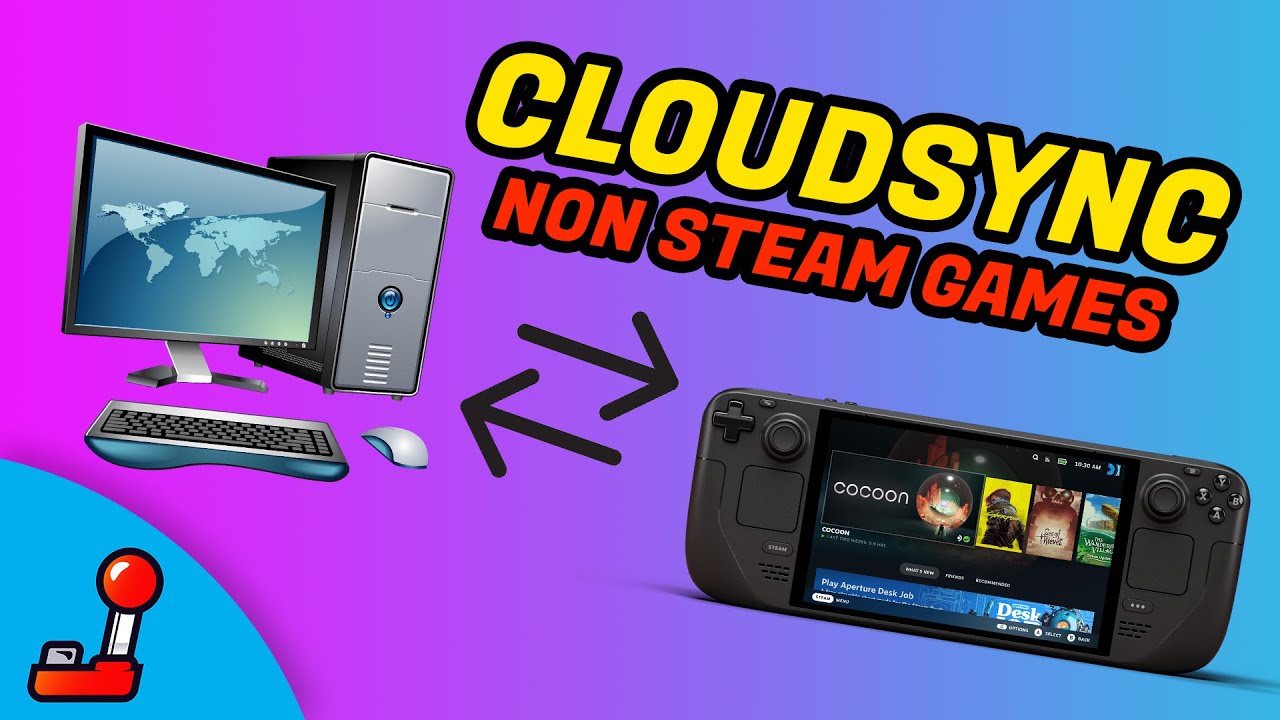

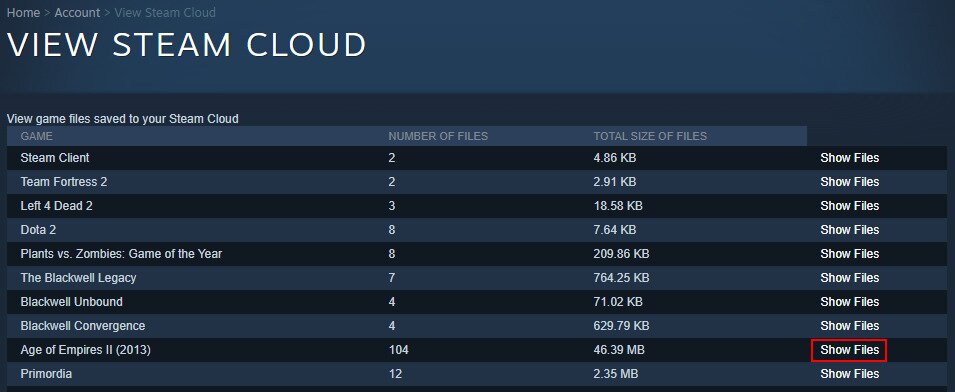

Do THIS Don T Manually Transfer Your Save Between Steam Deck PC . How To Cloudsync Non Steam Games YouTube . Upload Custom Game Local Save Files To Steam Cloud PING . Steam Cloud Saves How To Enable Find Fix Sync Issues Steam Cloud Game Files . How To Access Steam Cloud Saves Easy Way YouTube

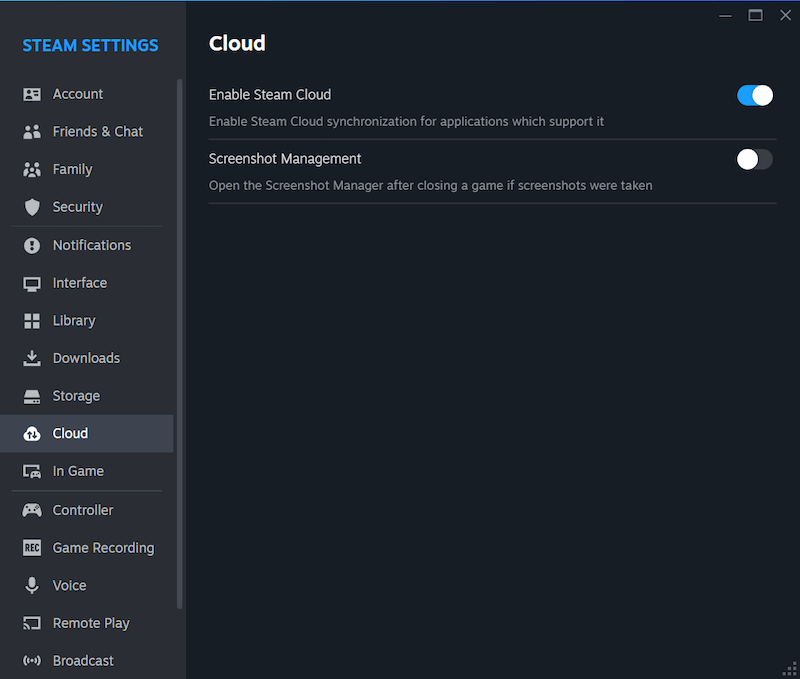
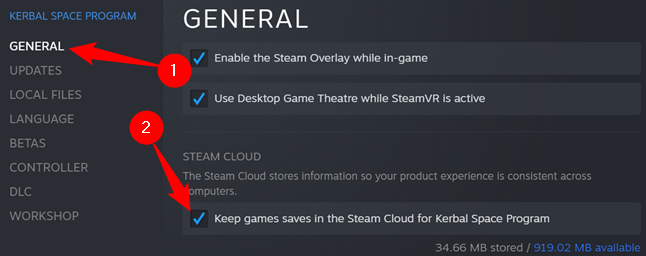
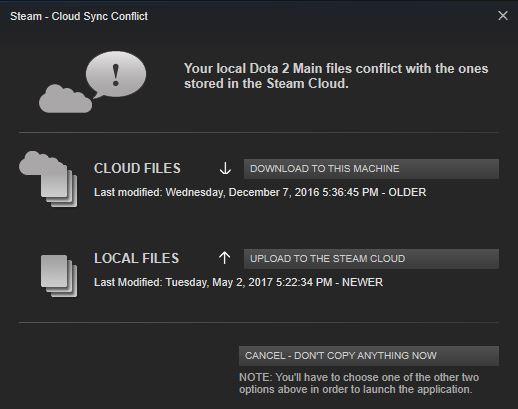
Steam Delete Game Saves Restore Cloud Saves YouTube . How To Restore Steam Cloud Saves In 8 Methods Enable Steam Cloud . How To Download Your Save Games From Steam Cloud Click General Tab Click Keep Games Saves In The Steam Cloud For Kerbal Space Program . How Do I Go From Local Files To Cloud Saves R Steam Cloud. Steam Cloud Saves Quick Easy Download And Restore Guide Steam Cloud Saves 590x354
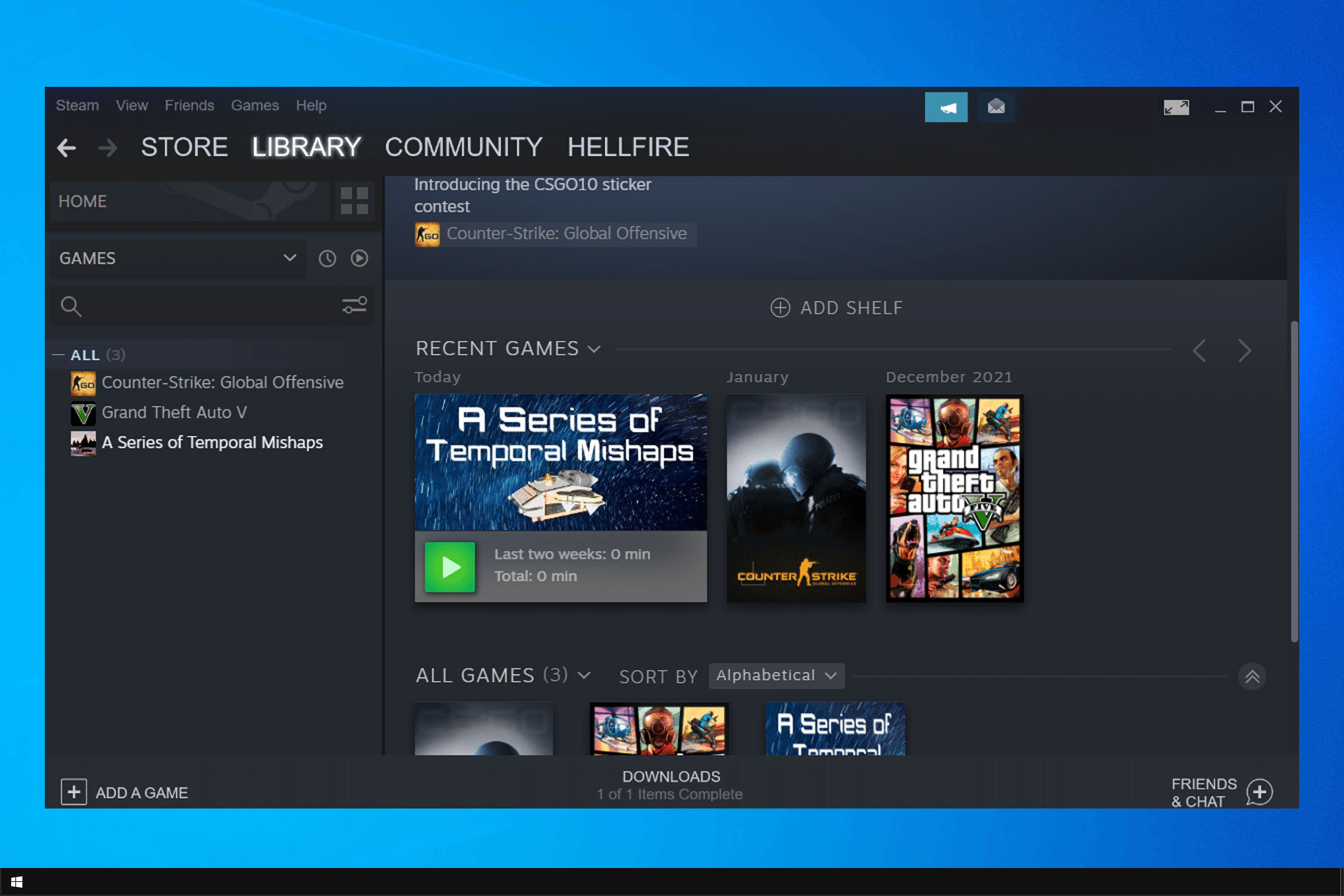


How To Backup Restore Steam Cloud Saves Gaming Tips Steam Backup Game Files . Steam Cloud Save History At Lisa Post Blog . Steam Cloud Save History At Lisa Post Blog . How To Restore Steam Cloud Saves On Windows Tech How How To Restore Steam Cloud Saves On Windows . Steam Cloud Saves How To Enable Find Fix Sync Issues Steam Cloud Saves


How To Recover Game Saves From Steam Cloud Images. How To Restore Steam Cloud Saves In 8 Tricks Enable Steam Cloud 03 . How To Delete Steam Cloud Saves Steam Game Enable Cloud Saves . How To Backup And Restore Steam Cloud Saves YouTube . Steam Cloud Saves How To Download And Delete Steam Saved Games Download Steam Cloud Files

Steam Cloud Starfield EN . H Ng D N G I Save Game T Steam Cloud V M Y B N GEARVN COM Gearvn Huong Dan Goi Save Game Tu Steam Cloud Ve May Ban 4 1024x1024 . I Just Implemented Steam Cloud Save For My Game And Figured Id Make A I Just Implemented Steam Cloud Save For My Game And Figured V0 . How To Download Steam Cloud Save Files The Droid Guy How To Download Steam Cloud Save Files 1024x576 . How To Access Steam Cloud Saves Find Backup And Saved Files How To Access Steam Cloud


How To Reset Games On Steam Erase Steam Cloud Saves 2024 YouTube . Call Of Duty And Battlefield 6 Require Secure Boot And TPM 2 0 GHacks Xbox Cloud Gaming Is Available Game Pass Core And Standard Subscribers . How To Download Steam Cloud Saves How To Enable Steam Cloud Sync 2 542x320 . How To Download Saved Files From Steam Cloud Fossbytes Steam Cloud 4 . How To Play Steam Games On Cloud H Ng D N Ch I Game Tr N Steam B Ng


H Ng D N G I Save Game T Steam Cloud V M Y B N GEARVN COM Gearvn Huong Dan Goi Save Game Tu Steam Cloud Ve May Ban 3 1024x1024 . Fix Titanfall 2 Error 429 Connection To Server Timed Out On PC TechCult Uncheck The Keep Games Saves In The Steam Cloud Option In Steam Game Properties . Savegames Download Call Of Duty Ghosts Save Game Download YouTube Recover From Steam Cloud 02 . How To Download Your Save Games From Steam Cloud Img . Steam Cloud Valve Sddefault