Uncover the rising phenomenon of Roblox cinematic creations transforming user-generated content into stunning visual narratives captivating millions. This deep dive explores how players leverage Roblox Studio's robust tools to craft high-quality short films, music videos, and immersive story experiences. Learn about the evolving techniques, community-driven trends, and essential resources that empower creators to produce professional-looking cinematics. We'll navigate the creative process from scripting to editing, examining the technological advancements and community support driving this unique art form. Discover why Roblox cinematic content is not just a passing fad but a significant evolution in digital storytelling and how you can join the movement.
Welcome to the ultimate living FAQ about Roblox Cinematics, freshly updated for the current year's advancements and the latest patch! If you've ever been captivated by those incredible, story-driven videos crafted within Roblox and wondered how they're made, you're in the right place. This guide is designed to answer all your burning questions, from the absolute basics of getting started in Roblox Studio to advanced animation techniques and common issues. We've scoured forums, watched countless tutorials, and chatted with top creators to bring you concise, actionable advice. Whether you're a curious beginner or a seasoned builder looking to refine your craft, consider this your go-to resource for everything related to bringing your imaginative Roblox stories to life on screen. We'll cover everything from simple tips to complex builds, ensuring you have the knowledge to create stunning visual narratives.
Roblox cinematic content has truly revolutionized how user-generated content is perceived, blending game development with filmmaking. It allows millions to tell their unique stories using accessible tools. This form of digital artistry is exploding in popularity because it democratizes filmmaking, letting anyone with an idea and Roblox Studio create compelling visual narratives without needing expensive equipment or extensive professional training. The ability to craft intricate worlds, animate detailed characters, and direct dynamic scenes all within the Roblox platform empowers a new generation of content creators, pushing the boundaries of creativity and community engagement. It's a vibrant space for innovation.
What is a Roblox cinematic?
A Roblox cinematic is a short film or video created using assets and tools within the Roblox platform, primarily Roblox Studio. These productions often feature custom animations, camera movements, detailed environments, and storytelling elements, ranging from trailers to full narrative shorts. They aim for a polished, film-like quality, often leveraging external video editing for sound and effects. They showcase the creative potential of Roblox beyond typical gameplay.How do you make a cinematic video on Roblox?
To make a Roblox cinematic, you first build or import assets in Roblox Studio. Then, animate characters and objects using the Animation Editor, script camera movements for dynamic shots, and set up lighting and visual effects to create atmosphere. Record your scenes within Studio and then edit them using external video software like DaVinci Resolve or Adobe Premiere Pro, adding music, sound effects, and color grading for a professional finish.What software is used for Roblox cinematics?
The primary software for creating Roblox cinematics is Roblox Studio, where you build environments, animate characters, and script camera paths. For post-production, external video editing software like DaVinci Resolve (free), Adobe Premiere Pro, or Final Cut Pro is commonly used to add music, sound effects, color correction, and title cards. Some creators also use Blender for custom models or animations.Why are Roblox cinematics so popular?
Roblox cinematics are popular due to their accessibility, creative freedom, and the platform's massive user base. They democratize filmmaking, allowing anyone to tell stories visually without professional software costs. The content is diverse, from action-packed trailers to emotional dramas, appealing to a wide audience. The strong community fosters skill-sharing and inspiration, driving continuous innovation and quality improvement. They offer a fresh, relatable form of digital storytelling.Who creates Roblox cinematic content?
Roblox cinematic content is created by a diverse group of individuals, primarily passionate Roblox players, developers, and animators. These range from hobbyists and students learning filmmaking techniques to experienced content creators and small teams. Many creators are self-taught, leveraging the free tools of Roblox Studio and external editing software to bring their imaginative stories to life. The community is open to all skill levels.Most Asked Questions about Roblox Cinematic
Beginner Questions: How do I even start making a Roblox cinematic?
Starting your journey into Roblox cinematics might feel like a big leap, but it's simpler than you think! The very first step is to download and familiarize yourself with Roblox Studio. This free platform is your primary tool for building scenes, animating characters, and setting up cameras. Begin by exploring basic building tools, understanding the workspace, and trying out the 'Animation Editor' with a simple character model. There are plenty of beginner-friendly tutorials on YouTube that walk you through setting up your first basic scene and animating a simple movement. Don't worry about perfection; focus on learning the fundamentals first.
Builds & Classes: Can I use pre-built models for my cinematic environments?
Absolutely! Using pre-built models is a fantastic way to quickly set up your cinematic environments without having to build everything from scratch. Roblox's 'Toolbox' feature within Studio offers a vast library of user-created models, ranging from detailed buildings to props and natural elements. You can also import assets from external 3D modeling software like Blender if you want truly unique creations. When using pre-built assets, always check their quality and ensure they fit the aesthetic of your cinematic. Remember to credit creators if their terms require it and try to customize them slightly to make your cinematic feel unique.
Tips & Tricks: What are some quick tips for better camera angles?
To capture stunning camera angles in your Roblox cinematic, think like a professional filmmaker. Always try the 'rule of thirds' for composition, placing your subject off-center for a more dynamic look. Vary your shots: use wide shots to establish the scene, medium shots for interaction, and close-ups for emotion. Experiment with low angles to make characters appear powerful or high angles to make them seem vulnerable. Avoid shaky or abrupt camera movements; smooth, deliberate transitions create a more professional feel. Using plugins for camera control can significantly aid in achieving precise and fluid movements, enhancing the overall visual impact of your story.
Endgame Grind: How do I make my cinematic look like a professional production?
Achieving a professional look for your Roblox cinematic involves a combination of in-Studio expertise and robust post-production. In Studio, focus on detailed environment design, sophisticated character animations using advanced rigging, realistic lighting, and subtle particle effects. For post-production, invest time in learning a dedicated video editor like DaVinci Resolve or Adobe Premiere Pro. Use it for color grading to set the mood, add high-quality sound effects and licensed music, and refine transitions. Pay attention to pacing and storytelling clarity. Small details like cinematic black bars or custom title cards also elevate the production quality, making your final product truly stand out.
Bugs & Fixes: My animations look choppy; what's wrong?
Choppy animations in your Roblox cinematic can be frustrating, but there are common fixes. Firstly, check your keyframe timing in the Animation Editor; ensure there are enough keyframes for smooth transitions between poses. Sometimes, too few keyframes can cause robotic movements. Secondly, verify that your animation priority is set correctly (e.g., 'Action' or 'Movement' for character animations) to prevent other default animations from overriding yours. Lastly, consider your game's performance during recording; if the framerate drops, your animation recording will also be choppy. Optimize your scene by reducing unnecessary parts or scripts to ensure a consistent frame rate, leading to smoother animation captures.
Tips & Tricks: How can I add custom sound effects and music to my cinematic?
Adding custom sound effects and music is crucial for immersing your audience in your Roblox cinematic. While Roblox Studio allows for in-game sound playback, the best approach for professional quality is to add these elements during post-production using external video editing software. Import your recorded video clips into your editor (e.g., DaVinci Resolve, Premiere Pro). Then, layer high-quality sound effects (footsteps, explosions, ambient noise) and royalty-free or licensed music tracks to match your visuals. Carefully adjust volumes and synchronize sounds with actions on screen. This method offers much greater control over audio mixing and enhances the overall emotional impact and polish of your cinematic.
Multiplayer Issues: Can I record cinematics with multiple players?
Recording cinematics with multiple players is definitely possible and can add an incredible dynamic to your storytelling, but it comes with its own set of challenges. You can coordinate with friends or fellow creators to act out scenes within a private server. Ensure everyone has a stable internet connection to avoid lag that could disrupt synchronized movements. Communication is key during filming; use voice chat to direct your 'actors.' For recording, you might need multiple camera angles or retakes to capture everyone effectively. Be aware that player-controlled characters might not always move as precisely as scripted animations, so patience and good communication are vital for a successful multi-player cinematic shoot.
Still have questions?
Don't stop exploring! Dive deeper with these popular related guides:
- Advanced Roblox Studio Animation Techniques
- Mastering Camera Control in Roblox Cinematics
- Optimizing Your Roblox Game for Cinematic Recording
Ever wondered, "How do people make those amazing cinematic videos in Roblox, and can I do it too?" You're definitely not alone in that curiosity. Roblox, once primarily known for its blocky aesthetics and user-generated games, has quietly blossomed into a formidable platform for creating stunning, short-form cinematic masterpieces. It's a space where creativity meets code, allowing passionate individuals to craft immersive stories, breathtaking action sequences, and emotional narratives that rival professional productions. The community of Roblox cinematic creators is vibrant, constantly pushing the boundaries of what's possible within the engine, captivating audiences worldwide with their unique visual flair and storytelling prowess. These aren't just simple game replays; they are carefully directed, animated, and edited pieces of digital art. The current year has seen a significant surge in the quality and complexity of these productions, driven by dedicated creators and an ever-evolving suite of tools within Roblox Studio.
Why is Roblox cinematic content gaining such immense traction? It's largely due to its accessibility and the sheer creative freedom it offers. Where professional film tools can be expensive and complex, Roblox Studio is free and provides a relatively intuitive environment for anyone to start. This has democratized filmmaking, allowing a new generation of storytellers to emerge, unburdened by traditional industry gatekeepers. From epic fan-made trailers to heartfelt character dramas, the scope of Roblox cinematics is truly astounding, reflecting the diverse imaginations of its global user base. Mastering the art of Roblox cinematic production requires a blend of technical skill, artistic vision, and a deep understanding of the platform's unique capabilities. Many creators leverage external editing software to enhance their work, bringing a polished, professional sheen to their in-engine recordings.
Beginner / Core Concepts
1. Q: How do I even begin making a Roblox cinematic? I feel a bit overwhelmed.
A: I totally get why this might feel like a huge task when you`re just starting out! The best way to begin your Roblox cinematic journey is by getting really familiar with Roblox Studio. This free software is your canvas, your camera, and your editing suite. Think of it as your all-in-one moviemaking toolkit. Start by learning the basics of building and manipulating objects in a blank baseplate. You can experiment with placing models, understanding how the camera works, and getting comfortable with the animation editor. Don't stress about making a masterpiece on your first try; just focus on understanding the tools. You`ll be surprised how quickly you pick up the fundamentals!
2. Q: What exactly is Roblox Studio, and why is it so important for cinematics?
A: Roblox Studio is essentially the professional development environment provided by Roblox, and it's absolutely crucial for cinematics. It’s where developers create entire games and, in our case, where you'll bring your cinematic visions to life. It gives you direct access to powerful tools like the Animator Editor for character movements, the Part tool for building environments, and scripting capabilities to control camera movements or specific events. Without Studio, you wouldn't have the granular control needed to stage scenes, pose characters, or manipulate lighting to achieve that desired cinematic look. It's the powerhouse behind every successful Roblox film. You've got this!
3. Q: Do I need to know how to code to make good Roblox cinematics?
A: You're asking a super common question! While knowing a bit of Lua scripting (Roblox's programming language) can definitely open up advanced possibilities for complex camera paths or interactive elements, it's absolutely not a strict requirement to make a visually stunning cinematic. Many incredible Roblox cinematics are created using the built-in Animation Editor for character movements and careful manual camera positioning. You can achieve amazing results by focusing on visual composition, lighting, and narrative, and then using external video editing software to piece it all together. Think of scripting as a bonus, not a barrier. Try focusing on the visual storytelling first, and then explore scripting later if you feel inspired!
4. Q: Where can I find good resources or tutorials to learn more about this?
A: Finding good learning resources is key, and luckily, the Roblox community is fantastic! I'd recommend starting with the official Roblox Creator Documentation, which has excellent guides on Studio basics and specific tools like the Animator Editor. Beyond that, YouTube is a goldmine. Search for 'Roblox cinematic tutorial 2024' or 'Roblox Studio animation guide' to find countless video walkthroughs from experienced creators. Many channels break down complex processes into easy-to-follow steps. Joining Roblox developer forums or Discord communities dedicated to creative content can also provide personalized advice and inspiration. You'll find a welcoming community eager to help!
Intermediate / Practical & Production
1. Q: How do I achieve smooth camera movements for a professional look?
A: Ah, smooth camera work is truly where the magic happens for that professional cinematic feel! It's one of those things that really elevates your production. Inside Roblox Studio, you can use the built-in Camera object and script its movement for precise control. Many creators also rely on plugins like 'Camera Manager' or similar tools that offer a more visual, keyframe-based approach to path creation. The key is to think about real-world camera techniques—dollying, panning, zooming—and try to replicate them. Don't make your camera too jumpy; gentle, deliberate motions often feel much more impactful. Experiment with different speeds and easing functions in your scripts to get that perfectly fluid shot. It takes practice, but you'll nail it!
2. Q: What are some effective ways to animate characters without being an expert animator?
A: This one used to trip me up too! You don't need to be a professional animator to make compelling character movements. Roblox's built-in Animation Editor is surprisingly powerful and user-friendly. You can import existing animations from the Roblox Marketplace or even use free animation packs available in the Studio toolbox. For custom movements, try breaking down complex actions into simpler poses. Keyframe each pose, then let the editor smooth the transitions. Focus on exaggerated movements and clear intentions. Another great tip is to use reference videos of real people or even other animated characters to understand natural motion. Over time, you'll develop an eye for what looks good. You've got this!
3. Q: How do I effectively use lighting and visual effects to enhance my scenes?
A: Lighting and visual effects are absolute game-changers for mood and atmosphere in your cinematics! They can transform a basic scene into something truly evocative. In Roblox Studio, dive into the 'Lighting' service in the Explorer window. Here, you can adjust properties like Brightness, Color, TimeOfDay, and add environmental effects like sun rays or fog. Experiment with different light sources like 'SpotLight' or 'PointLight' to highlight characters or create dramatic shadows. Don't forget about 'Post-Processing Effects' in the 'Camera' properties, which can add bloom, color correction, or depth of field for that extra polish. Subtle changes often make the biggest difference, so play around and see what feels right for your story. It's an art form in itself!
4. Q: What external software should I consider for post-production?
A: When you're ready to take your Roblox cinematics to the next level, external video editing software is your best friend for post-production. While Roblox Studio handles the in-game recording, an editor allows you to truly polish your work. Popular choices include DaVinci Resolve (which has an excellent free version), Adobe Premiere Pro, or Final Cut Pro X if you're on a Mac. These tools let you add professional music, sound effects, title cards, color grading, and seamless transitions. You can also fix minor recording imperfections or add advanced visual effects. Learning even the basics of an external editor will dramatically improve the perceived quality of your finished cinematic. It’s like adding the final shine to a perfectly crafted piece!
5. Q: What are some common mistakes intermediate creators make, and how can I avoid them?
A: I've seen a few common pitfalls that can trip up even experienced intermediate creators, but they're totally avoidable! One big one is inconsistent camera work; sudden jumps or shaky movements can really break immersion. Another is forgetting to optimize your game environment for performance, leading to laggy recordings. Also, over-animating or having too many complex actions happening at once can make scenes look cluttered. To avoid these, plan your shots carefully with a storyboard, keep your environments clean and efficient by removing unnecessary parts, and simplify animations where possible. Remember, sometimes less is more. Regularly test your scenes during production to catch issues early. You've got this!
6. Q: How do I create compelling storylines within the Roblox environment?
A: Crafting a compelling story in Roblox is all about leveraging the platform's unique strengths while adhering to good storytelling principles. Start with a clear concept: what's your message, who are your characters, and what's the central conflict? Roblox's flexibility allows for diverse genres, from fantasy epics to modern-day dramas. Focus on visual storytelling, as dialogue might be limited or require on-screen text. Use your environments to set the mood and convey information. Think about character motivations and how their actions drive the plot forward. Even short cinematics benefit from a simple beginning, middle, and end. Don't be afraid to experiment with different narrative structures or even adapt existing stories you love. Your unique voice will shine through!
Advanced / Research & Frontier
1. Q: What are advanced scripting techniques for sophisticated cinematic effects?
A: When you're ready to push the boundaries of Roblox cinematics, advanced scripting becomes your playground for truly sophisticated effects. You'll start exploring techniques like procedural camera generation for dynamic, unpredicted movements, or implementing complex particle effects that react to environmental changes. Consider using TweenService for incredibly smooth and customizable object and property transitions, far beyond basic interpolation. You can also script intricate UI overlays for cinematic titles or HUD elements that enhance the narrative. Diving into advanced event handling and custom module scripts allows for highly organized and scalable cinematic systems. It's about taking full control of the engine's capabilities. Mastering these will truly set your work apart!
2. Q: How can I integrate dynamic environments or interactive elements into my cinematics?
A: Integrating dynamic environments or interactive elements is where Roblox cinematics really start to blur the line between film and game. You can use scripting to trigger environmental changes, like a sudden storm rolling in or buildings collapsing, based on specific cinematic cues. Think about interactive props that characters can physically manipulate, enhancing their presence in the scene. Implementing player choices that subtly alter the cinematic's outcome, even if it's just a different camera angle or a line of dialogue, adds a layer of depth. The key is to pre-plan these interactions carefully to ensure they enhance the story without disrupting the flow. It's a fantastic way to engage your audience on a deeper level. Try this tomorrow and let me know how it goes!
3. Q: What are the best practices for optimizing large-scale cinematic projects in Studio?
A: Optimizing large-scale cinematic projects is absolutely essential to avoid lag and ensure smooth playback, especially if you're dealing with intricate environments and many animated characters. A crucial best practice is to judiciously use 'StreamingEnabled' for your game world, which loads parts only when needed, drastically reducing memory usage. Minimize the part count and complexity of your models; use meshes instead of many individual parts where possible. Implement level-of-detail (LOD) systems for distant objects, reducing their polygon count. Also, be mindful of unanchored parts or excessive physics simulations, as these can be performance hogs. Regularly test your cinematic in different quality settings to identify bottlenecks. Clean up unused assets and scripts diligently. It's all about efficiency to ensure a seamless viewer experience.
4. Q: How do professional Roblox cinematic creators collaborate effectively?
A: Effective collaboration is the secret sauce for many professional Roblox cinematic creators, as projects often demand diverse skill sets. They typically leverage Rojo for synchronized script editing, allowing multiple scripters to work on the same project simultaneously using external code editors like VS Code. Version control systems like Git are indispensable for managing changes to assets and scripts, preventing conflicts and allowing easy rollbacks. Communication is key, so tools like Discord are used for real-time discussions, asset sharing, and feedback loops. Assigning clear roles (director, animator, builder, scripter, sound designer) and maintaining a shared production pipeline are also critical. It’s all about clear communication and well-defined workflows to bring a shared vision to life efficiently. You'll find it makes a huge difference!
5. Q: What's the future of Roblox cinematics, and how can I stay ahead?
A: The future of Roblox cinematics is incredibly exciting and looks brighter than ever, with continuous updates to Roblox Studio and increasing community engagement! To stay ahead, keep an eye on official Roblox developer announcements for new features like enhanced rendering capabilities, improved animation tools, or new UI elements. Experiment with emerging technologies, such as advanced physically-based rendering (PBR) textures if they become more widely supported, or explore AI-assisted asset generation. Network with other advanced creators; sharing knowledge and techniques is invaluable. Also, paying attention to general trends in filmmaking and adapting them to the Roblox platform can give you a unique edge. The platform is constantly evolving, so continuous learning and experimentation are your best bets. You've got this, and the possibilities are endless!
Quick Human-Friendly Cheat-Sheet for This Topic
- Start Small, Dream Big: Don't try to make Hollywood on day one! Master Roblox Studio basics first, then gradually tackle more complex scenes.
- Camera is Key: Smooth, intentional camera movements make a HUGE difference. Practice those pans and dollies until they feel natural.
- Light It Up: Play with lighting and effects to set the mood. A well-lit scene can be more impactful than complex animations.
- Story First: Even short cinematics need a clear story. What do you want your audience to feel or understand?
- Don't Be Afraid to Script: While not mandatory, learning some Lua can unlock incredible control and unique effects.
- External Editors are Your Friends: For that truly polished look, use video editing software for sound, music, and color grading.
- Join the Community: Learn from others, share your work, and get feedback. The Roblox cinematic community is full of awesome people!
Roblox cinematic creation, Roblox Studio tools, community storytelling, animation techniques, trending visual narratives
35



A Roblox Movie 2026 Teaser Trailer Realtime YouTube Live View . Roblox Transcript Movie Ideas Wiki Fandom 250. 100 Unofficial Roblox Annual 2026 Brand New For 2025 The Iconic SL1500 . What Will Roblox Look Like In 2026 Blog Graphics 26 . Calendar Club Definite Guide To Roblox 2026 Annual 1200x1769


A Roblox Movie Teaser Trailer 2026 What If Trailer 800x450. Roblox Movie 2026 Fan Casting On MyCast Roblox Movie 2026 Fan Casting Poster 571864 Medium . Roblox The Movie 2026 V1 . ROBLOX The Movie 2027 TRAILER Concept Animated Fan Film YouTube . Roblox 2026 New Logo REVEAL First Look At The Future Shorts YouTube Oar2




Roblox 2026 Logo REVEALED New Color New Look YouTube Maxres2 . Create Cinematic Roblox Short Animations For You By Shaqib Desire Fiverr Create Cinematic Roblox Short Animations For You . 100 Unofficial Roblox Annual 2026 4687858526 5 . Roblox The Movie 2026 IMDb V1 QL75 UY207 . A Roblox Movie Trailer 2024 YouTube


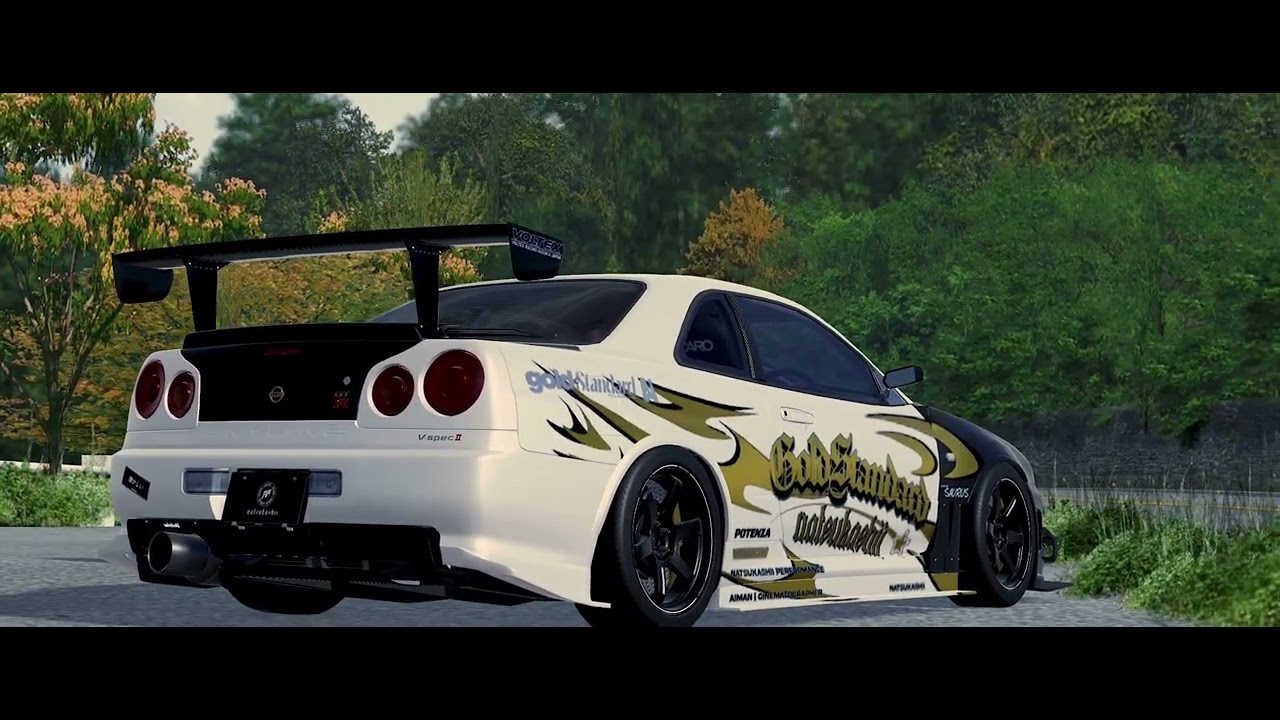

Roblox The Movie 2026 V1 . Roblox 2026 Logo YouTube Oardefault . 2026 Roblox Cinematic Slot 4K YouTube . 15 Best Roblox Horror Games Of 2026 15 Game Roblox Horror Terbaik 2026 Paling Seram And Bikin Deg Degan 7f944699ce . Prepare For 2026 With Roblox Trends TikTok Img


WOW The 2026 Roblox Logo Shocks All Players YouTube Maxres2 . Cinematic Light Roblox GFX Experiment Creations Feedback . RDC 2025 Roblox. ROBLOX EM 2026 VAI MUDAR TUDO YouTube . Like And Subscribe If U Want The Roblox Logo 2026 Will Be That Oar2


Use Of Epic Trailer Music For Roblox 2021 Cinematic 640x360 . Realistic Cinema Interior Creations Feedback Developer Forum Roblox 2 1380x776 . LOGO Roblox 2026 YouTube Maxres2 . A Mother Or Father S Information To Utilizing Roblox In 2026 Ivugangingo 2026 Parental Guide For Roblox Usage UnicMinds . 2026 Roblox YouTube Oar2


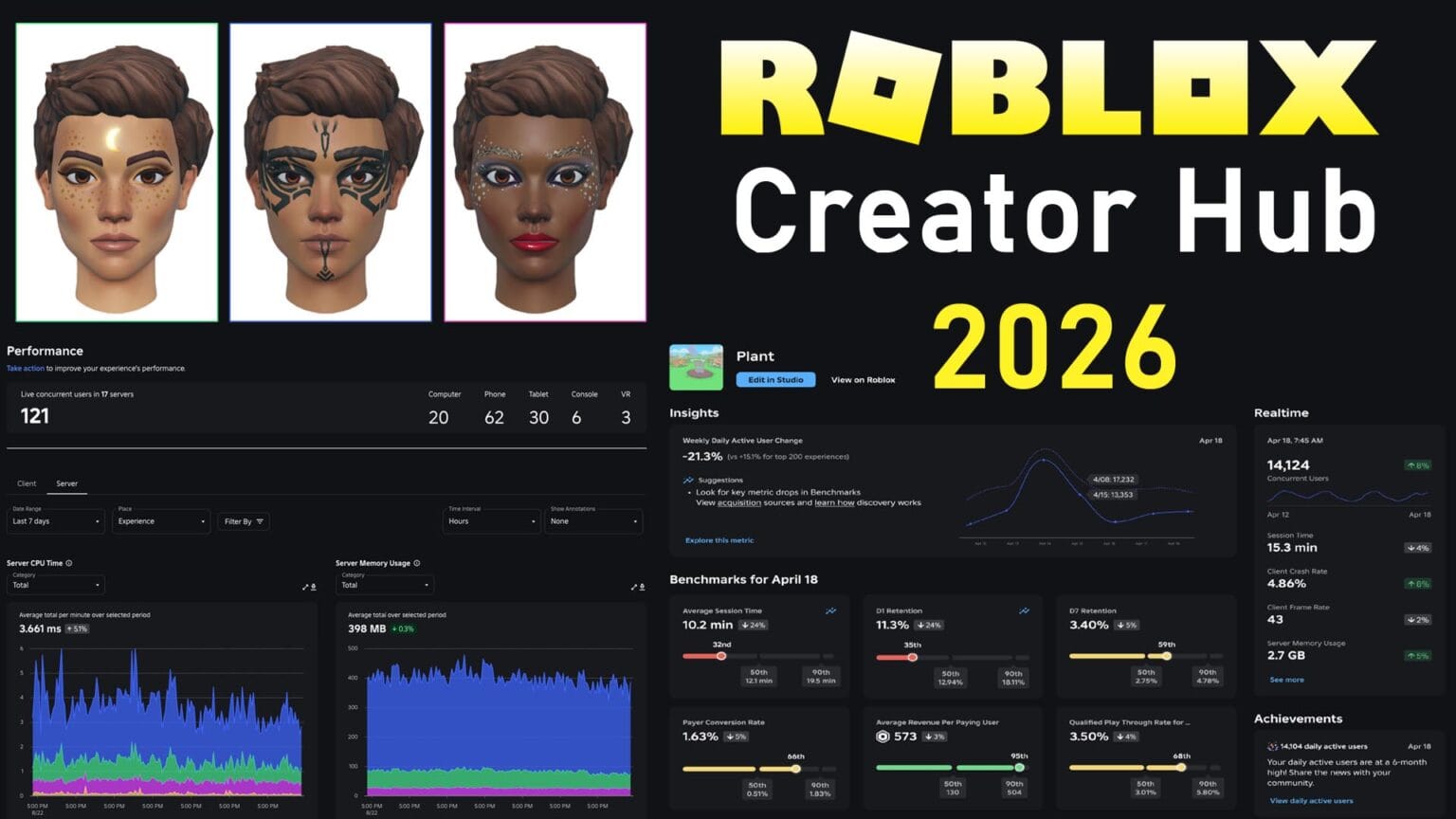

Roblox 2026 YouTube Oar2 . Roblox In 2026 YouTube . Roblox Creator Hub 2026 Studio UI Roadmap Guide Roblox Creator Hub 2026 1536x864 . Cinematic Photo Editing Tips For Roblox TikTok Img. Roblox 2026 YouTube Oar2