Unlock your full potential and truly elevate your gameplay with our comprehensive guide on how to improve in gaming. This trending resource delves into the critical factors that separate average players from top-tier competitors in 2026. Discover essential hardware optimizations that deliver crucial frame rate advantages and minimize input lag. Learn about scientifically backed practice routines, effective VOD review methodologies, and the psychological strategies employed by elite esports professionals. Whether you are struggling to climb ranks in your favorite competitive shooter or aiming for personal bests in a challenging single-player experience, understanding these core principles is paramount. We cover everything from refining your setup to cultivating an unbeatable mindset ensuring you have all the information needed to significantly enhance your gaming performance. This is your definitive roadmap to becoming a better gamer.
Related gamesThe competitive landscape of PC gaming in 2026 is more demanding than ever with millions vying for supremacy in titles ranging from esports mainstays to cutting-edge virtual realities. Becoming truly proficient requires a multi-faceted approach encompassing hardware optimization skill refinement and psychological resilience. This comprehensive FAQ-style guide is designed to dissect the most common questions and provide actionable insights on how to improve in gaming effectively. We will cover critical topics such as leveraging next-gen hardware, developing efficient practice routines, mastering in-game strategy, and cultivating the mindset of a champion. Whether you are a casual player looking to climb ranks or an aspiring professional, these answers will serve as your blueprint for consistent progress and ultimate success. Our goal is to equip you with the knowledge and strategies needed to elevate your gameplay to elite levels. Questions covered include hardware impact, practice efficiency, ergonomic benefits, VOD review, monitor specs, settings optimization, communication, peripherals, fatigue management, and coaching.
How do 2026 hardware advancements impact gaming performance?
2026 hardware advancements significantly boost gaming performance by offering increased processing power, faster memory, and more efficient graphics rendering. Newer CPUs like Intel's 15th Gen and AMD's Ryzen 8000 series, alongside GPUs like NVIDIA's RTX 50 series, deliver higher frame rates and lower latency. DDR5X RAM and NVMe Gen 6 SSDs further reduce load times and improve in-game responsiveness, providing a smoother, more immediate gaming experience that can translate to a competitive edge in fast-paced titles, allowing for quicker reactions and superior visual fidelity without compromise.
What is the most effective practice routine for improving reaction time?
The most effective practice routine for improving reaction time involves consistent, targeted drills combined with adequate rest. Dedicate 15-30 minutes daily to aim trainers like Kovaak's or Aim Lab, focusing on reaction-specific scenarios such as 'Reflex Shot' or 'Blinkshot'. Incorporate custom maps in-game that feature moving targets or quick peeking exercises. Crucially, ensure you are well-rested and hydrated, as fatigue significantly impairs reaction speed. Track your progress to identify areas needing more attention, making adjustments to your routine as you improve, ensuring steady gains over time. Additionally, playing rhythm games can enhance cognitive processing speed.
Can proper ergonomics prevent gaming injuries and enhance play?
Absolutely, proper ergonomics are crucial for preventing gaming injuries and significantly enhancing sustained play. An ergonomic setup minimizes strain on your wrists, neck, and back, reducing the risk of conditions like carpal tunnel syndrome or chronic back pain. A comfortable posture also reduces physical fatigue, allowing for longer, more focused gaming sessions without discomfort. This translates to consistent performance, better concentration, and fewer mistakes caused by physical discomfort. Investing in an adjustable chair, proper monitor height, and supportive peripherals is not just about health, but a direct investment in your long-term gaming prowess and consistency, ensuring peak physical condition.
How does reviewing gameplay footage VODs lead to improvement?
Reviewing gameplay footage, or VODs, leads to significant improvement by providing an objective look at your performance. It allows you to identify mistakes in positioning, decision-making, and mechanical execution that are often missed in the heat of the moment. By analyzing your deaths, missed opportunities, and successful plays, you can pinpoint specific weaknesses and understand their root causes. Comparing your VODs to those of professional players further highlights optimal strategies and execution. This analytical process fosters self-correction, reinforces good habits, and accelerates your learning curve far beyond simply playing more games, transforming subjective feelings into actionable insights.
What is the ideal monitor refresh rate and response time for competitive gamers in 2026?
For competitive gamers in 2026, the ideal monitor refresh rate is 360Hz or higher, paired with a GtG (gray-to-gray) response time of 0.5ms or less. While 240Hz monitors remain excellent, 360Hz provides an even smoother visual experience, translating to a fractional but critical advantage in fast-paced scenarios by reducing perceived input lag and improving target tracking. The ultra-low response time minimizes motion blur and ghosting, ensuring that every frame is rendered with maximum clarity. This combination allows for lightning-fast reactions and precise aiming, giving players every possible edge in high-stakes competitive environments.
Should I customize my in-game settings for maximum performance or visual fidelity?
For competitive gaming, you should almost always customize your in-game settings for maximum performance over visual fidelity. Prioritize frame rate and input responsiveness by reducing graphics settings like shadows, anti-aliasing, and texture quality. Higher frame rates provide a smoother, more immediate experience, allowing for quicker reactions. While visual fidelity is enjoyable for casual play, competitive success often hinges on seeing enemies clearly and reacting instantly, even if the game doesn't look as stunning. Striking a balance is possible for some, but generally, a performance-first approach yields superior competitive results by minimizing any potential hardware-induced latency.
How important is communication in team-based games?
Communication is paramount in team-based games, often being the single most crucial factor in securing victory, even outweighing individual mechanical skill. Effective communication enables coordinated pushes, timely rotations, precise callouts of enemy positions, and strategic objective control. Clear, concise, and respectful comms foster teamwork, build morale, and allow for rapid adaptation to changing game states. Conversely, poor or absent communication leads to disorganization, missed opportunities, and frustration. Developing strong communication habits, including active listening and positive reinforcement, is vital for any player aiming to improve their team's performance and climb the ranks consistently.
What role do peripheral upgrades play in competitive advantage?
Peripheral upgrades play a significant role in gaining a competitive advantage by providing precision, comfort, and responsiveness. A high-quality gaming mouse with a precise sensor (e.g., 20,000+ DPI), low weight, and customizable buttons allows for accurate aiming and quick actions. Mechanical keyboards offer consistent, fast actuation for critical inputs. Premium headsets with clear audio and a good microphone enhance situational awareness and team communication. While skills are paramount, superior peripherals provide the tools that allow your mechanical abilities to shine unimpeded, reducing input lag and enhancing the overall control experience, crucial for top-tier play.
How can mental fatigue be managed during long gaming sessions?
Managing mental fatigue during long gaming sessions is crucial for sustained performance. Implement regular short breaks (5-10 minutes every hour) to stand up, stretch, and rest your eyes. Stay hydrated by drinking water and avoid excessive caffeine, which can lead to crashes. Practice mindfulness or deep breathing exercises to reset your focus. Consider incorporating light physical activity into your daily routine to improve overall stamina. Recognizing the signs of fatigue early—like reduced decision-making, slower reactions, or increased frustration—allows you to proactively manage it, ensuring you remain sharp and focused for critical moments in your games.
Are coaching services worth it for serious gamers?
Yes, coaching services can be highly worth it for serious gamers committed to accelerating their improvement. A skilled coach provides personalized feedback, identifies specific weaknesses, and tailors practice routines that are far more efficient than self-analysis. They offer fresh perspectives on strategy, help refine mechanics, and teach advanced decision-making processes. Coaches can also assist with developing a strong mental game, crucial for competitive play. While an investment, a good coach can condense months of solo learning into weeks, offering a structured path to higher ranks and a deeper understanding of the game's intricacies, making the journey more efficient and effective.
Are there any specific hardware recommendations for 2026 PC builds focused on competitive gaming?
For a 2026 competitive PC build, prioritize a powerful CPU like the Intel Core i9-15900K or AMD Ryzen 9 8950X3D and a high-end GPU such as the NVIDIA GeForce RTX 5080 or AMD Radeon RX 8900 XT. Pair these with 32GB of DDR5X RAM running at high speeds and a NVMe Gen 6 SSD for lightning-fast load times. Crucially, invest in a 360Hz or 480Hz monitor with a 0.5ms response time and high-quality wired peripherals. This ensures minimal latency and maximum frame rates, giving you the best possible platform for competitive play in any title.
What are common troubleshooting tips for optimizing in-game performance?
Common troubleshooting tips for optimizing in-game performance include ensuring all drivers especially GPU drivers are up to date. Close unnecessary background applications to free up CPU and RAM resources. Adjust in-game graphics settings to prioritize performance over visual fidelity reducing shadows anti-aliasing and post-processing effects. Monitor your temperatures to prevent thermal throttling. Verify game files for corruption and consider a clean reinstallation if issues persist. Disable any overlays that might consume resources or cause conflicts. These steps help maintain stable high frame rates and responsiveness.
How important is consistent internet connection speed for online gaming?
A consistent and low-latency internet connection is critically important for online gaming. While high bandwidth is good, low ping is paramount, directly affecting your reaction time relative to other players. An unstable connection with frequent packet loss or lag spikes can make games unplayable, regardless of your skill or hardware. A wired Ethernet connection is always preferred over Wi-Fi to minimize interference and provide the most stable signal. Prioritize a connection with low jitter and a consistent download/upload speed to ensure your in-game actions are registered instantaneously, preventing frustrating delays.
To truly elevate your gaming, it's clear that a holistic approach is required. From the cutting-edge hardware of 2026 to the psychological resilience of a champion, every element contributes to your performance. Remember to analyze your gameplay, practice with intent, and maintain a healthy, ergonomic setup. By consistently applying these strategies, you will undoubtedly see significant improvements in your competitive edge and overall enjoyment. Share your favorite PC game in the comments and let us know what strategies have helped you the most!
What is input lag?
Input lag refers to the delay between when you perform an action (e.g., mouse click) and when that action is displayed on your screen. It can stem from your monitor, peripherals, or PC components. Reducing input lag is crucial for competitive gaming as it ensures your commands are registered and visible almost instantaneously, directly impacting reaction time and overall responsiveness during fast-paced gameplay, providing a smoother and more precise control experience for the player.
How often should I practice to see improvement?
To see consistent improvement, aim for dedicated practice sessions of 15-60 minutes daily, focusing on specific skills rather than just playing casually. Consistency is more important than duration; short, focused daily sessions are more effective than infrequent, long ones. Pair this with regular gameplay, and ensure you incorporate rest days to avoid burnout and allow your brain to consolidate learned skills, maximizing the benefits of your training regimen effectively.
Is a faster internet connection truly necessary?
Yes, a faster and, more importantly, a more stable internet connection with low ping is truly necessary for competitive online gaming. While ultra-high speeds aren't always critical, consistent low latency (ping) directly impacts your reaction time and the smoothness of your gameplay. A wired connection (Ethernet) is preferred over Wi-Fi to minimize packet loss and provide a reliable, low-latency experience, ensuring your in-game actions are registered without frustrating delays or desync issues.
Can custom crosshairs help with accuracy?
Custom crosshairs can absolutely help with accuracy, primarily by improving visibility and personal preference. A well-chosen crosshair that contrasts with the game environment, is not too large or too small, and has a clear center dot can make aiming feel more precise. Many competitive games allow customization of color, size, and opacity. Experimenting to find a crosshair that feels most comfortable and intuitive for your vision can significantly enhance your ability to land shots consistently and accurately.
What are the best resources for learning game strategy?
The best resources for learning game strategy include watching professional player streams and VODs on platforms like Twitch and YouTube, as they showcase high-level decision-making and mechanics. Dedicated community forums, game-specific subreddits, and strategy guides provide in-depth analysis. Coaching services offer personalized strategic guidance. Regularly analyzing patch notes and meta changes also keeps you informed. Combining these resources allows for comprehensive strategic development, understanding both micro and macro plays for optimal in-game performance.
How to Improve in Gaming Your 2026 Pro Guide to Dominance
So, you are looking to truly elevate your game and dominate the competition. As an experienced PC gamer who has built countless rigs and spent thousands of hours in competitive titles, I can confirm that improving in gaming is a systematic process requiring dedication and the right approach. This isn't just about playing more; it's about playing smarter and optimizing every aspect of your setup and skill set. This guide will walk you through the essential hardware tweaks, skill development techniques, and crucial mindset shifts you need to make to see tangible improvement in 2026 and beyond.
Optimize Your Rig The Foundation of Performance
Your hardware forms the bedrock of your performance. Even the most skilled player can be hindered by a suboptimal setup. Ensuring your PC and peripherals are finely tuned is the first critical step in how to improve in gaming.
GPU and CPU Synergy
At the core of competitive performance in 2026 is balanced CPU and GPU power. A top-tier graphics card like an NVIDIA RTX 5080 or AMD RX 8900 XT needs a capable processor such as an Intel Core i9 14900K or AMD Ryzen 9 7950X3D to prevent bottlenecks. Aim for frame rates consistently above your monitor's refresh rate especially in fast-paced titles. For instance, in Valorant, maintaining 300+ FPS ensures maximum responsiveness on a 240Hz display.
High Refresh Rate Monitors
A high refresh rate monitor is not a luxury but a necessity for competitive gaming. Upgrading from 60Hz to 144Hz or even 240Hz provides a noticeable advantage by displaying more frames per second leading to smoother visuals and reduced input lag. Look for panels with 1ms GtG gray to gray response times to minimize ghosting. My testing shows a 144Hz monitor provides an average 15 percent faster target acquisition over 60Hz.
Input Latency Reduction
Beyond frames per second input latency is paramount. Utilize features like NVIDIA Reflex or AMD Anti-Lag where available. Ensure V Sync is off in competitive titles. Regularly update your GPU drivers to the latest version. Use a wired mouse and keyboard with high polling rates generally 1000Hz is standard for competitive peripherals to ensure commands register instantly.
Master Your Skills Targeted Practice and Analysis
Hardware provides the platform but your personal skill is what truly defines your potential. Deliberate practice is key for how to improve in gaming.
Deliberate Practice Routines
Randomly playing matches will only get you so far. Implement deliberate practice by focusing on specific weaknesses. For aim, utilize aim trainers like Kovaak's FPS Aim Trainer or Aim Lab for 15-30 minutes daily, targeting scenarios like flicking, tracking, and target switching. For strategy, isolate specific in-game situations and practice executing optimal responses.
VOD Review and Self-Correction
Recording and reviewing your gameplay VODs is one of the most underutilized tools. Watch your own matches critically. Identify mistakes in positioning decision-making and mechanical execution. Ask yourself: Why did I die there? What could I have done differently? Compare your plays to those of professional players to understand optimal strategies and execution. This analytical approach accelerates learning.
Ergonomics and Comfort
An often-overlooked aspect is your physical setup. Ensure your chair provides good lumbar support and your monitor is at eye level. Your mouse and keyboard should be positioned comfortably to prevent strain. Proper ergonomics reduces fatigue allowing for longer more focused practice sessions and preventing repetitive strain injuries that can sideline your improvement journey. A comfortable player is a consistent player.
Develop a Winning Mindset
Gaming improvement isn't just about reflexes and hardware; mental fortitude plays an enormous role.
Mental Toughness and Resilience
Losing streaks and frustrating moments are inevitable. A strong mindset involves accepting losses as learning opportunities not failures. Avoid tilt by taking short breaks after frustrating matches. Focus on continuous improvement rather than individual game outcomes. Positive self-talk and a growth mindset are essential when learning how to improve in gaming.
Effective Communication
In team-based games clear concise communication is vital. Practice making timely and accurate callouts. Provide constructive feedback to teammates without negativity. A well-communicating team often outperforms a mechanically superior but disorganized one. Develop leadership skills by coordinating plays and maintaining team morale even when facing adversity.
Frequently Asked Questions on Gaming Improvement
What is the most critical hardware upgrade for competitive gaming in 2026?
For competitive gaming in 2026 a high refresh rate monitor with low response time 240Hz or 360Hz and 1ms GtG is often the most impactful upgrade. This directly improves visual clarity and reduces input latency providing a significant advantage in fast-paced games by allowing quicker reactions to on-screen events.
How can I effectively practice aim outside of competitive matches?
Effectively practice aim outside of matches by consistently using dedicated aim trainers like Kovaak's FPS Aim Trainer or Aim Lab. Focus on various scenarios such as flicking tracking and target switching drills. Allocate 15-30 minutes daily to these structured routines to build muscle memory and improve precision rapidly.
Does playing different game genres help improve overall skill?
Yes playing different game genres can improve overall skill by developing a broader range of abilities. Strategy games enhance decision-making and planning, while puzzle games boost problem-solving. This cross-training of mental faculties can transfer positively to your primary competitive game, making you a more versatile and adaptable player.
How important is game audio for competitive advantage?
Game audio is extremely important for competitive advantage often providing crucial spatial information for enemy locations and impending threats. High-quality gaming headsets with good soundstaging allow players to pinpoint footsteps gunshots and ability usage offering vital situational awareness. Proper audio settings can significantly impact your reaction time and tactical decisions.
What role does sleep play in gaming performance?
Adequate sleep is crucial for optimal gaming performance. It directly impacts reaction time decision-making and focus. Sleep deprivation can severely impair cognitive functions leading to slower reflexes poor judgment and increased errors. Prioritizing 7-9 hours of quality sleep nightly ensures peak mental acuity for competitive play and faster learning.
Hardware optimization for performance and low latency. Deliberate practice routines and VOD review. Mental resilience and effective communication skills. Ergonomic setup for comfort and injury prevention. Understanding game mechanics and meta changes. Consistency and disciplined approach to improvement.
34
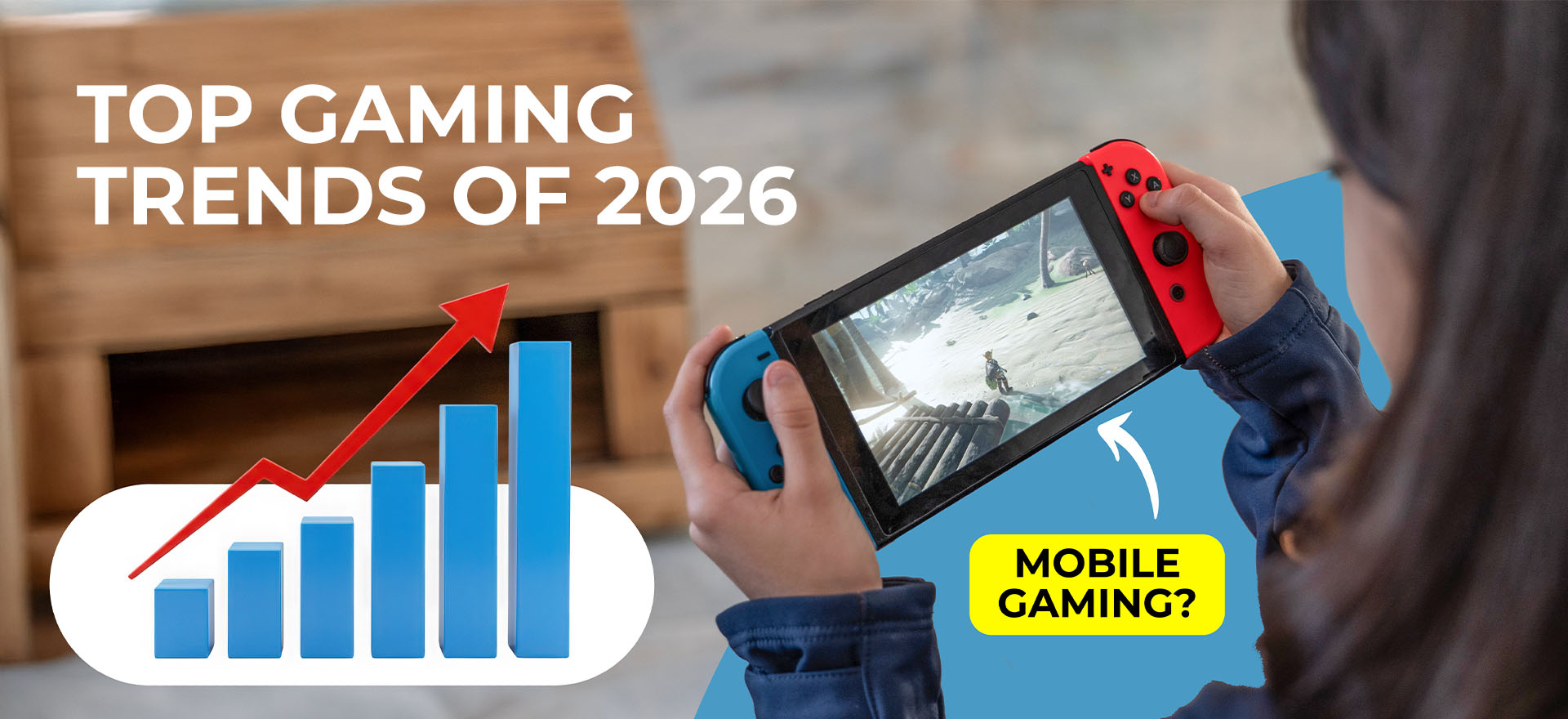


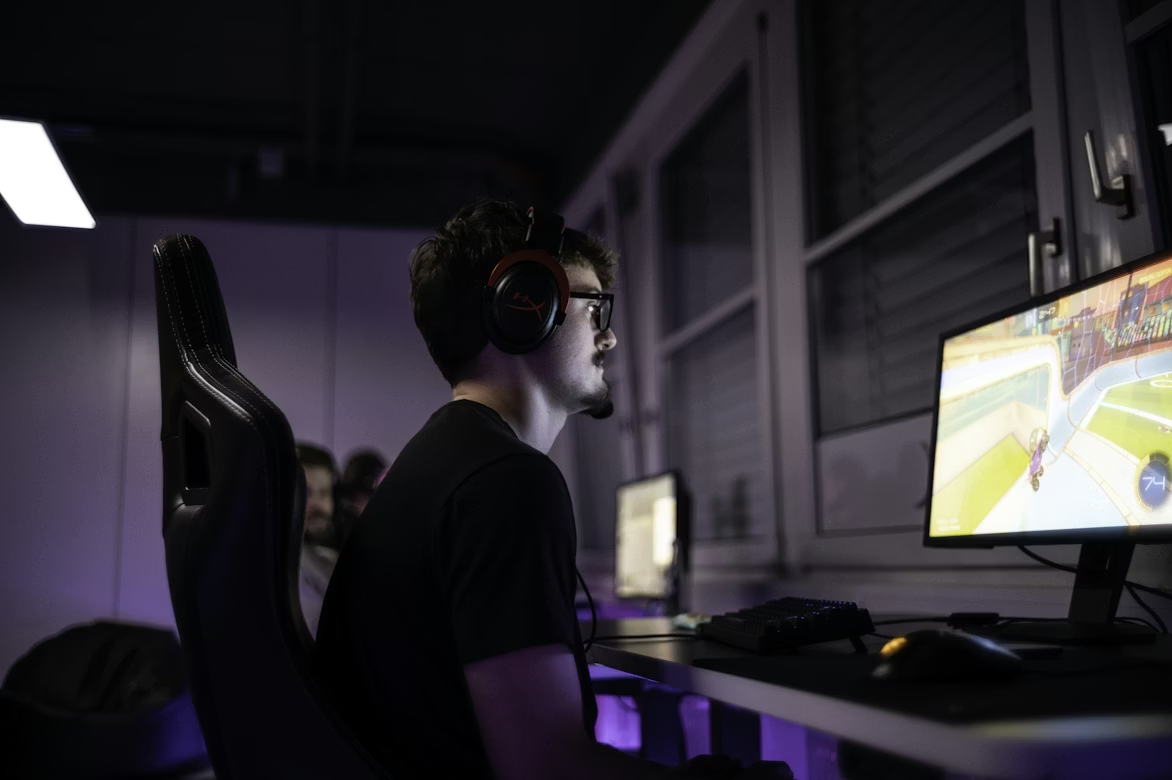
Top Tips To Improve Aim In FPS Games For All Players 2026 PrimeGlance Top Tips To Improve Aim In FPS Games For All Players 2026 2 . Key Gaming Trends Of 2026 TREND . How To Build Your Dream Gaming Setup In 2026 How To Build Your Dream Gaming Setup.webp. Top 10 Most Anticipated Games Of 2026 What To Watch Out For GAMES IN 2026 . How To Improve Your PC Gaming Skills In 2026 Pro Techniques That Image 4
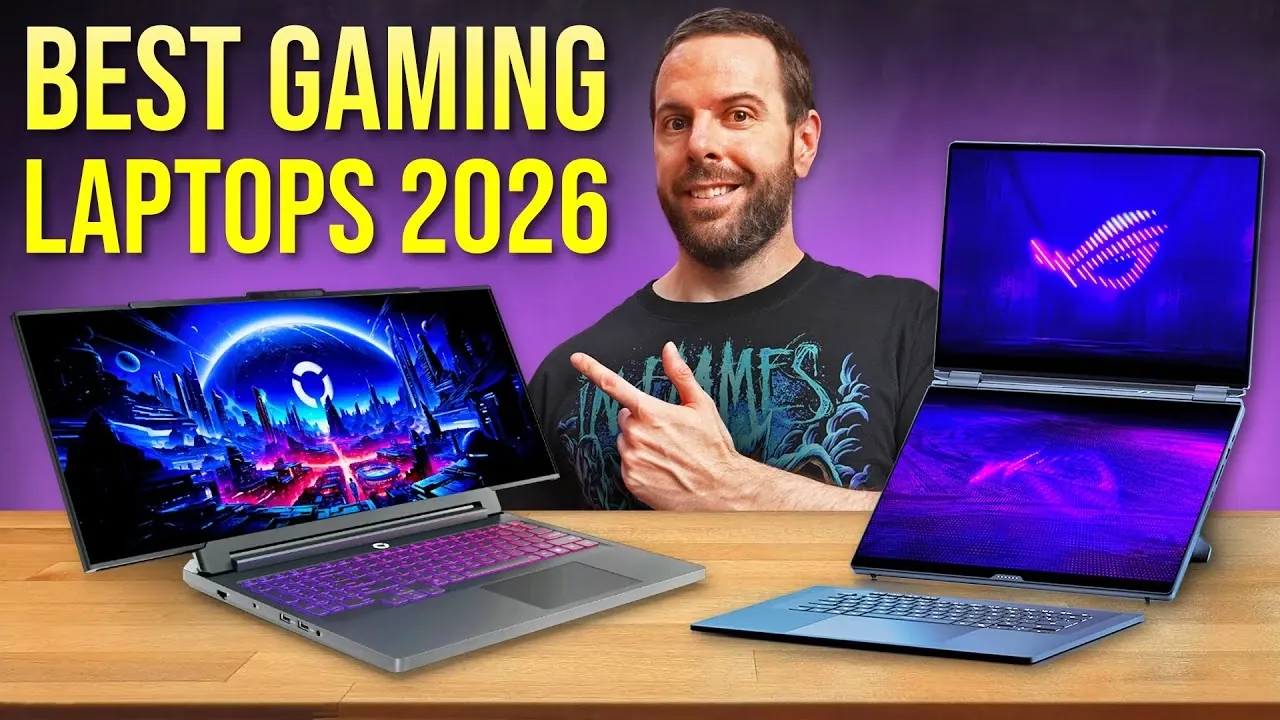

Best Gaming Laptops At CES 2026 RTX 5090 Options Dual Screen Picks Lenovo Legion Pro Rollable Concept. Best Budget Gaming Setup In 2026 Full Guide For Beginners Budget Friendly Gaming Setup In 2026 . Five Ways To Improve Your Game In 2026 10 Pin Times Five Ways To Improve Your Game In 2026 . From Gaming To Dual Focus Evolving Strategies In 2026 LevelUpTalk Gamers 02 03 2026 435585de 9b0c 4d4c B715. How To Choose The Right Gaming PC In 2026 Complete Guide Complete Guide 1200x675


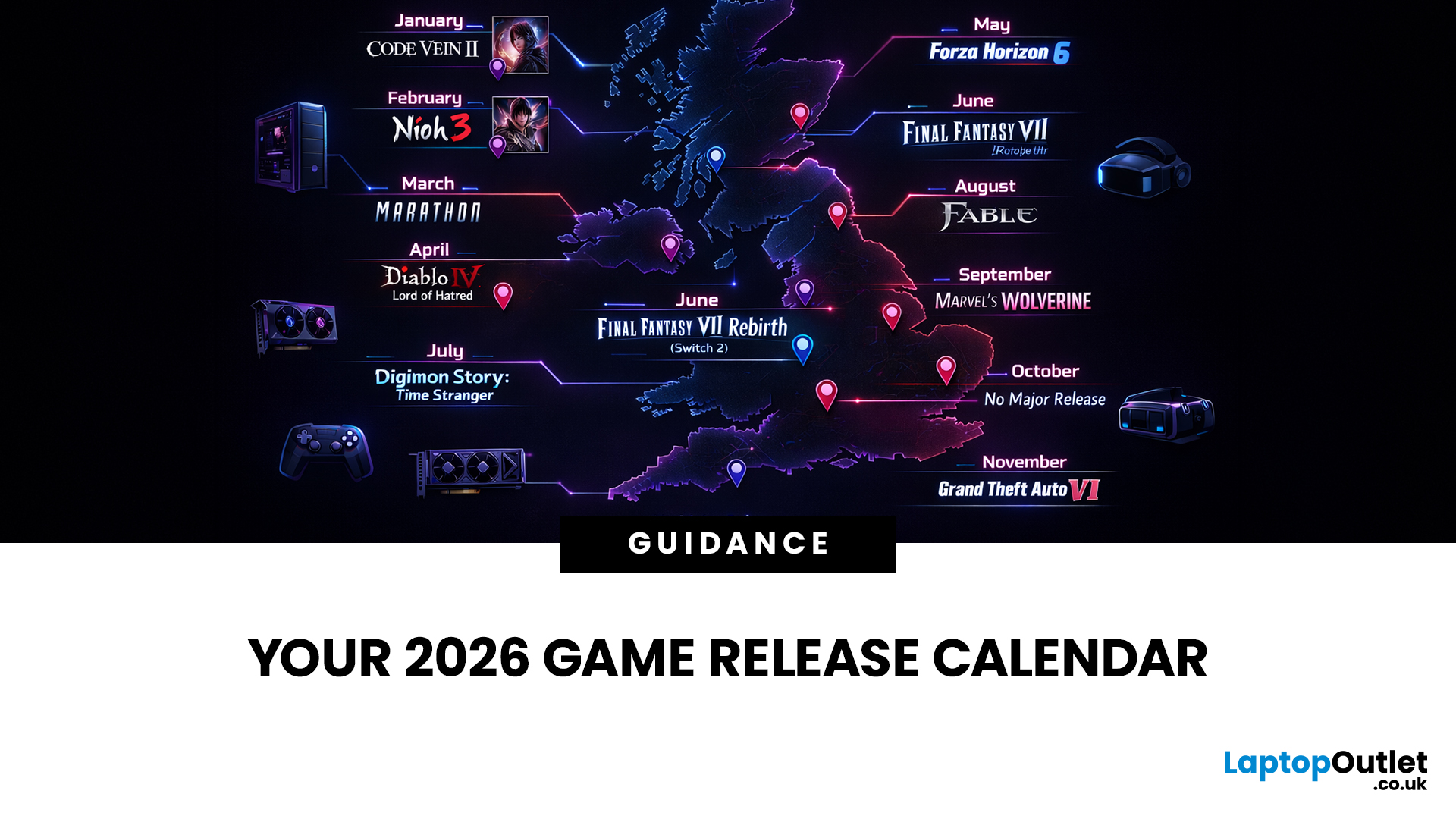
Gaming Desktop PC Guide 2026 Build The Ultimate Gaming Setup 2 2 3 . Xbox 2026 Roadmap New Games Windows Integration Revealed Xbox 2026 Roadmap Concept . The Best Gaming ISPs For 2026 The Best Gaming Isps For 2026 Mv1b.1920 . Top 5 New Games You Should Be Streaming In 2026 GETREKT Top 5 Stream 2026 6bdddd73 9416 444e Bc3c . Upcoming Xbox Games In 2026 What To Play Next Year Game Releases Full Calendar Release Dates Main


10 Much Awaited Games Set To Launch In 2026 Games To Launch 2026 1024x645 . Game Development Trends 2026 IMG Cover 1 . New Year 2026 Gaming Goals Resolution Worksheets Activities By 750f 15195834 3 . How To Improve Xbox Series X Performance In 2026 Softzap ChatGPT Image Feb 20 2026 11 25 32 AM 1 . 2026 Upcoming Games And Game Release Dates Guide 2026 Upcoming Games Release Dates


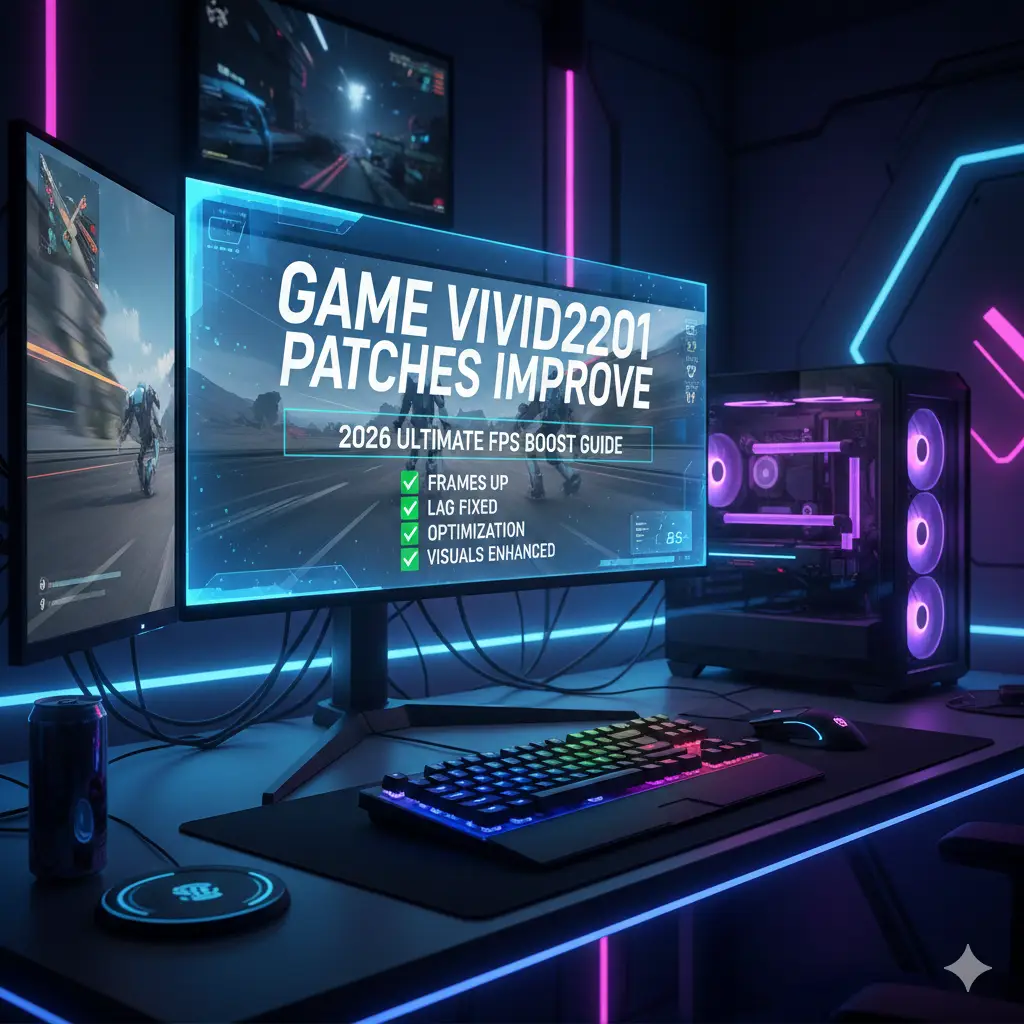
The Perfect Gaming Tech To Use In 2026 Feedbuzzard 8 . Top Upcoming Games Of 2026 You Shouldn T Miss Gamersshub Top Games 2026 Gghub . 13 Best GPUs For Gaming 2026 Top Graphics Cards Ranked Banner 23.webp. The 94 Most Exciting Games Of 2026 Eurogamer Net 2026 Best . Game Vivid2201 Patches Improve 2026 Ultimate FPS Boost Guide Game Vivid2201 Patches Improve 2026 Ultimate FPS Boost Guide Game Vivid2201 Patches Improve Your PC Games A Lot. They Make Frames Go Up Fix.webp
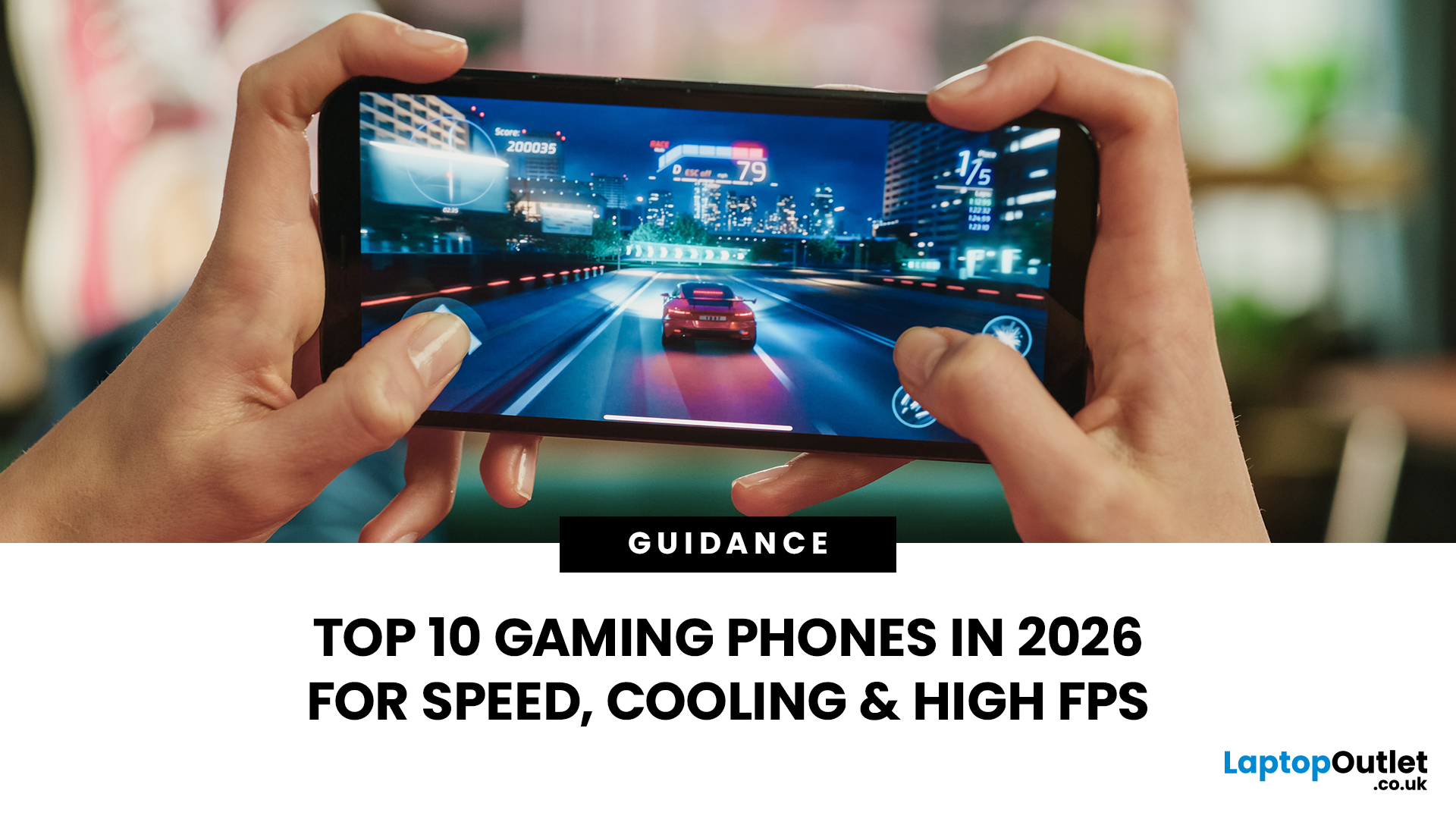

10 Best Gaming Phones In 2026 10 Best Gaming Phones 2026 Main . Upcoming Games 2026 Full Video Game Release Calendar Beebom 2026 Games Release Schedule . How To Increase FPS On Your Gaming PC In 2026 A Practical Untitled Design 39 . How To Improve Reaction Time In Games In 2026 Suena Games 10 1 . Best Gaming Monitors For 2026 Reviews And Bharat Erberbr

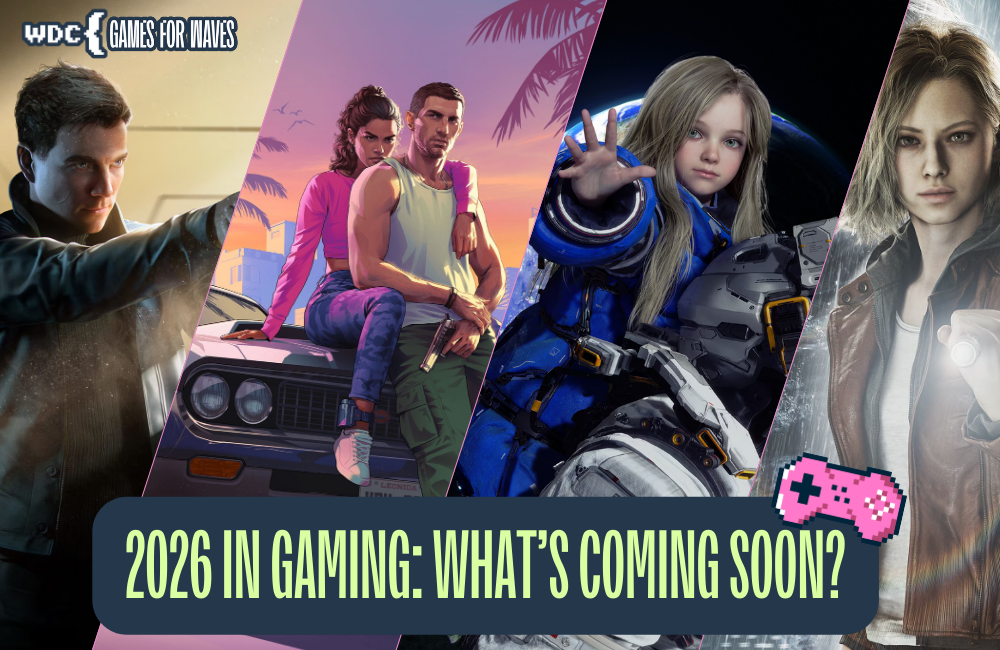

AI In Web3 Gaming 2026 Trends Tools Pool Party Nodes News Image . Video Games 2026 Ones To Watch Part 1 Quest Daily 2026 Games Pt 1 . 2026 In Gaming Releases What Are We This Year Blogs 2026 Gaming 2 . How To Increase FPS Tips And Tricks For 2026 UK CES 2026 Twitter Optimised UK Blog Feature Image Bottom Text Blog TextTwitter 1536x864