Unlock the secrets to mastering the card game Mafia, a thrilling social deduction experience perfect for friends and family. This comprehensive guide covers everything from basic setup and understanding core roles to advanced strategies for both Villagers and Mafia. Discover how to identify bluffs, hone your deduction skills, and become a pro at this classic party game. For busy US gamers, balancing work, family, and fun, Mafia offers quick, engaging social interaction and skill-building without requiring a huge time commitment or expensive hardware. Learn how this game fosters communication, critical thinking, and provides immense entertainment, making it a trending choice among the 87 percent of US gamers who play regularly, often seeking social and stress-relieving experiences in their 10 plus hours of weekly gaming. Embrace the fun of deception and deduction in a format that fits your lifestyle, whether online or in person. This article provides practical solutions to common setup issues and offers game recommendations tailored for those with limited time.
Related games- How to Watch Basketball Games 2026 Ultimate Guide
- Guide How to Make Roblox Merchandise for Gamers
- Guide to 2022 Roblox Innovation Awards
- How To Fix Roblox Game Join Issues 2026
- Understanding Gaming Addiction Who Is At Risk
What is the objective of the Card Game Mafia?
The core objective in the Card Game Mafia depends on your assigned role. If you are a Villager, your goal is to identify and eliminate all hidden Mafia members. Conversely, if you are part of the Mafia, your objective is to secretly eliminate enough Villagers to gain a numerical advantage, typically until Mafia numbers equal or exceed Villagers.
How many players do you need to play Mafia with cards?
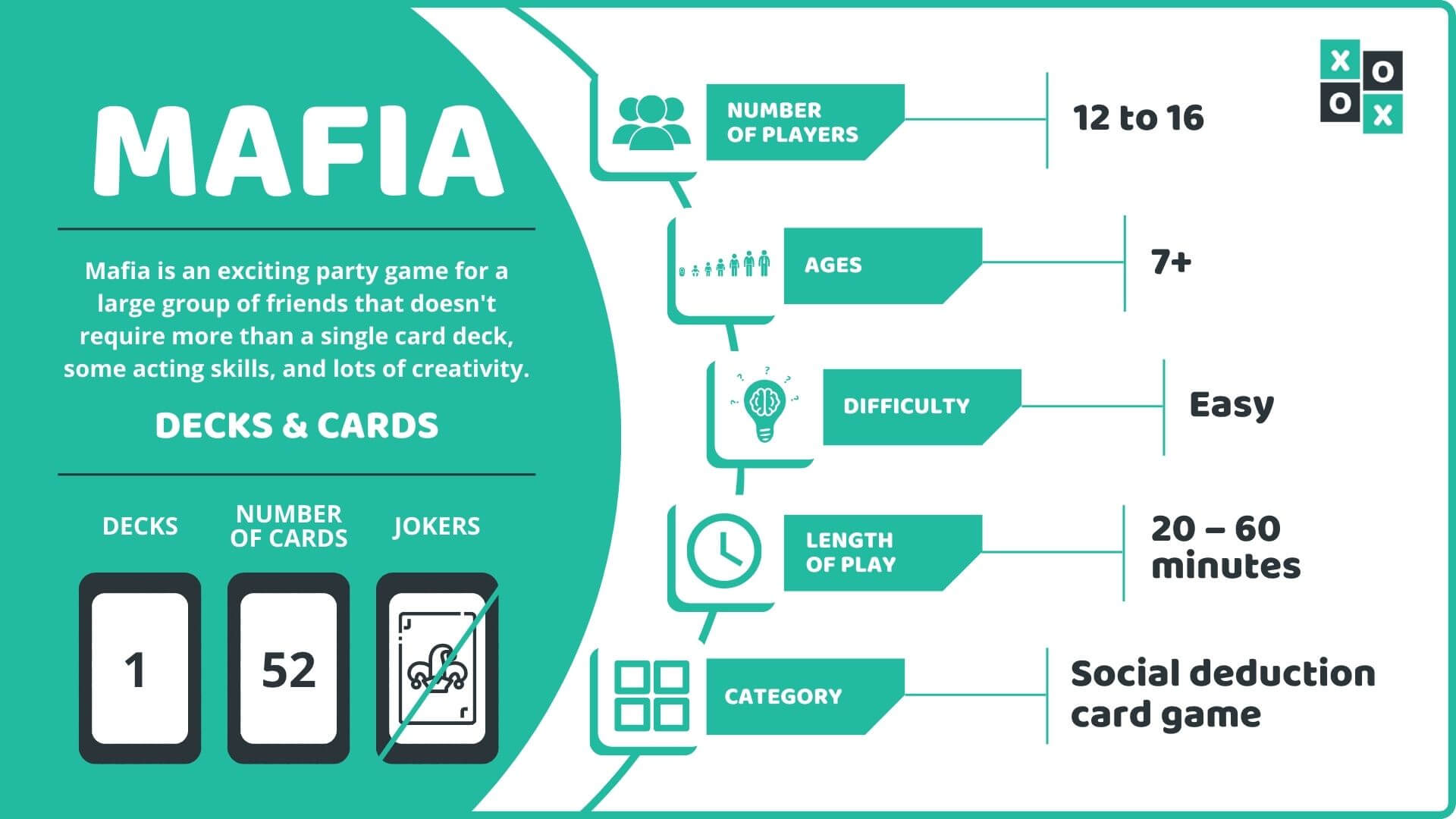
While a basic game of Mafia can technically be played with as few as 5 players (including a Moderator), the game truly shines and offers richer strategic depth with a group of 8 to 15 players. More players allow for a better distribution of roles and more complex social dynamics to unfold, enhancing the experience.
What are the main roles in a standard Mafia game?
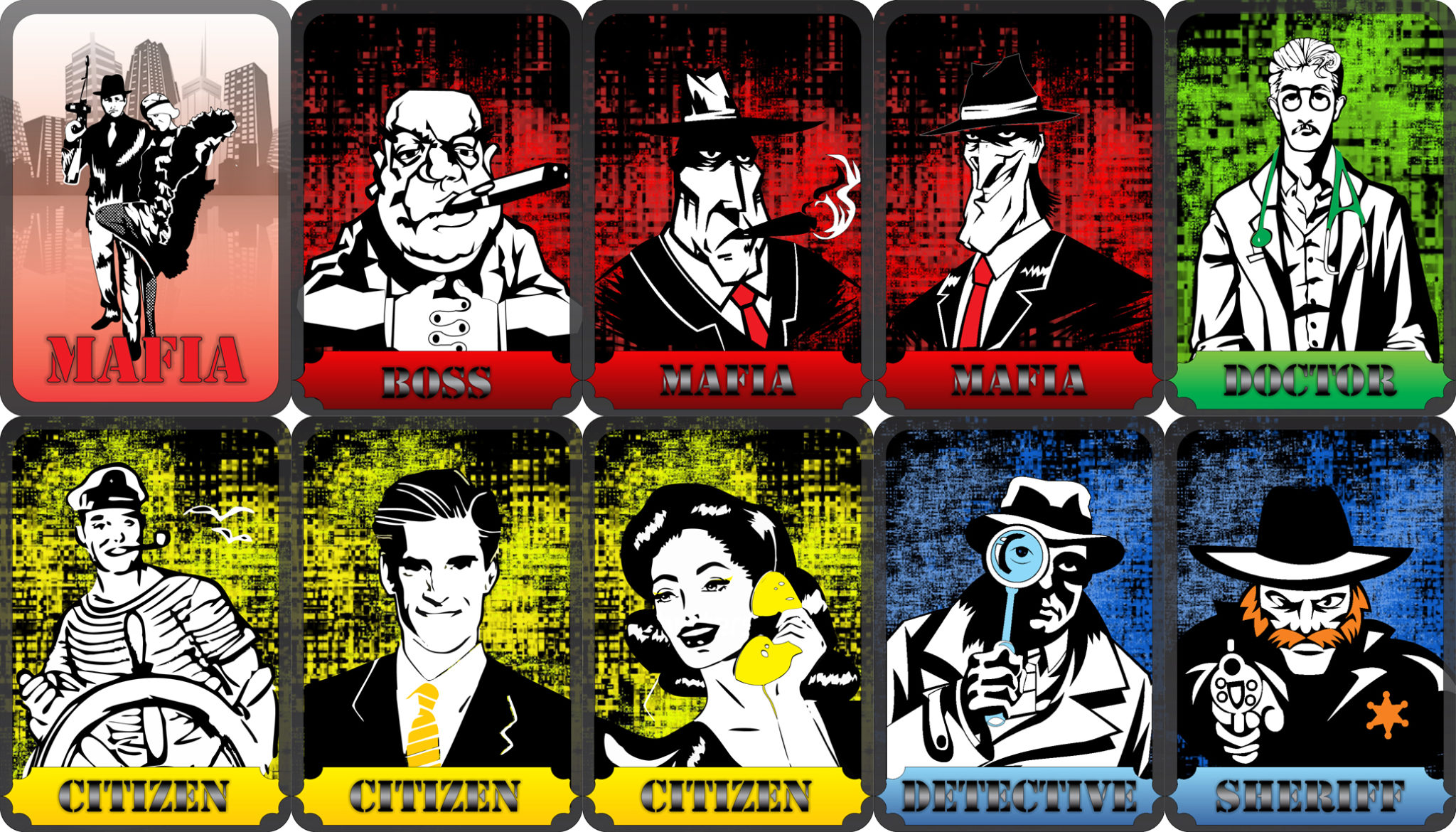
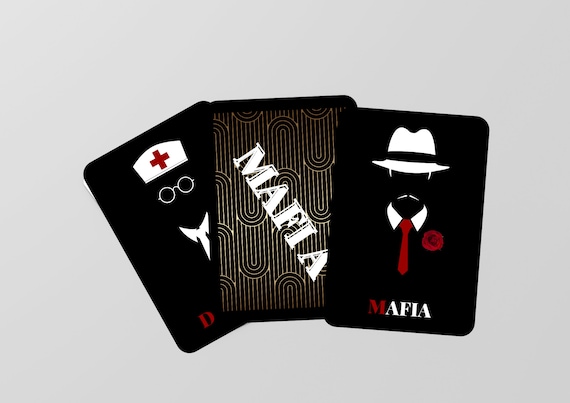
The main roles in a standard Mafia game are the Mafia (the deceitful minority), the Villagers (the innocent majority), and the Moderator (the non-playing game master). Optionally, special Villager roles like the Detective (who can investigate) or the Doctor (who can protect) are often included to add more strategic layers.
How do you start a game of Card Mafia?
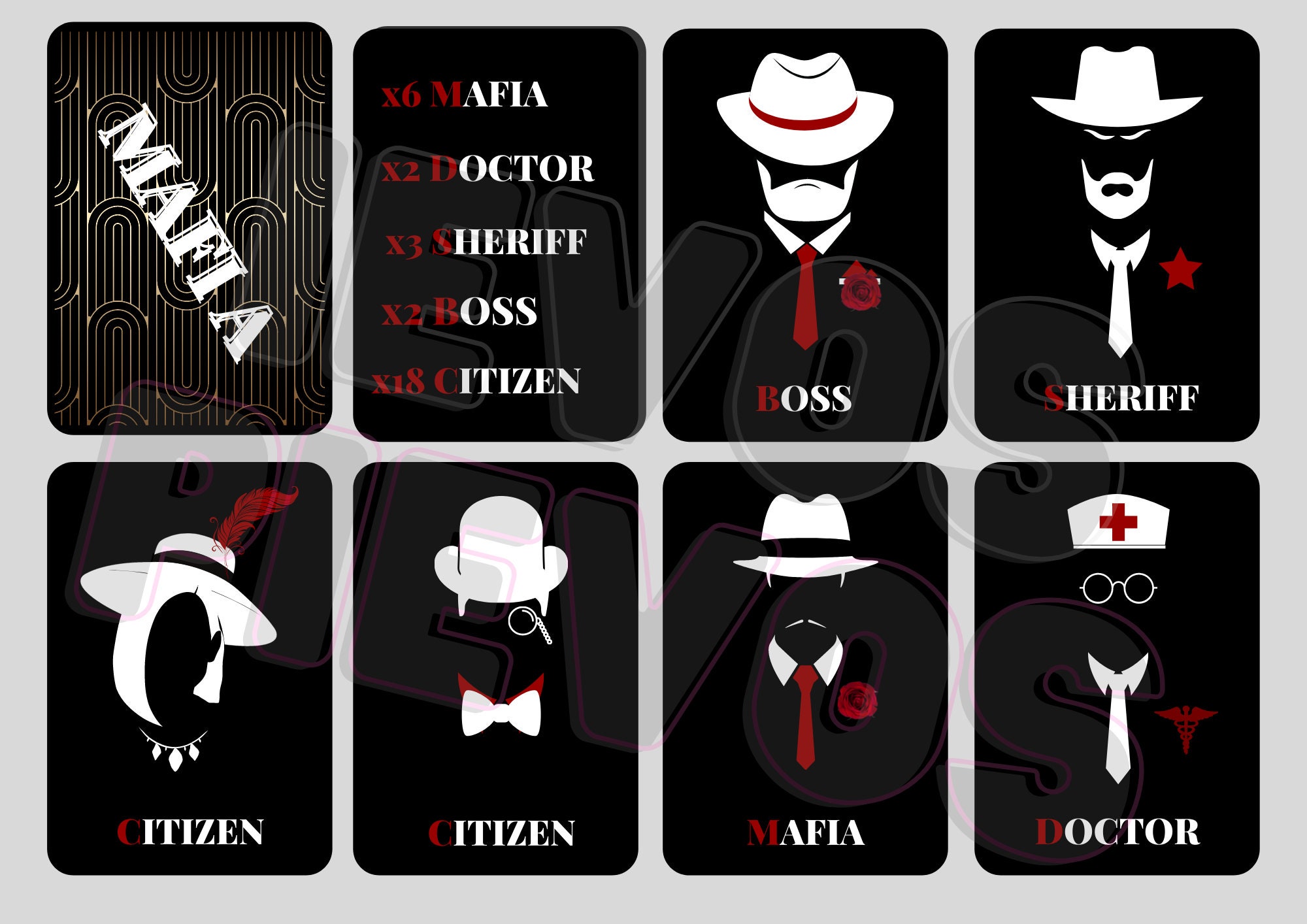
To start a game of Card Mafia, a Moderator is chosen, and role cards (or designated regular playing cards) are secretly distributed face-down to each player. Players secretly view their role. The Moderator then announces the start of the 'night' phase for Mafia to identify each other, followed by the 'day' phase for discussion and voting.
What is the 'Day Phase' in Mafia?
The 'Day Phase' in Mafia is when all players are 'awake' and openly discuss who they suspect might be a Mafia member. During this phase, Villagers try to deduce the Mafia's identity through conversation, accusations, and alibis, culminating in a vote to 'lynch' (eliminate) a suspect. Mafia members try to mislead and deflect suspicion.
What happens during the 'Night Phase' in Mafia?
During the 'Night Phase' in Mafia, all players 'go to sleep' (close their eyes). The Moderator then secretly instructs the Mafia members to 'wake up' and choose a Villager to eliminate. Special roles like the Doctor or Detective might also 'wake up' during this time to use their unique abilities, all without revealing their identities.
What is the best strategy for a Villager to win?
The best strategy for a Villager to win is active participation, keen observation, and logical deduction. Speak up, share your thoughts, and question others' motives or inconsistencies. Avoid being too quiet, which can raise suspicion. Pay attention to voting patterns and try to identify any players who consistently defend or align with others under suspicion. Collaborate with other Villagers to build a strong case against the Mafia.
Hey fellow gamers! Ever find yourself scrolling through endless game options after a long day, wishing for something truly engaging yet easy to jump into with friends? As adult gamers, many of us, especially those around 36 balancing jobs and families, know the struggle. We crave relaxation, fun, and perhaps a little skill-building, but without the intense setup or time commitment of a major AAA title. The good news is, you're not alone. Recent stats show 87 percent of US gamers play regularly, averaging over 10 hours a week, with a significant lean towards social and mobile gaming experiences. This month, social deduction games are seeing a massive surge, and that's exactly where the card game Mafia shines. It's a fantastic blend of psychology, strategy, and pure fun that perfectly fits a busy lifestyle, offering rich social interaction without breaking the bank. Forget about hardware upgrades on a budget or wrestling with complex installations; Mafia is about raw human interaction. This guide is your ultimate resource for understanding how to play card game Mafia, offering practical solutions to common pain points like getting started, mastering roles, and even adapting it for different group sizes. Let's dive in and elevate your game nights!
What is the Card Game Mafia and Why is it a Gamer Favorite?
The card game Mafia, also known simply as Werewolf, is a social deduction game where two opposing teams, the Mafia and the Villagers, secretly battle it out. The Mafia's goal is to secretly eliminate the Villagers, while the Villagers must identify and lynch the Mafia members. A neutral Moderator oversees the game, facilitating turns and maintaining order. Its popularity stems from its unique blend of deception, strategy, and social interaction, making every game unpredictable and highly engaging. For gamers who prioritize social play and skill-building, Mafia offers an unparalleled experience in reading people, bluffing, and critical thinking. It taps into the desire for community and competition, which are key drivers for many US gamers today, often played in person or via platforms like Discord for remote groups. This focus on interaction, rather than flashy graphics, resonates deeply with those who value genuine fun and connection over hype.
How Do You Prepare and Set Up a Game of Card Mafia?
Setting up a game of Mafia is straightforward, making it ideal for spontaneous game nights. First, you need a group of players, typically 7-20 people, though variants exist for smaller or larger groups. The core components are role cards: a Moderator, a few Mafia members, and many Villagers. You can easily create these cards using a standard deck of playing cards (e.g., Aces for Mafia, Kings for Detective, numbered cards for Villagers) or by writing roles on slips of paper. Distribute one card face-down to each player. Each player secretly looks at their card to learn their role. The Moderator then announces the start of the game. For optimal balance, a good rule of thumb is to have one Mafia member for every three to four Villagers. For instance, with 10 players, you might have 2 Mafia and 8 Villagers plus the Moderator. This quick setup addresses a common pain point for busy gamers: minimal preparation for maximum enjoyment.
Understanding the Core Roles: Mafia, Villagers, and the Moderator.
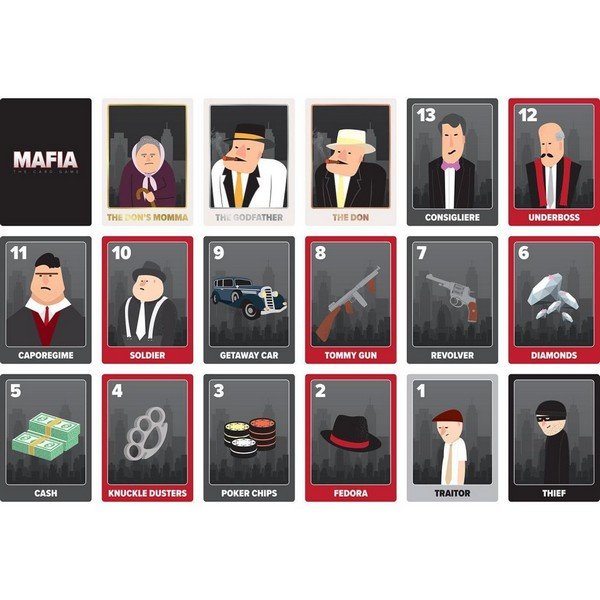
Understanding the distinct roles is crucial for how to play card game Mafia successfully. The **Mafia** members know each other's identities and work together covertly to eliminate Villagers. Their primary weapon is deception and strategic voting during the day phase. **Villagers** are the majority and do not know who the Mafia are. Their strength lies in collective deduction, discussion, and voting to identify suspected Mafia. Some Villagers may have special abilities, like the **Detective** who can investigate one player per night to learn their role, or the **Doctor** who can protect one player from a Mafia kill. The **Moderator** is the game master; they do not participate in voting or influencing the game directly. Instead, they announce day and night phases, manage role assignments, call for votes, and ensure all rules are followed. The Moderator's role is critical for a smooth, fair, and fun game.
What are Key Strategies for Villagers to Identify the Mafia?
As a Villager, your main task is to identify the hidden Mafia. This requires keen observation and active participation. Pay close attention during the day discussions: who is quiet? Who is overly aggressive in accusing others, perhaps to deflect suspicion? Mafia members often try to blend in or create chaos. Look for inconsistencies in players' stories or voting patterns. If someone consistently votes with a suspected Mafia member, it could be a clue. Furthermore, if you have a special role like Detective, use your power wisely and communicate your findings cautiously, as revealing yourself too early could make you a target. Don't be afraid to lead discussions, ask pointed questions, and push for logical arguments. Building alliances and trusting your gut feeling based on player behavior are vital. Remember, the collective intelligence of the Villagers is their strongest asset.
How Can Mafia Members Successfully Deceive and Eliminate Villagers?
For the Mafia, deception is your best friend. Your goal is to sow distrust among the Villagers and appear as innocent as possible. During the day, participate actively in discussions, but avoid being too outspoken or too quiet, both of which can draw suspicion. Try to deflect attention onto innocent Villagers, perhaps by subtly hinting at their guilt or questioning their logic. Coordinate with your fellow Mafia members during the night phase to agree on a target; a unified front is key to success. If accused, present a convincing alibi or counter-accusation. A popular tactic is to 'claim a role' (e.g., pretend to be the Doctor) if you feel cornered, though this is risky. Your ability to bluff convincingly, read the room, and adapt to changing suspicions will determine your success. The thrill of outsmarting the Villagers is what makes playing Mafia as a hidden antagonist so satisfying.
Common Mistakes New Players Make and How to Avoid Them.
New players, whether Villager or Mafia, often make a few common mistakes. For Villagers, a major pitfall is being too passive and not contributing to discussions. Silence can be misconstrued as guilt. Another error is trusting too easily; remember, everyone is a suspect until proven otherwise. For Mafia, a common mistake is being too obvious, either by being overly aggressive in accusations or by failing to coordinate night kills, leaving the Mafia vulnerable. Revealing your role prematurely as a special Villager (like the Detective) can also lead to an early demise. To avoid these, participate actively but thoughtfully. As a Villager, voice your suspicions and reasoning. As Mafia, practice subtle deception and maintain a consistent innocent persona. Always listen to the Moderator's instructions carefully, as they guide the pace and flow of the game. For busy gamers, avoiding these pitfalls means less time figuring out the game and more time enjoying it.
Adapting Mafia for Different Group Sizes and Player Counts.
One of the great strengths of the card game Mafia is its adaptability. While an ideal group size is often cited as 8-15 players, you can absolutely adjust it for fewer or more. For smaller groups (5-7 players), reduce the number of Mafia to just one and consider adding powerful special Villager roles like the Doctor or Detective to balance the game. This keeps the dynamic fresh and the stakes high. For larger groups (16+ players), you might increase the Mafia count to three or even four, and introduce more complex roles such as the Witch (who can save or kill someone once) or the Cupid (who links two players as lovers, if one dies, the other dies too). A table showing recommended role distributions for various player counts can be incredibly helpful for planning. Balancing roles ensures that the game remains challenging and fair, preventing one side from having an overwhelming advantage. This flexibility makes Mafia a staple for any gathering, from intimate friend groups to large parties.
| Players | Moderator | Mafia | Villagers (Basic) | Special Villagers (Optional) |
|---|---|---|---|---|
| 5-6 | 1 | 1 | 3-4 | 1 (Detective or Doctor) |
| 7-9 | 1 | 2 | 4-6 | 1-2 (Detective, Doctor) |
| 10-12 | 1 | 2-3 | 6-8 | 2-3 (Detective, Doctor, Bodyguard) |
| 13-15 | 1 | 3 | 8-10 | 3-4 (Detective, Doctor, Vigilante, Witch) |
| 16-20 | 1 | 4 | 10-12 | 4-5 (Variety of roles) |
Exploring Digital Versions and Apps for Playing Mafia.
In today's interconnected world, where mobile gaming dominates and social interaction often happens online, it's no surprise that digital versions of Mafia are thriving. Apps like 'Mafia Online,' 'Town of Salem,' or browser-based platforms offer convenient ways to play with friends remotely or join public games. These platforms often automate the Moderator's role, manage card distribution, and keep track of votes and eliminations, streamlining the process significantly. They also introduce a vast array of unique roles and rule variations, adding layers of complexity and replayability. For gamers who use Discord for socializing, many servers host text or voice-based Mafia games. Playing digitally solves common pain points like needing a physical group or a dedicated Moderator, making it easier to balance gaming with a busy life. It's a testament to the game's timeless appeal that it has successfully transitioned to the digital realm, maintaining its core fun while offering modern conveniences.
Balancing Social Card Games Like Mafia with a Busy Lifestyle.
For many adult gamers, the biggest challenge isn't finding a fun game, but finding time to play it. Social card games like Mafia are fantastic because they often have discrete rounds, allowing for natural break points. A single game typically lasts 20-45 minutes, depending on group size and discussion intensity. This makes it perfect for a quick evening session after putting the kids to bed, during a lunch break with colleagues, or as a relaxed activity on a Saturday evening without committing to an all-day gaming marathon. The focus on social interaction means less screen time burnout and more genuine connection. Many gamers find that these social experiences are excellent stress relief, helping them unwind and engage their minds in a different way. Prioritize scheduling game nights, even short ones, with friends, and consider digital versions if in-person gatherings are tough. It's about optimizing your playtime for maximum social and mental benefit.
Advanced Tips and Tricks for Mastering the Mafia Game.
Once you understand how to play card game Mafia, you can delve into advanced strategies. As a Villager, consider 'baiting' the Mafia by acting suspiciously to see who reacts strongest or tries to lynch you. Observe voting patterns over several rounds; consistent voters for elimination targets might be a coordinated Mafia group. As Mafia, learn to 'bus' your fellow Mafia members if suspicion gets too high on one of them; sacrificing one can save the others. Use 'reverse psychology' by accusing an innocent player and then vehemently defending them to appear trustworthy. Pay attention to body language and subtle cues in in-person games. In digital games, analyze chat patterns and response times. Mastering Mafia is less about memorizing rules and more about understanding human psychology, reading tells, and crafting compelling narratives, whether truthful or deceptive. The more you play, the better you become at discerning truth from lies, making every session a chance to hone your social and strategic skills.
In conclusion, the card game Mafia offers a dynamic, engaging, and highly social gaming experience that perfectly suits the modern gamer's lifestyle. Whether you're a busy professional looking for stress relief or a casual player seeking deep social interaction, Mafia delivers on all fronts. Its straightforward setup, adaptable rules, and focus on human psychology make it a timeless classic that continues to trend among US gamers who value connection and skill-building. Mastering the art of deception and deduction not only brings exhilarating wins but also strengthens your critical thinking and communication abilities. So, gather your friends, choose your roles, and prepare for an unforgettable night of mystery and strategy!
What's your biggest gaming challenge when it comes to social games? Comment below!
FAQ Section
What is the minimum number of players for Mafia?
The card game Mafia typically requires a minimum of 5 players, including a Moderator. However, the game becomes more strategic and fun with 7 or more participants, allowing for better hidden roles and more complex social dynamics.
Can you play Mafia with a regular deck of cards?
Absolutely! You can easily play Mafia with a regular deck of cards by assigning roles to specific cards. For example, Aces could represent Mafia, a King the Detective, a Queen the Doctor, and numbered cards as basic Villagers. Just ensure roles are distinct and clearly communicated.
What are common house rules for Mafia?
Common house rules for Mafia include 'no revealing roles unless dead', 'first vote is final', or adding specific custom roles like a 'Vigilante' (can kill one player at night) or a 'Jester' (wins if lynched). Always agree on house rules before starting the game for fair play.
How long does a typical game of Mafia last?
A typical game of Mafia lasts between 20 to 45 minutes, depending on the number of players, the intensity of discussions, and how quickly decisions are made. Shorter games often result from fewer players or decisive eliminations, making it perfect for quick sessions.
Is Mafia a good game for team building?
Yes, Mafia is an excellent game for team building as it encourages communication, critical thinking, observation skills, and strategic collaboration (for both Villagers and Mafia). It helps players understand group dynamics and identify leadership qualities in a fun, low-stakes environment.
What is the role of the Moderator in Mafia?
The Moderator is the game's non-playing facilitator. They assign roles, announce day and night phases, manage discussions, call for votes, and narrate the game's events without revealing any player's role. A good Moderator ensures the game flows smoothly and remains fair.
Social deduction, hidden roles, bluffing, teamwork, strategy, player elimination, communication skills, fun party game, critical thinking, group dynamics, game setup, role assignments, psychological gameplay, player interaction.
35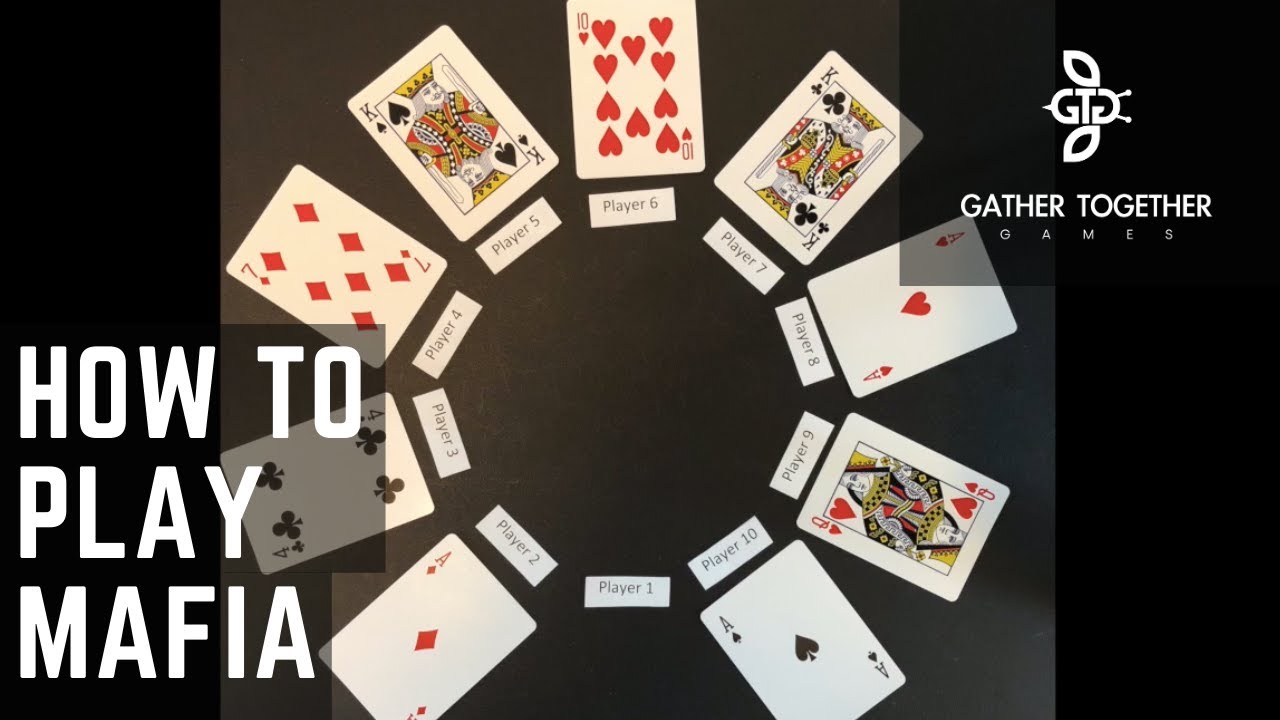
Mafia Card Game How To Play Mafia 6 Essential Strategies To Win EVERY . Mafia Card Game How To Play Mafia 6 Essential Strategies To Win EVERY Mafia Card Game . Mafia Card Game How To Play Mafia 6 Essential Strategies To Win EVERY Mafia Box . Mafia Card Game Rules And How To Play Group Games 101 Mafia Card Game Info . How To Play Card Game Mafia At Robert Huang Blog Il Mamu


How To Play Mafia Free Download Print Card Game Picture Of Mafia Game 600x526 . Mafia Card Game How To Play Mafia 6 Essential Strategies To Win EVERY Mafia Cards Cover Photo . How To Play The Card Game Mafia At Mia Stanfield Blog Mafia Game Rules . How To Play Mafia Rules To Play With And Without Cards 1930781 2048x1170 . How To Play Card Game Mafia At Robert Huang Blog 735x735 Fitbox Fiz262 Mafia Cards 2





How To Play Card Game Mafia At Robert Huang Blog Mafia Card Fan . How To Play MAFIA Play In Games BOX Edited . Mafia Cards Printable Etsy Il Hqxm . Role Playing Card Game MAFIA Maffia Menukaarten Spel . How To Play Mafia Rules To Play With And Without Cards 123




How To Play The Card Game Mafia At Mia Stanfield Blog Il 766w . Mafia Card Game How To Play Mafia 6 Essential Strategies To Win EVERY 81P3zcBF7BL . How To Play Card Game Mafia At Robert Huang Blog Mafia Game Rules . Mafia Game Printable Cards By Dessi Dobrolevska TPT 750f 8523123 1 . How To Play The Card Game Mafia At Mia Stanfield Blog Mafia Card Game



How To Play Mafia Party Game Rules V4 460px Play Mafia Step 5 Version 3 . How To Play Mafia Party Game Without Cards At Jeremy Tellez Blog Play Mafia Step 22 Version 3 . Mafia Card Game How To Play Mafia 6 Essential Strategies To Win EVERY Game8 Jpg 1024x.webp. Mafia Gameplay Cards By Paul Moorhead Kickstarter Mafia Game Mafia . Mafia Wars Card Game Daraz Pk




The Lounge A Mafia Game . Mafia Card Game How To Play Mafia 6 Essential Strategies To Win EVERY Il Fj9t . Toy Mafia Board Game 0005971 Mafia Board Game 550 . Mafia The Old Country PS5 Games PlayStation US . N Y Mafia In 2026 YouTube



Mafia Card Game How To Play Mafia 6 Essential Strategies To Win EVERY One Card One Shot Mafia . Rules Of MAFIA Card Game YouTube . The Lounge A Mafia Game Game Card Design Mafia Game Trading Card Ideas . Mafia Card Game How To Play Mafia 6 Essential Strategies To Win EVERY Mafia Four Cards . 6 Best Mafia Games In 2026 Rule The Streets Pay The Price Best Mafia Games 1024x574