Embarking on the journey of creating your very own online game is an exciting yet challenging endeavor. This comprehensive guide will navigate you through every crucial step, from initial concept to deployment and beyond. Discover the essential tools, fundamental design principles, and server architectures necessary to bring your multiplayer vision to life. Learn how to tackle common pitfalls, optimize performance, and engage with a thriving player community. Whether you're an aspiring indie developer or a seasoned programmer, this resource provides invaluable insights into current trends, monetization strategies, and the technical hurdles of online game development. Get ready to transform your innovative ideas into a captivating interactive experience for players worldwide. This guide offers actionable advice and up-to-date information, making it an indispensable asset for anyone passionate about crafting their next big online hit and navigating the complex landscape of interactive entertainment.
Welcome, fellow game enthusiasts! We've all been there, dreaming of creating the next big online world. But where do you even start? The journey of building an online game, from a spark of an idea to a bustling virtual community, can seem like a colossal undertaking. This ultimate FAQ is your go-to guide, meticulously updated for the latest trends and tech, cutting through the jargon to give you honest, actionable advice. We'll cover everything from beginner questions about fundamental concepts to advanced strategies for live operations, ensuring you have the knowledge to build something truly special. Ready to turn your passion into pixels? Let’s dive in!
Most Asked Questions about How to Create an Online Game
Humanized Summary:
So, you're curious about making an online game? Awesome! Think of it like building a digital playground where everyone can hang out. It's not just about cool graphics; it's about making sure lots of computers can talk to each other super fast, so everyone sees the same game at the same time. You'll need a big idea, some specific software called a 'game engine' (like Unity or Unreal), and a plan for how people will connect (that's the 'server' part).
It's a big project, no doubt, involving game design, coding, art, and even figuring out how to keep cheaters away and how your game might make some money. You'll also need to constantly listen to what players want and keep updating your game, because online games are living things! But honestly, with a good plan and a lot of passion, creating an online game is totally doable and incredibly rewarding. It’s like being a digital architect and host all in one.
Beginner Questions
How do I start creating an online game from scratch?
Starting an online game begins with a clear concept. Define your game's genre, core mechanics, and target audience. Research existing games for inspiration and market gaps. Then, choose a suitable game engine like Unity or Unreal Engine, which offer robust tools for development. Begin learning the basics of your chosen engine and programming language (often C# for Unity, C++ for Unreal). Focus on building a small, playable prototype to validate your core idea before scaling up. This iterative approach helps manage complexity.
What software or tools are essential for online game development?
Essential tools include a game engine (Unity, Unreal Engine, Godot), a code editor (Visual Studio, VS Code), and version control software (Git) for collaboration. For online functionality, you'll need networking libraries or frameworks, which are often integrated into engines. A database (SQL or NoSQL) is crucial for persistent player data. Art assets require tools like Blender (3D) or Aseprite (pixel art), and sound design needs software like Audacity. Cloud platforms like AWS or Google Cloud are vital for hosting servers.
Is coding knowledge a must for making online games?
While some engines offer visual scripting (like Unreal's Blueprints or Unity's Bolt), a foundational understanding of programming is highly beneficial, if not essential, for online game development. Online games often require custom logic, server-side implementation, and optimization that visual scripting might not fully cover. Learning C# or C++ empowers you to build robust, scalable systems and debug complex networking issues. Even with visual scripting, understanding programming principles improves your ability to design and implement game mechanics effectively.
Multiplayer Issues
Why is network latency such a big problem in online games?
Network latency, or lag, is a huge challenge because it directly impacts player experience. It's the delay between a player's action and that action being registered by the server and other players. High latency causes desynchronization, where different players see different game states, leading to frustrating issues like rubber-banding, missed shots, or delayed responses. Developers use various techniques, such as client-side prediction, server reconciliation, and intelligent interpolation, to mask lag and make the game feel smoother. Minimizing latency is key for competitive and real-time online games.
How do I prevent cheating in my online multiplayer game?
Preventing cheating is a constant battle for online game developers. The most critical defense is implementing **server authority**: ensuring all critical game logic (like damage, position, currency) is validated and controlled by the server, not the player's client. Client-side anti-cheat software can detect known cheat programs. Behavior analysis can identify suspicious player patterns. Beyond technical solutions, fostering a strong community with reporting tools and taking swift action against rule-breakers discourages cheaters. It’s an ongoing process of monitoring and updating your defenses.
Endgame Grind
How do I keep players engaged in my online game long-term?
Long-term player engagement hinges on continuous content, a sense of progression, and a vibrant community. Regularly introduce new features, characters, maps, or seasonal events. Implement compelling reward systems, leaderboards, and achievements that encourage players to keep striving. Listen to player feedback and involve the community in decision-making when appropriate. Offer diverse gameplay modes and opportunities for social interaction. A well-managed live operations strategy, including frequent updates and community events, is crucial for sustained success and preventing player burnout.
What are common monetization strategies for live online games?
Common monetization strategies include free-to-play with microtransactions (cosmetics, battle passes), premium buy-to-play with optional DLC, and subscription models (especially for MMOs). The key is balancing revenue generation with player satisfaction. Focus on offering genuine value for purchases, avoiding 'pay-to-win' mechanics that alienate players. Transparency about monetization practices and ethical design build trust. Analyzing player spending habits and offering tailored promotions can also optimize revenue without being overly intrusive. Always prioritize a positive player experience to encourage spending.
Tips & Tricks
What's the best way to handle game updates and patches in an online game?
Handling updates in an online game requires careful planning to minimize disruption. Implement a robust patching system that allows players to download only changed files efficiently. Use version control for your game's codebase, ensuring all team members are working on the latest version. For larger updates, consider staging environments (test servers) to catch bugs before pushing to live. Communicate clearly with your community about upcoming patches, maintenance windows, and expected changes. Rolling out updates incrementally to a small portion of players first can also help identify critical issues early.
How important is community management for a successful online game?
Community management is paramount for an online game's success. Your community is the lifeblood of your game; they provide feedback, spread enthusiasm, and contribute to its longevity. Engage with players on platforms like Discord, forums, and social media. Be transparent about development, listen to criticism constructively, and address issues promptly. Foster a positive and inclusive environment. Organize community events, contests, and even opportunities for players to contribute ideas. A happy, engaged community is your best marketing and helps build a loyal player base that will stick with your game through thick and thin.
Still have questions?
The world of online game development is vast and constantly evolving. Don't hesitate to seek out more resources! Check out popular related guides on game design principles, advanced networking solutions, and effective marketing strategies for indie games.
Ever wondered how your favorite online game came to life? You know, the one that keeps you glued to your screen, chatting with friends and battling foes across vast digital worlds? It's a question many gamers ask, and honestly, the answer involves a fantastic blend of creativity, technical wizardry, and a whole lot of passion. Building an online game isn't just about putting pretty pixels on a screen; it's about crafting an interactive experience that connects people, often across continents. We're going to dive deep into what it truly takes to make an online game, breaking down the complex process into digestible chunks.
Creating an online game means you're building a whole universe that others can share. This isn't just about single-player narratives; it's about shared adventures, competitive arenas, and persistent worlds. From understanding the core game loop to setting up robust server infrastructure, every decision you make shapes the player's experience. This guide is designed to be your trusted companion, whether you're just starting to dream or already sketching out your game's first level. Let's pull back the curtain on this exciting journey, shall we?
Beginner / Core Concepts
1. Q: What are the absolute first steps I need to take to even think about making an online game? It feels super overwhelming!
A: I totally get why this confuses so many people when they're first starting out; it's a huge topic! Honestly, the very first step isn't coding, but rather *thinking* and *planning*. You've got to define your core game concept. What kind of online game do you want to make? Is it a competitive shooter, a cooperative RPG, or something totally new? Really nail down the central idea and the experience you want players to have. This means sketching out your game's genre, target audience, and unique selling points. Don't rush this creative phase! Also, consider the scope carefully. Starting small with a focused idea is always a wise move. You've got this!
2. Q: Okay, so I have an idea. What's the deal with game engines and choosing one for online multiplayer?
A: This one used to trip me up too! Choosing the right game engine is like picking your main character; it defines a lot about your journey. For online games, popular choices like Unity and Unreal Engine are front-runners because they offer robust networking features or extensive plugin ecosystems to handle multiplayer. Unity is incredibly versatile and often favored by indie developers for its C# scripting and vast asset store, while Unreal Engine, with its C++ and visual scripting Blueprint system, excels in high-fidelity graphics and larger-scale productions. There are also engines like Godot, which are open-source and gaining traction. Consider your technical comfort level and the specific demands of your game. My advice? Try out the free versions, complete some tutorials, and see what clicks with your style. You'll find your perfect fit!
3. Q: What's the difference between a single-player game and an online game from a technical perspective? Is it just adding a chat box?
A: Oh, if only it were just a chat box, my friend! The technical leap from single-player to online is massive, and it's a common misconception that it's just a small addition. The core difference lies in networking and state synchronization. In a single-player game, your computer manages everything. For an online game, you need a way for multiple players' computers (clients) to communicate with each other, usually through a central server. This server manages the 'truth' of the game world, synchronizing player positions, actions, and game events across all connected clients. It's about ensuring everyone sees roughly the same thing at the same time, despite internet lag. This involves complex topics like client-server architecture, authoritative servers, and dealing with latency. It's definitely more than just a chat box; it's building a shared reality!
4. Q: I hear terms like 'client-server' and 'peer-to-peer.' What do these mean for my online game?
A: Great question, understanding these architectures is fundamental! Think of client-server like a restaurant: everyone (the clients) sends their orders (actions) to the chef (the server), who cooks (processes) and then serves the food (updates the game state). The server is the single source of truth, making it great for competitive games where cheating needs to be minimized. Peer-to-peer (P2P), on the other hand, is like a potluck: everyone shares directly with each other. One player typically acts as the 'host,' and other players connect to them. While simpler to set up and potentially cheaper for smaller games, P2P is more vulnerable to cheating and host disconnections. For most serious online games today, especially competitive ones, a client-server model with a dedicated server is the industry standard for stability and security. Pick the model that best fits your game's needs and budget.
Intermediate / Practical & Production
1. Q: How do I actually get players to connect and interact in my game? What is 'networking' in game dev?
A: Networking in game development is basically the magic that allows all those individual player experiences to become one shared experience. It's how your game clients and servers talk to each other. You'll be dealing with sending and receiving data packets over the internet. This includes things like player movement, combat actions, chat messages, and world updates. You're typically going to use a networking library or framework that integrates with your chosen game engine. For Unity, solutions like Netcode for GameObjects or Mirror are popular. For Unreal Engine, its built-in networking system is very powerful. The key is to optimize data transfer, minimize latency, and handle disconnects gracefully. It's a bit like being an air traffic controller for data, making sure everything goes where it needs to go without crashing! Start with simple examples, like synchronizing a cube's position, and build up from there. You'll get the hang of it!
2. Q: Monetization strategies for online games are confusing. How do I make money without annoying players?
A: I get why this is a sticky wicket for so many developers; nobody wants to build a game that feels like a cash grab! The trick is finding a balance between profitability and player experience. Common strategies include:
- Premium (Buy-to-Play): Players buy the game once, like traditional titles. Simple and clear.
- Free-to-Play with Microtransactions: The game is free, but players can buy optional cosmetic items, convenience features (not pay-to-win!), or battle passes. This is extremely popular.
- Subscriptions: Players pay a recurring fee for access, often seen in MMOs.
- Ad Revenue: Less common for core online games but can work for casual mobile titles.
3. Q: What kind of server infrastructure do I need, and how much is it going to cost?
A: Ah, the ever-present question of server costs and setup! This one really depends on your game's scale and expected player count. For small indie games, you might start with a simple cloud-based virtual private server (VPS) from providers like DigitalOcean or Linode, or even leverage a dedicated game server hosting service. As your game grows, you'll likely need more robust solutions like:
- Dedicated Game Servers: Instances running your game logic, handling player connections for specific matches or zones.
- Database Servers: To store player data, inventories, progression, etc. (e.g., PostgreSQL, MongoDB).
- Backend Services: For authentication, matchmaking, leaderboards, and analytics (often using a platform like Google Cloud Platform, AWS, or Azure).
4. Q: How important is playtesting, and how do I even start testing an online game effectively?
A: Playtesting isn't just important; it's absolutely, positively *critical* for an online game! You're dealing with so many variables: network latency, server stability, player interactions, and potential exploits. Effective testing goes beyond just checking for bugs. You need to:
- Test Network Stability: Can the server handle multiple players? Does it crash under load?
- Balance Gameplay: Are classes/weapons balanced in a multiplayer setting?
- User Experience: Is the matchmaking intuitive? Is the UI clear for everyone?
- Security: Are there easy ways for players to cheat or hack?
5. Q: What are common 'gotchas' or pitfalls when developing online multiplayer features?
A: Oh, there are definitely some classic 'gotchas' that can trip up even experienced developers, and I've seen them all! One big one is desynchronization, where different clients or the server have conflicting views of the game state. This can lead to weird bugs like players appearing in the wrong spots or actions not registering. Another is latency compensation; you can't eliminate lag, so you have to intelligently predict player actions or use techniques like client-side prediction and server reconciliation to make the game *feel* responsive. Security vulnerabilities are also huge; client-side authority is a massive no-no for anything important, as players can easily manipulate their game. Always have the server be the ultimate authority. Lastly, don't underestimate the complexity of matchmaking and lobby systems. Building robust systems that connect players quickly and fairly is harder than it looks. Prepare for these challenges, build incrementally, and test thoroughly, and you'll navigate them like a pro!
6. Q: How do I handle persistent player data like inventories, levels, and achievements in an online game?
A: This is where your backend database becomes your best friend! Persistent player data is crucial for any online game where progress matters. You'll typically store this information in a database, which can be relational (like PostgreSQL, MySQL) or NoSQL (like MongoDB, DynamoDB). When a player logs in, their data is loaded from the database into the game server's memory. As they play and make progress (earn items, level up, complete achievements), these changes are then saved back to the database. It's super important to design your database schema carefully to handle large amounts of data efficiently and to ensure data integrity. Also, think about backup and recovery strategies; losing player progress is a huge no-no. Authentication systems, often tied to a user account service, will verify the player's identity before allowing access to their data. It's all about making sure players can log in and pick up right where they left off, no matter where or when they play!
Advanced / Research & Frontier
1. Q: What are the latest trends in online game networking, like serverless or edge computing?
A: This is where things get really exciting and on the cutting edge! Traditional dedicated servers are still very common, but newer paradigms like serverless computing and edge computing are gaining traction. Serverless, using services like AWS Lambda or Google Cloud Functions, allows you to run discrete pieces of backend code without managing servers directly, automatically scaling with demand. While not ideal for real-time, low-latency game logic, it's perfect for things like leaderboards, player authentication, or chat services. Edge computing, on the other hand, aims to bring game servers physically closer to players by distributing them globally in 'edge' data centers. This dramatically reduces latency, making for a smoother, more responsive experience, especially for players far from traditional central servers. Technologies like Akamai's EdgeWorkers are pushing this forward. These approaches promise greater scalability, lower latency, and reduced operational overhead. It's a fascinating area to watch and experiment with as you consider future-proofing your online game!
2. Q: How do modern online games prevent cheating and maintain fair play across a large player base?
A: This is a constant battle, and it's something every online game developer wrestles with! Preventing cheating is a multi-layered approach. First and foremost, you must enforce server authority for all critical game logic. This means the server, not the player's client, determines if a shot hit, if an item was truly acquired, or if a movement speed is valid. Client-side anti-cheat software (like Easy Anti-Cheat or BattlEye) helps detect known cheats running on player machines. Behavior analysis, where you look for suspicious patterns of play (e.g., impossible reaction times, perfect aim), can also flag potential cheaters. Beyond technical measures, fostering a strong, engaged community that self-reports cheaters is incredibly powerful. Implementing clear reporting tools and taking swift action against offenders sends a strong message. It's an ongoing arms race, but a combination of server authority, anti-cheat tools, and community vigilance is your best bet. You're building a fair playground for everyone, and that's a noble goal!
3. Q: What role does AI play in modern online game development, beyond just NPC behavior?
A: AI is becoming an increasingly powerful tool, extending far beyond simply controlling non-player characters! In modern online games, AI is being leveraged for:
- Dynamic Content Generation: Procedurally generating quests, levels, or items to keep the game fresh.
- Personalized Player Experiences: Adapting difficulty, offering tailored recommendations, or even creating custom challenges based on individual player data.
- Anti-Cheat & Anomaly Detection: Using machine learning to identify unusual player behavior indicative of cheating or exploits.
- Matchmaking Optimization: More intelligently pairing players based on skill, latency, and even playstyle.
- Live Operations & Analytics: AI can help analyze vast amounts of player data to identify trends, potential issues, or areas for improvement, helping developers make informed decisions for live game updates.
4. Q: How do I manage a live online game after launch? What are 'live ops'?
A: Launching your online game isn't the finish line; it's just the beginning of a whole new race called 'live operations,' or 'live ops' for short! This is the ongoing effort to keep your game running smoothly, engage your community, and continuously evolve the experience. Live ops involve:
- Monitoring & Maintenance: Keeping servers online, patching critical bugs, and ensuring performance.
- Content Updates: Releasing new maps, characters, features, or seasonal events to keep players engaged.
- Community Management: Interacting with players on forums, social media, and Discord; addressing feedback and fostering a positive environment.
- Monetization Management: Running sales, introducing new cosmetic items, and optimizing your in-game economy.
- Analytics: Continuously tracking player data to understand how people are playing and what they enjoy (or don't!).
5. Q: What are the legal considerations I should be aware of when creating an online game, especially regarding user data and international players?
A: This is a super important area that many new developers overlook, but it's crucial for avoiding headaches down the line! When you're dealing with online games, you're interacting with real people and their data, often across different countries. Key legal considerations include:
- Data Privacy: Laws like GDPR (Europe) and CCPA (California) require you to protect user data, be transparent about what you collect, and get consent. You'll need a clear Privacy Policy.
- Terms of Service (ToS): This legally binding agreement sets the rules for players, covers intellectual property, dispute resolution, and what happens if someone violates the rules.
- Intellectual Property (IP): Ensure all assets (art, music, code) are either original, licensed, or open-source. Don't use copyrighted material without permission!
- Children's Online Privacy Protection Act (COPPA): If your game targets children under 13 in the US, there are strict rules about data collection.
- Accessibility: Increasingly, regions are requiring digital products to be accessible to individuals with disabilities.
Quick Human-Friendly Cheat-Sheet for This Topic
- Start with a super clear, small game idea: Don't try to build the next AAA MMO alone on your first try!
- Pick your game engine wisely: Unity and Unreal are great, but explore others based on your needs and skill.
- Servers are essential for online: Plan for how players will connect and how the game world will be managed.
- Test, test, test: Get friends, then strangers, to break your game; it'll only make it stronger.
- Think about monetization early: How will your game make money, and will players feel good about it?
- Security first: Always make the server the 'truth' to stop cheaters in their tracks.
- Community is key: Talk to your players, listen to their feedback, and keep the game fresh.
Game concept and design, choosing a game engine, server architecture setup, multiplayer networking basics, database integration, monetization strategies, robust testing procedures, community management, game deployment and scaling, post-launch support and updates.
35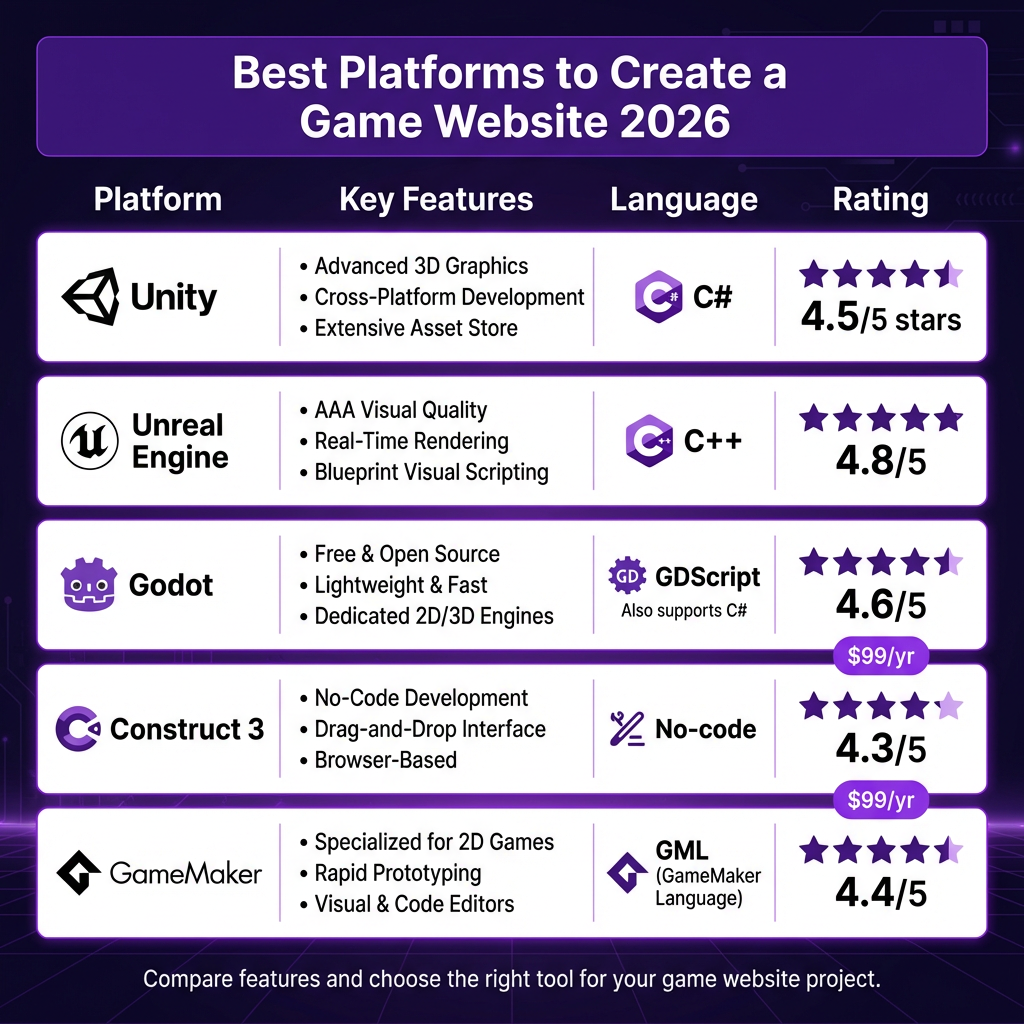
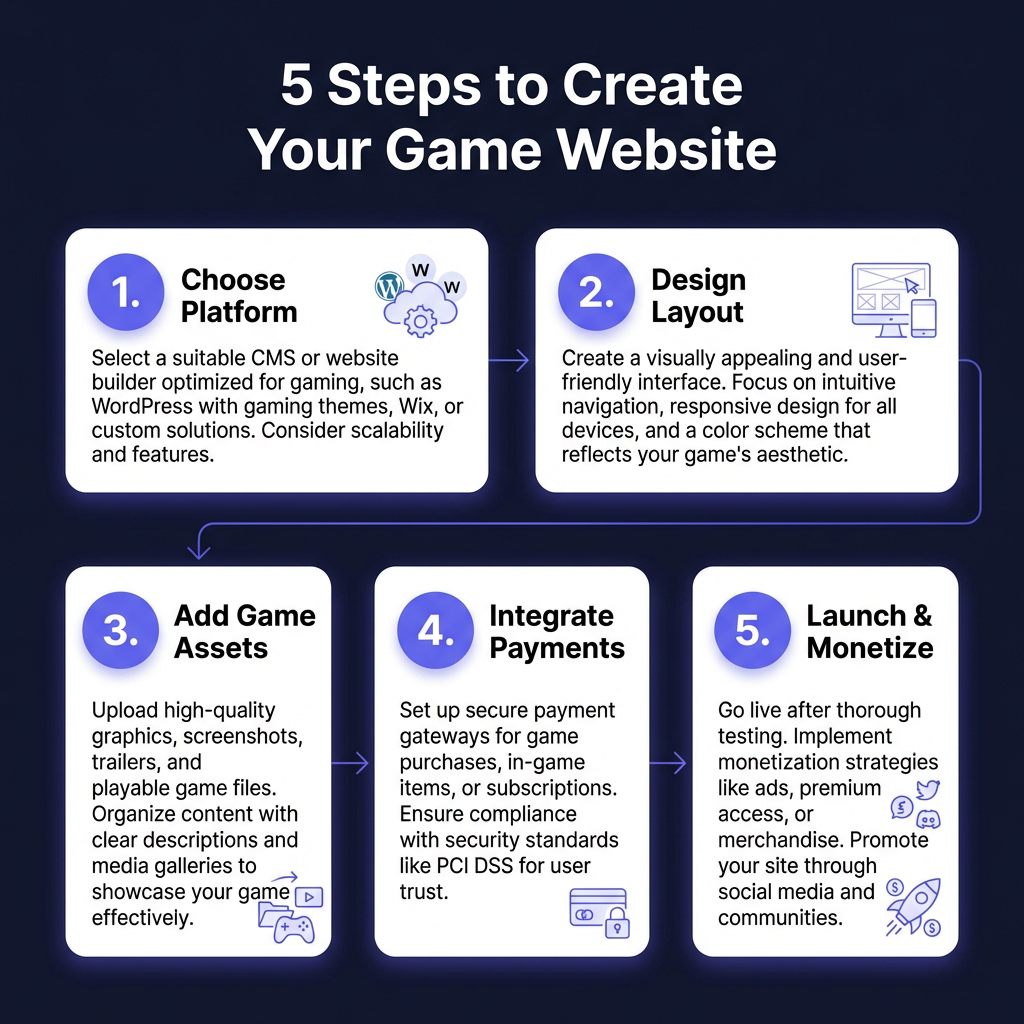

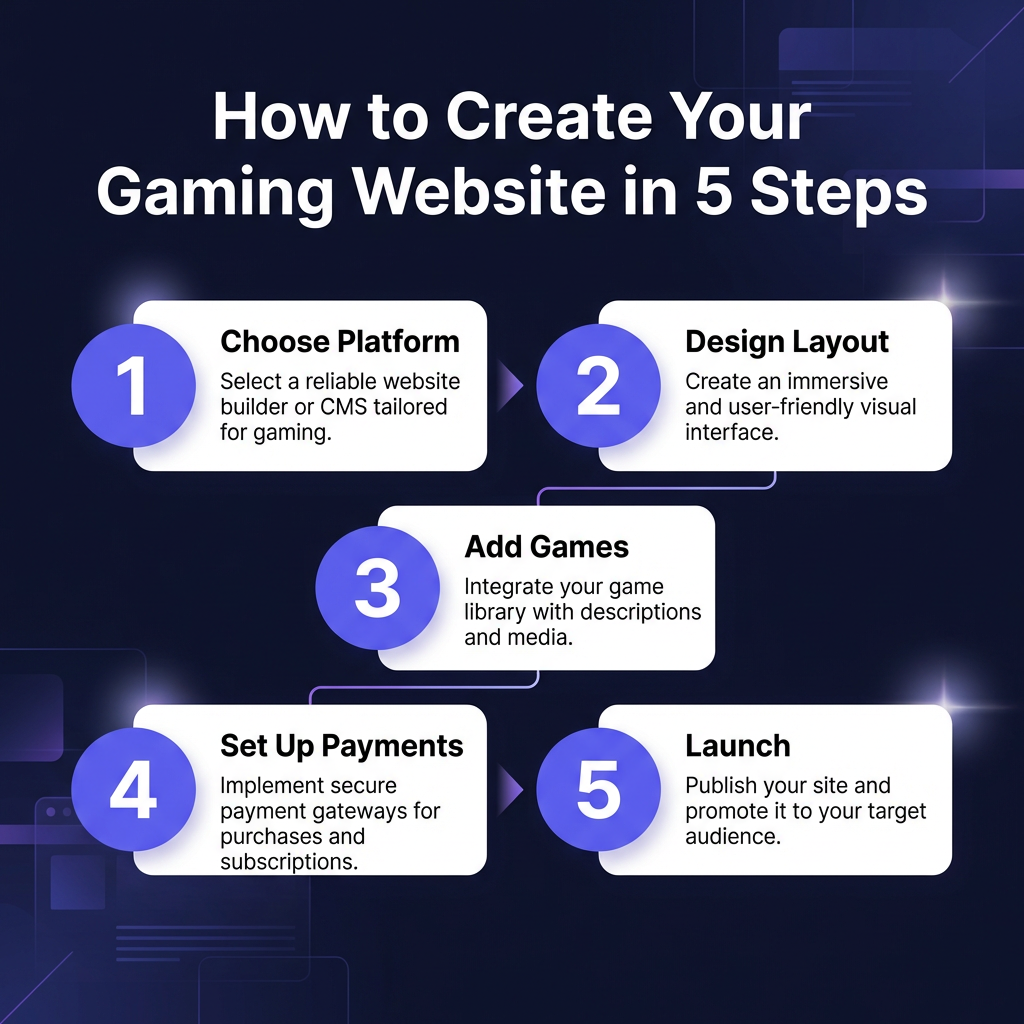
How To Create A Game Website Complete Guide 2026 Fungies Io Infographic Create A Game Website Comparison . How To Get Started On Game Design In 2026 Pikoo AI How To Get Started On Game Design In 2026.webp. How To Create A Game Website Complete Guide 2026 Fungies Io Infographic Create A Game Website Steps . Best HTML5 Mobile Games To Try In 2026 Make Games Without Coding In 2026.webp. How To Make A Game Website In 2026 Image
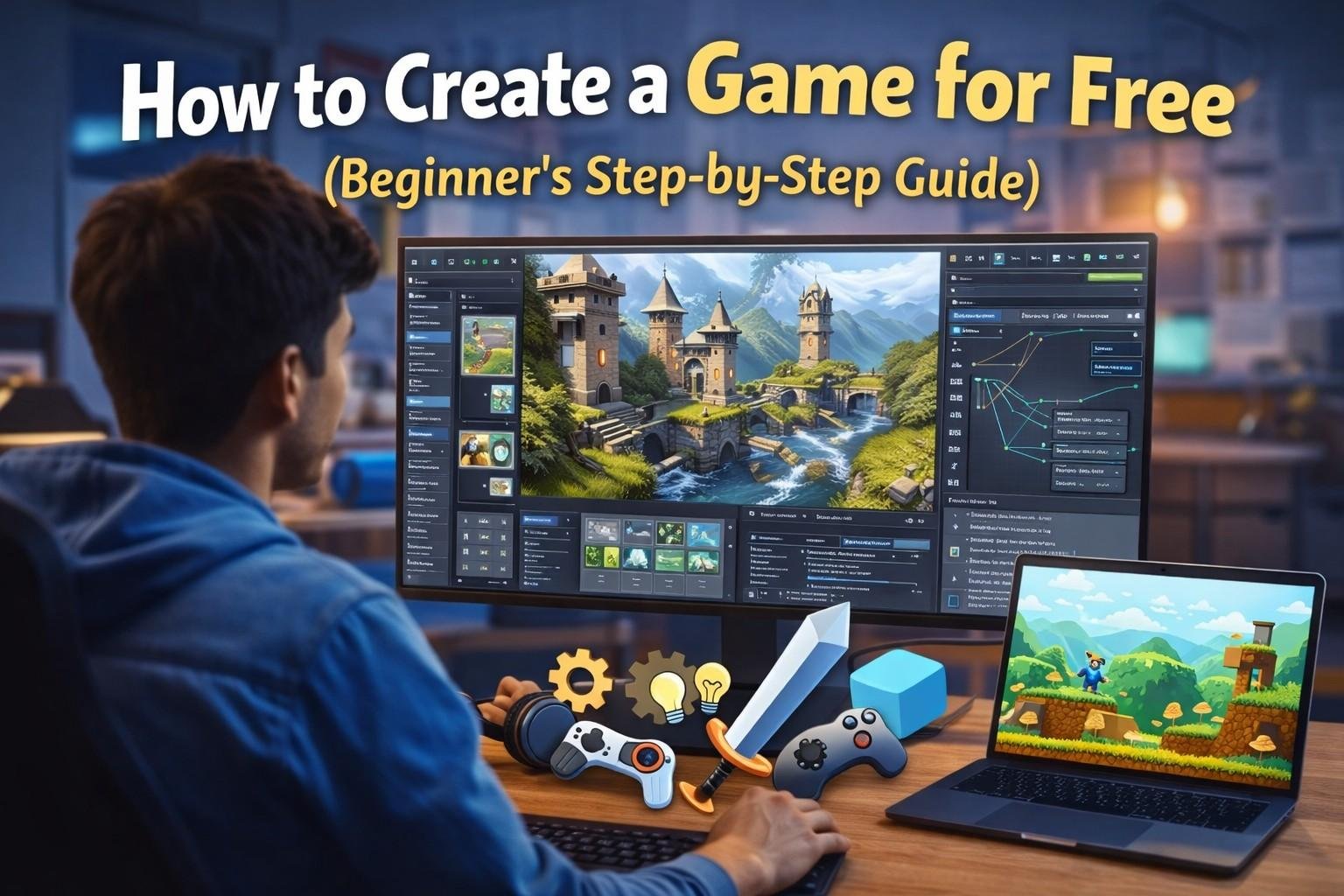
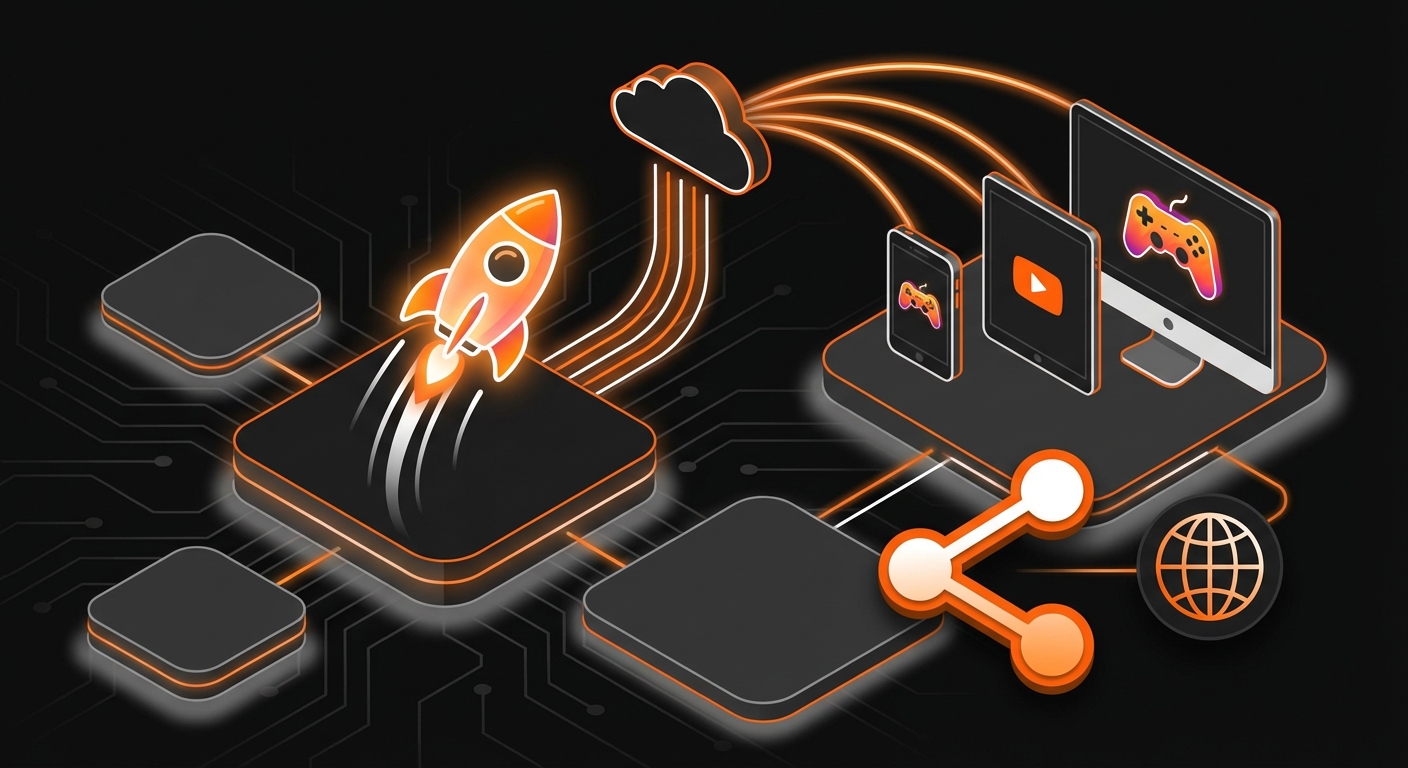

How To Make A Game As A Beginner 2025 A Step By Step Guide RC Blog How To Make A Game As A Beginner 2025 A Step By Step Guide.webp. How To Create A Game For Free Beginner S Step By Step Guide 57 05P . Gaming Website Maker The Complete Guide For Indie Developers 2026 Infographic Gaming Website Maker Steps . How To Deploy Games Online A 2026 Guide Mentionable 1770616900 . FIFA World Cup 2026 Draw Today S Key Highlights And How To Create Your ChatGPT Image Dec 5%2C 2025 At 10 41 55 AM

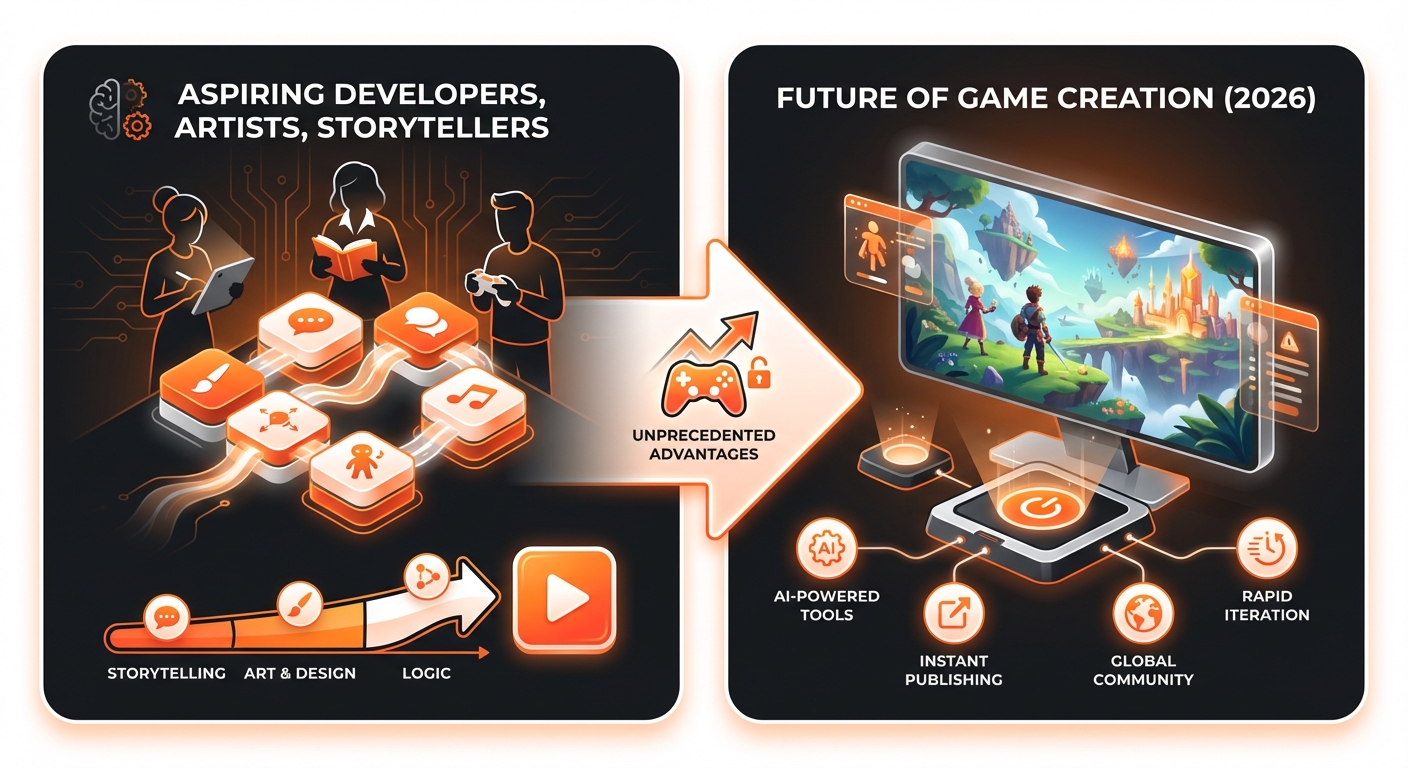

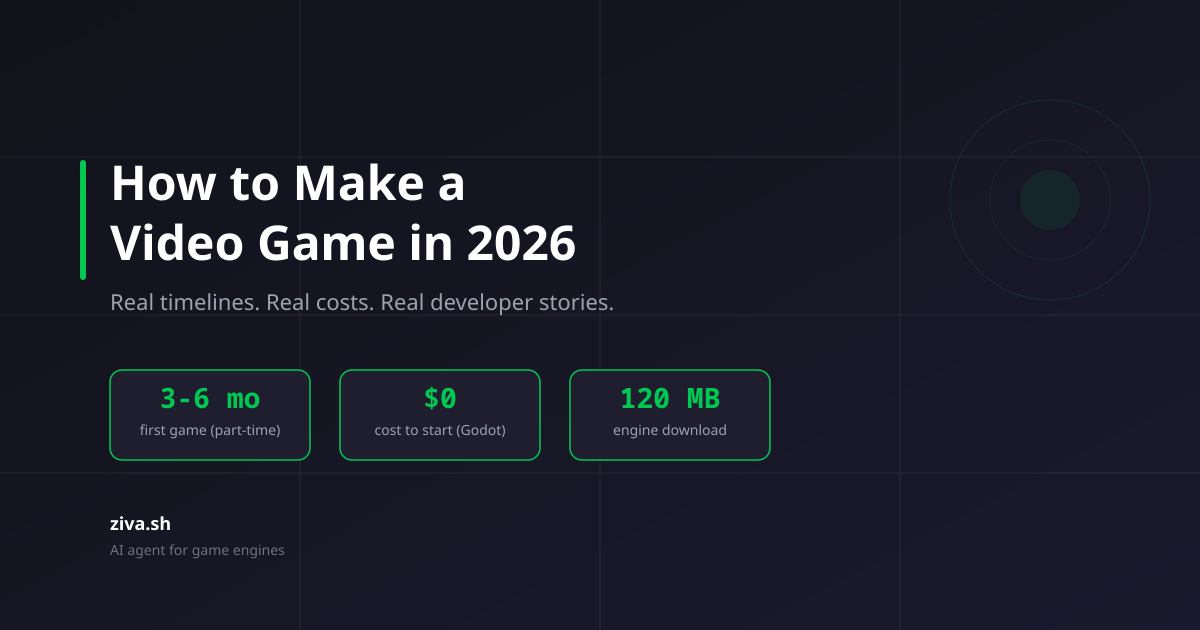

Ready To Share How To Publish Your Roblox Game . How To Build Games Without Coding In 2026 Mentionable 1767879711 . How To Host A Gimkit Game A Practical Guide For Teachers How To Make Gimkit . How To Make A Video Game In 2026 A Practical Guide With Real Numbers How To Make A Video Game . Make Your Own Games In Unreal 2026

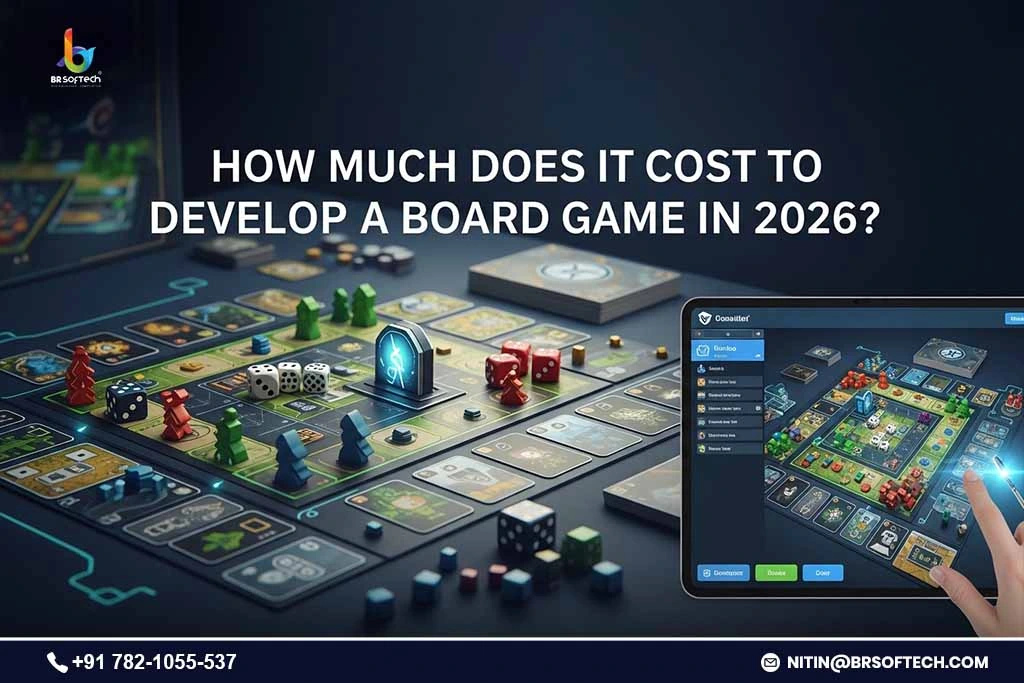

10 Much Awaited Games Set To Launch In 2026 Games To Launch 2026 2048x1289 . Join The 2026 Board Game Design Virtual Summit University XP Join The 2026 Board Game Design Virtual Summit. Upcoming Mobile Games 2026 Release Schedule Full List Deface Games Upcoming Mobile Games 2026 Release Schedule . How To Make A Match 3 Game Step By Step Guide For Developers How Much Does It Cost To Develop A Board Game In 2026.webp. Top Gaming Events Of 2026 Where The Future Of Game Development Is Top Main Gaming Events 2026
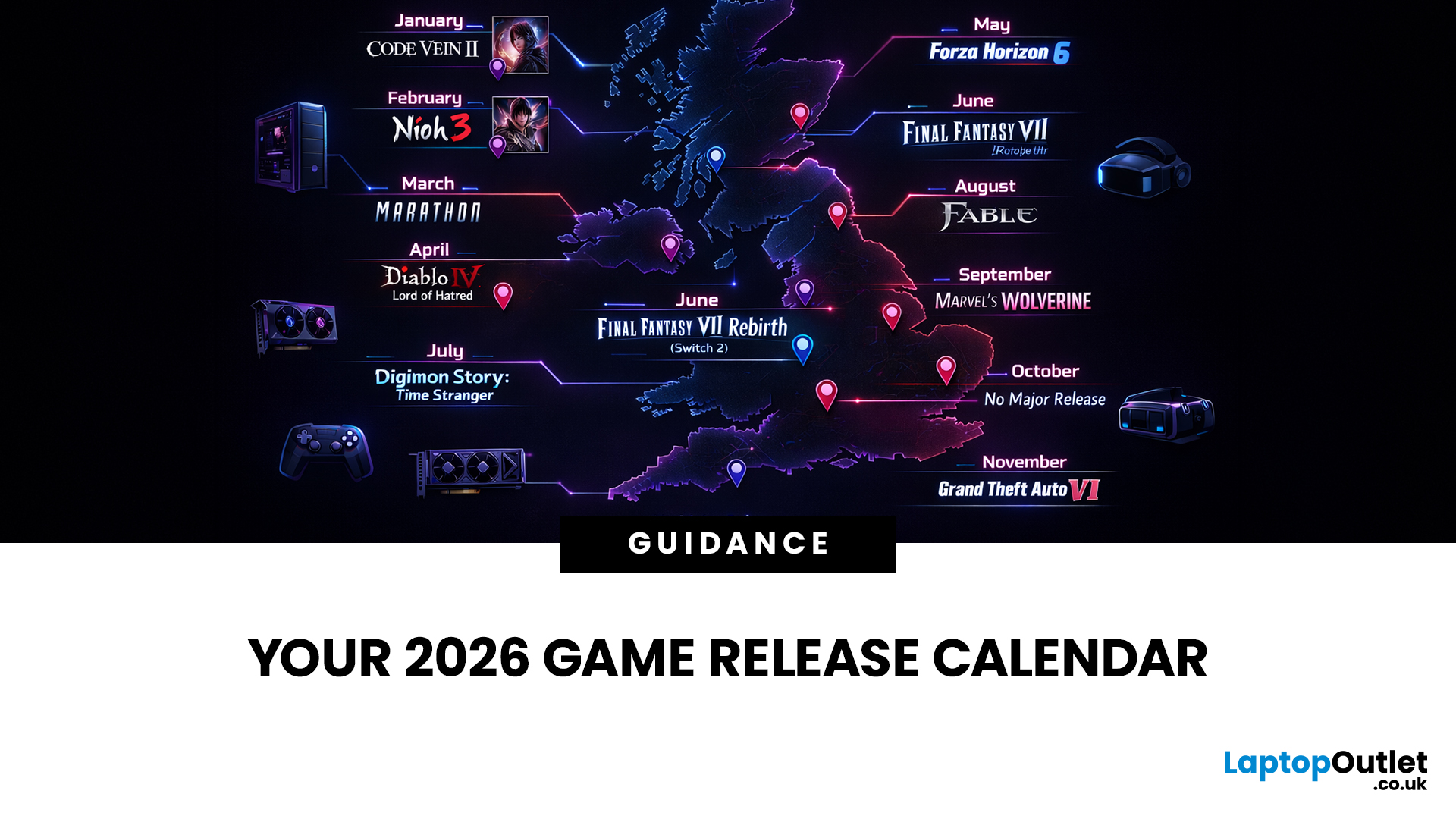
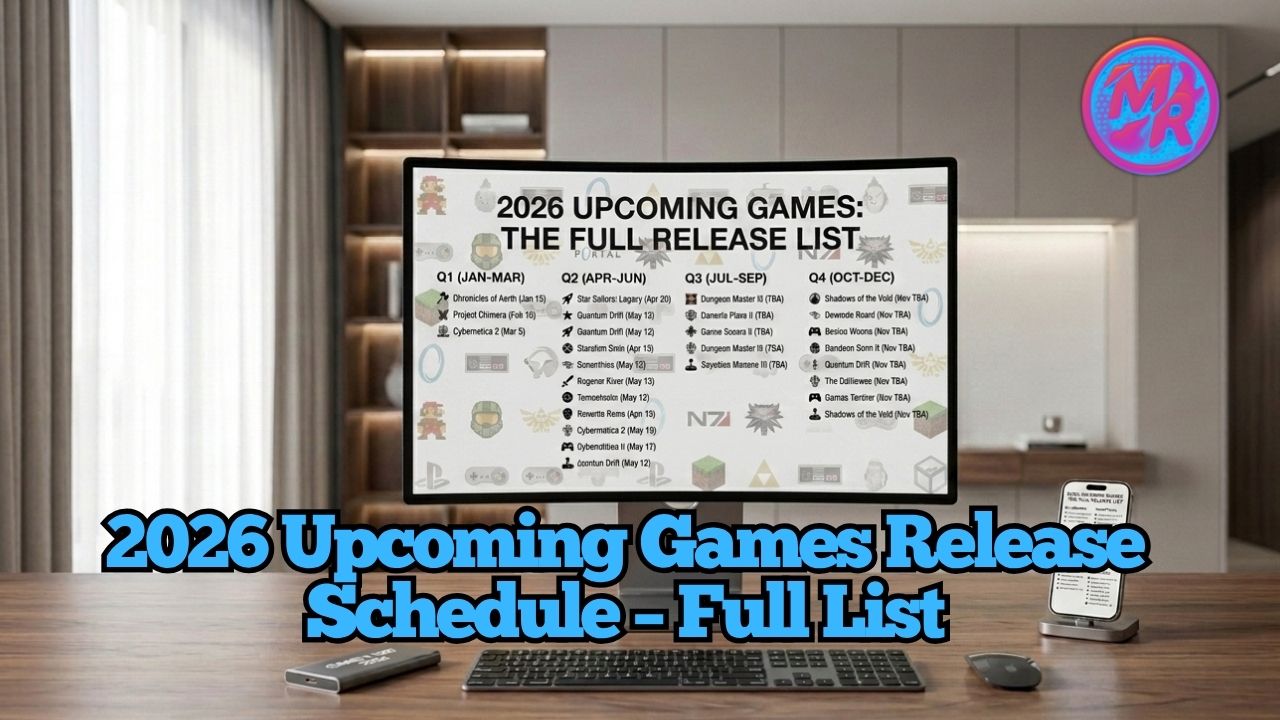

April Gaming Calendar 2026 New Game Releases Events Must Play Titles Game Releases Full Calendar Release Dates Main . 2026 Upcoming Games Release Schedule Full List 2026 Upcoming Games Release Schedule - Full List . 2026 Upcoming Games And Game Release Dates Guide 2026 Upcoming Games Release Dates . 2026 Games Release Schedule Everything Coming Out This Year 2026 Most Anticipated Games . Upcoming Games 2026 Full Video Game Release Calendar Beebom 2026 Games Release Schedule
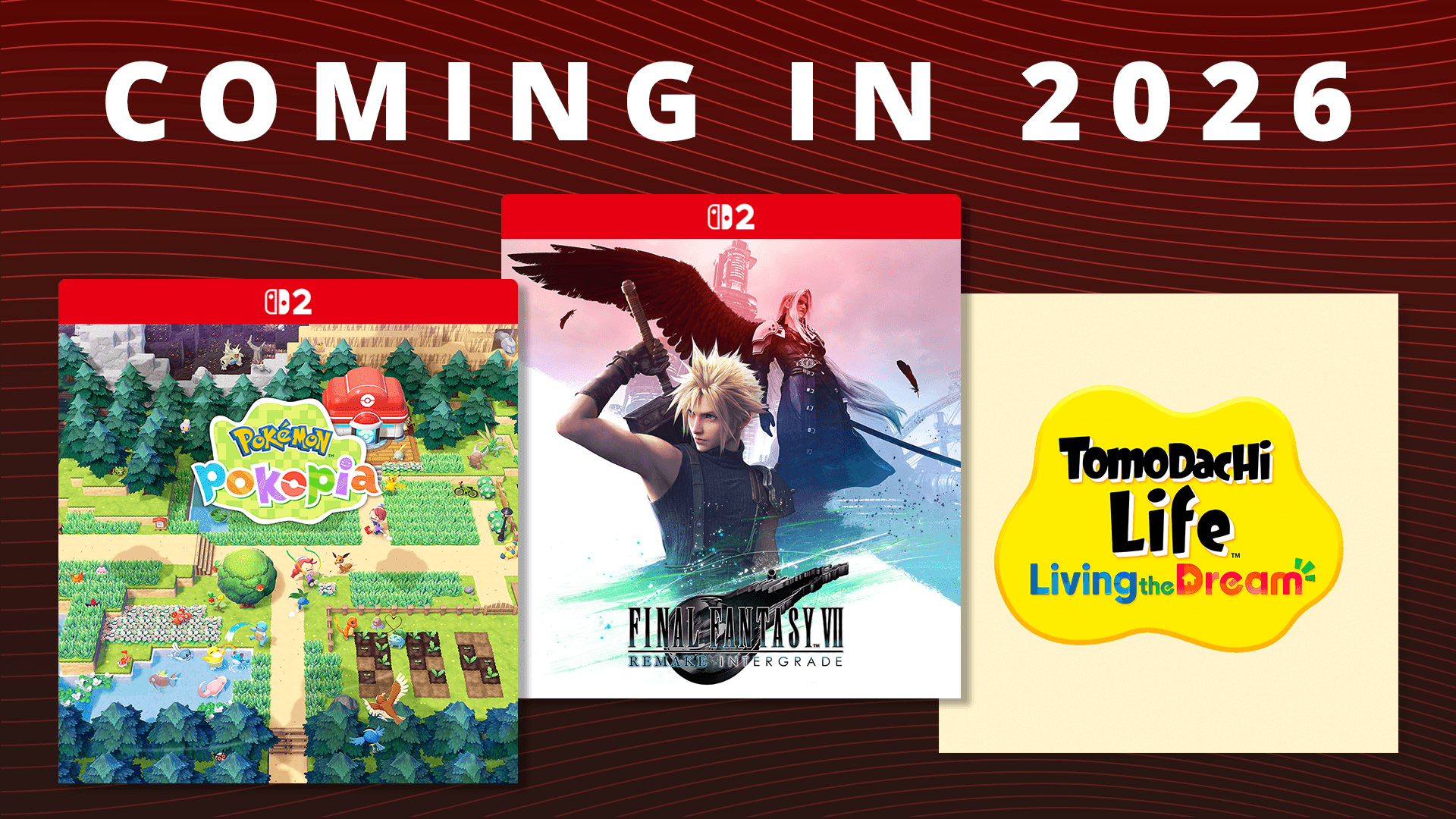
Best Free Games To Claim Right Now 2026 Steam PlayStation Xbox More May 2026 Free Games Feature Image . Game Day Mystery Make Along 2026 Free Knit Crochet Super Bowl Make Game Day Mystery Make Along 2026 Sign Up Page 1536x1365 . The 94 Most Exciting Games Of 2026 Eurogamer Net 2026 Best . Top 10 Unreal Engine Games Of 2025 Upcoming 2026 Releases Top Ue Games 2026 Cover Scaled . Top Anticipated Games Of 2026 GAMES GG Best Nintendo Switch Games For 2026 093ea4012b
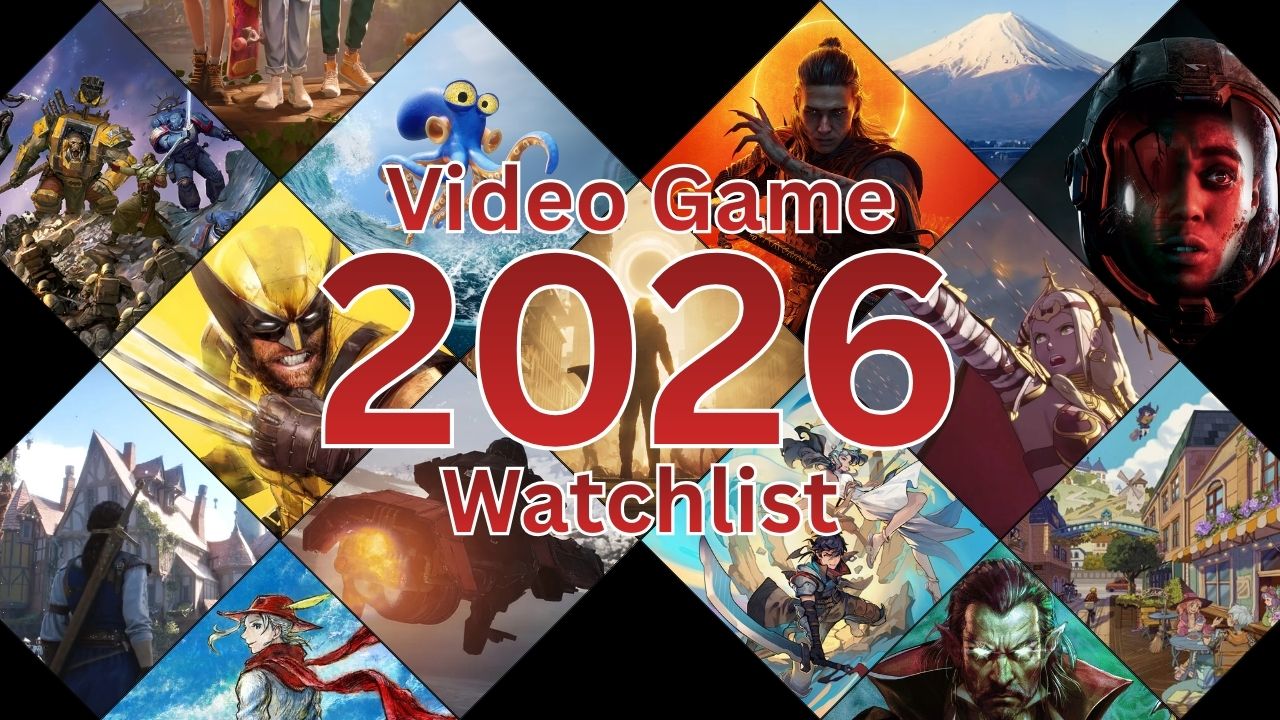

Video Games 2026 Ones To Watch Part 2 Quest Daily 2026 Games Pt 2 . How To Make Games In 2026 Workshop Day 1 YouTube . The Most Anticipated Games Of 2026 That Gamers Can T Wait For 20250822 Most Anticipated Games Of 2026 . My Current Steam Wishlist 2025 2026 New Games YouTube . 2026 Is Already Packed With Highly Anticipated Games MegaGames 2026 Is Already Packed With Highly Anticipated Games 01 920x520