Navigating gaming storage can be tough with ever-growing game sizes and new releases. Is 3 terabytes a lot for gaming in 2026, or is it merely scratching the surface for dedicated players? This guide dives deep into how 3TB stacks up for various types of US gamers, from the casual player looking for relaxation to the pro gamer focused on performance and skill-building. We'll explore typical game file sizes this month, the impact of fast-loading SSDs versus traditional HDDs, and practical strategies for managing your extensive game library. Discover whether 3TB offers solid value for money, how to optimize your setup, and when it might be time for an upgrade, all without the hype, focusing on real-world scenarios and budget-friendly solutions to keep you current and competitive. This informational resource is tailored for the discerning gamer who values performance, smart spending, and an uninterrupted, fun gaming experience.
- Is 3TB enough for all my gaming needs in 2026? Yes, 3TB is often sufficient for the average gamer's library in 2026, comfortably housing 20-30 large AAA titles or many more smaller games. However, for pro gamers or those with massive collections, a larger or dedicated SSD might be beneficial for optimal performance and convenience. It largely depends on game sizes and your play habits. - How many games can you store on a 3TB hard drive? A 3TB drive can typically store between 20 to 25 large AAA games (averaging 120GB each) or hundreds of smaller indie and older titles. Modern game sizes vary widely, impacting the total count, but 3TB provides a robust foundation for a diverse gaming library. - Is 3TB storage good value for money for a gaming PC? Absolutely, 3TB offers excellent value for money in 2026, especially for an SSD. It strikes a balance between ample capacity for current and future titles and a reasonable price point, making it a smart investment for most US gamers seeking performance without overspending. It avoids the premium of higher capacities while still providing significant space. - What's the best way to optimize a 3TB drive for gaming performance? To optimize a 3TB drive for gaming, use an NVMe SSD for your operating system and primary, performance-critical games. Utilize a separate, slower HDD (if available) for less frequently played titles or general storage. Regularly uninstall games you're not actively playing and manage optional high-resolution texture packs to maximize available space and speed. - Will 3TB be enough for next-gen games beyond 2026? While 3TB is largely sufficient for current next-gen games, its long-term sufficiency beyond 2026 is less certain as game file sizes continue to grow. Expect to potentially need strategic management, cloud gaming integration, or an upgrade in the coming years if you plan to keep a vast, ever-expanding library of the newest titles installed locally. - Should I get an SSD or HDD for 3TB gaming storage? For primary gaming storage, you should definitely prioritize a 3TB SSD over an HDD in 2026. SSDs offer significantly faster load times, smoother gameplay, and quicker installations, which are crucial for modern titles and competitive play. An HDD at 3TB is only recommended for secondary storage of older or less demanding games, or for archival purposes. - How do I manage game updates and DLC on a 3TB drive? Managing game updates and DLC on a 3TB drive involves being proactive. Ensure automatic updates are enabled but monitor their sizes. Prioritize installing DLC only for games you're actively playing. Periodically review your game library to uninstall titles or DLC you no longer need. Utilize external storage or cloud gaming for overflow to keep your primary 3TB drive optimized.Is 3 terabytes a lot for gaming in 2026? This is a question many US gamers find themselves asking as game file sizes continue their relentless expansion. Remember when 1TB felt massive? Now, with titles like the latest Call of Duty updates, Starfield, or Cyberpunk 2077 pushing past 100-200GB (especially with all the expansions and high-resolution textures), storage anxiety is a real pain point. For the average US gamer, around 36 years old, who values relaxation, skill-building, and social play, managing storage without constant worry is crucial. You want to focus on dominating the leaderboard or exploring vast open worlds, not on uninstalling games just to make room for a new one or the next big patch. This guide cuts through the hype to offer practical, actionable advice on whether 3TB is truly a sweet spot for your gaming needs, optimizing your experience, and ensuring you get the best value for your setup.
We know that 87% of US gamers regularly play, often dedicating 10 or more hours a week to their passion. Many are balancing gaming with busy lives, making performance optimization and smart upgrades critical. Whether you're a pro gamer seeking peak performance, a casual player enjoying diverse titles, or someone trying to stay current on a budget, understanding your storage needs is key. Let's tackle the common pain points and equip you with the knowledge to make informed decisions about your 3TB gaming future.
How Many Modern Games Can a 3TB Drive Actually Hold?
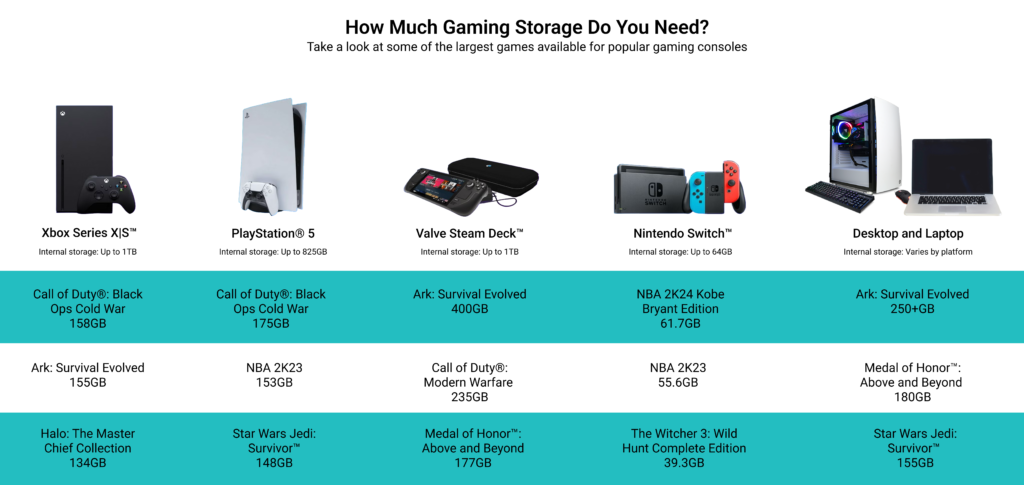
For most US gamers in 2026, a 3 terabyte (3TB) drive offers substantial space, capable of housing a significant library of modern titles. However, the exact number of games depends heavily on their individual file sizes. Consider the current landscape: many AAA titles, especially those optimized for next-gen consoles and high-end PCs, often range from 70GB to 150GB. Games with extensive DLC or ultra-HD texture packs can easily exceed 200GB. For instance, a recent popular title could be around 120GB. On a 3TB drive (roughly 2.79TB usable space), you could theoretically fit around 20-25 large AAA games. If you mix in smaller indie titles (5-30GB) or older classics, that number skyrockets. Free-to-play (F2P) titles, while initially smaller, often grow with patches and content, so factor that in. This means 3TB provides ample room for a diverse collection, but it's not unlimited.
Is 3TB Enough for a Competitive or Pro Gamer's Needs?
For competitive and pro gamers, 3TB is generally sufficient, but with a critical caveat: the type of drive matters immensely. Pro gamers prioritize minimal load times and seamless in-game performance, which makes a Solid State Drive (SSD) non-negotiable. While 3TB on a traditional Hard Disk Drive (HDD) provides space, the slower speeds would hinder performance in fast-paced esports titles. A 3TB NVMe SSD offers both speed and capacity, making it an excellent choice. Many pro gamers focus on a few key titles, often esports games like Valorant, League of Legends, or Apex Legends, which individually aren't massive but benefit immensely from SSD speeds. They might also keep a selection of practice games and content creation tools. For this audience, 3TB of fast SSD storage is a very healthy amount, allowing quick access to their core competitive roster and a good buffer for new releases or streaming assets.
SSD vs. HDD: Why Drive Type Matters More Than Just Capacity for 3TB?
When considering whether 3TB is a lot for gaming, the type of drive is arguably more critical than the raw capacity itself, especially in 2026. A 3TB SSD (Solid State Drive) offers dramatically faster load times, smoother texture streaming, and quicker game installations compared to a 3TB HDD (Hard Disk Drive). This translates directly to a better gaming experience, reducing frustrating wait times and minimizing in-game stutters that can cost you a match. For an average gamer who spends 10+ hours gaming weekly, the time saved over months by an SSD is significant. Even if a 3TB HDD can store the same number of games, the performance penalty makes it a less desirable option for primary game storage. NVMe SSDs, specifically, offer top-tier speeds, leveraging PCIe lanes for even faster data transfer. While a 3TB HDD might be a budget-friendly option for archival or less frequently played titles, for active gaming, invest in the fastest 3TB SSD you can afford.
When Should Gamers Consider Upgrading Beyond 3TB Storage?
You'll likely know it's time to upgrade beyond 3TB when you consistently find yourself making painful decisions about which games to uninstall to make room for new ones. If you're frequently shuffling files, deleting games you still want to play, or delaying installing major updates due to space constraints, your 3TB is likely hitting its limits. Another indicator is if you're a collector of vast digital libraries, subscribing to services like Xbox Game Pass or PlayStation Plus, and want instant access to a large array of titles without re-downloading. For content creators who game and record/stream high-quality footage, 3TB might also become insufficient due to large video files. While 3TB offers a solid foundation, if you're a prolific gamer with a broad interest in new AAA titles and a desire to keep many installed, an upgrade to 4TB, 6TB, or even an 8TB drive might be a smart move to maintain a hassle-free gaming experience.
How Can Gamers Effectively Manage a Large 3TB Game Library?
Managing your 3TB gaming library effectively can extend its usefulness and reduce storage woes. Here are some pro tips:
- Prioritize SSD for Active Games: Keep your most-played, performance-critical, and newest titles on your fastest 3TB SSD.
- Utilize HDD for Archival: If you have a secondary HDD, use it for older games, smaller indie titles, or games you play less frequently where load times aren't as critical.
- Uninstall What You Don't Play: Be ruthless. If you haven't touched a game in months and don't plan to soon, uninstall it. You can always re-download it later (though this is where faster internet helps).
- Check DLC and Updates: Many games offer optional high-resolution texture packs or language packs that consume significant space. Only install what you need.
- Cloud Gaming Integration: Leverage cloud gaming services for titles you want to try or play occasionally without local installation. This month's trends show increasing adoption of cloud solutions.
- External Storage: Consider a fast external SSD for overflow. These are plug-and-play and great for transferring games between devices or simply expanding space without opening your rig.
- Regular Storage Audits: Periodically review your storage usage. Tools within your OS can help identify large files or folders that can be cleared.
Are Game File Sizes Still Growing in 2026, Impacting 3TB's Longevity?
Yes, game file sizes are absolutely still growing in 2026, and this trend directly impacts how long a 3TB drive remains 'a lot' for gaming. With advancements in graphics, increasingly detailed open worlds, uncompressed audio, high-resolution textures, and extensive post-launch content, new titles are larger than ever. Developers are pushing the boundaries of realism, often at the cost of storage footprint. While some optimization techniques exist, the overall trajectory is upwards. This means that while 3TB is comfortable today for many, its longevity as a primary drive for a constantly expanding library will diminish over time. Gamers should anticipate that future AAA releases will continue to demand more space, potentially making 3TB feel less generous in the coming years. Planning for modular storage solutions or higher capacity drives is a smart long-term strategy.
What Role Does Cloud Gaming Play in 3TB Storage Needs?
Cloud gaming, which continues to gain traction, significantly alters the calculus for local storage like a 3TB drive. Services like Xbox Cloud Gaming, GeForce NOW, and PlayStation Plus Premium allow you to stream games directly from remote servers to your device, requiring minimal local storage beyond the operating system and client applications. This is a game-changer for gamers who want access to a vast library without the burden of massive downloads or local storage constraints. For instance, if you're a casual gamer who mostly plays F2P titles and occasionally dives into a streamed AAA game, a 3TB drive might feel like overkill. However, for pro gamers or those who demand the absolute lowest latency and best graphics quality, local installation on a fast 3TB SSD remains superior. Cloud gaming serves as an excellent complementary solution, allowing you to try games or play less frequently accessed titles without impacting your precious local 3TB space.
Is 3TB Good Value for Money in Gaming Storage for 2026?
In 2026, 3TB generally offers excellent value for money in gaming storage, especially if you opt for an SSD. Prices for SSDs have become significantly more accessible, making higher capacities like 3TB a sweet spot between cost and performance. A 3TB NVMe SSD provides a compelling balance of speed, capacity, and price point that caters to the majority of US gamers. It allows for a substantial game library without the premium cost of 4TB or 8TB drives, which can be overkill for many. When considering value, also factor in the time saved from faster load times and the enhanced gaming experience an SSD provides. For those on a tighter budget, a 3TB HDD combined with a smaller SSD for key titles can also offer good value, though with a performance trade-off. Ultimately, 3TB strikes a strong balance, offering plenty of room for current and upcoming titles without breaking the bank for most gaming setups.
FAQ Section
Is 3TB enough for all my Steam games?
Whether 3TB is enough for all your Steam games depends entirely on your library's size and the individual game file sizes. If you have a modest library of 20-30 modern AAA titles, 3TB might be sufficient. For a massive collection of hundreds of games, especially if many are large, you'll likely need more or a robust management strategy.
Can I use a 3TB external hard drive for gaming?
Yes, you can absolutely use a 3TB external hard drive for gaming, especially for older titles or those where load times aren't critical. However, for optimal performance on newer, demanding games, an external SSD is preferable. Make sure your external drive connects via USB 3.0 or higher for decent transfer speeds.
How many hours of gameplay can 3TB store?
Storage capacity like 3TB isn't measured in hours of gameplay but in game file size. A single game can offer hundreds of hours of gameplay while only taking up 100GB. Conversely, multiple smaller games might offer fewer total hours but collectively fill up 3TB quickly. It's about data, not playtime.
Does game streaming reduce my need for 3TB local storage?
Yes, game streaming services significantly reduce your need for local storage like a 3TB drive. By streaming games from the cloud, you don't need to download or install large game files on your PC or console, freeing up your 3TB for essential operating system files, applications, or performance-critical titles you prefer to play locally.
What are common pain points with 3TB storage for gamers?
Common pain points with 3TB storage for gamers include rapidly filling space with new AAA releases, slow load times if it's an HDD, and the need for frequent game management decisions. Balancing gaming with other digital content like streaming assets or work files can also quickly exhaust 3TB, leading to performance issues or frustrating file juggling.
3TB is generally sufficient for most gamers in 2026. Modern AAA game sizes vary significantly, impacting storage capacity. SSDs are crucial for performance even with 3TB. Effective game management and external storage are key to longevity. Consider future-proofing and cloud gaming trends for optimal value. Budget-friendly upgrades are available when 3TB becomes limiting.
35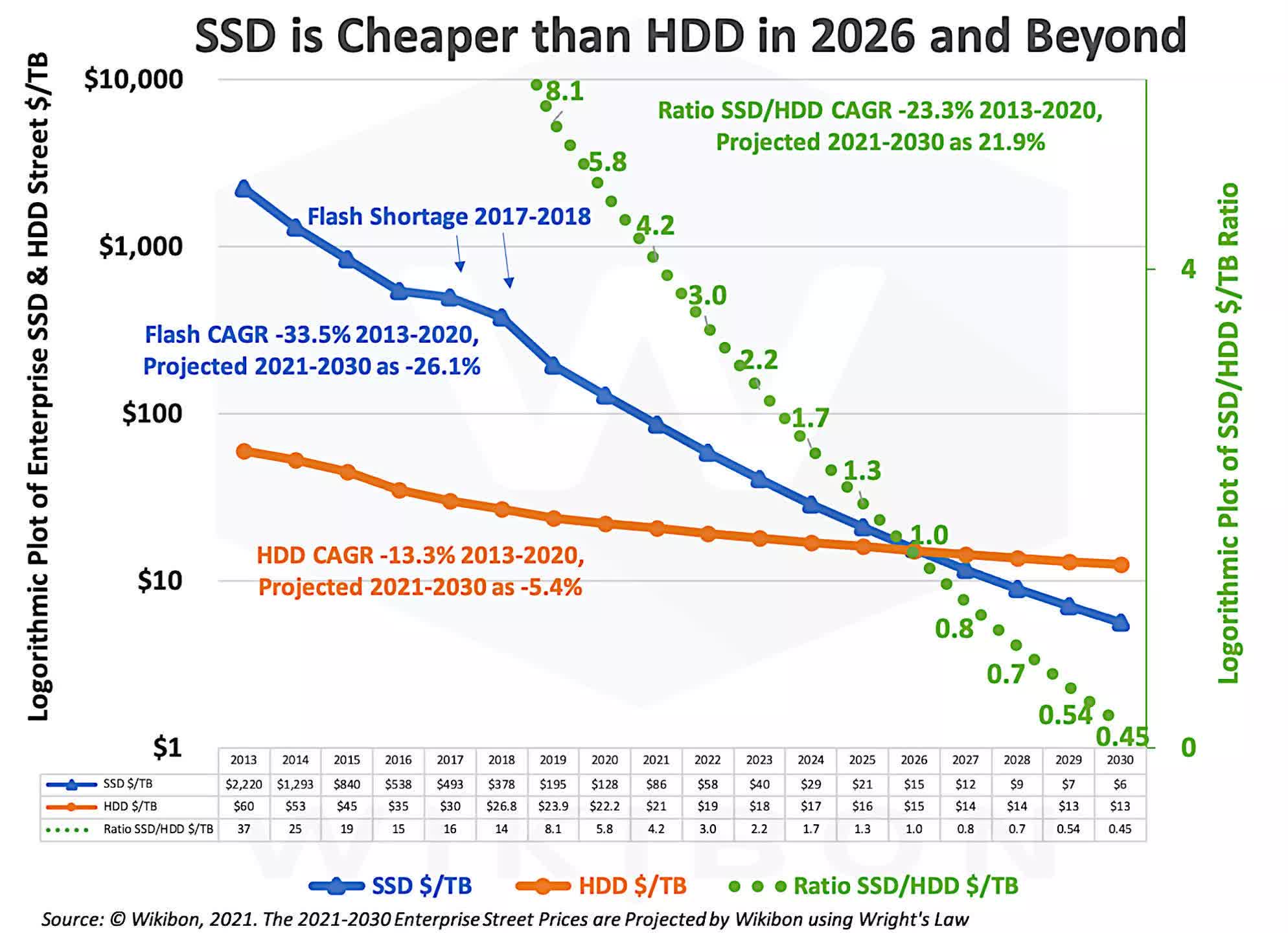

Bigger Than Godzilla Why Are Games Using So Many Gigabytes TechSpot 2023 11 09 Image 4 . 32GB RAM Im Jahr 2026 Overkill Oder Pflicht F R Gaming KI ACEMAGIC EU Blogs Brauchen Sie 2026 Wirklich 32GB RAM . 2026 Might Be The WORST Year For PC Gaming GPU RAM SSD Prices . How Much Storage You Need For A Gaming PC 2023 RealGear Image 1024x407 . How Much Gaming Storage Do You Really Need Gaming Storage BIG 1024x485


:max_bytes(150000):strip_icc()/terabytes-gigabytes-amp-petabytes-how-big-are-they-4125169-4fe35a79c3834553a495035d472fb60b.png)

Game Installs Of 100GB Or Larger Have Now Become The Standard TechSpot 2023 05 15 Image . How Many GB In A TB Proton Proton How Many Gb In A Tb Diagram Upd2x 81282caa11 . How Much RAM Is Really Needed In 2026 For AAA Gaming 16GB Vs 32GB Hqdefault . A Petabyte Pb Is Equivalent To 1024 Terabytes Tb A 1 Pb Hard Drive Is Terabytes Gigabytes Amp Petabytes How Big Are They 4125169 . Is 16GB Of RAM Still Enough For Gaming In 2026 Here S What The Data S 16GB Of RAM Still Enough For Gaming In 2026 Heres What The Data Really Says


Megabyte In Kilobytes Storage Memory Z1he6cL . Best 300 Gaming PC Build Without GPU Playable In 2026 AMD Vs Intel 300 Dollar Gaming Pc Without Gpu Game Performance Benchmarks 2026 .webp. How Many Terabytes Can Be Supported In Windows Xp JRVPZ 12 Terabyte Information . RAM Reality Check How Much Memory Does Your PC Actually Need In 2026 Velocity Micro Raptor Memory Sdru . New Gaming Tech High End TV S Mini PC S Tech Trends That Will



Bigger Than Godzilla Why Are Games Using So Many Gigabytes TechSpot 2023 11 09 Image . 3 GB In TB Gigabytes To Terabytes Calculatio Generated Og . 4 Terabytes Under 200 I Found 3 Killer SSD Deals Worth Snagging On 4 Terabytes Under 200 I Found 3 Killer Ssd Deals Worth Snagg Zd6s.1200 . 1 Terabyte Gigabyte Conversion Deals Different Storage Units Compared To Terabyte . Digital Mobile Technology Memory 400x249


Megabyte In Kilobytes Different Units Of Memory 1 . Best PC Builds For Gaming From Sub 500 Budgets To 3000 Tom S Hardware 1200 80 . Bigger Than Godzilla Why Are Games Using So Many Gigabytes TechSpot 2023 11 09 Image 3 . Convertir 3 Terabytes A Gigabytes Conversi N De 3 TB A GB 3 Terabytes A Gigabytes . Chuy N I Kibibytes Kilobytes WXSPZZ 71848762 16f8 4c95 Bd4b


A Petabyte Pb Is Equivalent To 1024 Terabytes Tb A 1 Pb Hard Drive Is TERABYTES GIGABYTES PETABYTES 1 . Gaming RAM 2026 Essential Capacity For Peak Performance WK The Best How Much Ram Do I Need For Gaming Pc . AMD S Infinity Links Is The Unsung Hero Of RDNA 3 And Chiplet Gaming . 3 TBs To MBs 3 TB 3000000 MB 3 TB To MB . How Much Should You Spend On A Gaming PC In 2026 Budget Guide How Much Should You Spend On A Gaming PC In 2025



Majority Of 4K Gamers Have 16GB Or Higher Video Memory TechPowerUp . Who Actually Needs A Gaming PC With RTX 4090 In 2026 Debsllc Image 1 1024x576 . NVIDIA DGX GH200 Is The First System With 144 Terabytes Of GPU Memory NVIDIA DGX GH200 B 950x534 .webp. How Much Storage Should A Gaming PC Have 1TB Or 2TB How Much Storage Should A Gaming Pc Have Thumbnail . Is Upgrading RAM In 2026 Still Worth It Or Is CPU GPU More Important 20260323