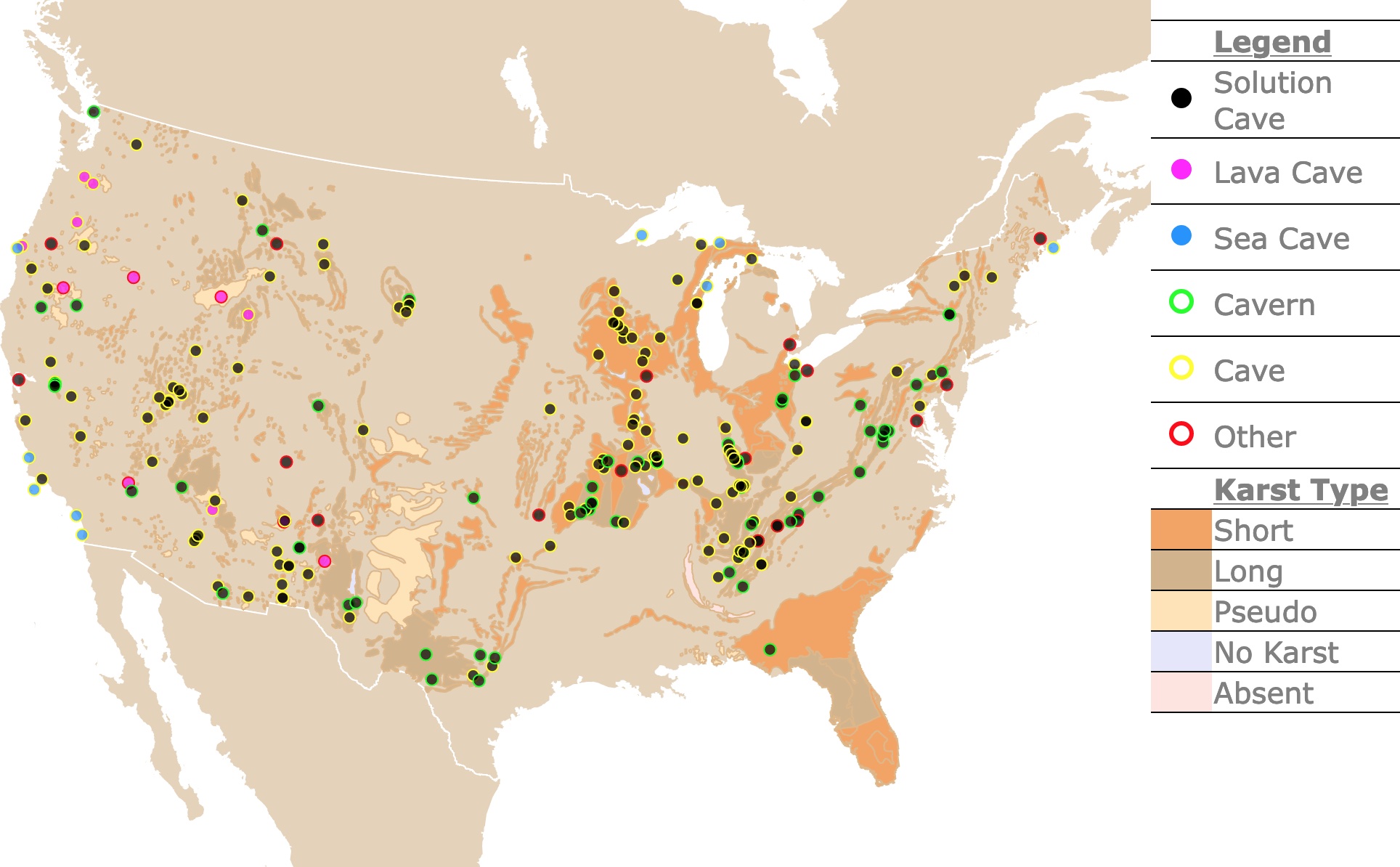
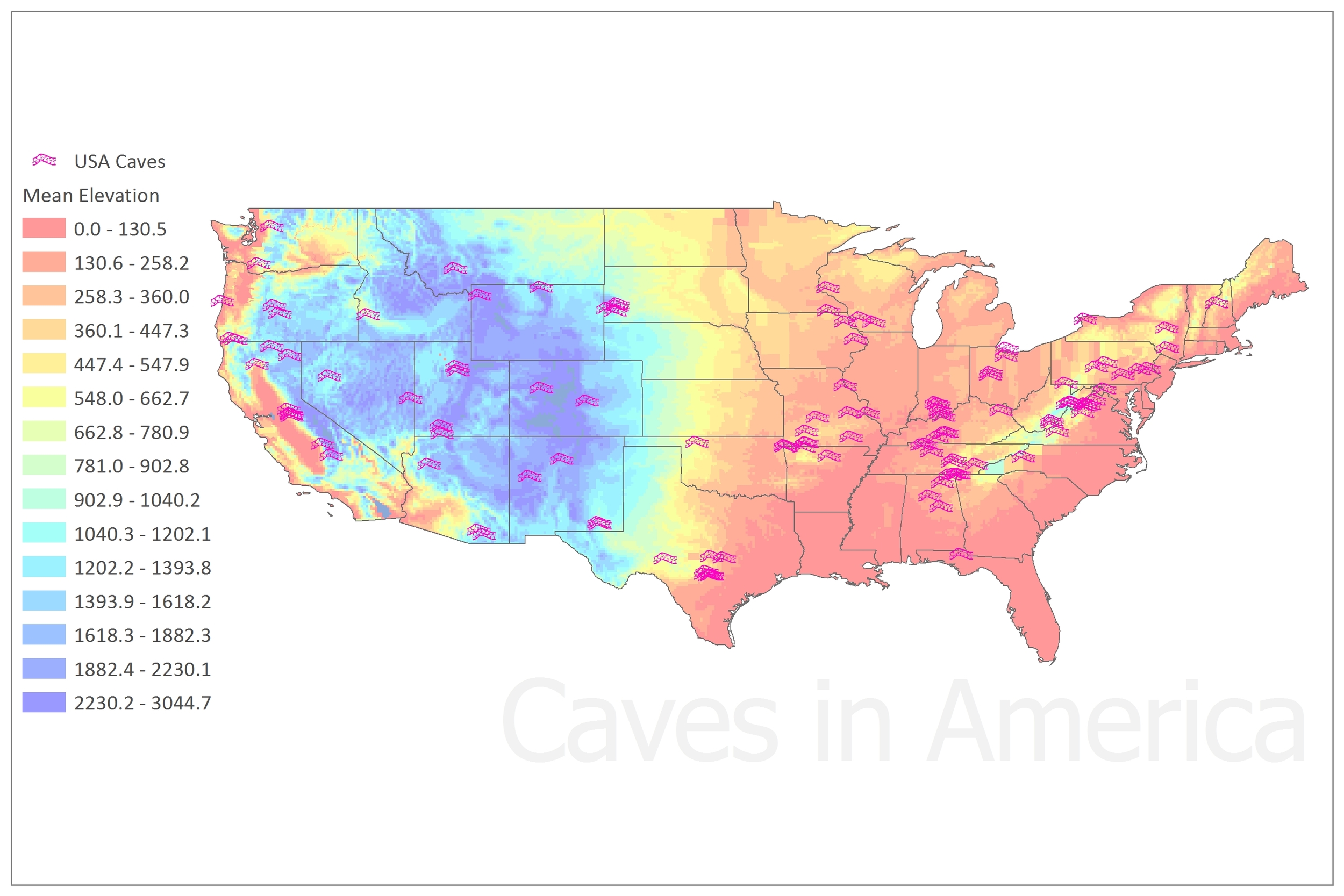
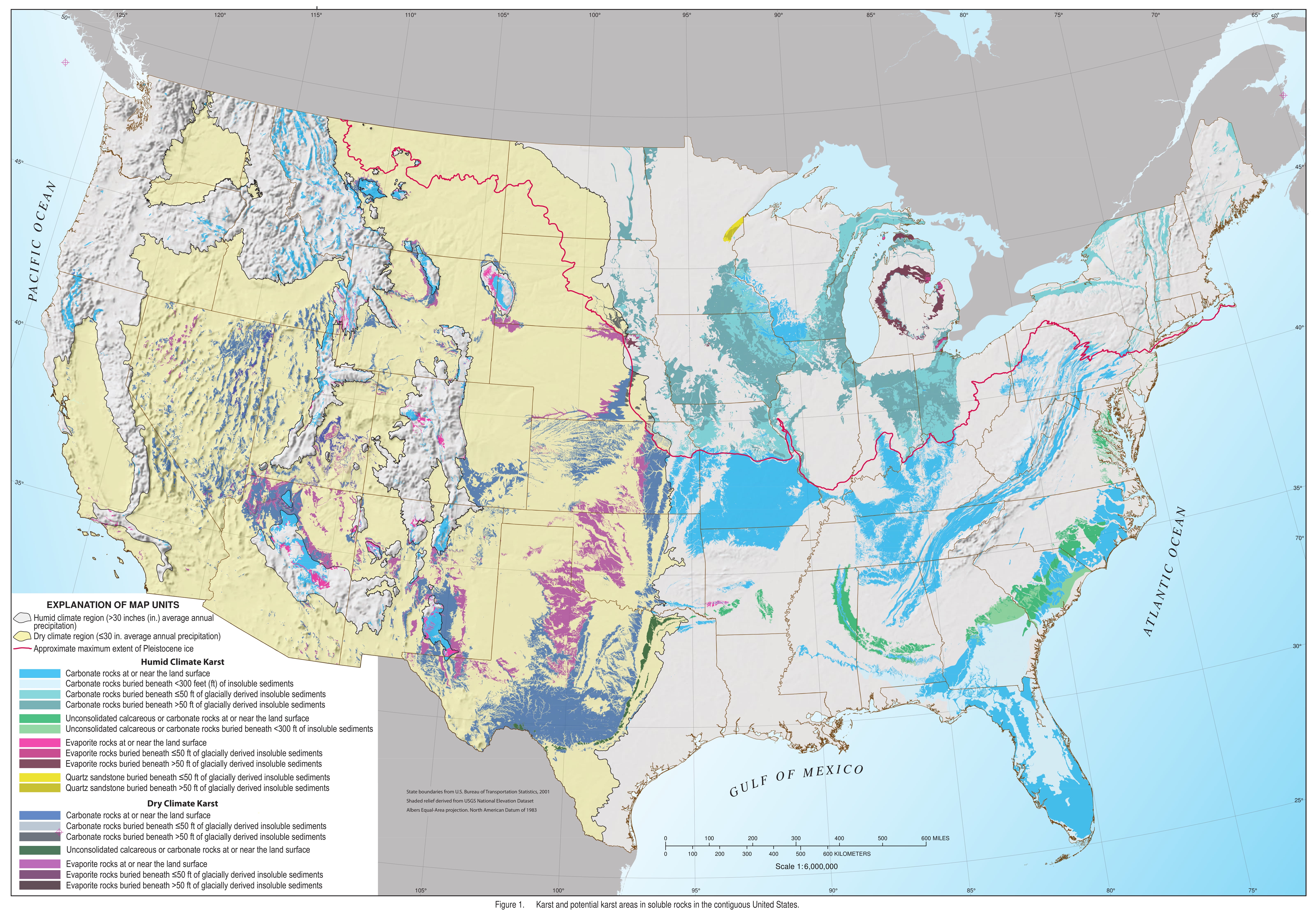
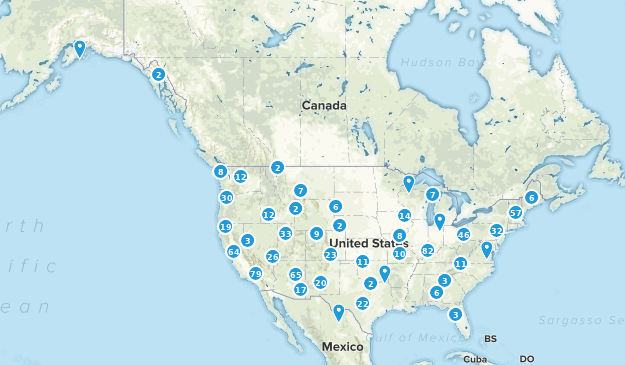
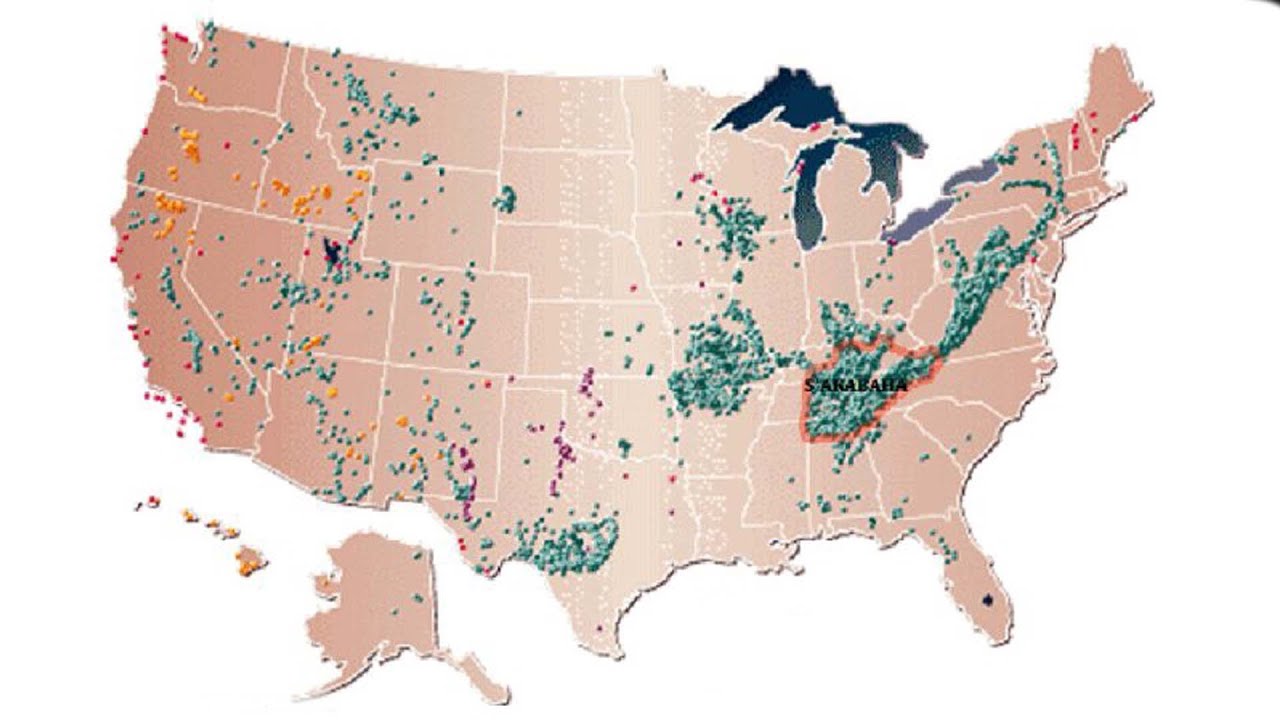
Discover an extensive map of US caves, providing essential details for your next underground adventure. This comprehensive resource helps you locate stunning natural wonders, from vast national park systems like Mammoth Cave to unique state park caverns and privately operated attractions across America. Learn how to identify accessible caves, compare guided tour options, check operational hours, and understand booking procedures for top caving destinations in 2026. Whether you are planning a family trip, a serious spelunking expedition, or simply seeking unique natural attractions near your current location, this map guides you. Find detailed directions, read visitor reviews, and explore availability for various cave experiences. Make informed decisions about which caves offer the best fit for your interests and skill level, ensuring a safe and memorable journey into the subterranean marvels of the United States. This tool is designed for easy navigation and to support your planning needs.
What are the most famous caves in the US?
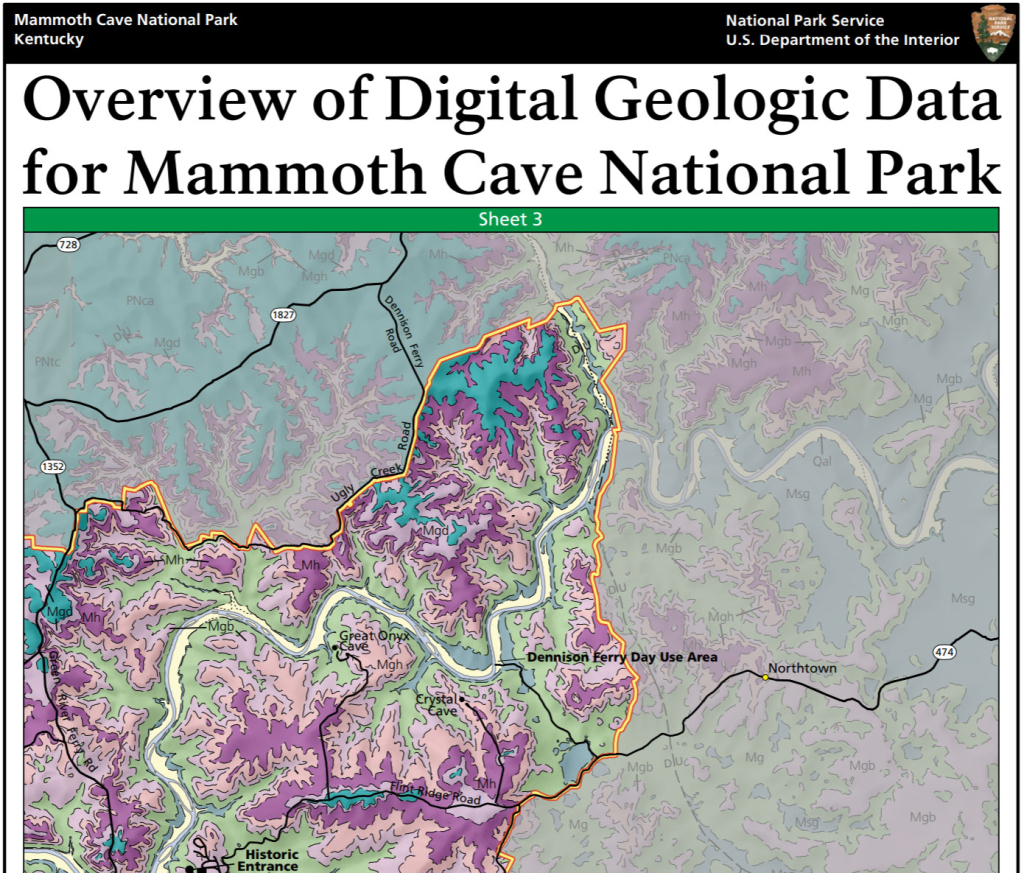
The United States boasts several renowned caves. Mammoth Cave National Park in Kentucky is the world's longest known cave system. Carlsbad Caverns National Park in New Mexico features immense chambers. Luray Caverns in Virginia is famous for its stunning formations, and Wind Cave National Park in South Dakota for its boxwork. These sites offer exceptional experiences.
How do I find caves near my location?
To find caves near your location, use online mapping services like Google Maps and search for 'caves near me'. Many state park and national park websites also feature interactive maps of their cave systems. Additionally, specialized caving community websites and forums often list publicly accessible caves and their locations, sometimes including local contact information.
Are US cave tours suitable for all ages?
Most developed US cave tours cater to a wide range of ages and physical abilities. Many offer accessible pathways and guided routes suitable for families with children and older adults. However, more strenuous or 'adventure' tours might have age or height restrictions. Always check specific tour descriptions and physical requirements before booking to ensure comfort for all participants.
What safety gear is essential for cave exploration?
For any cave visit, even guided ones, sturdy closed-toe shoes with good traction are essential. A reliable headlamp with fresh batteries and a backup light source are critical. Dress in layers, as cave temperatures are consistently cool. For wild caving, additional gear like helmets, protective clothing, and specialized ropes are mandatory to ensure safety.
Can I explore US caves without a guide?
Some US caves offer self-guided tours on clearly marked paths, particularly in national and state parks. However, many significant or environmentally sensitive caves require mandatory guided tours to ensure visitor safety and resource protection. Wild caving without a guide should only be attempted by experienced cavers with proper training, permits, and a group. Always check specific cave regulations beforehand.
Where to Find the Best Caves Across the United States
The United States boasts an incredible array of subterranean wonders, from immense caverns carved by ancient rivers to intricate lava tubes born of volcanic activity. For adventurers and nature enthusiasts alike, exploring these hidden worlds offers a truly unique experience. A comprehensive map of US caves becomes an indispensable tool, transforming a vague idea into a concrete plan for discovery.
This resource focuses on providing clear, actionable information to help you navigate the rich landscape of American caving. It simplifies the process of finding and visiting these spectacular sites, ensuring your journey beneath the surface is both exhilarating and safe. Whether you are a seasoned spelunker or new to cave exploration, understanding where these natural marvels lie is the first step toward an unforgettable adventure.
Preparing for a cave visit requires more than just enthusiasm; it demands good planning and reliable information. This guide aims to equip you with the knowledge needed to confidently locate, evaluate, and ultimately enjoy the diverse caving opportunities available throughout the United States in 2026. From comparing different locations to understanding essential safety protocols, every detail matters for a rewarding experience.
What is a Map of US Caves and Why Do You Need One?
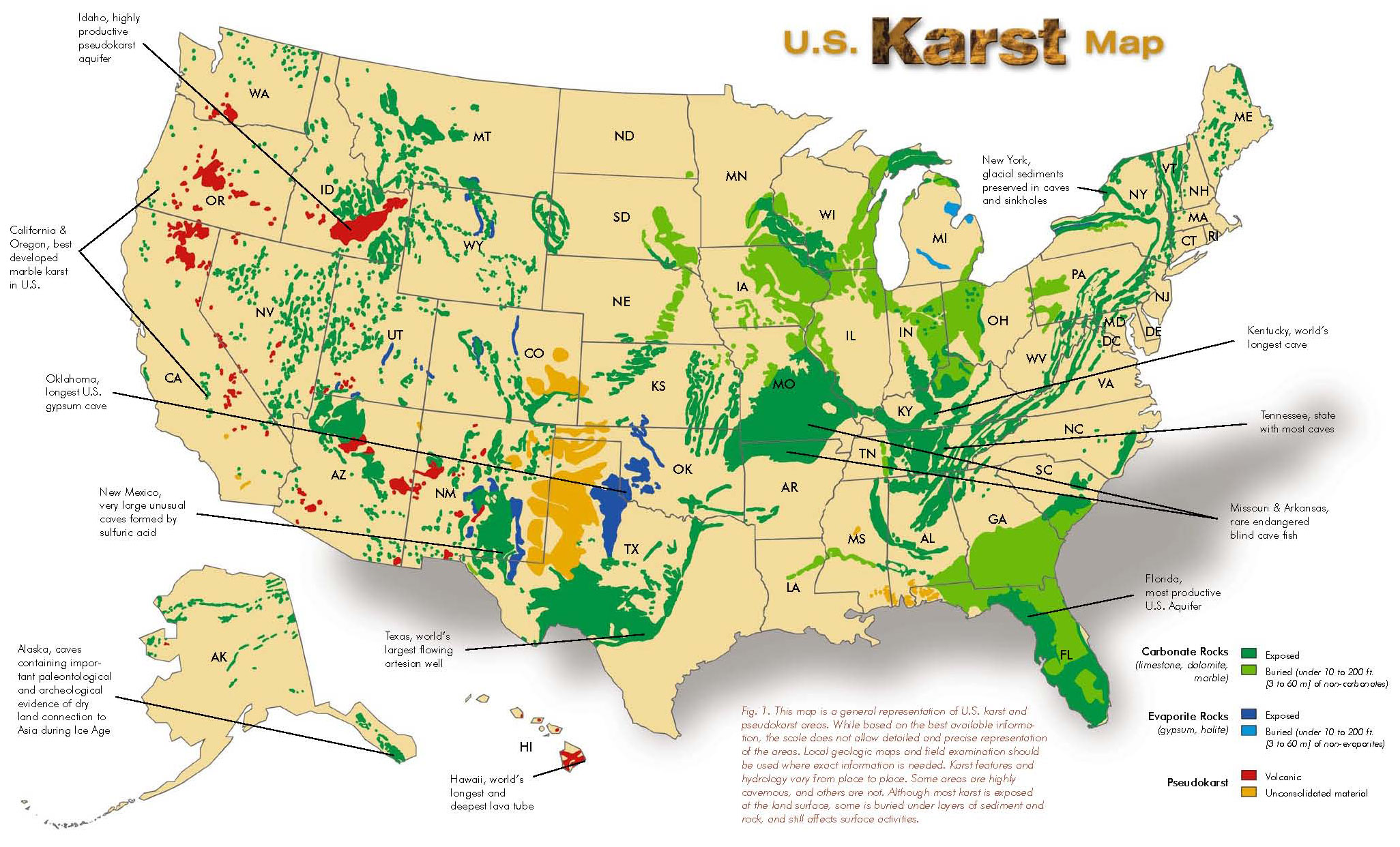
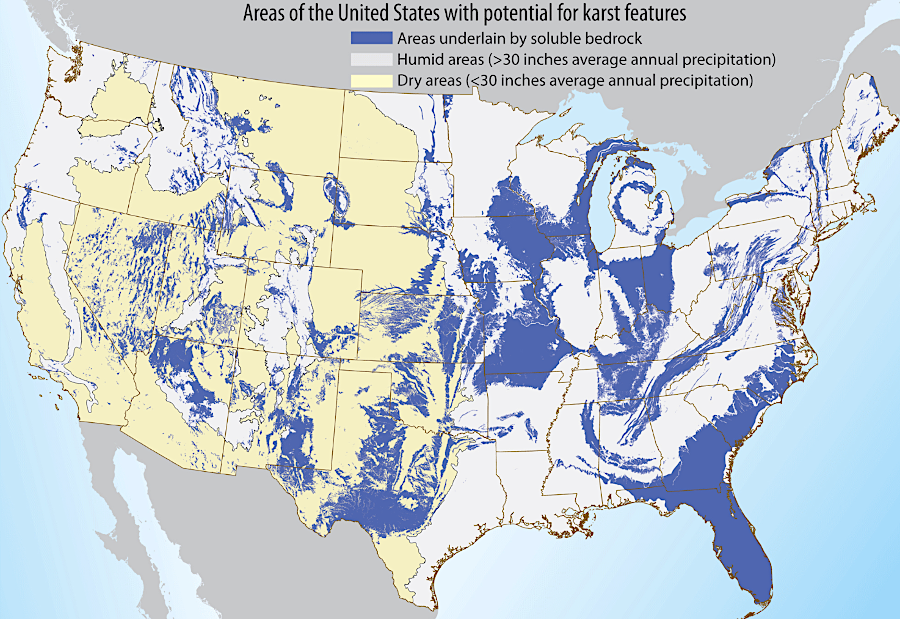
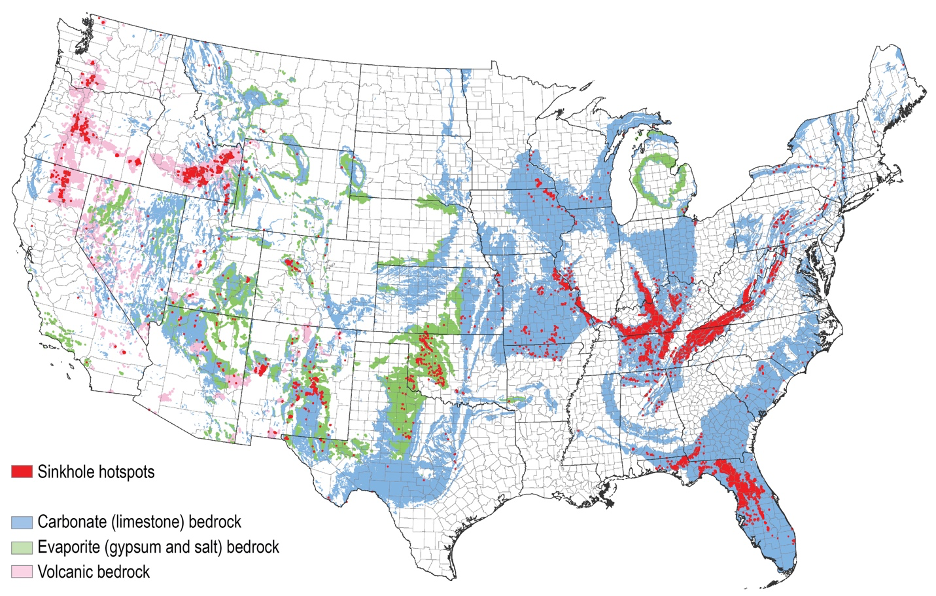
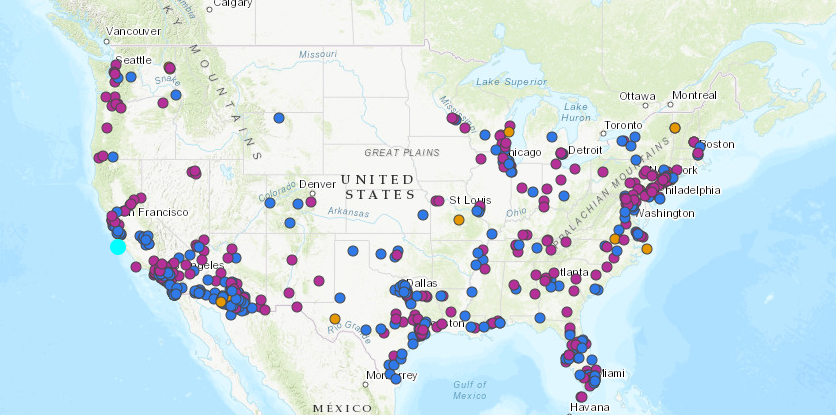
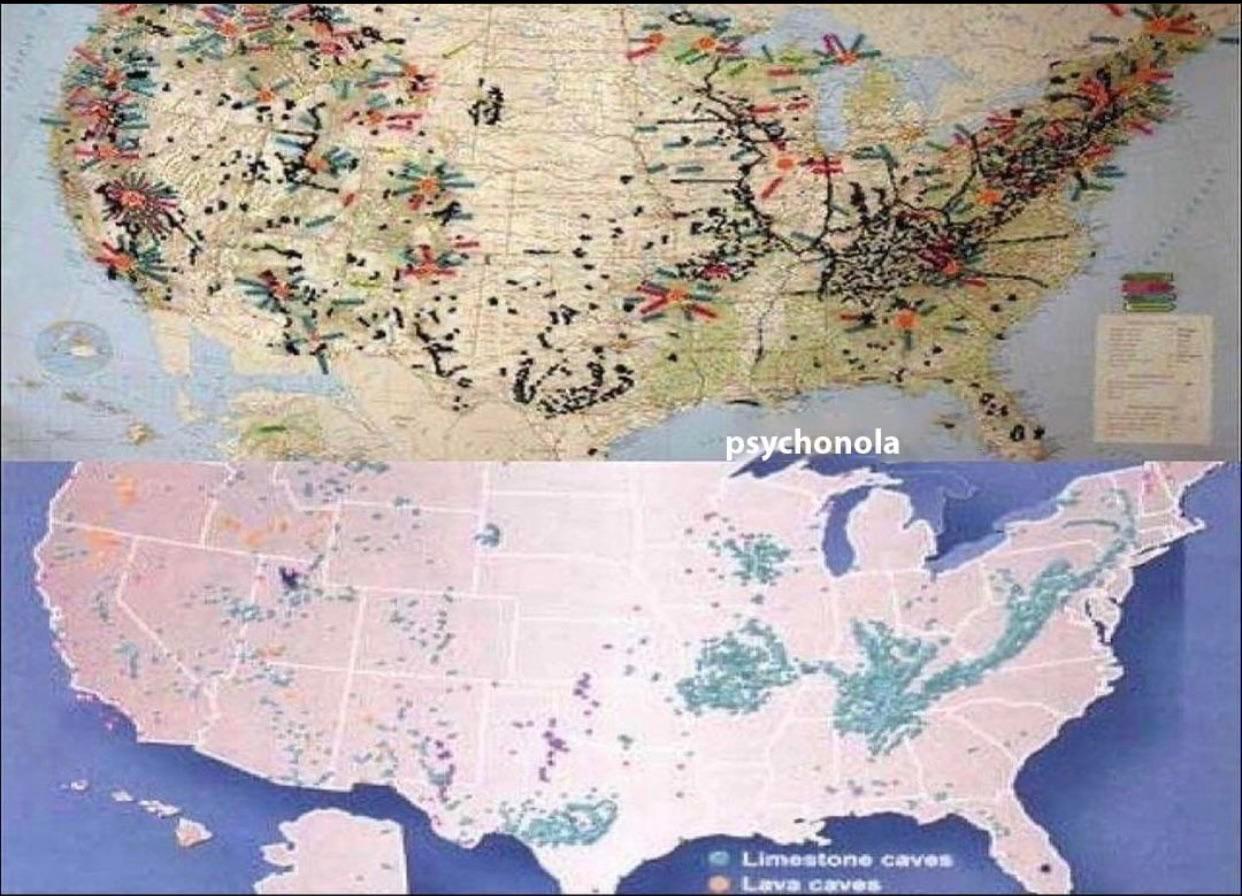
A map of US caves is far more than a simple list of locations; it is a detailed geographical representation highlighting known cave systems across the country. These maps often include critical data such as cave type, length, depth, accessibility, and whether they are open for public exploration, guided tours, or require special permits. Understanding these features helps users determine if a specific cave matches their interests and experience level.
Such a map serves as a vital planning instrument for anyone interested in subterranean exploration. It allows users to visualize clusters of caves, identify potential multi-cave trips, and pinpoint isolated natural wonders. Without a reliable map, locating these often-remote sites can be challenging, leading to wasted time and missed opportunities for discovery. It acts as a gateway to informed decision-making for your next adventure.
Moreover, a good US cave map incorporates practical navigation details, assisting you in getting to the cave's entrance efficiently. This includes information on nearby towns, major roads, and access points, which is especially important for sites located within vast national or state parks. It transforms an abstract concept of 'caves in America' into a tangible itinerary, making your exploration plans much more concrete and achievable.
How Can a US Cave Map Help Your Next Adventure?
Utilizing a detailed US cave map significantly enhances your adventure planning by clarifying logistical aspects. You can efficiently plot routes to multiple cave destinations, especially if you are embarking on a cross-country caving tour. It helps identify nearby amenities, such as campgrounds, lodging, and supply stores, which are crucial for extended trips.
The map also aids in understanding the distinct characteristics of each cave, allowing for informed comparisons. Some caves are known for their spectacular stalactite formations, while others boast unique geological histories or rare wildlife. By reviewing map details and associated information, you can select caves that truly align with your specific interests, whether they be geological study, photography, or simply breathtaking natural beauty.
Furthermore, a comprehensive map often provides insights into the operational aspects of visitor-friendly caves. This includes identifying locations offering guided tours, those allowing self-guided exploration, and sites with educational programs. This information is critical for families or groups seeking structured experiences, ensuring that the chosen cave provides appropriate activities and access for everyone involved.
Finding and Using a US Cave Map Effectively
Finding a reliable map of US caves involves several excellent resources. Official government sites, such as those for the National Park Service and various state park systems, often provide detailed maps for caves within their jurisdiction. Specialized caving organizations and geological societies also publish comprehensive maps, sometimes offering digital versions or interactive tools perfect for planning. Online platforms like Google Maps can also be helpful for initial location scouting, especially when searching 'caves near me'.
When using a cave map, whether digital or physical, understanding its legend is paramount. Legends explain symbols for cave entrances, trails, points of interest, elevation changes, and potential hazards. Paying close attention to these details can prevent unexpected challenges during your visit. For digital maps, utilize features like satellite view and terrain mode to gain a better understanding of the surrounding environment and access roads.
Moreover, consider complementing your map with current information from the cave's official website or visitor center. Operating hours, seasonal closures, and specific tour availability can change frequently. Cross-referencing map data with real-time updates ensures you have the most accurate information for your planned visit, reducing the chance of surprises upon arrival.
What Should You Compare When Looking for US Cave Locations?
When evaluating different US cave locations, several factors warrant careful comparison. First, consider the type of experience offered: are you looking for a fully guided tour, a self-guided exploration, or perhaps an adventurous wild caving trip requiring specialized gear? Accessibility is another key factor; some caves have paved paths and elevators, while others demand strenuous hiking or crawling, influencing who can comfortably visit.
Next, delve into the unique features and geological significance of each cave. Do you prefer ice caves, lava tubes, or limestone caverns with stunning formations? Researching the historical or ecological importance of a site can also enrich your visit, offering deeper context to the natural wonders you will witness. Reviews from previous visitors can offer valuable insights into the actual experience, including tour quality and overall satisfaction.
Finally, always compare practical details like operating hours, ticket pricing, and booking requirements. Popular caves often require advance reservations, especially during peak seasons in 2026. Checking for any age or physical restrictions, available amenities like restrooms and gift shops, and proximity to other attractions can help you finalize your perfect cave adventure itinerary.
Essential Tips Before Visiting Any US Cave in 2026
Prior to embarking on any cave visit in 2026, thorough preparation is non-negotiable for safety and enjoyment. Always verify the current operating schedule and tour availability, as these can vary seasonally or due to unforeseen circumstances. It is smart to book guided tours well in advance, especially for popular destinations, to secure your spot and avoid disappointment.
Equipment is another crucial consideration. Even in developed show caves, the environment can be cool and damp, so dress in layers and wear sturdy, closed-toe shoes with good grip. For more adventurous caving, proper headlamps with extra batteries, helmets, and protective clothing are essential. Never rely solely on phone flashlights; dedicated caving lights are much more reliable.
Always respect the cave environment. Follow all posted rules and guidelines, which are in place to protect both visitors and the delicate ecosystems within the cave. Avoid touching formations, stay on marked paths, and carry out everything you bring in. These practices help preserve these incredible natural treasures for future generations to enjoy.
Common Mistakes to Avoid When Planning a Cave Trip
One frequent mistake is underestimating the physical demands of a cave tour. While some caves offer easy access, many involve stairs, uneven terrain, or low ceilings. Always read the tour description carefully to understand the physical requirements and choose an activity appropriate for your fitness level and that of your group. Overestimating abilities can lead to discomfort or even injury.
Another common error is neglecting to check weather conditions for the area surrounding the cave. Heavy rains, even if not directly impacting the cave interior, can affect road access or make outdoor portions of a visit challenging. Furthermore, failing to bring enough water or snacks, especially for longer tours, can detract from the experience. Always pack essentials.
Lastly, many visitors forget to confirm if a cave requires permits for entry or if photography is allowed. Some fragile cave environments have strict regulations to prevent damage, and disregarding these rules can lead to fines or being denied entry. Always confirm all specific rules and permit requirements directly with the cave's management before your visit.
When to Consider Guided Tours or Expert Assistance
For most public access caves, especially those in national or state parks, guided tours are often available and highly recommended. These tours provide not only safety oversight but also invaluable insights into the cave's geology, history, and ecology. Knowledgeable guides can point out subtle formations, share fascinating stories, and answer questions, significantly enriching your understanding and appreciation of the underground world.
If you are interested in exploring undeveloped or 'wild' caves, seeking expert assistance becomes absolutely vital. These types of expeditions carry inherent risks that require specialized training, equipment, and knowledge of rescue techniques. Joining a local caving club or hiring a certified professional guide ensures that you have the necessary expertise to navigate challenging terrain and respond to emergencies safely.
Even for experienced cavers, consulting with local experts or park rangers can provide up-to-date information on current cave conditions, potential hazards, and any new regulations. Their local knowledge can make the difference between a successful adventure and a dangerous situation. Always prioritize safety and respect the expertise of those familiar with specific cave systems.