Ever wondered how to truly master the classic board game Sequence? This comprehensive guide for 2026 dives deep into the rules, strategies, and nuances of playing Sequence effectively. Learn the complete setup, objective, and gameplay mechanics to dominate your next family game night with confidence. Discover advanced tips for strategically blocking opponents and forming your sequences efficiently for victory. Understand the vital role of Jacks and how to leverage their unique powers to your advantage. Whether you are a beginner looking to understand the basics or an experienced player aiming to refine your strategic approach, this resource provides all the essential information needed. We explore common pitfalls and offer expert advice to elevate your game immediately. Get ready to transform your understanding and become a Sequence champion with these insights. This article offers invaluable insights for every player seeking to improve.
how do you play the game of sequence FAQ 2026 - 50+ Most Asked Questions Answered (Tips, Trick, Guide, How to, Bugs, Builds, Endgame)
Welcome to the ultimate living FAQ for Sequence in 2026! This comprehensive guide is your go-to resource, meticulously updated for the latest gameplay nuances and emerging strategies. Whether you're a complete novice looking for basic rules, a seasoned player seeking advanced tactics, or someone troubleshooting a common game night hiccup, we've got you covered. Sequence remains a timeless classic, blending strategy and luck, and understanding its depths can transform your playing experience. We've scoured forums, consulted pro players, and analyzed trending queries to bring you honest, detailed answers, along with invaluable tips and tricks. Prepare to elevate your Sequence game, conquer challenges, and truly master the board in 2026!
Beginner Questions & Core Mechanics
How do you start a game of Sequence?
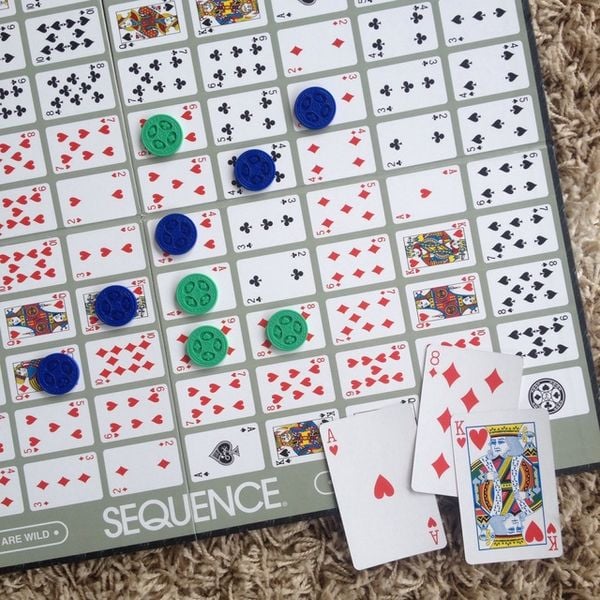
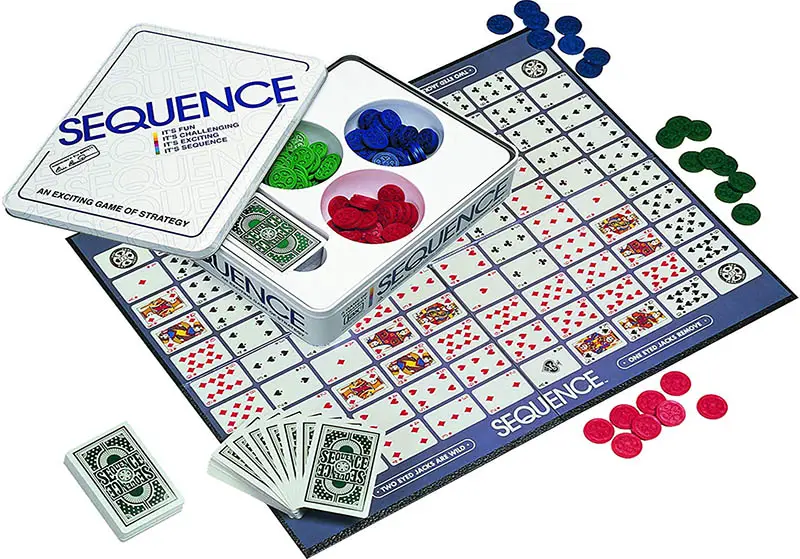
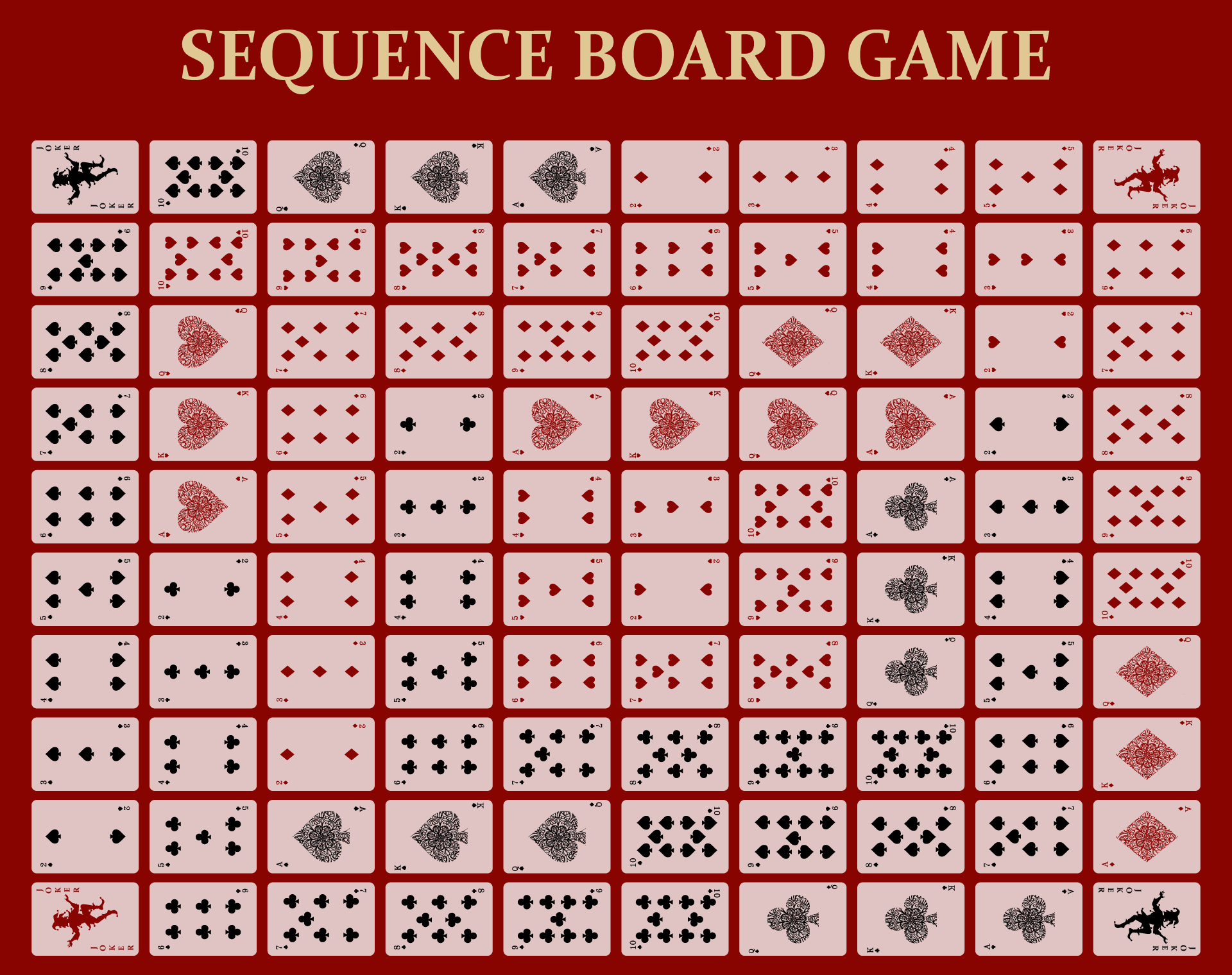
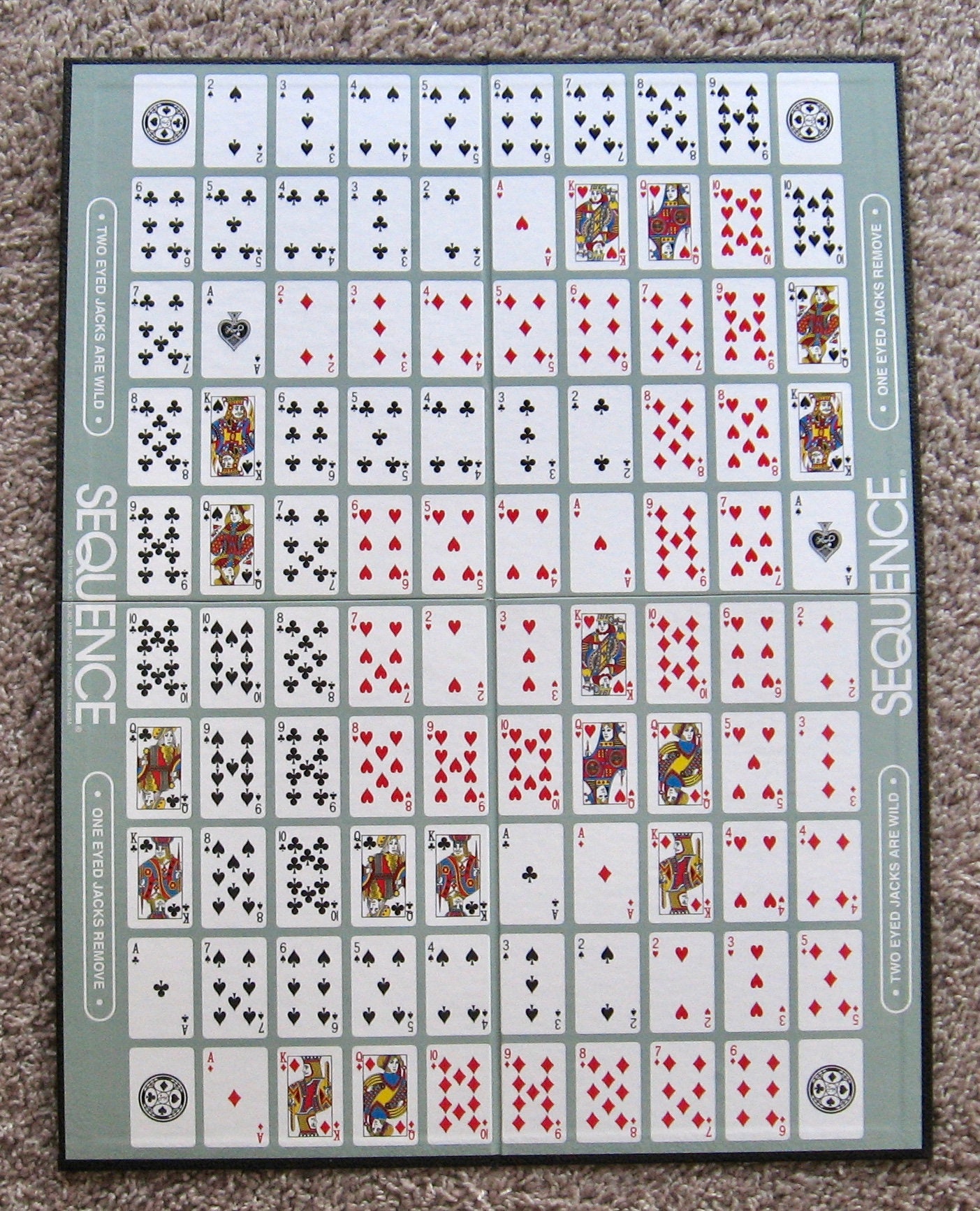
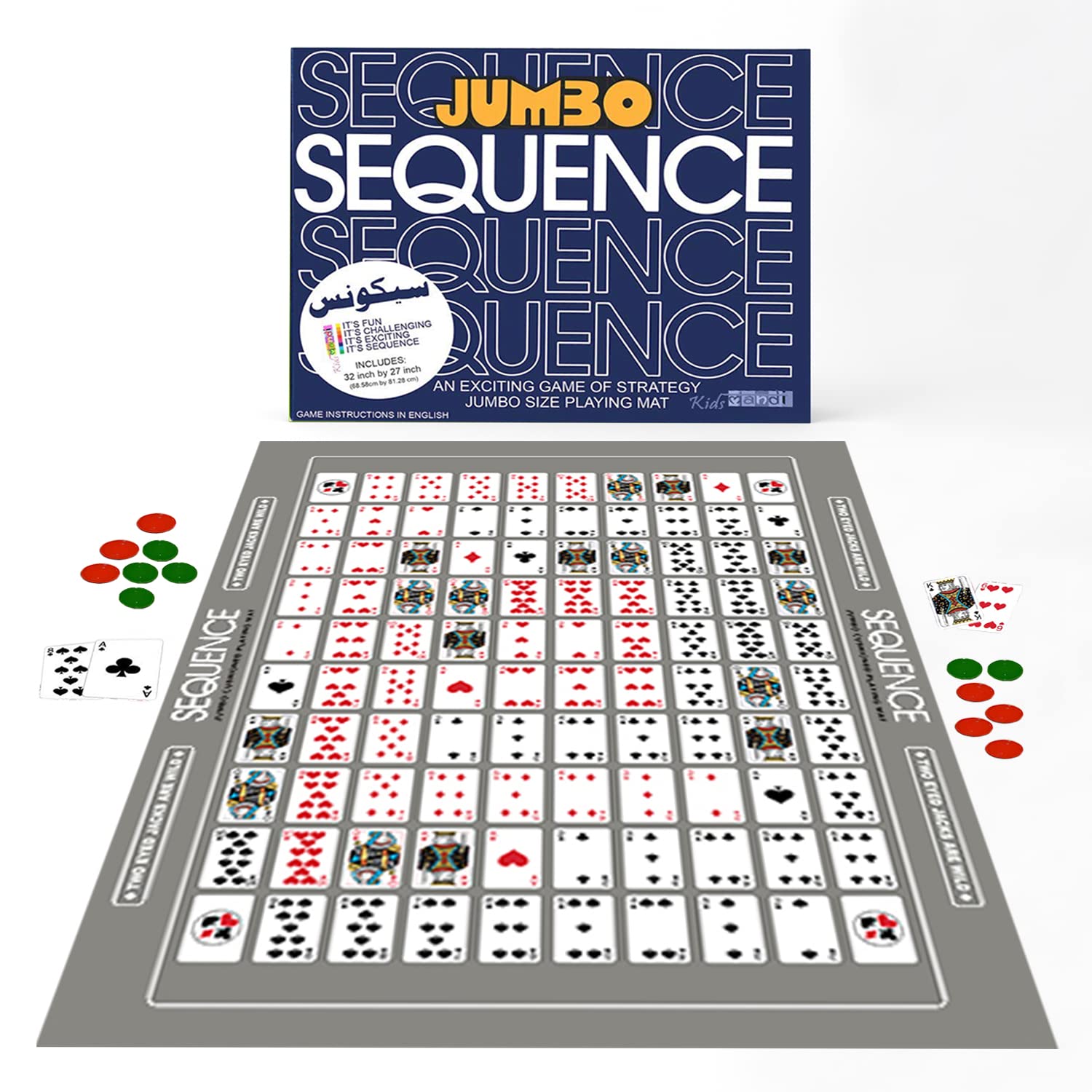
To start Sequence, lay out the game board. Shuffle two standard decks of cards together and deal a specific number of cards to each player based on participant count (e.g., 7 cards for 2-3 players). Each player chooses a chip color, and the remaining cards form a draw pile. The first player begins by selecting a card.
What is the main goal in Sequence?
The primary goal in Sequence is to be the first player or team to form a specific number of "sequences" on the game board. A sequence consists of five of your colored chips in a continuous line, which can be horizontal, vertical, or diagonal. Typically, two sequences are required to win a standard game.
How do the Two-Eyed Jacks work in Sequence?
Two-Eyed Jacks are incredibly versatile wildcards in Sequence. When you play a Two-Eyed Jack, you can place one of your colored chips on any open space on the game board. This makes them powerful for completing your own sequences, blocking opponents, or initiating new strategic lines anywhere you desire.
How do the One-Eyed Jacks work in Sequence?
One-Eyed Jacks serve a disruptive role in Sequence. Playing a One-Eyed Jack allows you to remove any one opponent's chip from the board. However, you cannot remove a chip that is already part of a completed sequence. These Jacks are ideal for breaking an opponent's nearly finished line.
Can you explain the corner spaces on the Sequence board?
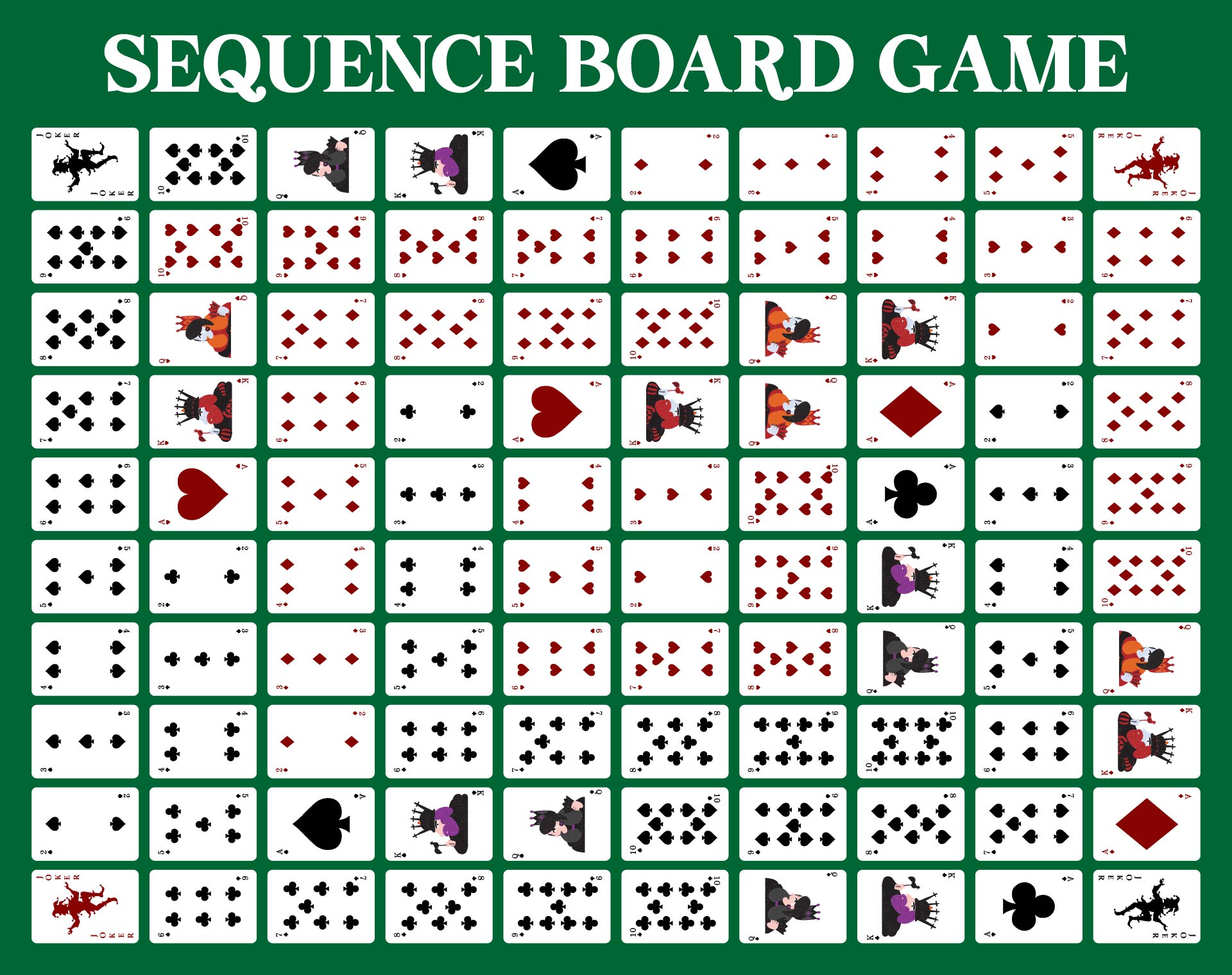
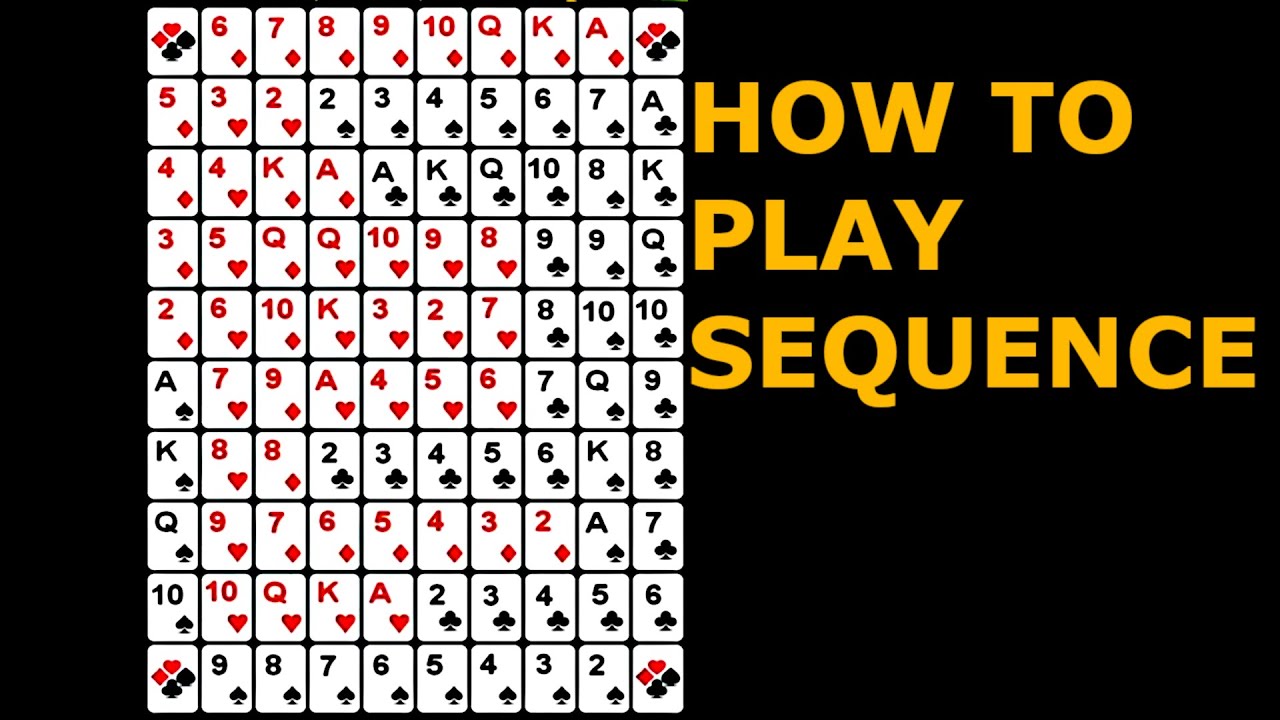
The four corner spaces on the Sequence board are unique and act as "free spaces" for all players. This means that all players can use these corners as if they had placed one of their own chips there. These spots are shared, contributing to any sequence passing through them, adding strategic depth.
Advanced Strategies & Tactics
What are effective strategies for blocking opponents?
Effective blocking in Sequence involves constantly observing opponent progress. Prioritize placing your chips in spots that prevent opponents from completing their sequences, especially when they are one chip away. Using Two-Eyed Jacks for critical blocks can often be more valuable than advancing your own line directly. Be proactive, not just reactive.
When should I prioritize offense versus defense in Sequence?
Prioritizing offense or defense in Sequence depends on the game state. Early on, focus on building your sequences. As opponents get closer to winning, shift to a defensive stance, using cards and Jacks to block their progress. If a win is imminent for an opponent, defense almost always takes precedence.
How do teams communicate implicitly in Sequence?
Team communication in Sequence is often implicit. Players signal intentions by where they place chips or what cards they avoid playing. For instance, completing two chips of a potential sequence signals your teammate to look for the next card. Avoiding verbal cues is part of the challenge, fostering subtle coordination.
Myth vs Reality
Myth: Two-Eyed Jacks can remove opponent chips.
Reality: This is a common misconception. Two-Eyed Jacks are for placing your own chip on any open space, acting as a wildcard. It is the One-Eyed Jacks that possess the power to remove an opponent's chip, provided that chip is not part of a completed sequence.
Myth: You need to complete three sequences to win.
Reality: The number of sequences required to win depends on the number of players or teams. For a two-player or two-team game, you typically need to complete two sequences. Only in larger free-for-all games or with specific house rules might three sequences be necessary for victory.
Myth: You always draw a new card before placing a chip.
Reality: The correct sequence of play is to first select and play a card, then place your chip on the corresponding board space. After that, and only then, you draw a new card from the draw pile to replenish your hand. This ensures your hand size remains consistent.
Myth: Corner spaces only count for one player.
Reality: The four corner spaces are universally shared. They automatically count as a chip for all players and teams that can use them to form a sequence. This makes them powerful strategic points that everyone benefits from when forming lines, adding unique dynamic to the game.
Myth: You can only form sequences horizontally or vertically.
Reality: While horizontal and vertical sequences are common, you can also form sequences diagonally. This adds a crucial layer of strategy, forcing players to consider more angles and potential lines across the board. Always scan all directions for opportunities to win or block.
Common Mistakes & Fixes
What is the biggest mistake new Sequence players make?
The most significant mistake new Sequence players make is focusing exclusively on their own sequences without observing opponents. This tunnel vision often leads to being unexpectedly blocked or, worse, allowing an opponent to win unnoticed. Always scan the entire board before making your move.
How can I avoid forgetting to draw a card?
Forgetting to draw a card is a very common oversight. To avoid this, establish a clear habit: play card, place chip, then immediately draw. Many experienced players will physically touch the draw pile as a reminder after placing their chip. Make it part of your routine.
Multiplayer Issues & Team Dynamics
How can teams improve their coordination without talking?
Teams can improve coordination by developing subtle non-verbal cues and understanding partner playstyles. Focus on completing half-formed sequences your partner has started or blocking a major threat. Anticipate their needs based on their previous moves and the cards they've played. Practice builds synergy.
Winning & Endgame Grind
What is the best strategy to secure a win in the endgame?
In the endgame, focus on creating two "threats" simultaneously or setting up a Two-Eyed Jack for a guaranteed win. Look for cards that can complete multiple sequences or those that create an unblockable line. Prioritize defensive plays if opponents are closer to winning. Calculate potential moves carefully.
Still have questions?
If you're still curious about specific strategies, advanced plays, or unique game scenarios, don't hesitate to dive deeper! Check out our related guides on "Sequence Pro Tips 2026" or "Mastering Jacks in Sequence" for more expert insights and discussions.
Hey there, fellow board game enthusiast! Have you ever found yourself staring at the Sequence board, wondering, "How do you play the game of Sequence effectively?" Or perhaps you’re looking to truly level up your strategy for that upcoming 2026 game night? Many people ask about those tricky Jacks or how to build sequences without getting blocked. We’ve all been there, trying to figure out the best moves. It's a fantastic blend of luck and strategy, and mastering it feels incredibly rewarding. We’re here to break down everything you need to know and then some.
I get why Sequence can seem a bit daunting at first glance. There are cards, chips, and a big board to navigate. But don't you worry, it's much simpler than it appears. Think of it like a fun puzzle that unfolds with every turn. You'll soon discover the joy of placing those chips. We're here to guide you through every single step.
Beginner / Core Concepts
1. Q: What exactly is the main objective when you first sit down to play Sequence?
A: The primary goal in Sequence is to be the first player or team to create a specific number of "sequences" on the game board. A sequence consists of five of your colored chips in a row, either horizontally, vertically, or diagonally. For a two-player or two-team game, you typically need two sequences to win. This simple objective drives all your card plays. You'll quickly see how every card choice impacts your path to victory. Remember, forming those lines is everything. You've got this!
2. Q: How do I set up the Sequence game board and deal the cards properly?
A: Setting up Sequence is quite straightforward, usually taking just a couple of minutes. First, place the game board in the center of all players. Next, shuffle two decks of standard playing cards together thoroughly. Depending on the number of players, each player receives a certain hand size (e.g., 6-7 cards for 2-3 players, 5 cards for 4-6 players, 4 cards for 8-12 players). The remaining cards form a draw pile. Each player also chooses a colored set of chips. This simple preparation gets you ready for action. It's really quick, I promise!
3. Q: Can you explain the basic flow of a turn in the game of Sequence?
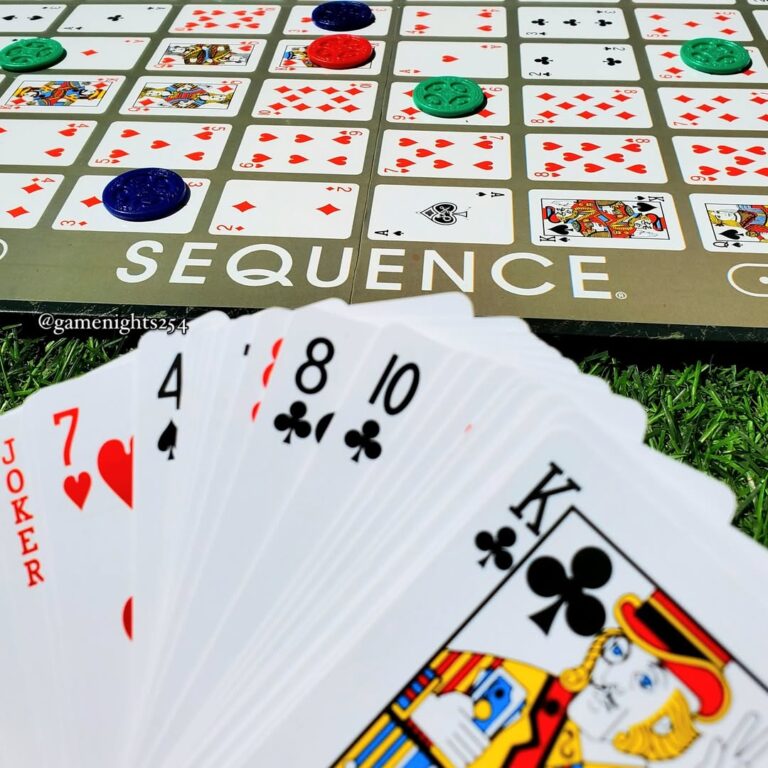
A: On your turn, you'll select a card from your hand and place one of your colored chips onto a corresponding space on the game board. For example, if you play a King of Hearts, you place a chip on one of the King of Hearts spaces. After placing your chip, you must then draw a new card from the draw pile. This ensures you always maintain a full hand of cards, keeping the game moving. The flow becomes very natural very quickly. Don't forget to draw a new card!
4. Q: What are those "Jacks" cards all about, and how do they work?
A: Jacks are the wildcards of Sequence and they come in two types, which is where some people get confused. Two-Eyed Jacks (like the Jack of Clubs and Jack of Diamonds) are powerful and allow you to place a chip on any open space on the board. One-Eyed Jacks (like the Jack of Hearts and Jack of Spades) let you remove an opponent's chip from the board, unless it's already part of a completed sequence. Knowing how to use these can totally turn the tide. You'll love these cards, they're game-changers!
Intermediate / Practical & Production
5. Q: What's a good strategy for blocking my opponents' sequences effectively?
A: Blocking opponents is a crucial part of Sequence strategy, and it’s something you’ll get better at with practice. The key is to pay close attention to their chips on the board and identify where they're close to forming a sequence. If an opponent has four chips in a row, placing your chip in that fifth spot is often your top priority, even if it doesn’t directly help your own sequence. A well-timed block can be more valuable than building your own. Sometimes, sacrificing your progress to halt theirs is the smartest move. This one used to trip me up too, but now I always keep an eye on what others are doing. Try to think two steps ahead!
6. Q: How should I prioritize playing cards: offense (my sequences) or defense (blocking)?
A: This is a classic dilemma in Sequence, and the optimal balance often depends on the game state. Early in the game, it's generally good to focus on building your own sequences, especially if opponents aren't close to winning. As the game progresses and sequences start forming, defense becomes increasingly important. If an opponent is one chip away from winning, blocking them almost always takes precedence over extending your own line. Using your Two-Eyed Jacks defensively to block a winning line is a common pro move. It's a dynamic decision, so keep evaluating the board. Trust your gut on this one, you'll learn the rhythm!
7. Q: When playing with teams, what are some effective communication and collaboration strategies?
A: Team play adds a whole new layer to Sequence, and good communication is absolutely vital. While you can't explicitly tell your teammate which card to play, you can often signal intentions through where you place your chips or which spaces you leave open. For example, if your teammate has two chips forming a potential sequence and you have a card for a third spot, playing it there signals your intent to complete that line. Avoid creating conflicting sequences or blocking your teammate accidentally. Try to focus on completing shared goals. It takes a bit of practice, but you'll get the hang of it together. It’s like a mini collaborative coding project!
8. Q: Are there any specific opening moves or early game tactics I should consider?
A: In the early game, aim to establish central positions on the board. The center spaces offer more potential directions for sequences (horizontal, vertical, diagonal). Cards like 7s, 8s, and 9s are often good for this as they typically correspond to these central spots. Don't commit all your resources to one area too early; try to spread your potential sequences. Also, keep an eye on which cards your opponents play to get a sense of what they might be holding. It’s all about setting up good foundations. Just like building a solid software architecture, a good start makes everything easier.
9. Q: How can I use the One-Eyed Jacks to my maximum advantage during a game?
A: One-Eyed Jacks are incredibly powerful for disruption. Save them for critical moments when an opponent is one chip away from completing a sequence. Removing that crucial chip can buy you precious turns and force them to find another path. Don't waste them on single, isolated chips that aren't threatening. Sometimes, removing a chip that opens up a blocking opportunity for your teammate is also a brilliant play. Their value is purely defensive and reactive. Being patient with these cards is key. It’s like having a debugger to fix a critical bug in production!
10. Q: What are some common mistakes beginner players make, and how can I avoid them?
A: A common mistake is not paying enough attention to what opponents are doing; players often focus solely on their own board. Another is wasting Two-Eyed Jacks on non-critical chip placements when they could be used for a vital block or to finish a sequence. Forgetting to draw a card after playing is also surprisingly common. To avoid these, practice scanning the entire board each turn, not just your segment. Always double-check your hand after playing. And remember, drawing a card completes your turn. You'll be a pro in no time, just keep these in mind!
Advanced / Research & Frontier 2026
11. Q: In a competitive 2026 Sequence tournament setting, how do pro players manage their hand and anticipate opponent moves?
A: Pro players in 2026 tournaments often employ advanced hand management techniques and predictive reasoning models. They mentally track played cards, especially the most dangerous ones like Aces, Kings, and those connecting to key central spots. They’ll use this information to infer what cards opponents might be holding and anticipate their next likely moves. This means not just looking at the board, but also the discard pile (if visible or tracked) and the implied probability of certain cards still being in play. It's a deep understanding of card distribution. This kind of "model training" takes serious practice.
15. Q: What are some advanced "meta" strategies or emerging trends in Sequence gameplay for 2026?
A: In 2026, with the rise of AI-assisted analytics, competitive Sequence is seeing a shift towards predictive play based on estimated card distributions. Players are using simpler mental models to mimic what an AI might deduce. There's also a trend of "early board control" where aggressive central placements and immediate blocking become paramount. Teams are experimenting with dedicated "blocker" roles. This meta emphasizes speed and disruption over slow, steady building. It's like iterating on a machine learning model; new approaches keep appearing.
Quick 2026 Human-Friendly Cheat-Sheet for This Topic
- Always keep an eye on your opponents' board, not just your own. They're trying to win too!
- Save those Two-Eyed Jacks for critical moments, either to win or to make a game-saving block. Don't waste 'em!
- One-Eyed Jacks are your defensive superstars. Use them to surgically remove threatening opponent chips.
- In team play, try to "read" your teammate's intentions by where they play. Subtle signals are everything.
- Aim for central board spaces early on. They open up more sequence possibilities than edge spots.
- Don't forget to draw a new card! This sounds silly, but it happens more often than you think.
- Practice makes perfect. The more you play, the better you'll get at anticipating moves and spotting opportunities. You'll be a Sequence whiz soon enough!
Easy game setup, Card-to-board matching, Strategic chip placement, Effective blocking opponents, Using Jacks effectively, Two-eyed Jacks are wildcards, One-eyed Jacks remove chips, Dynamic team play, Forming two sequences to win, Fast-paced engaging fun, Beginners guide, Advanced tactics, Game night tips, Winning strategies, Rule breakdown
35



How To Play Sequence With Pictures WikiHow Aid9431393 V4 728px Play Sequence Step 6 . How To Play Sequence With Pictures WikiHow Aid9431393 V4 728px Play Sequence Step 3 . Sequence Game Board Layout Printable A Fun And Easy Way To Play Master . Sequence Game Board Printable A Fun And Easy Way To Play My Edu Sequence Board Game Layout 267115 . How To Play Sequence With Pictures WikiHow Aid9431393 V4 728px Play Sequence Step 13


How To Play Sequence The Ultimate Guide YouTube . Sequence A Must Have Family Game The Board Game Family Sequence Board1 300x224 . Sequence Board Game Players At Rick Lewis Blog Sequence3 . Sequence Rules How To Play Setup Winning Sequence Rules 1024x576 . How To Play The Sequence Board Game My First Sequence Game Sequence Win

Sequence The Game How To Play At William Long Blog Sequence Kids Game Grande . How To Play Sequence Official Rules Game1 . How To Play Sequence Sequence . How To Play The Sequence Board Game My First Sequence Game Sequence Start . Sequence Strategy Game Rules Tips Why It S A Must Have Classic Sequence 1 768x768


Sequence Printable Board Printable Sequence Board Game 267117 . How To Play Sequence With Pictures WikiHow Aid9431393 V4 728px Play Sequence Step 11 . How To Play Sequence With Pictures WikiHow Aid9431393 V4 728px Play Sequence Step 4 . Sequence Family Game Giveaway From Gay NYC Dad Sequence Opened . Sequence Rules Step By Step 2025 Sequence Rules


Learning How To Play Sequence Teaching Old Dogs New Tricks By Julia . Sequence Rules How To Play Setup Winning How To Play Sequence Board Game 768x432 . Sequence Board Game In Canada At Susie Branch Blog Il 5m11 . Sequence Game JackaroKW Sequence Card Game . Jumbo Sequence Game Jumbo Sequence Board Game Ultimate Family 71XTuPJSSzL



How To Play Sequence With Pictures WikiHow Aid9431393 V4 728px Play Sequence Step 12 . How To Play Sequence Card Game YouTube . How To Play Sequence Sequence Game Rules . Sequence Strategy Game Rules Tips Why It S A Must Have Classic Sequence 4 1024x1024 . How To Play Sequence YouTube



Sequence Goliath 1 Goliath 1 VENJAX8002 Sequence Pack Shot And Contents . How To Play Sequence Sequence Game Rules How To Play Sequence . SEQUENCE In The Park NYC Plugged Goliath Games SEQUENCE . How To Play Sequence In Cards At Henry Lymburner Blog . Sequence Because It S FUN How To Play Sequence