Ever wondered exactly where The Wall stood in Game of Thrones, or how this massive, ice-bound marvel was even possible in Westeros? For gamers balancing epic quests with real-life responsibilities, diving into the deep lore of a beloved series like GoT offers a fantastic escape and a rich understanding of its world. This guide cuts through the complexities, providing clear, concise answers to your burning questions about The Wall's location, construction, purpose, and eventual fate. We'll explore its strategic importance, the brave Night's Watch who guarded it, and the mysteries that lay beyond its icy expanse, all designed to enhance your appreciation without demanding hours of research. Understand the iconic barrier that shaped the destiny of an entire continent and influenced countless characters, making your return to Westeros or the games inspired by it even more immersive and rewarding. Get ready to level up your GoT lore knowledge efficiently and effectively.
Q: What was the exact length of The Wall in Game of Thrones?
A: The Wall in Game of Thrones was an immense defensive structure, described as stretching approximately 300 miles (about 480 kilometers) across the northern border of Westeros, from the Bay of Seals in the east to the Gorge in the west.
Q: Who built The Wall according to Game of Thrones lore?
A: According to ancient legends in Game of Thrones, The Wall was built by Brandon the Builder, also known as Bran the Builder, with the assistance of giants and powerful magic, thousands of years before the events of the main series.
Q: What creatures lived beyond The Wall?
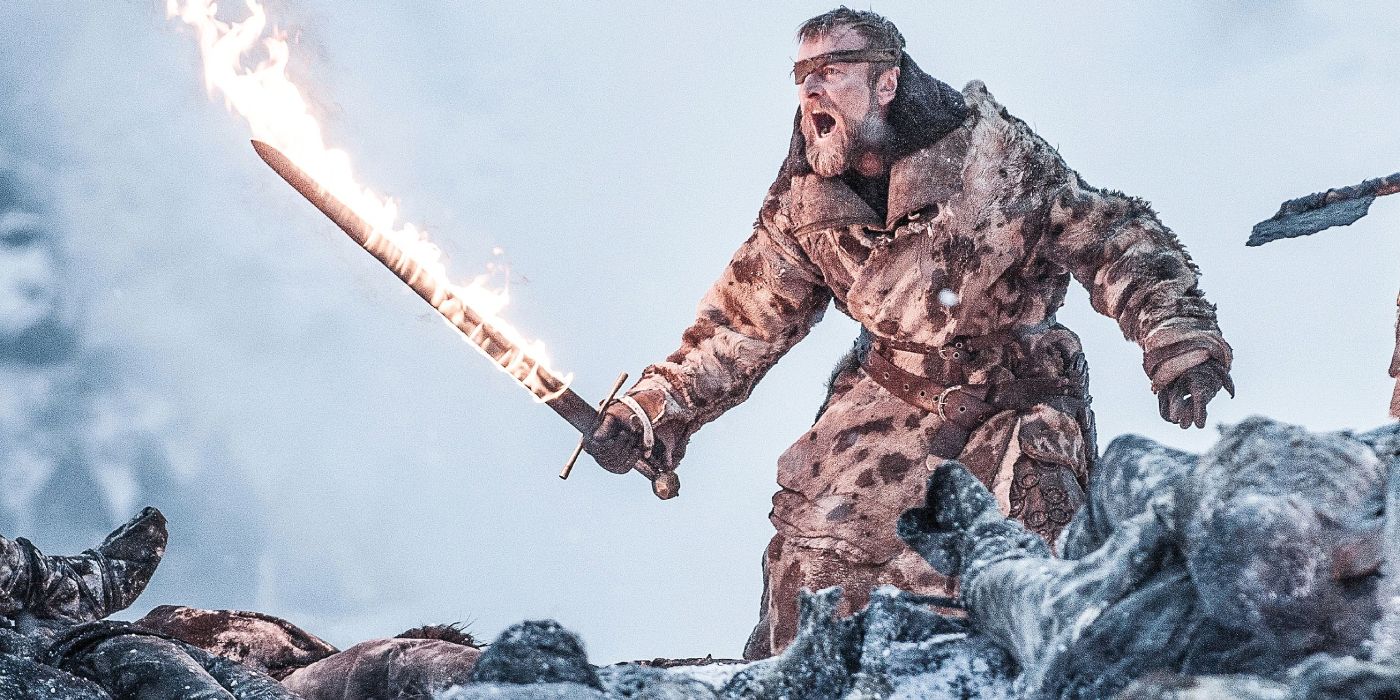
A: Beyond The Wall was home to various dangers including the Wildlings (Free Folk), giants, mammoths, and most notably, the White Walkers and their undead army of wights, making it a perilous and untamed wilderness.
Q: Which Night's Watch castle was Jon Snow primarily stationed at?
A: Jon Snow was primarily stationed at Castle Black, which served as the main headquarters of the Night's Watch and the seat of its Lord Commander. It was the most important and populous of the castles along The Wall.
Q: What happened to The Wall in the final season of Game of Thrones?
A: In the final season, The Wall suffered a devastating breach near Eastwatch-by-the-Sea. The Night King, riding the reanimated dragon Viserion, used its blue flame to destroy a large section, allowing his army of the dead to invade Westeros.
Q: Were there any magical enchantments on The Wall?
A: Yes, The Wall was believed to be infused with powerful, ancient magical enchantments. These spells were specifically designed to prevent the White Walkers and other magical creatures from crossing into the human realms, making it more than just a physical barrier.
Q: Why did the Night's Watch numbers decline over time?
A: The Night's Watch's numbers declined significantly over time because the threat of the White Walkers became a distant memory for most in Westeros. People stopped believing in the ancient dangers, leading to a lack of recruits and diminished support for the sworn brothers, causing their garrisons to dwindle.
Balancing a demanding job, family life, and still finding time for your favorite games can feel like navigating the vast, often dangerous, lands of Westeros itself. You love diving deep into rich stories and intricate lore, but who has hours to scour wikis when you've only got a precious few moments to unwind with a controller or keyboard? As dedicated gamers, we know that understanding the world we're immersed in, whether it's the latest mobile strategy hit or a sprawling PC RPG, significantly enhances the experience. You want the juicy details without the fluff, the kind of essential knowledge that makes discussions on Discord more engaging and your personal game time more rewarding.
That's exactly why we're tackling one of the most iconic, yet often misunderstood, structures in all of fiction: The Wall from Game of Thrones. Understanding where was the Wall in Game of Thrones isn't just about a point on a map; it's about appreciating the sheer scale of the world, the threats faced, and the sacrifices made. For many US gamers, with an average age around 36 and dedicating 10+ hours a week to gaming, this kind of foundational knowledge fuels deeper immersion, helps with role-playing games, or even just allows for more informed discussions with friends who also balance gaming and life. We'll break down everything you need to know about The Wall, making it easy to absorb this vital lore during your limited downtime.
Where Exactly Was The Wall Located in Game of Thrones?
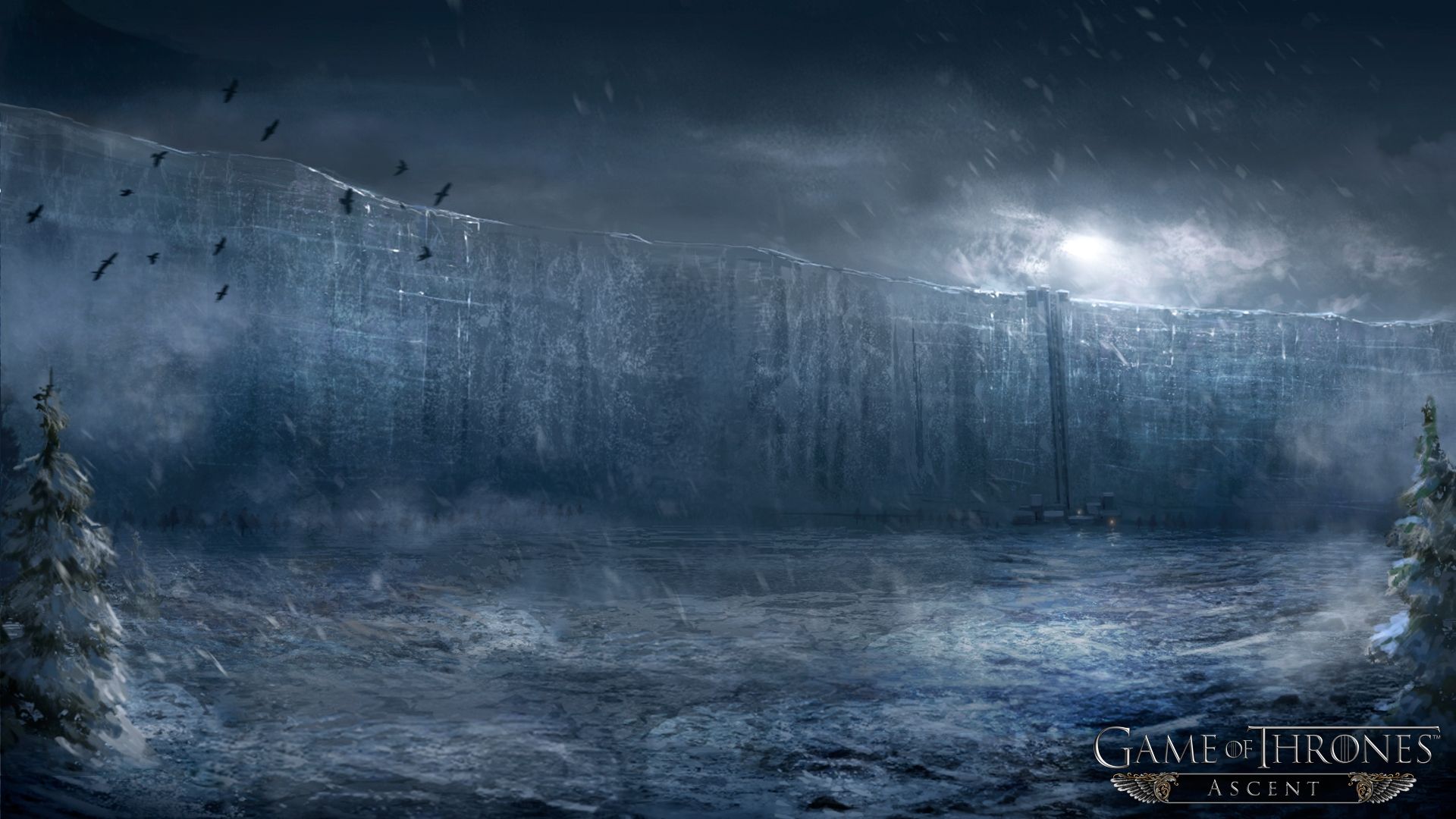
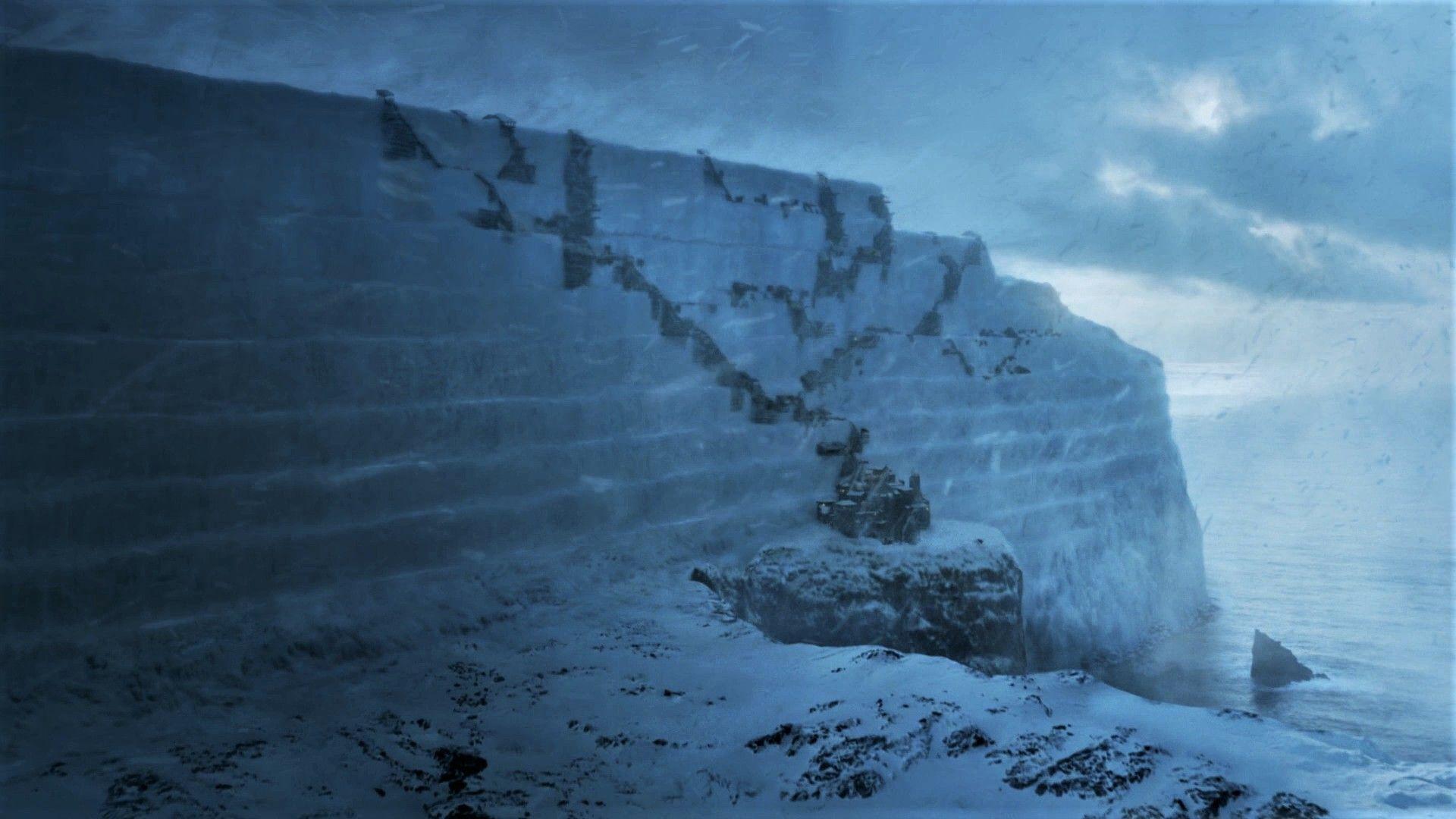
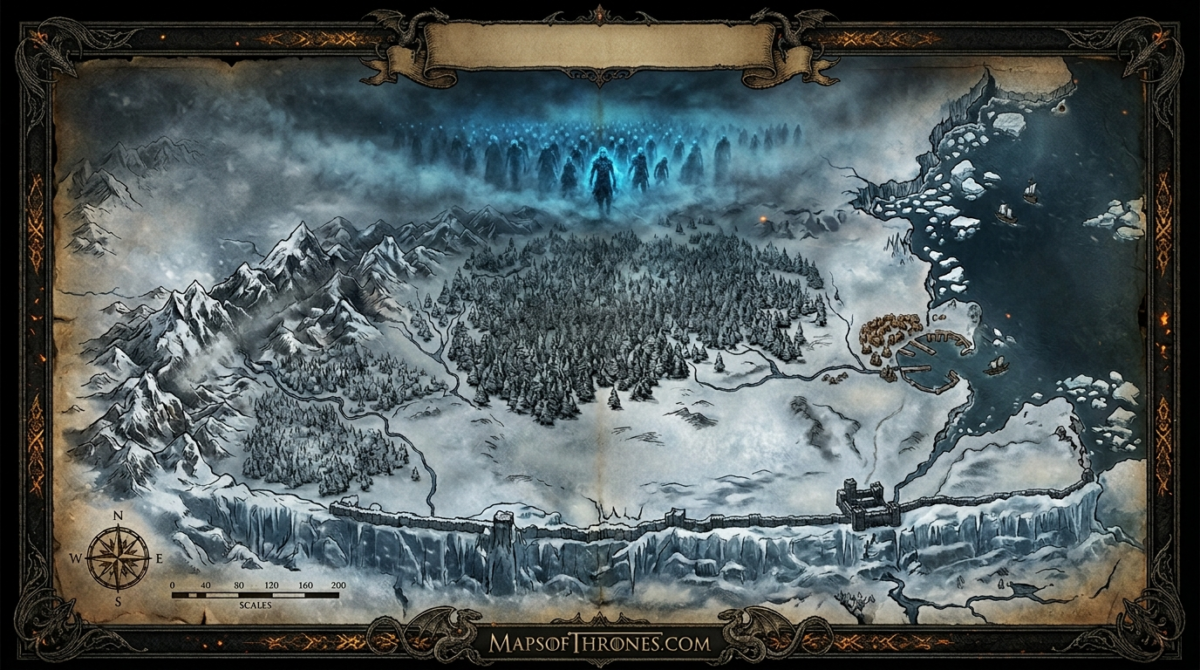
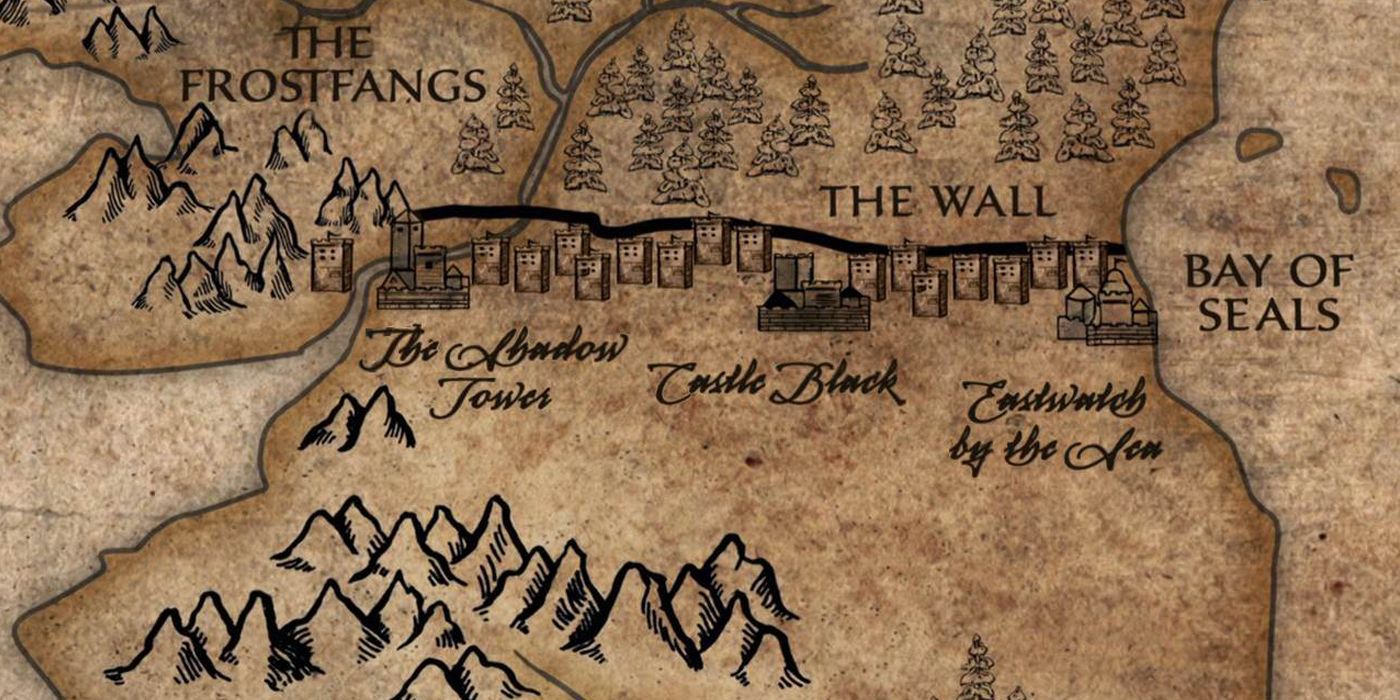
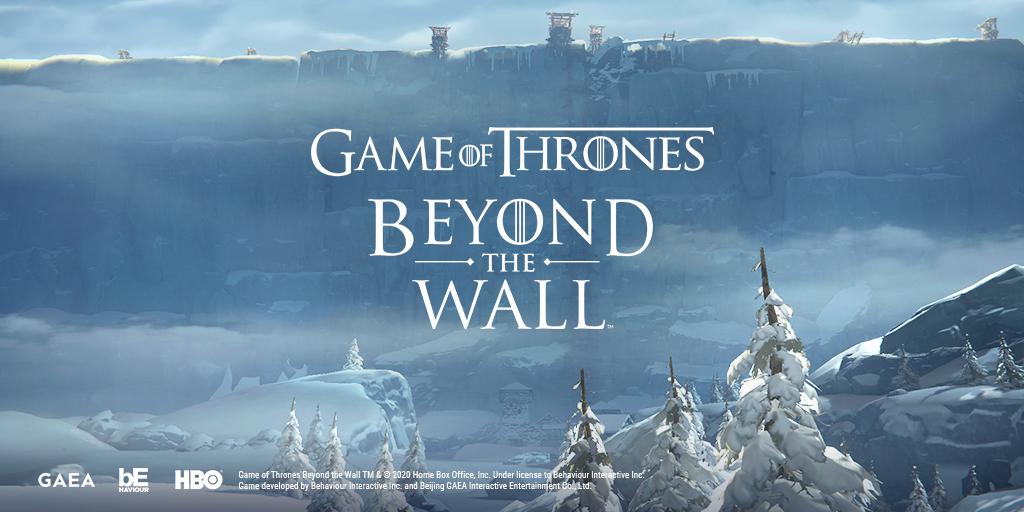
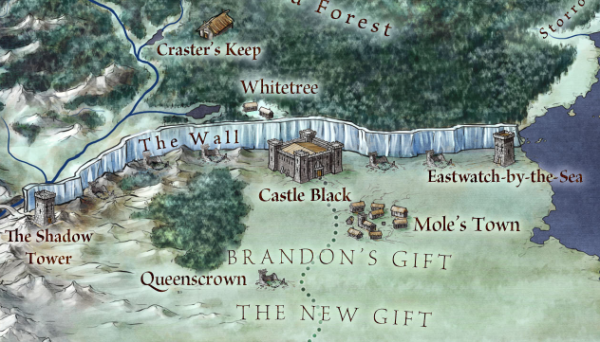
The Wall, a colossal fortification, stretched across the northernmost border of the Seven Kingdoms of Westeros. It ran approximately 300 miles (480 kilometers) from the eastern coast, where it met the Bay of Seals, all the way to the western coast at the Gorge, a natural chasm. This massive barrier effectively marked the boundary between the civilized realms to the south and the untamed, frozen wilderness known as 'Beyond the Wall' to the north. Its strategic placement was paramount, serving as the first and last line of defense against the terrifying threats lurking in the wild.
Geographically, The Wall was situated within the region known as the Gift, a vast swathe of land granted to the Night's Watch by the Stark family millennia ago. Its imposing presence dominated the northern landscape, a constant reminder of the ancient perils it was designed to contain. For those who enjoy strategy games or exploring vast open worlds, visualizing this immense structure across the map highlights the intricate design of George R.R. Martin's world. It's a key landmark that informs much of the political and supernatural narrative of the series.
What Was The Wall's Primary Purpose and Significance?
The primary purpose of The Wall was to protect the Seven Kingdoms from two main threats: the Wildlings (or Free Folk), who were human tribes living north of the Wall, and more importantly, the mythical and terrifying White Walkers and their army of wights. For thousands of years, it stood as a symbol of humanity's resilience and a physical barrier against supernatural dangers. Its very existence meant the difference between survival and oblivion for the people living south of it.
Beyond its defensive function, The Wall held immense cultural and historical significance. It represented a solemn vow, a place where men gave up their former lives to become brothers of the Night's Watch, dedicating themselves to protecting the realm. For many, The Wall was a place of exile or a final resort, highlighting its dual role as both a shield and a societal boundary. Understanding this deep significance adds layers to characters like Jon Snow and his journey, making the stakes feel incredibly high, much like a critical decision point in a favorite RPG where the fate of your party, or even the world, rests on your choices.
How Was The Wall Constructed and How Old Was It?
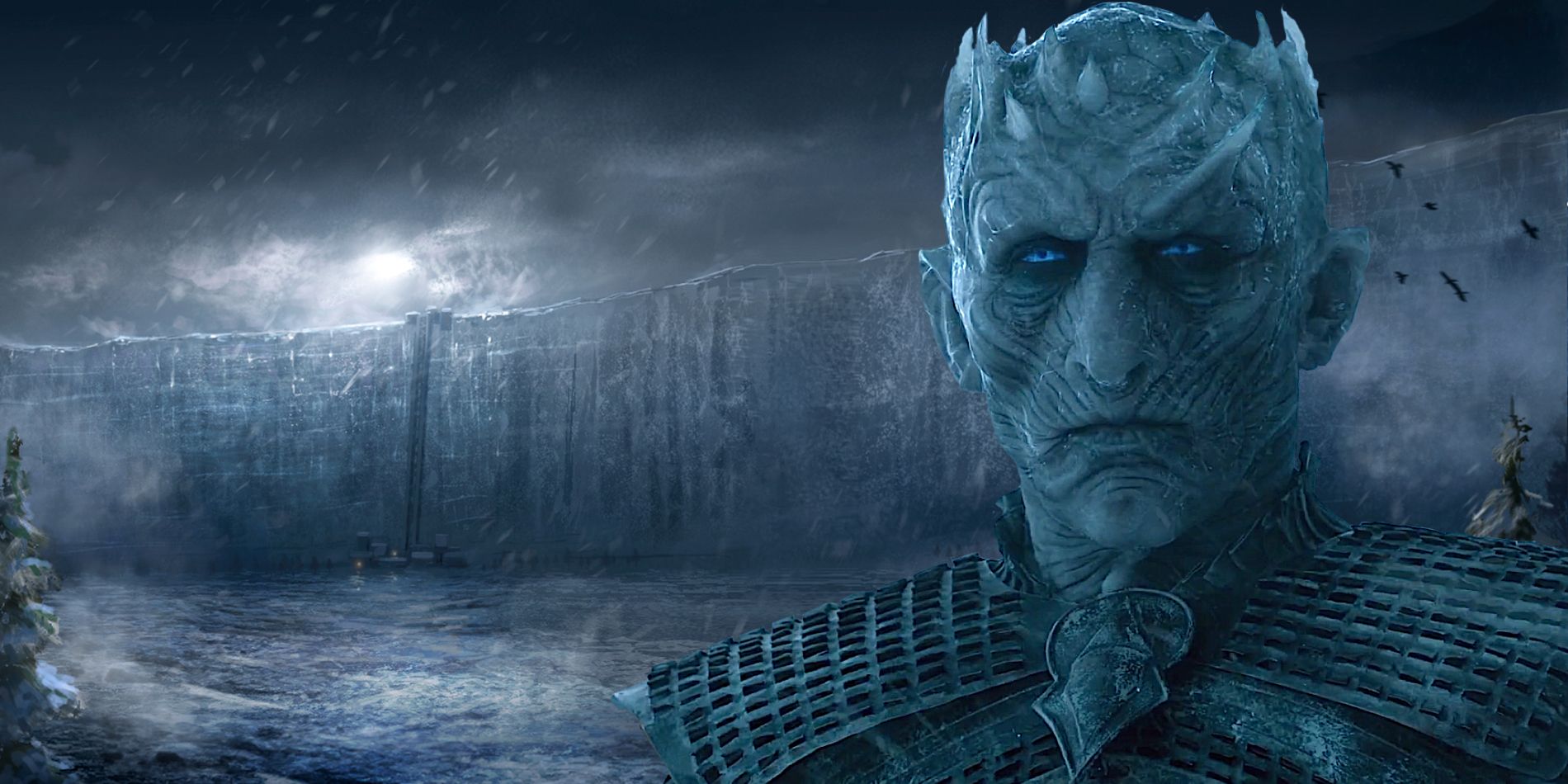
The Wall's construction is steeped in legend, said to have been built by Brandon the Builder (also known as Bran the Builder) around 8,000 years before the events of Game of Thrones. According to lore, he was aided by giants and ancient magic during the Age of Heroes, following the Long Night and the first invasion of the White Walkers. It wasn't just a simple structure of ice; it was infused with powerful spells designed to prevent magical creatures, particularly the White Walkers, from passing through.
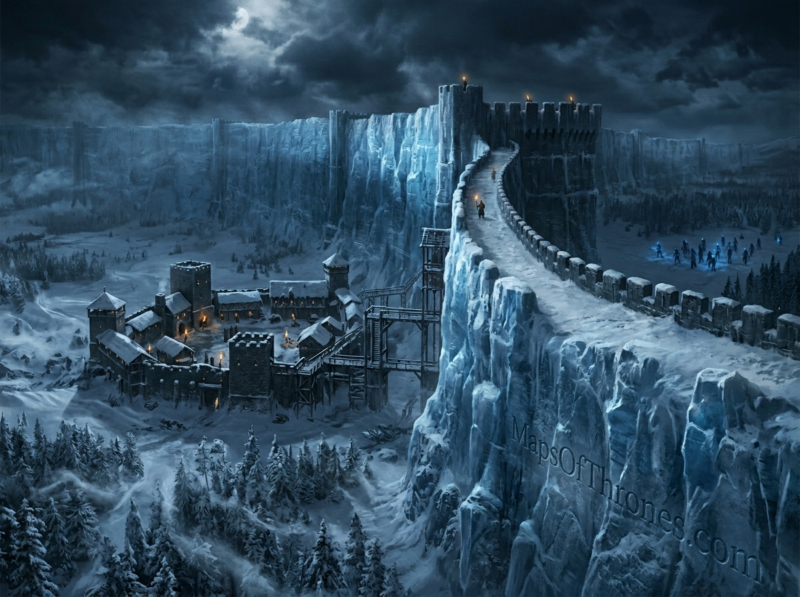
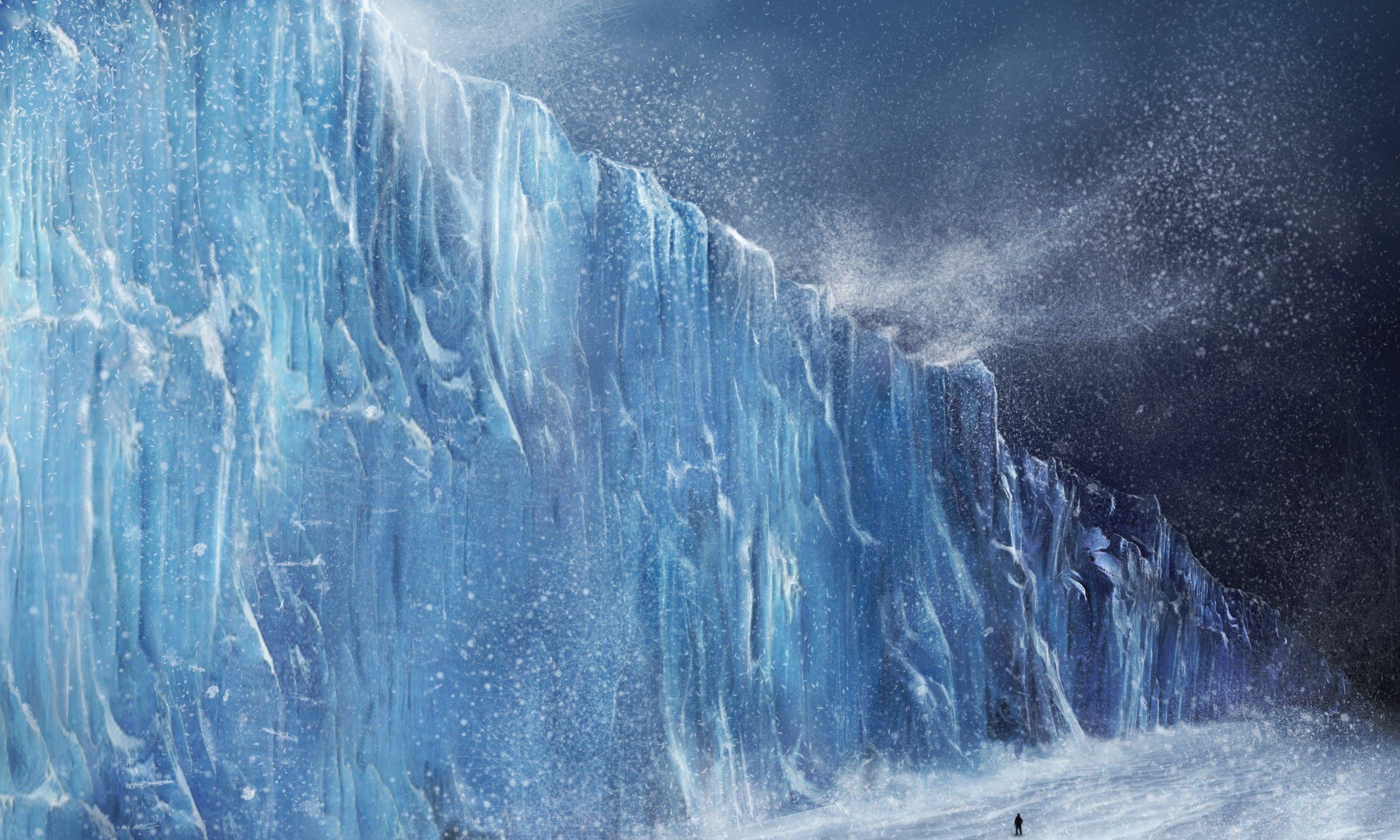
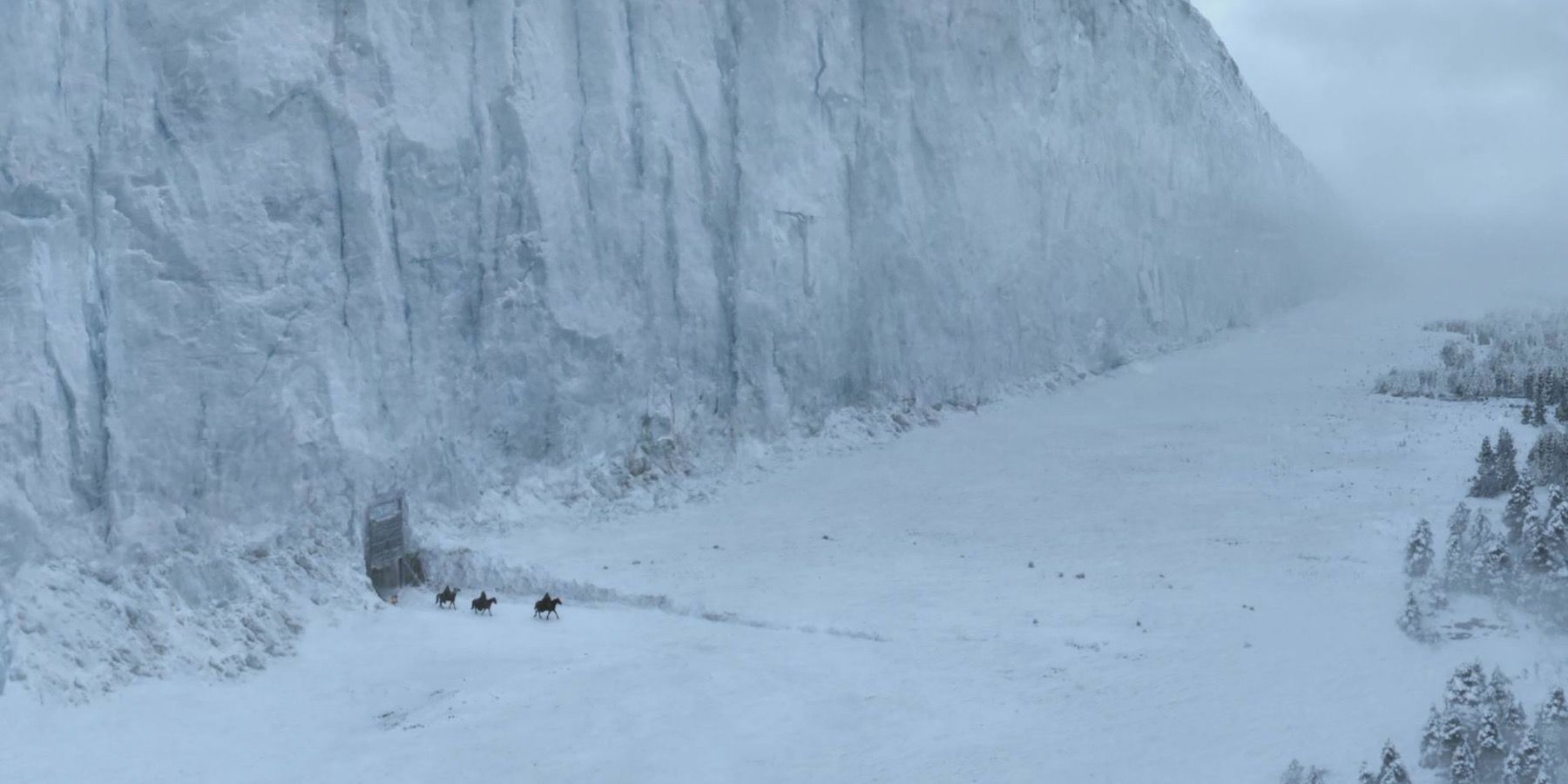
Over the millennia, The Wall was maintained and continuously reinforced by the Night's Watch, who would cut blocks of ice from frozen lakes and add them to the structure. This ongoing effort kept it towering over 700 feet (213 meters) high in places, a truly monumental feat of engineering and endurance, even if fantastical. Imagine the resource management and sheer scale of such an undertaking in a survival-crafting game; it puts into perspective the dedication required for its upkeep and the ancient power attributed to its origins. Its immense age and magical protection made it an almost impregnable fortress until the very end of the series.
Which Major Castles and Forts Guarded The Wall?
Along its 300-mile stretch, The Wall was dotted with nineteen castles and forts, though many fell into disrepair over time as the Night's Watch's numbers dwindled. These strongholds served as garrisons for the sworn brothers, offering protection and strategic points for observation and defense. Here are some of the most notable:
- Castle Black: This was the most important and well-known castle, serving as the headquarters of the Night's Watch and home to its Lord Commander. It was centrally located and played a crucial role throughout the series. Its iconic gate and tunnels were frequently featured.
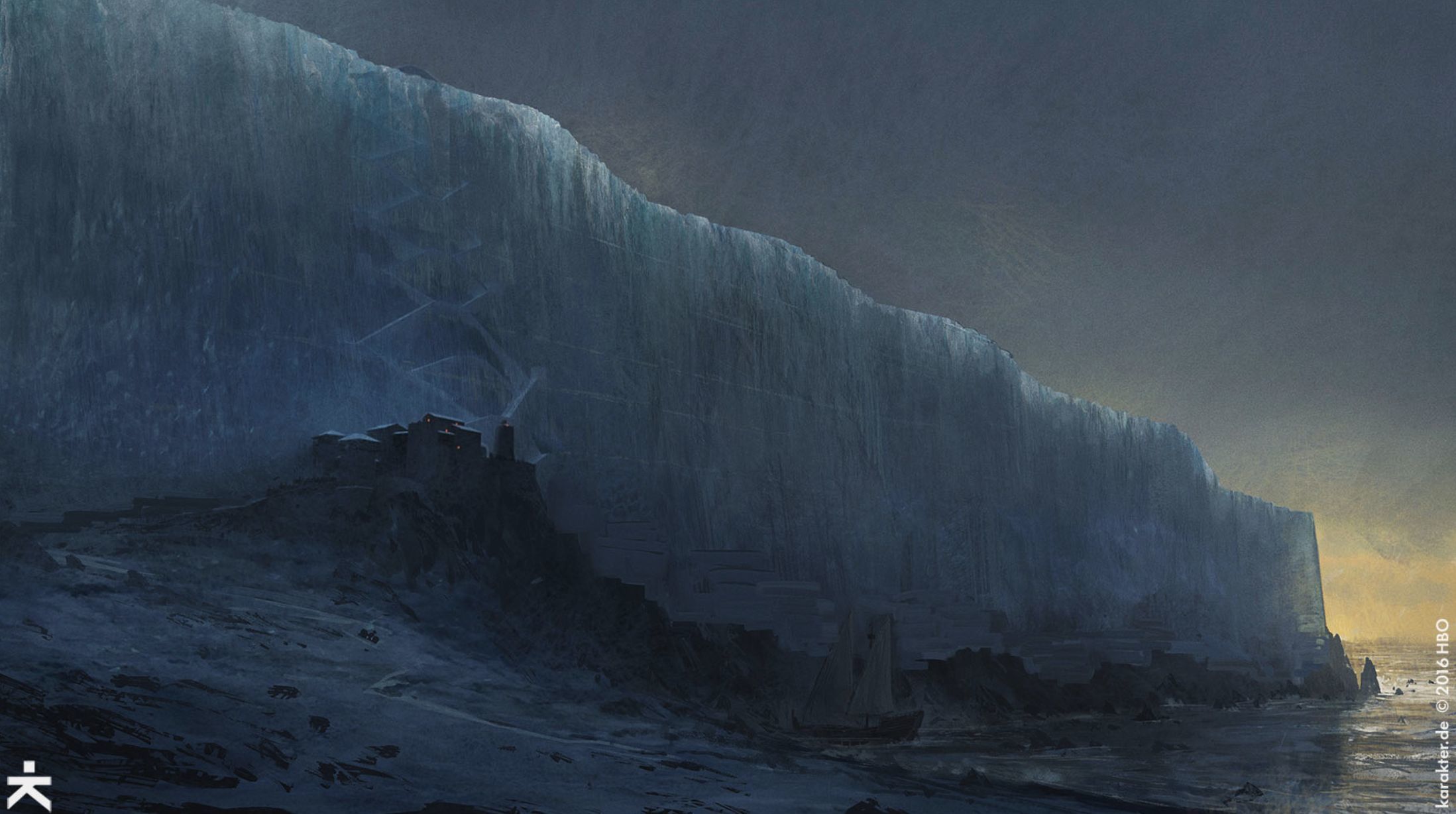
- Eastwatch-by-the-Sea: Situated at the eastern end of The Wall, this castle guarded the Bay of Seals and was vital for naval defense and preventing outflanking maneuvers. It had a port for ships and was a primary point for communication and supply.
- The Shadow Tower: Located at the far western end, protecting the Wall where it met the treacherous Gorge. It housed a significant garrison and was known for its skilled rangers, often venturing into the rugged wilderness beyond.
- Other notable, though less active, castles: The Dreadfort, Icehaven, Greyguard, and Stonedoor were among the many others, each with its own history and strategic importance, even if largely abandoned by the time of the main narrative.
Each castle had its unique challenges and strategic advantages, much like different bases in a real-time strategy game, requiring varied defenses and approaches. Understanding their distribution helps paint a clearer picture of the Night's Watch's vast responsibilities.
Did The Wall Ever Fall or Suffer Major Breaches?
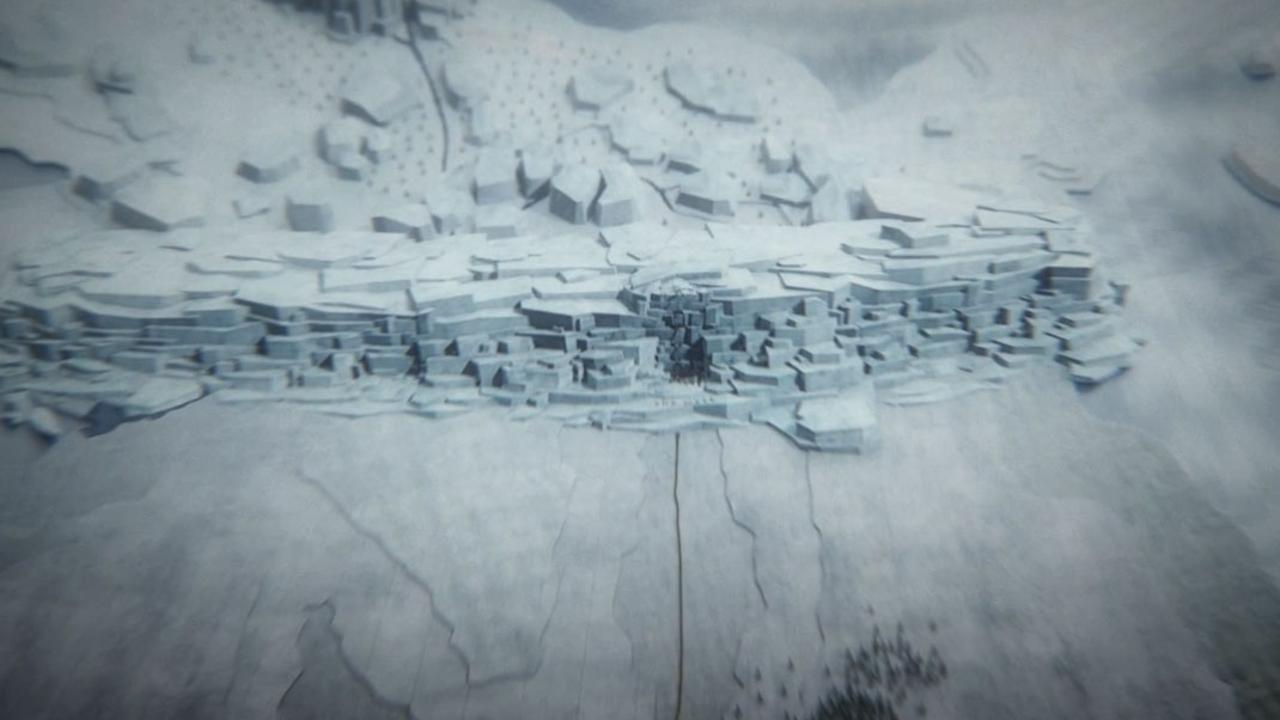
For thousands of years, The Wall stood unbreached by any significant enemy force. It was considered an unassailable barrier, a testament to its magical construction and the vigilance of the Night's Watch. However, this changed dramatically in the final seasons of Game of Thrones. In a pivotal and shocking moment, the Night King, riding the reanimated corpse of the dragon Viserion, used the dragon's blue flame to destroy a large section of The Wall near Eastwatch-by-the-Sea.
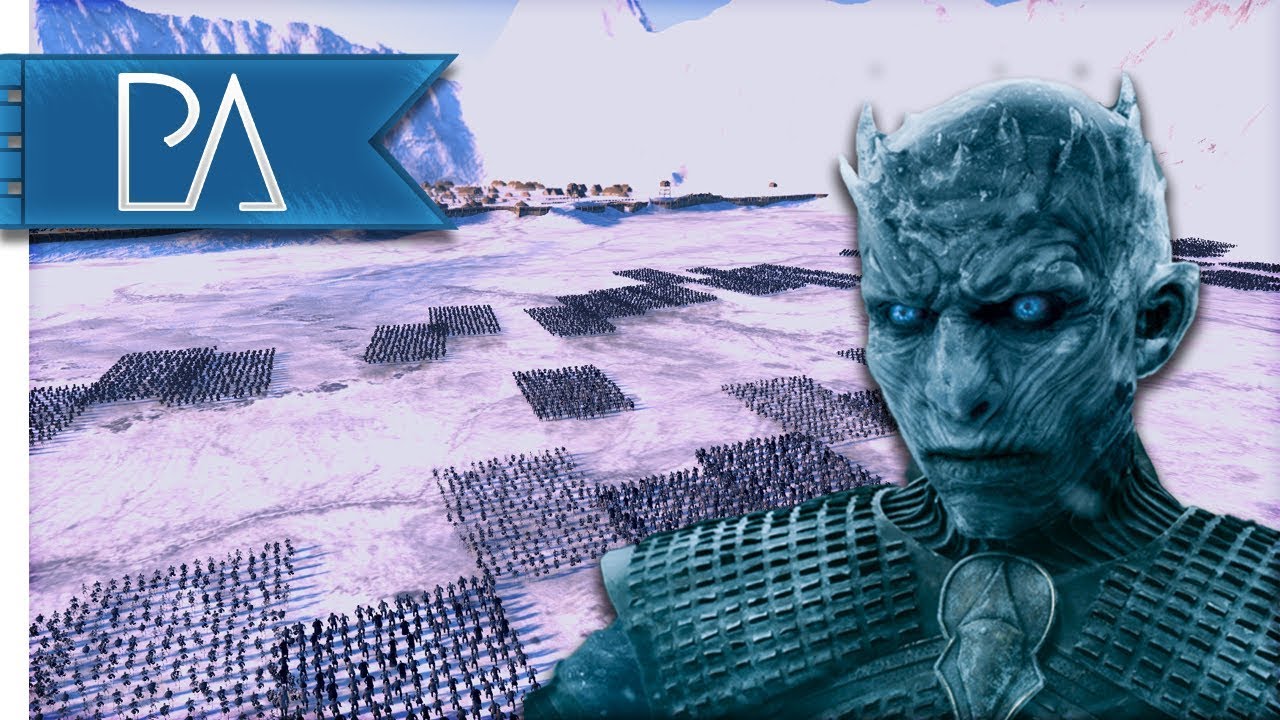
This catastrophic breach allowed the White Walkers and their army of the dead to finally march south into Westeros, fulfilling the ancient prophecy and initiating the Great War. It was a game-changing event that proved even the most ancient and magically reinforced defenses could eventually fall to overwhelming, supernatural power. For gamers, this moment resonates with the feeling of a 'difficulty spike' or an 'end-game boss' finally breaking through your meticulously built defenses, a truly impactful narrative shift that many remember vividly, much like a critical patch update changing the meta of a favorite game.
What Lay Beyond The Wall and Who Inhabited It?
Beyond The Wall was a vast, untamed, and often frozen wilderness, a land of harsh climates, ancient forests, and treacherous mountain ranges. It was a world untouched by the feudal lords and laws of the Seven Kingdoms, a truly wild frontier. The geography included the Haunted Forest, the Frostfangs mountains, and desolate plains leading eventually to the true North, a land of perpetual winter and deeper mysteries.
This harsh land was primarily inhabited by the Wildlings, or Free Folk, various independent tribes and clans who refused to bend the knee to any king south of The Wall. They lived by their own customs, often clashing with the Night's Watch, but were also themselves threatened by the White Walkers. Additionally, mythical creatures like giants, mammoths, and the dreaded Others (White Walkers) and their wights made their homes in this desolate region. Exploring this area in the show felt much like venturing into a high-level zone in an open-world RPG, filled with unique creatures, formidable enemies, and hidden lore that only the bravest adventurers would seek out.
Was There Any Real-World Inspiration for The Wall?
While The Wall's magical properties and immense scale are purely fantastical, George R.R. Martin has cited a clear real-world inspiration: Hadrian's Wall in northern England. Hadrian's Wall was built by the Roman Empire in 122 AD to guard the frontier of Roman Britannia from the unconquered Picts and other tribes living to the north (what is now Scotland). It wasn't made of ice, but rather stone and turf, and stretched approximately 73 miles (117 kilometers) across the island.
Martin visited Hadrian's Wall and was struck by its imposing presence and the idea of a long, lonely defensive structure guarding against unknown threats from a wild frontier. The concept of soldiers standing watch against an ever-present, primal danger, isolated from the comforts of the realm they protected, deeply influenced his creation of The Wall and the Night's Watch. For history buffs and gamers who appreciate historical accuracy or inspiration in their fantasy worlds, this connection adds another layer of depth to the rich tapestry of Game of Thrones.
How Did The Night's Watch Operate and What Was Their Role?
The Night's Watch was an ancient military order dedicated solely to guarding The Wall and protecting the realms of men from the threats beyond. Brothers of the Watch took solemn vows, forsaking family, titles, and property, swearing to serve until death. Their life was one of strict discipline, constant vigilance, and often harsh conditions, especially at the remote castles along The Wall.
They operated by patrolling The Wall, conducting ranging missions into the lands beyond to scout for Wildlings and, more critically, White Walkers. Their primary duties included manning the castles, maintaining the defenses, and training new recruits. Despite their noble purpose, by the time of Game of Thrones, their numbers had dwindled drastically, often comprising exiles, criminals, and unwanted sons. This decline reflected the diminishing belief in the ancient threats, making their struggle to defend The Wall even more poignant. For players familiar with guild or clan mechanics in MMOs, the Night's Watch embodies the ultimate, albeit underappreciated, guild dedicated to a single, critical objective, often with members of diverse backgrounds united by a common, arduous cause.
What Happened to The Wall by the End of Game of Thrones?
As discussed, The Wall experienced its first major breach at Eastwatch-by-the-Sea when the Night King's reanimated dragon, Viserion, blasted a massive hole in it, allowing the army of the dead to march south. While this was the most dramatic event, the ultimate fate of The Wall as a whole is somewhat ambiguous by the series' conclusion.
After the defeat of the Night King and the White Walkers, the existential threat The Wall was built to contain was gone. With the Wildlings forging a new, if uneasy, peace with the Seven Kingdoms, and a new political order emerging in Westeros, the traditional role of The Wall became largely obsolete. While sections remained standing, its purpose as an active, manned defense against supernatural threats effectively ended. It transitioned from an active fortress to a monumental relic of a bygone era, its icy legacy forever etched into the history of Westeros. It's a reminder that even the most formidable structures in gaming worlds can change purpose or be rendered unnecessary as narratives evolve and new alliances form, much like game mechanics that get phased out in new expansions.
Understanding The Wall's placement, purpose, and eventual fate truly enriches your appreciation of Game of Thrones, making every rewatch or dive into related games like Game of Thrones: Conquest or even upcoming RPGs more meaningful. It's a testament to how deep lore can elevate any gaming or storytelling experience, offering that sweet spot of relaxation and mental engagement. Like optimizing your PC for peak performance or finding the perfect build for your character, mastering the lore of your favorite universes is a rewarding pursuit that pays dividends in immersion and fun.
What's your biggest gaming challenge when it comes to balancing epic stories with real-life demands? Comment below and share your tips!
FAQ Section
Is The Wall a single, unbroken structure? Yes, The Wall was depicted as a continuous, massive ice structure stretching for 300 miles across Westeros, from coast to coast, with no natural breaks or gaps in its formidable defense.
How many men were typically in the Night's Watch? Historically, the Night's Watch reportedly numbered over ten thousand men. However, by the time of Game of Thrones, their numbers had significantly dwindled to only a few hundred sworn brothers, spread thin across its vast length.
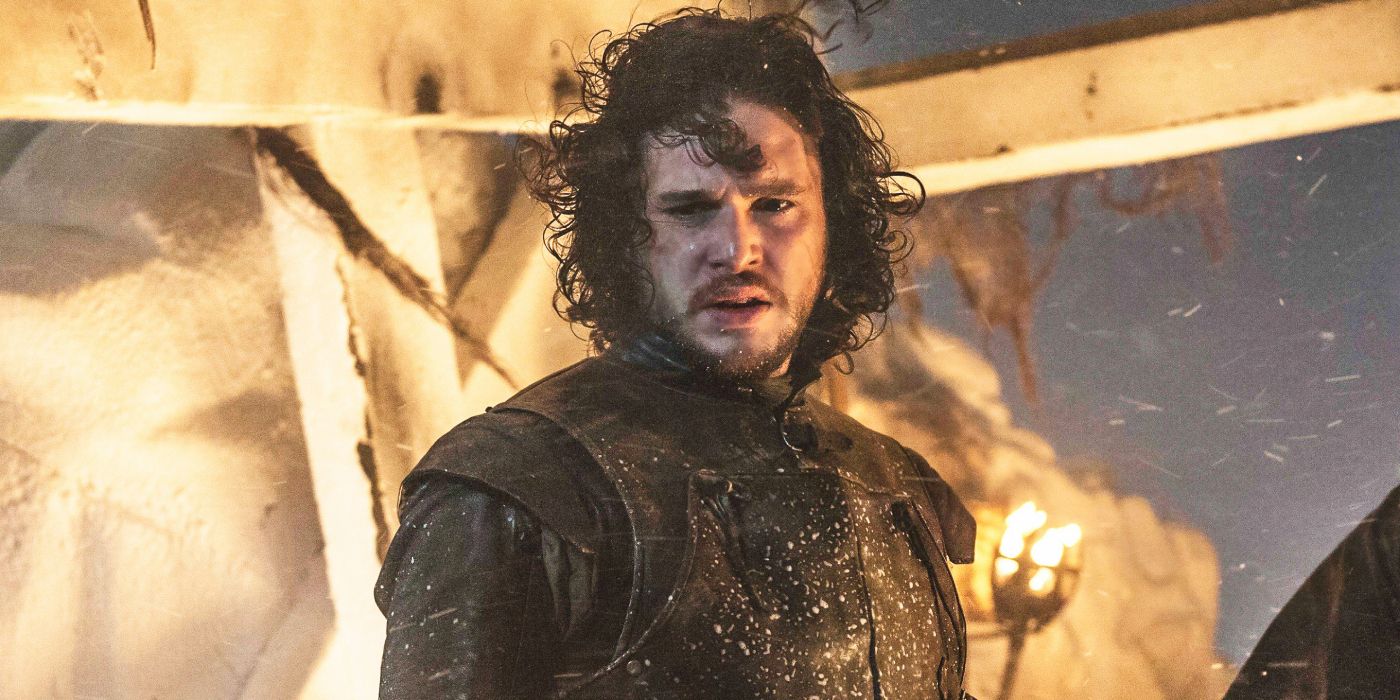
Did anyone ever climb over The Wall? Yes, Wildlings, notably characters like Tormund Giantsbane and Ygritte, were known to scale The Wall. Jon Snow himself, with a Wildling party, famously climbed it from the northern side in Season 3 of the show.
Was there magic involved in The Wall's creation? Yes, according to ancient legends, The Wall was not just ice but reinforced with powerful, forgotten spells woven into its foundation, designed to prevent White Walkers and other magical creatures from passing through.
What was the oath of the Night's Watch? The oath of the Night's Watch included lines like: "Night gathers, and now my watch begins. It shall not end until my death... I am the sword in the darkness. I am the watcher on the walls. I am the shield that guards the realms of men."
What were the living conditions like for the Night's Watch? Life in the Night's Watch was generally harsh, cold, and isolated. Living in remote, often crumbling castles, members faced meager rations, constant vigilance, and the ever-present threat of dangers from beyond The Wall, making it a grueling existence.
The Wall's exact location in Westeros. Its magical ice construction and purpose. Major castles guarding The Wall. Real-world inspirations behind the iconic structure. The Night's Watch's role. The fate of The Wall by series end.
34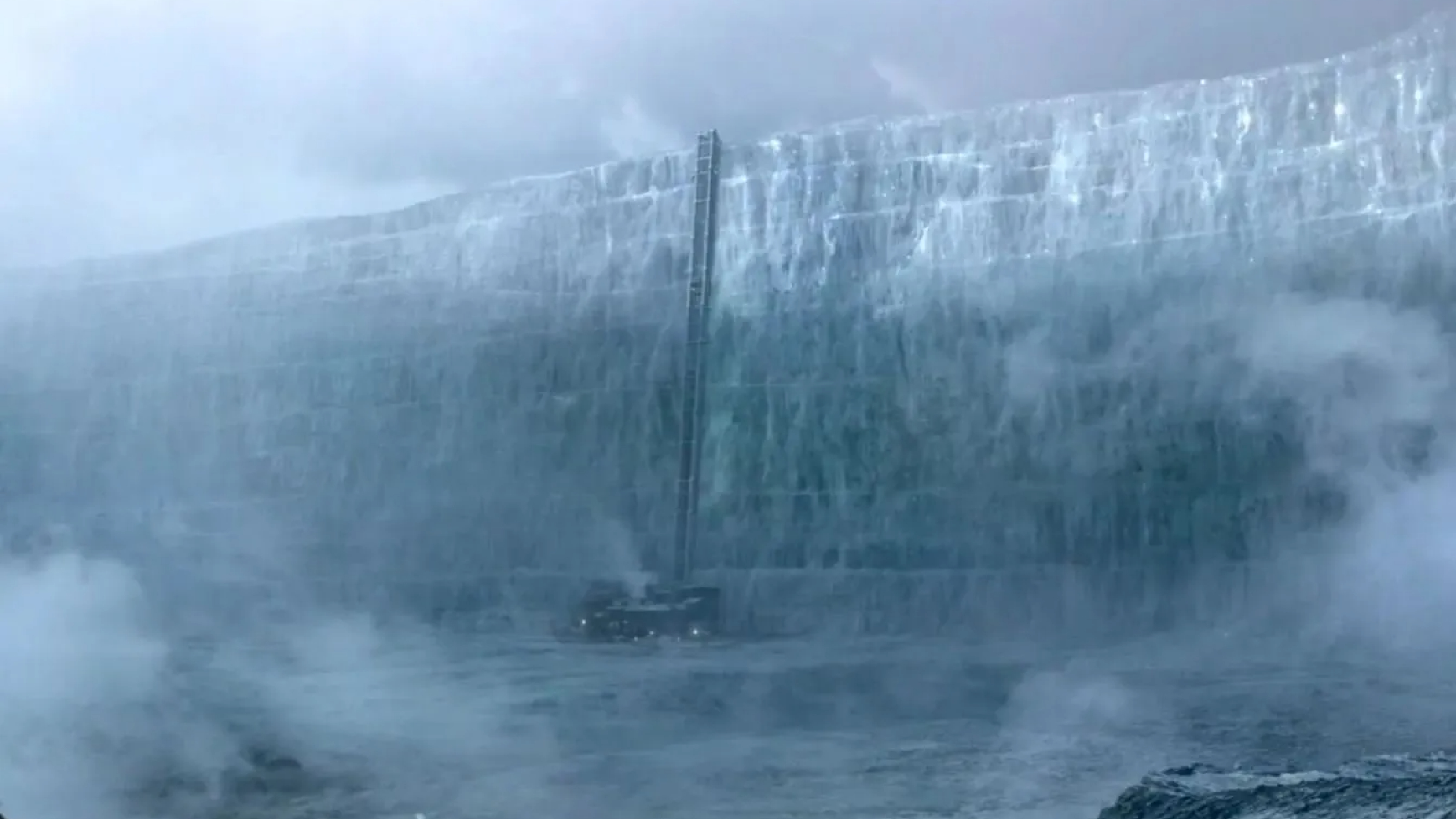


5 More Game Of Thrones Stories That Could Be Great Spinoff TV Shows The Wall Game Of Thrones . Free Download The Wall Game Of Thrones Image By Richardm54 VqKnkR . Game Of Thrones The Wall 808179 . Game Of Thrones The Wall . Game Of Thrones Filming Locations The Complete Fan S Guide 2027 Game Of Thrones Dubrovnik Kings Landing Croatia Filming Location Scaled


HBO Pushes Back On Latest Game Of Thrones Spin Off Rumors This Is Game Of Thrones The Watchers On The Wall 2014 . Beyond The Wall Hardhome White Walkers The Wall 2026 Game Of Thrones Map 1 Picsart . Beyond The Wall Hardhome White Walkers The Wall 2026 Map Artwork Beyond The Wall. Game Of Thrones Filming Locations The Complete Fan S Guide 2027 Iceland Glacier Game Of Thrones Beyond Wall Filming Location Vatnajokull 1536x1024 . HBO S Cancelled Jon Snow Spin Off Gets A Second Chance At Game Of Thrones Beyond The Wall 2017


Siege Beyond The Wall Night King Attacks Game Of Thrones Seven. The Wall Epic Guide In Game Of Thrones Colossal Ice Wall Snowy Wilderness. Game Of Thrones Map Explore All Kingdoms Hidden Locations 2026 Logo . Game Of Thrones The Queen S Justice Dragons On The Wall Game Of Thrones The Dragon And The Wolf Dragons On The Wall Ewm8 . Breaching Of The Wall Game Of Thrones Wiki FANDOM Powered By Wikia Latest


The Game Of Thrones Finale S Ending Explained Polygon Game Of Thrones 806 The Wall 1920 . The History Of The Wall Explained Game Of Thrones LORE YouTube . Game Of Thrones The Wall 808190 . The Wall Telltale S Game Of Thrones Wiki FANDOM Powered By Wikia 2000. The Magic Behind The Wall On Game Of Thrones YouTube



Game Of Thrones Map The Wall Beyond The Wall Fantastic Maps The Wall Map In Game Of Thrones . Why The Wall Is More Important Than Ever On Game Of Thrones . Gilitbu Blog . Game Of Thrones Season Eight Wall Of Ice Explained Herald Sun. Game Of Thrones The Wall By On DeviantArt D7b707v 607930c7 C1c8 4e29 969b


Everything You Need To Know To Start Watching Game Of Thrones Today Vox The Wall From The South . Game Of Thrones Ice Wall Game Of Thrones Theories Black Castle Game . Game Of Thrones Hidden Secrets Of The Wall White Walker Night King And The Wall In Game Of Thrones . The Wall Game Of Thrones 808181 . The Wall Game Of Thrones

Game Of Thrones Kuzey Nceleme 22dakika Org The Wall 600x342 . Viserion S Death One Of Deanerys Dragons Game Of Thrones S7 E6 Media. 10 Real Life Historical Connections In Game Of Thrones That You Never Game Of Thrones Winter The Wall . The Wall Game Of Thrones Wallpaper Magic Canvas Art Pictures GoT 901093