Navigating the complexities of gaming addiction can be challenging for many, especially adults balancing demanding careers, family responsibilities, and personal well-being. This comprehensive guide, crafted for the average gamer aged 36, sheds light on who gaming addiction truly affects, moving beyond common misconceptions to provide practical insights. We explore the nuanced risk factors, identify early warning signs, and offer actionable strategies to maintain a healthy relationship with gaming. Discover how millions of US gamers, who dedicate over 10 hours weekly to their passion, can enjoy their digital escapes without falling into problematic patterns. Understand the current trends, from mobile gaming dominance to the rise of social interactive experiences, and learn how to safeguard your leisure time for true relaxation and skill-building rather than distress. This resource is designed to empower you with knowledge, ensuring your gaming remains a source of joy and not a source of concern.
Who exactly is at risk for developing gaming addiction, even if they're just playing for fun?
While gaming can be a fantastic hobby, almost anyone can develop problematic gaming habits if certain risk factors align. It's not just about playtime but how gaming interferes with life. Busy professionals and parents, even those gaming for relaxation, can slide into unhealthy patterns if stress, mental health challenges, or a lack of alternative coping mechanisms are present. Young adults and teens are often cited, but older gamers are also susceptible, especially with the rise of engaging online social games that provide a strong sense of community and progression.
What are the subtle warning signs that my 'healthy' gaming hobby might be crossing the line into addiction?
Look beyond just hours played. Key signs include thinking about gaming constantly even when you're not playing, feeling irritable or anxious when you can't game, neglecting work or family duties for gaming, lying about your gaming time, or trying and failing to cut back. If you're consistently sacrificing sleep, exercise, or real-world social interactions for gaming, it's a strong indicator that your hobby might be becoming a problem, even if you still enjoy it.
Is it possible for someone who uses gaming to socialize to become addicted, even if it feels 'productive'?
Definitely. For many, especially Gen Z and Millennials, games are primary social hubs. The sense of belonging, teamwork, and identity found in guilds or competitive teams can be incredibly strong. However, if this virtual social life completely overshadows real-world relationships, or if the pressure to participate in online events leads to neglecting offline responsibilities, it can become problematic. When 'socializing' in-game prevents you from maintaining a balanced life, it's a sign of potential addiction, regardless of how productive it feels.
How can I tell if my gaming habits are impacting my job or family life without realizing it?
Self-reflection is key. Are you frequently tired at work because you were gaming late? Are you missing deadlines or feeling less engaged professionally? Has your partner or children expressed feeling neglected because you're always gaming? Are you consistently pushing household chores or family time aside to play? If the answer to these questions is yes, even subtly, your gaming habits are likely already having a negative impact, even if you haven't consciously acknowledged it. Ask for honest feedback from those closest to you.
Are there specific game types or features that make a game more likely to contribute to gaming addiction?
Certain game designs can be more compelling for some individuals. Games with endless progression loops (MMORPGs), strong competitive elements (MOBAs, FPS), social pressure (guilds, clans), or variable reward systems (loot boxes, gacha mechanics in mobile games) can foster higher engagement. These features are designed to keep you playing and investing time and money. While not inherently bad, for vulnerable individuals, these design choices can make it much harder to disengage and maintain balance.
What resources are available for an adult gamer who thinks they might have a problem but doesn't know where to start?
The first step is often talking to a trusted friend or family member. For professional help, look for mental health professionals specializing in behavioral addictions or process addictions. Websites like Psychology Today can help locate therapists in your area. Organizations like Gaming Addicts Anonymous (GAA) or groups focusing on internet addiction can provide support. Many national mental health helplines or local community health centers can also offer referrals. Starting with a general practitioner for an initial assessment is also a good option.
Can setting limits or using parental controls help an adult manage their own gaming addiction, or is it only for kids?
Yes, absolutely! Self-imposed limits and tech tools are highly effective for adults too. Using features like screen time limits on phones, console playtime restrictions, or even simple kitchen timers can create intentional breaks. Scheduling gaming like an appointment helps manage time. These tools, combined with self-awareness and a desire to balance gaming with other life priorities, can empower adults to regain control and enjoy gaming in a healthier, more sustainable way, proving they aren't just for younger players.
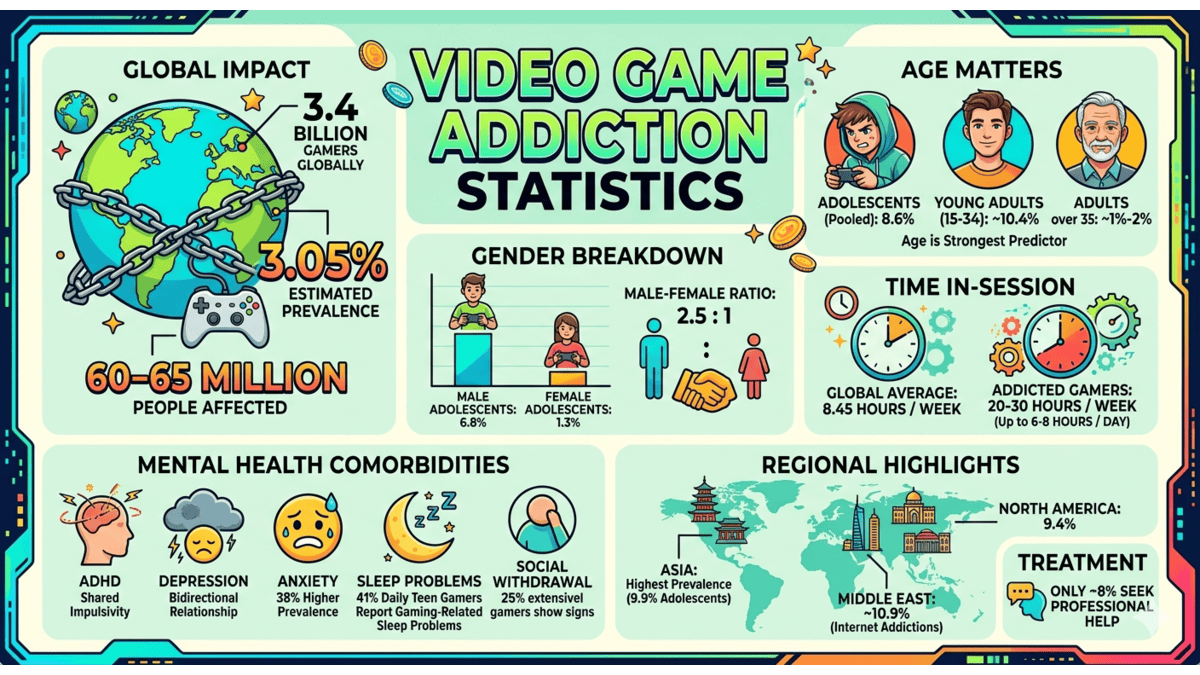
For many of us, gaming is more than just a pastime; it is a way to unwind, connect with friends, master new skills, and even escape the daily grind. With 87% of US adults regularly engaging in gaming, often dedicating 10 or more hours per week, it is a significant part of modern life. For the average gamer around 36, balancing work, family, and personal commitments, gaming offers a much-needed outlet. But where does the line between a passionate hobby and a problematic habit lie? The World Health Organization officially recognized Gaming Disorder, often referred to as gaming addiction, in 2018, sparking crucial conversations about who is susceptible and why. This guide aims to demystify gaming addiction, focusing on real-world insights for adults who value their leisure time and want to ensure gaming remains a positive force in their lives. We will explore who gaming addiction truly affects, debunking myths and offering practical advice to help you maintain a healthy, balanced gaming lifestyle.
You are not alone in seeking answers. Many wonder if their habits, or those of a loved one, are crossing into unhealthy territory. We will dive into the specific groups at risk, the subtle signs to watch for, and most importantly, provide actionable strategies for fostering a mindful approach to gaming. Let us ensure your digital adventures continue to be a source of fun, relaxation, and connection, not a hidden source of stress.
Who is Most Vulnerable to Gaming Addiction?
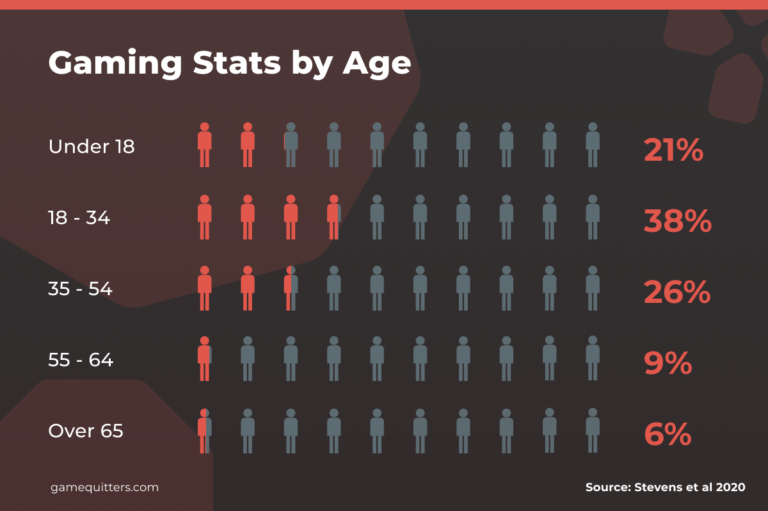
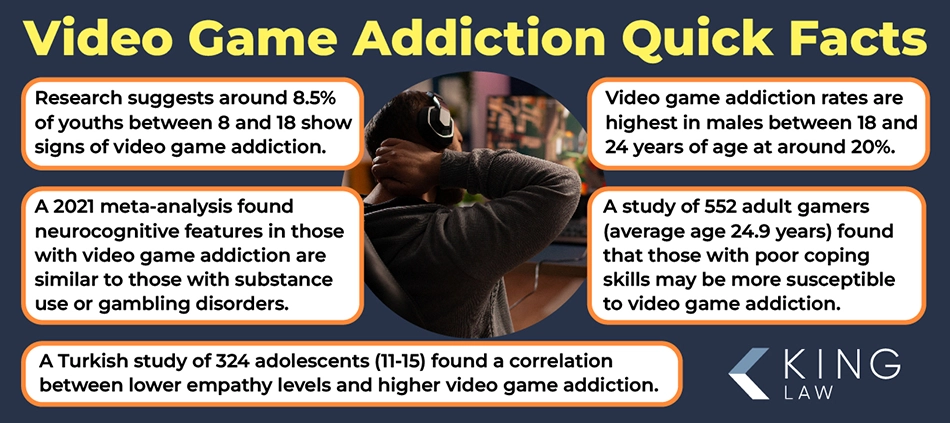
Gaming addiction, or Gaming Disorder, does not discriminate based on age or gender, though certain demographics and psychological factors can increase susceptibility. While often stereotyped as a problem primarily affecting teenagers, adults, particularly those in the 25-45 age range who are balancing significant life responsibilities, are increasingly recognized as vulnerable. For busy professionals and parents, gaming can become an escape from stress, a way to socialize after hours, or even a perceived 'productive' use of downtime. Individuals with pre-existing mental health conditions like anxiety, depression, ADHD, or social anxiety may be at a higher risk, as gaming can offer a temporary refuge or a sense of accomplishment and belonging that is lacking elsewhere. Personality traits such as impulsivity, low self-esteem, or a strong desire for achievement can also contribute. Essentially, anyone who finds gaming consistently interfering with their daily life, responsibilities, and relationships, despite negative consequences, could be at risk.
What are the Common Signs of Gaming Addiction?
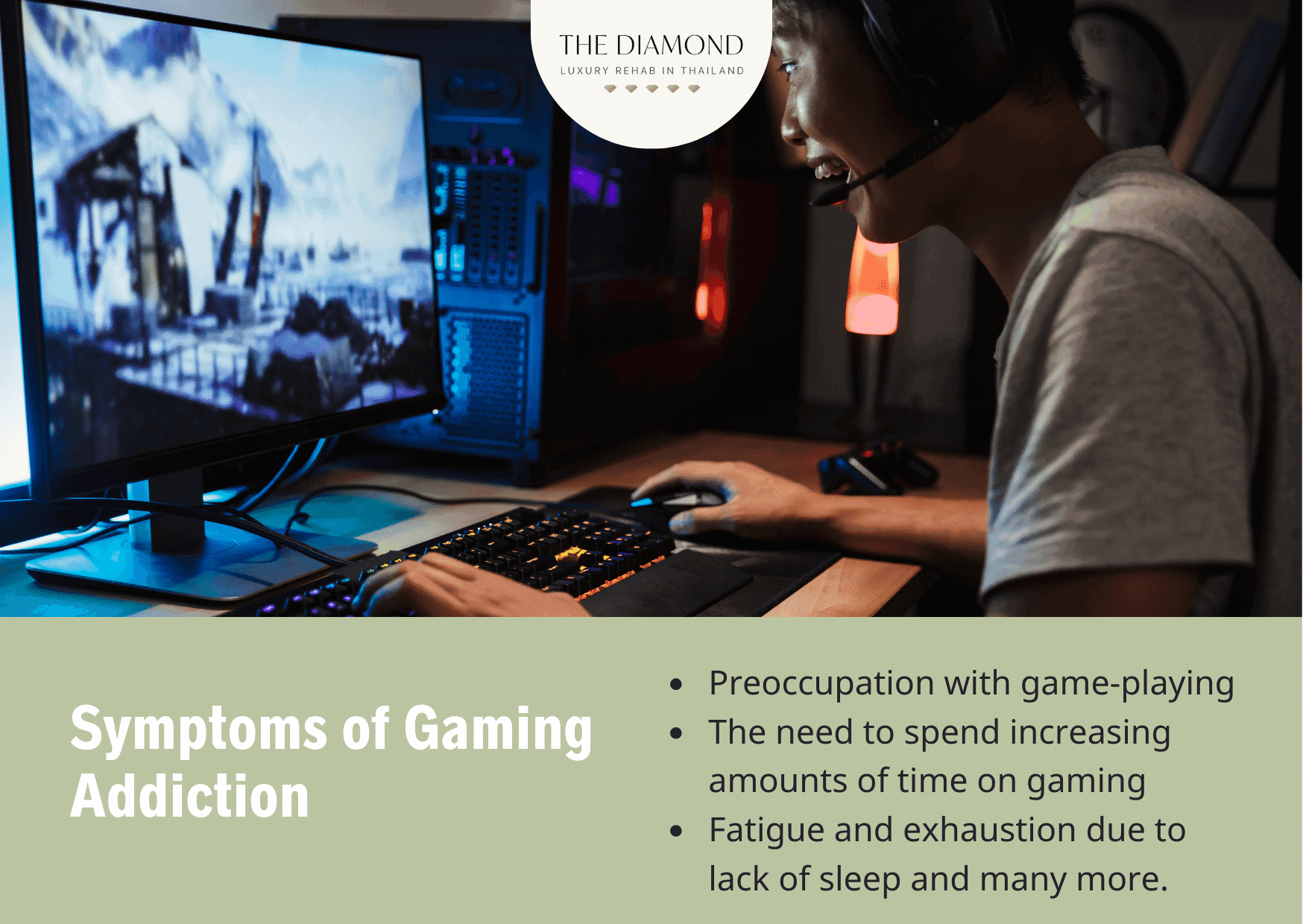
Recognizing the signs of gaming addiction early is crucial, especially for adults who might rationalize excessive play. It is not merely about how many hours are spent gaming but the impact those hours have on one's life. Key indicators include a preoccupation with gaming, where thoughts about gaming dominate daily thinking, even when not playing. You might notice an increasing need to spend more time gaming to achieve satisfaction (tolerance), or experience withdrawal symptoms like irritability, anxiety, or sadness when unable to play. A significant sign is the loss of interest in other hobbies or activities that were once enjoyable. Many individuals struggling with gaming addiction will try, often unsuccessfully, to cut down or control their gaming time. Perhaps most telling is the continued gaming despite obvious negative consequences, such as neglected work duties, strained relationships, financial issues, or declining physical health. Deception regarding the amount of time spent gaming is also a red flag, indicating a hidden struggle.
Is Gaming Addiction a Real Medical Condition?
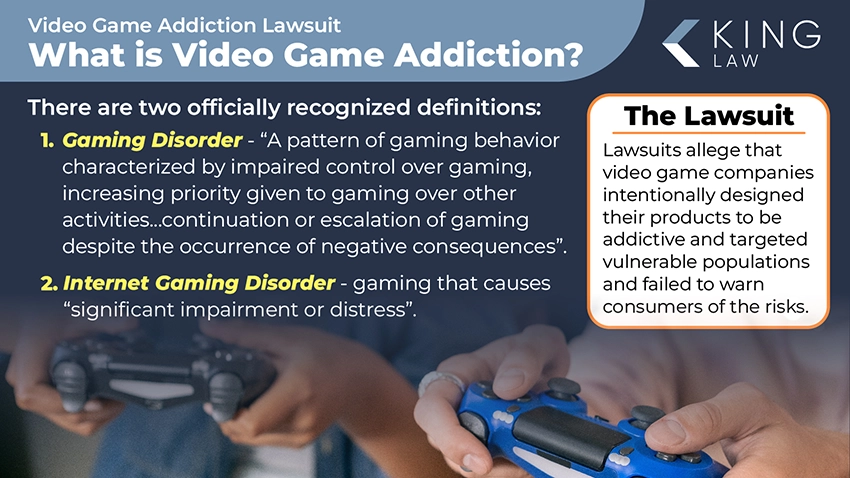
Yes, Gaming Addiction, formally known as Gaming Disorder, is recognized as a legitimate mental health condition. The World Health Organization (WHO) included it in the 11th Revision of the International Classification of Diseases (ICD-11) in 2018. This classification signifies that it is a diagnosable condition, characterized by a pattern of gaming behavior (digital-gaming or video-gaming) that is severe enough to result in significant impairment in personal, family, social, educational, occupational, or other important areas of functioning, and that would normally have been evident for at least 12 months. This recognition underscores the serious nature of the condition and validates the experiences of individuals and families affected. It also facilitates diagnosis and the development of appropriate treatment protocols, making it easier for those struggling to access the help they need.
Why Do Some Gamers Develop Addiction While Others Don't?
The development of gaming addiction is a complex interplay of individual vulnerabilities, environmental factors, and the inherent design of games. It is not simply a matter of weak willpower. For some, gaming provides a potent escape from real-world stressors, anxieties, or responsibilities, offering a sense of control or achievement that may be lacking in their daily lives. The reward systems within games, such as progression, loot boxes, and social recognition, are often expertly designed to be highly engaging and can trigger dopamine releases, creating a strong reinforcing loop. Social interaction, a significant aspect of modern gaming with trends like cross-play and Discord communities, can also be a powerful draw, especially for individuals experiencing loneliness or social anxiety, providing a sense of belonging. Those with existing mental health challenges, chronic stress, or limited coping mechanisms are more likely to use gaming as a maladaptive strategy. Ultimately, it is a combination of these factors that determines who develops an addiction and who maintains a healthy balance.
How Does Gaming Addiction Impact Real-Life Responsibilities?
The core characteristic of gaming addiction is its detrimental impact on real-life responsibilities and functioning. For adults, this often manifests as decreased performance at work, missed deadlines, or a general lack of focus on professional duties. At home, it can lead to neglect of household chores, childcare responsibilities, and significant strain on romantic relationships or family dynamics, as partners and children may feel ignored or secondary to gaming. Financial issues can arise from excessive spending on in-game purchases, new hardware, or simply neglecting bill payments due to preoccupation. Physical health often deteriorates from poor sleep hygiene, irregular meals, lack of exercise, and prolonged sedentary periods. Socially, individuals may withdraw from non-gaming friends and activities, further isolating themselves. The constant pursuit of gaming can overshadow all other aspects of life, leading to a vicious cycle of neglect and increased reliance on gaming for emotional regulation.
Are Specific Game Genres More Addictive Than Others?
While any game can become problematic for a vulnerable individual, certain genres tend to have characteristics that can be particularly engaging and, for some, harder to disengage from. Massively Multiplayer Online Role-Playing Games (MMORPGs) like World of Warcraft or Final Fantasy XIV are frequently cited due to their persistent worlds, continuous progression systems, social elements (guilds, raids), and open-ended nature, which can feel like a second life. Competitive online multiplayer games (MOBAs, battle royales, FPS) such as League of Legends, Apex Legends, or Valorant also pose a risk because of their competitive nature, skill-based matching, and the intense desire for victory or improvement, fostering a 'just one more game' mentality. Free-to-play mobile games, a dominant force in US gaming with 59% of mobile gamers playing daily, often utilize aggressive monetization strategies, daily rewards, and gacha mechanics that tap into psychological principles to encourage continuous engagement and spending. The constant updates, social features, and unpredictable rewards in these games can create a powerful pull that is difficult to resist for some players.
Can Adult Gamers, Especially Parents, Be at Risk?
Absolutely. The idea that only young people are susceptible to gaming addiction is a myth. Adult gamers, including parents, face unique pressures that can contribute to problematic gaming. For many adults, gaming serves as a primary form of stress relief and relaxation after long days of work and family obligations. However, when this coping mechanism becomes disproportionate, it can easily cross the line. The allure of social connection through online gaming can be particularly strong for adults who may have limited opportunities for in-person socializing. Parents, in particular, might find themselves gaming late into the night, sacrificing sleep, or using gaming as an escape from the demands of parenting, leading to fatigue and neglect of family duties. The constant availability of mobile gaming also means that adults can engage discreetly, potentially escalating habits without immediate notice. Recognizing these unique vulnerabilities is the first step towards maintaining a healthy balance and ensuring gaming enriches rather than detracts from family life.
What Role Do Social Factors Play in Gaming Addiction?
Social factors play a significant and often underestimated role in the development and maintenance of gaming addiction. For many gamers, especially Gen Z and Millennials, games are powerful social platforms where friendships are forged and maintained. Discord channels, in-game guilds, and cross-platform play foster strong communities. While positive social interaction in games can be healthy, for some, the virtual social life can become a replacement for real-world connections. The pressure to participate in group activities, raids, or competitive teams can lead to extended play sessions that disrupt sleep or responsibilities. Furthermore, the desire for social acceptance, status within a gaming community, or fear of missing out (FOMO) on in-game events can compel individuals to game excessively. If a gamer's primary social circle is entirely online and revolves around gaming, it can make disengaging extremely difficult, as it might feel like losing their community. A healthy balance involves nurturing both online and offline social connections.
How Can Gamers Maintain a Healthy Balance?
Maintaining a healthy balance with gaming is all about intentionality and self-awareness. It starts with setting clear boundaries for your gaming time. Use timers, gaming session limits, or even schedule your gaming like any other appointment. Prioritize real-world responsibilities: complete work, spend time with family, and get adequate sleep before diving into games. Develop alternative hobbies and interests outside of gaming that provide similar feelings of relaxation, achievement, or social connection, like sports, reading, or creative arts. Practice mindful gaming by paying attention to how you feel before, during, and after a session; if you feel irritable or guilty, it might be time to step away. Engage in regular physical activity and ensure you have a balanced diet. If you game with friends, communicate your boundaries to them, or even suggest taking breaks together. Remember, gaming should be a reward and a source of enjoyment, not a compulsion or an escape from real life.
When Should a Gamer Seek Professional Help for Gaming Habits?
Knowing when to seek professional help is a critical step for anyone concerned about their gaming habits or those of a loved one. The time to seek help is when gaming consistently and significantly impairs important areas of your life – such as your job, school, relationships, physical health, or financial stability – and you find yourself unable to cut back despite trying. If you experience withdrawal symptoms when not gaming, feel an intense preoccupation with it, or deceive others about your gaming time, these are strong indicators. Mental health professionals specializing in addiction or behavioral issues, such as therapists, counselors, or psychiatrists, can provide an accurate diagnosis and guide you through treatment options. Cognitive Behavioral Therapy (CBT) and motivational interviewing are common and effective approaches. Do not hesitate to reach out; early intervention can prevent more severe consequences and help you regain control over your life.
How to Support a Friend or Family Member with Gaming Addiction?
Supporting a loved one struggling with gaming addiction requires patience, understanding, and a strategic approach. First, educate yourself about gaming disorder to better understand what they are experiencing. Approach the conversation with empathy and concern, avoiding accusatory language that can lead to defensiveness. Express your worries using 'I' statements, focusing on how their gaming affects you and the family, rather than labeling them as 'addicted.' Encourage them to seek professional help, perhaps by offering to research therapists or even accompany them to an initial appointment. Set clear, consistent boundaries around gaming within the household, such as designated gaming times or device-free zones, but avoid controlling behavior. Encourage engagement in alternative activities and reinforce positive behaviors. Remember, you cannot force someone to change, but you can provide a supportive environment and professional resources. If the situation becomes too challenging, seeking support for yourself, such as through family counseling or support groups, can also be beneficial.
As we navigate the ever-evolving landscape of gaming, it is clear that while a vast majority of US gamers enjoy their hobby responsibly, understanding the potential for problematic habits is essential for everyone. Gaming can offer incredible experiences—from exhilarating competition to cozy co-op sessions and deep social connections. The key lies in maintaining control, prioritizing real-life responsibilities, and fostering a balanced lifestyle. If you or someone you know is struggling, remember that help is available and taking that first step towards understanding and action is a sign of strength.
What is your biggest gaming challenge when it comes to balancing it with life? Comment below!
FAQ Section
Q: Is gaming addiction caused by specific personality types?
A: While certain personality traits like impulsivity or a tendency towards escapism can increase vulnerability, gaming addiction is not solely determined by personality. It often results from a combination of individual psychological factors, environmental stressors, and the reinforcing nature of games, impacting a wide range of individuals.
Q: Can casual gamers develop an addiction?
A: Yes, even casual gamers can develop problematic habits if gaming begins to significantly interfere with their daily responsibilities, relationships, and well-being. It is the pattern and impact of gaming, not just the casual or hardcore label, that defines addiction.
Q: What is the difference between heavy gaming and gaming addiction?
A: Heavy gaming involves significant time playing but does not negatively impact life responsibilities, relationships, or health. Gaming addiction, however, is characterized by a persistent pattern of gaming that leads to significant impairment in these crucial areas, despite negative consequences.
Q: Are in-game purchases a sign of addiction?
A: In-game purchases themselves are not necessarily a sign of addiction. Many gamers make them responsibly. However, excessive or uncontrolled spending on in-game items, especially when it causes financial distress or is done secretively, can be a red flag indicating a loss of control related to gaming.
Q: Can gaming ever be good for mental health?
A: Absolutely. When managed healthily, gaming can be excellent for mental health, offering stress relief, improving problem-solving skills, fostering social connections, and providing a sense of achievement and purpose. It is about balance and ensuring it enhances, rather than detracts from, overall well-being.
Q: What role does technology play in preventing gaming addiction?
A: Technology can be a tool for prevention. Features like in-game timers, parental controls, screen time limits on devices, and apps designed to track usage or promote breaks can help gamers and families manage screen time more effectively. However, these tools are most effective when combined with self-awareness and intentional habits.
Who gaming addiction affects beyond stereotypes, Risk factors for adults balancing life and gaming, Recognizing early signs of problematic gaming, Strategies for healthy gaming habits, When to seek professional support for gaming, Impact of social and mobile gaming trends, Balancing gaming with work and family life
35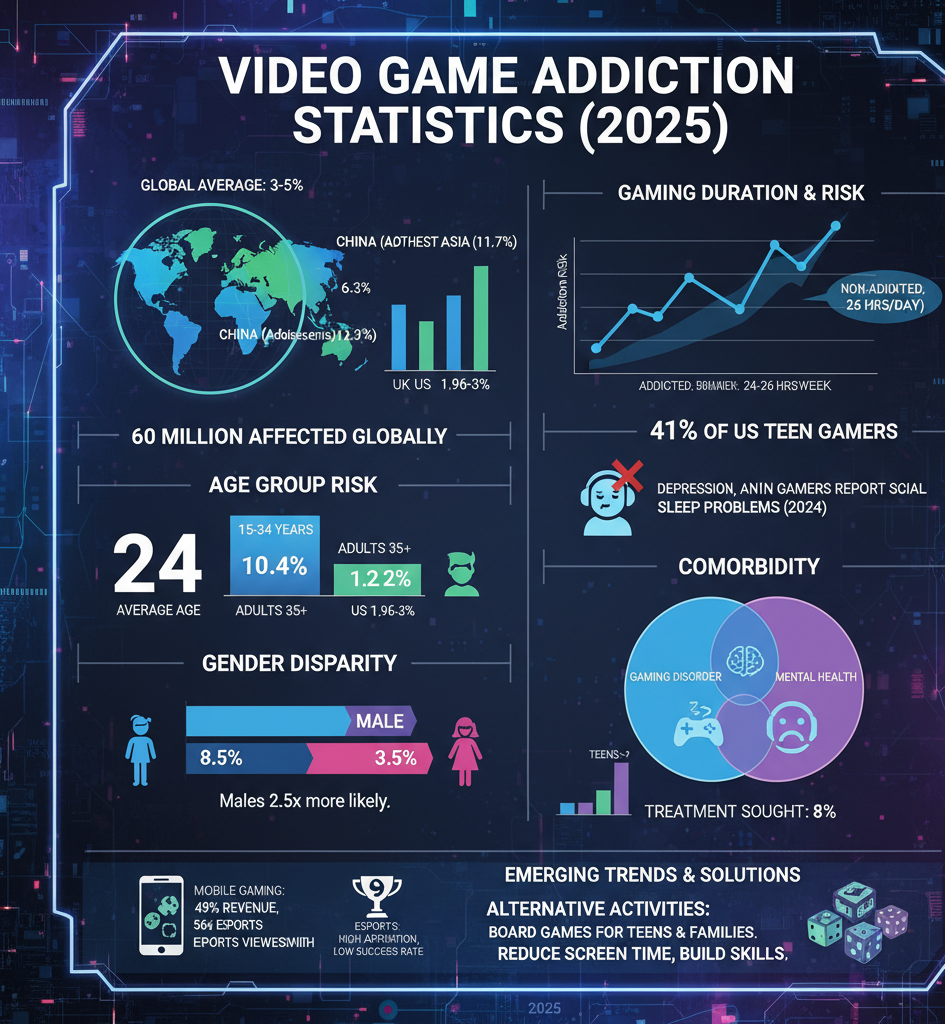


Gaming Statistics 2025 Mobile PC Console Trends Video Game Addiction Statistics 2025 . Global Gaming Addiction Statistics 2025 Global Gaming Addiction Statistics 2025 . Video Game Addiction Statistics 2026 Video Game Addiction Statistics 2026 . Is Gaming Addictive What You Need To Know Overview Of The Microsoft Video Game Addiction Lawsuit . 20 Most Anticipated Video Games Of 2026 Page 18 1200x675
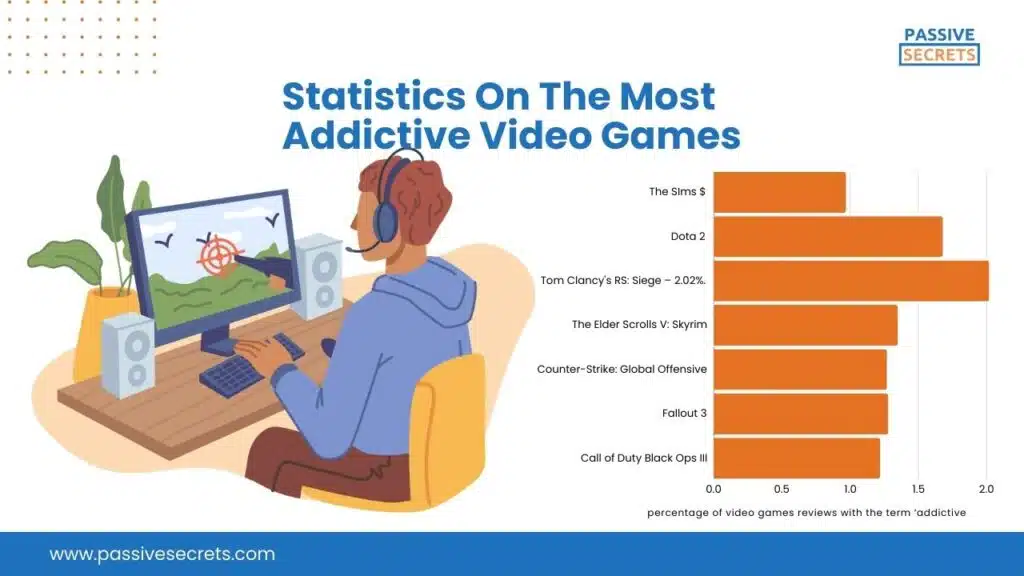


Video Game Addiction Statistics 2026 Icon Era Statistics Video Game Addiction Statistics 2025. 50 Helpful Video Game Addiction Statistics Facts In 2026 Statistics On The Most Addictive Video Games 1024x576 .webp. Video Game Addiction Statistics 2026 Latest Research The Small Video Game Addiction Statistics . What Are The Symptoms Of Scrub Typhus Causes Treatment Prevention What Is Internet Gaming Video Gaming Addiction . 2026 Upcoming Games And Game Release Dates Guide 2026 Upcoming Games Release Dates

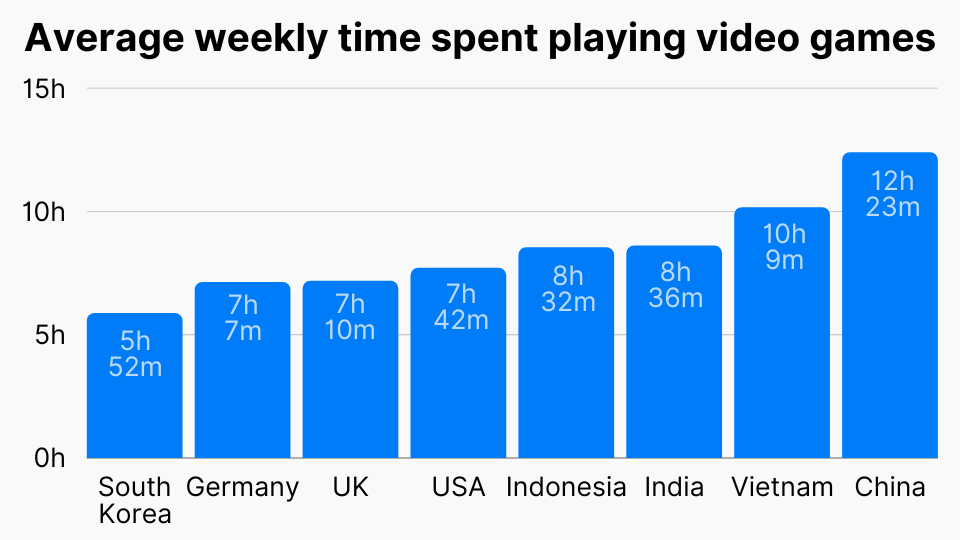
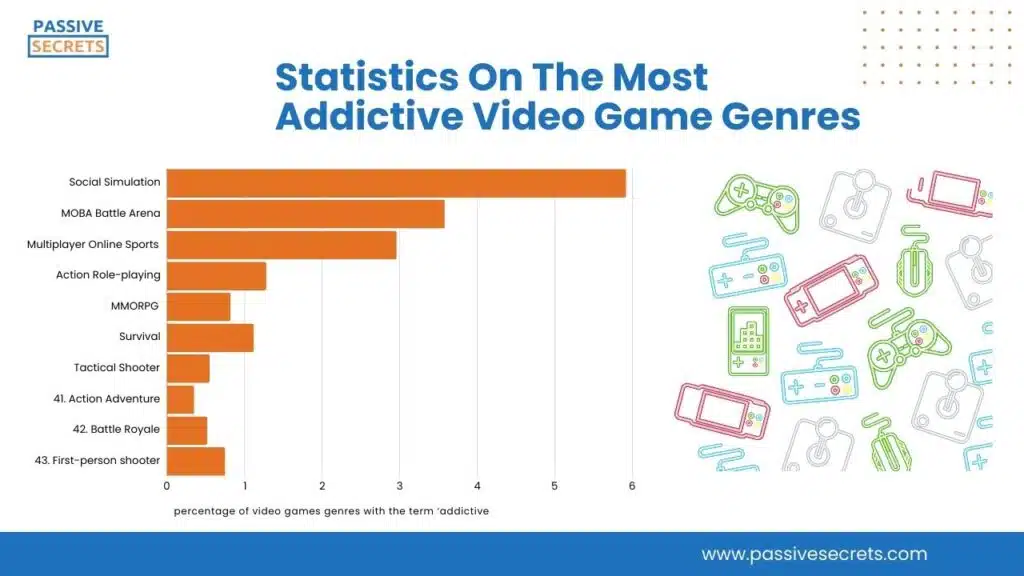

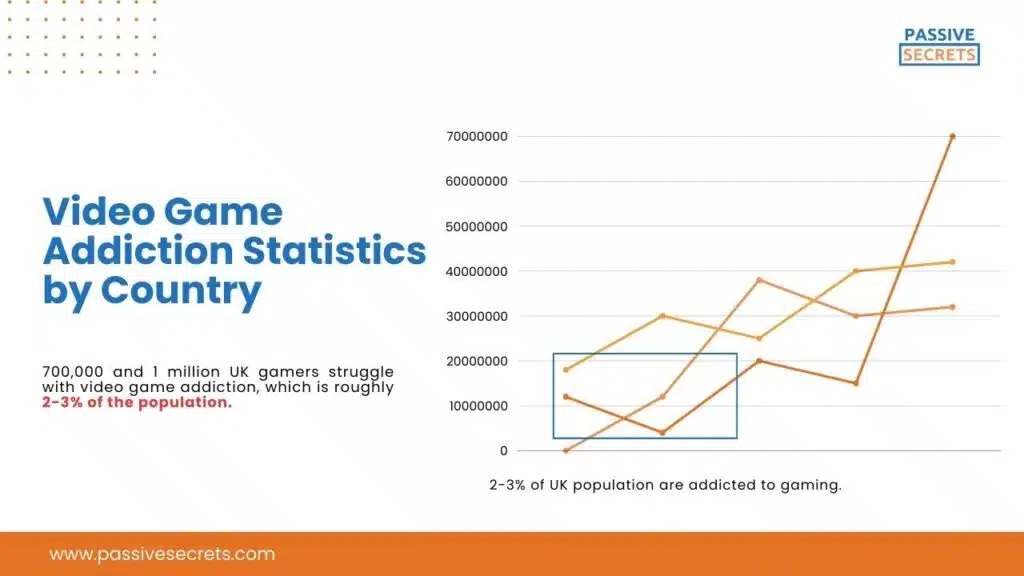
Top 10 Most Anticipated Games Of 2026 What To Watch Out For TVN GAMES IN 2026 . 45 Video Game Addiction Statistics 2026 How Many People Are Addicted Average Weekly Time Spent Playing Video Games . 50 Helpful Video Game Addiction Statistics Facts In 2026 Statistics On The Most Addictive Video Game Genres 1024x576 .webp. 45 Video Game Addiction Statistics 2026 How Many People Are Addicted Percentage Of Gamers Among Internet Users 1 . 50 Helpful Video Game Addiction Statistics Facts In 2026 Video Game Addiction Statistics By Country 1024x576 .webp




Why Is Gaming Addiction Bad For Your Life Balance What Is Video Game Addiction 1 . 45 Video Game Addiction Statistics 2026 How Many People Are Addicted Countries With The Highest Number Of Gamers . EA Games Lawsuit For Addiction And Mental Harm 2026 Update Long Term Effects Of Gaming Addiction And EA Games . Is Gaming Addictive What You Need To Know Video Game Addiction Definition Symptoms Causes Effects And Treatment 1024x576 . Video Game Addiction 11 Signs Symptoms Treatments Video Game Addiciton Graphics 01 Addiction Happens When Gaming Negatively Impacts 1536x768
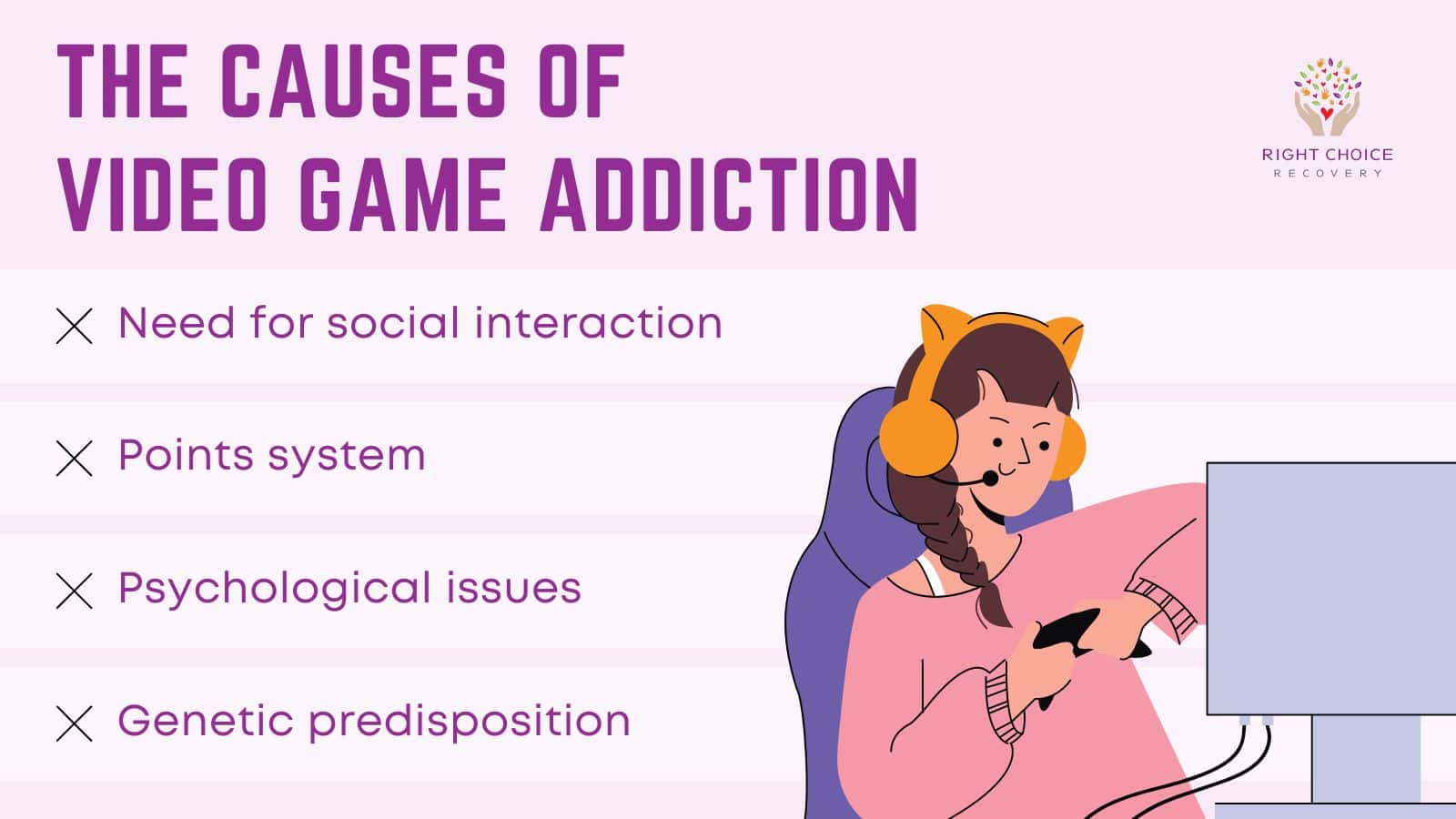

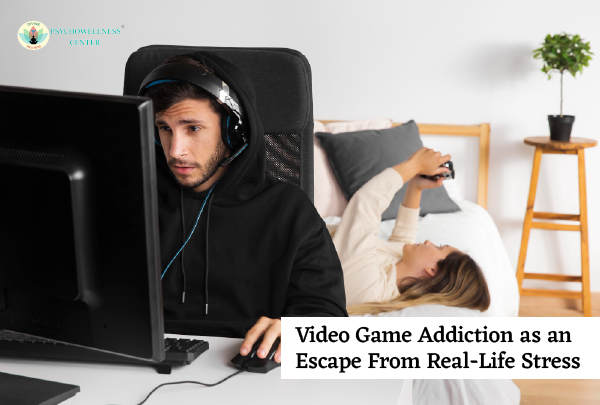

Why Is Gaming Addiction Bad For Your Life Balance The Causes Of Video Game Addiction . 2026 Guide Video Game Addiction Lawsuit Settlement Amounts Video Game Addiction Lawsuit Settlement Amounts 2024 Guide . 30 Video Game Addiction Statistics Video Game Addiction Infographic . Video Game Addiction As An Escape From Real Life Stress 1379 Video Game Addiction As An Escape From Real Life Stress 2 . The Full FC 26 Stadiums List Including 11 New Stadiums GamesRadar

Mobile Game Addiction Claims Another Life 22 Year Old Dies Due To PUBG GAMING ADDICTION COVER 1024x576 . Is Gaming Addictive What You Need To Know Gaming Stats By Age 768x511 . Video Game Addiction Lawsuit March 2026 Update Video Game Lawsuit 2024 Update Video Game Addiction Lawsuit . Why Is Gaming Addiction Bad For Your Life Balance Symptoms Of Gaming Addiction . Video Game Addiction Facts And Statistics At Jamie Tolentino Blog Image 2

PlayStation Lawsuit For Video Game Addiction April 2026 Update King Law Facts About Video Game. 2026 In Gaming Releases What Are We This Year Blogs 2026 Gaming 2 . Video Game Addiction Lawsuit June 2026 Update King Law What Is Video Game. Link Between Gaming Addiction And Learning Disability 1156 Link Between Gaming Addiction And Learning Disability 768x518 . 2026 Game Releases Full Upcoming Games Calendar Release Dates PS5 Game Releases Full Calendar Release Dates Main